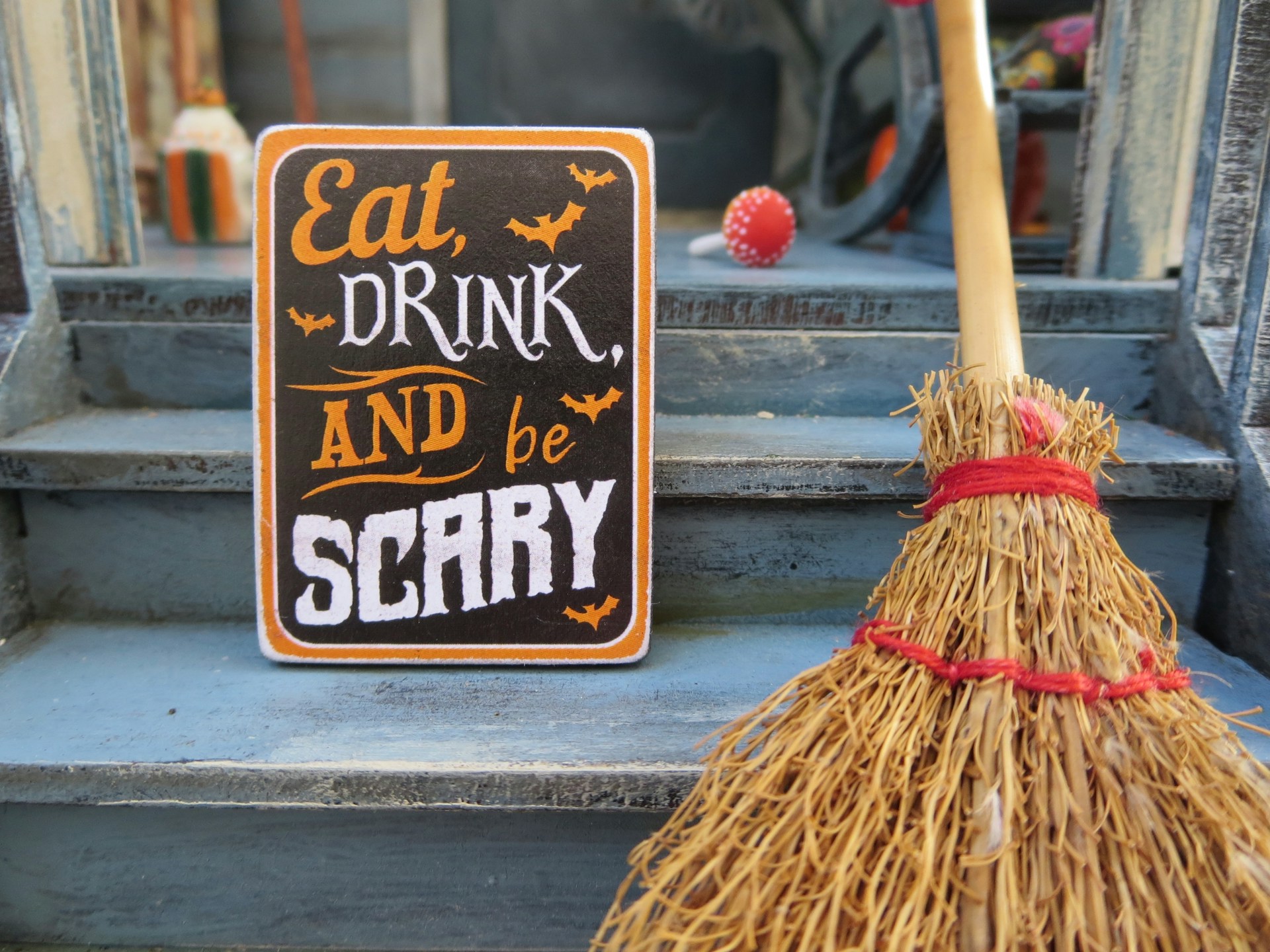
Halloween was once a simple and spooky night filled with handmade costumes, neighborhood walks, and pumpkin carving under the porch light. But over the years, it has transformed into a full-blown commercial spectacle. What used to be about creativity and community has become a billion-dollar business with influencers, mass-produced decorations, and marketing campaigns that start before summer even ends. While it is still fun, there is no denying that the holiday has changed. Here are fifteen signs that Halloween might have gone a little too commercial for its own good.
1. Decorations Start in August
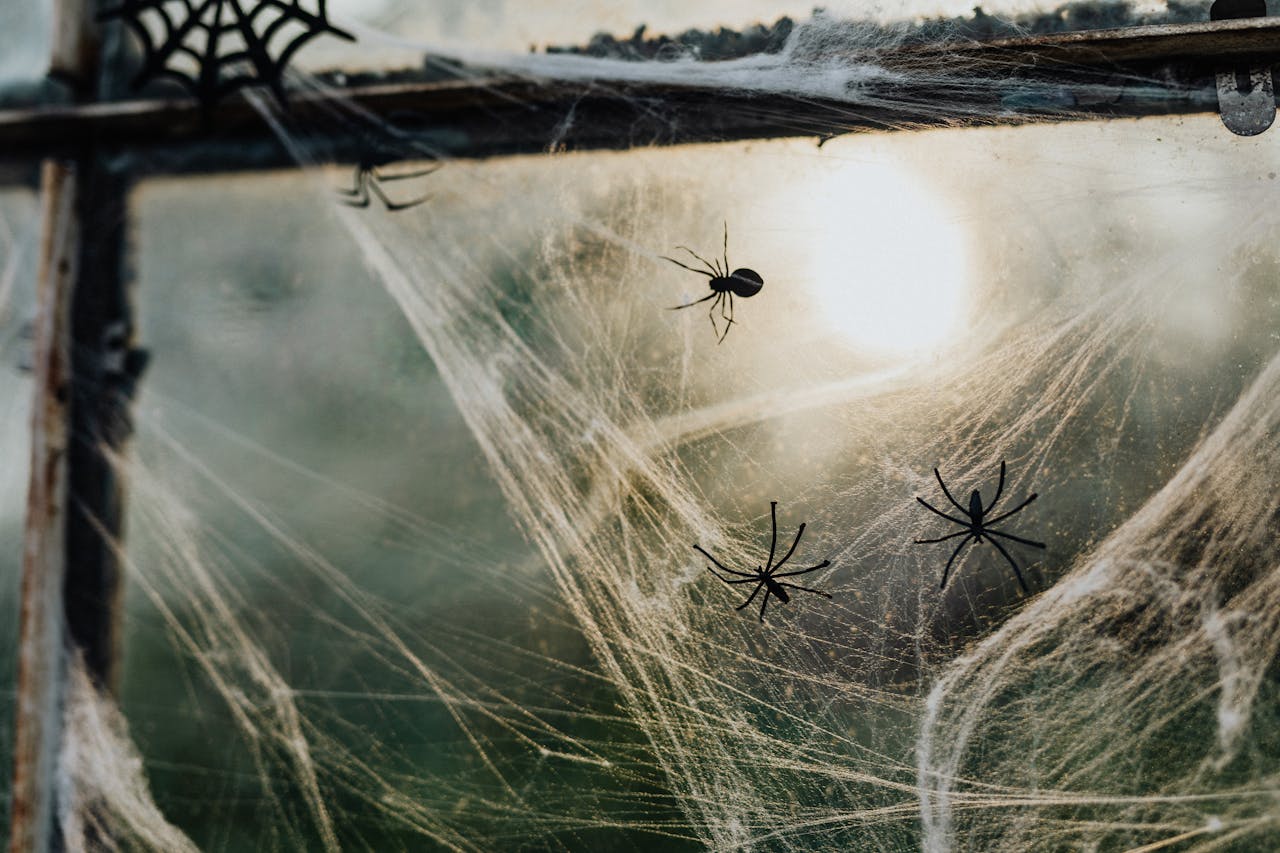
It used to be that you knew Halloween was coming when the leaves began to fall. Now, you see fake cobwebs, plastic pumpkins, and spooky lawn inflatables appearing before the end of August. Retailers have stretched the holiday into a two-month shopping event, with aisles of orange and black filling stores just days after back-to-school sales. The excitement that once came naturally from cool evenings and crisp air now feels forced. By the time October arrives, the magic has already been replaced by overexposure and fatigue.
2. Entire Stores Dedicated to It
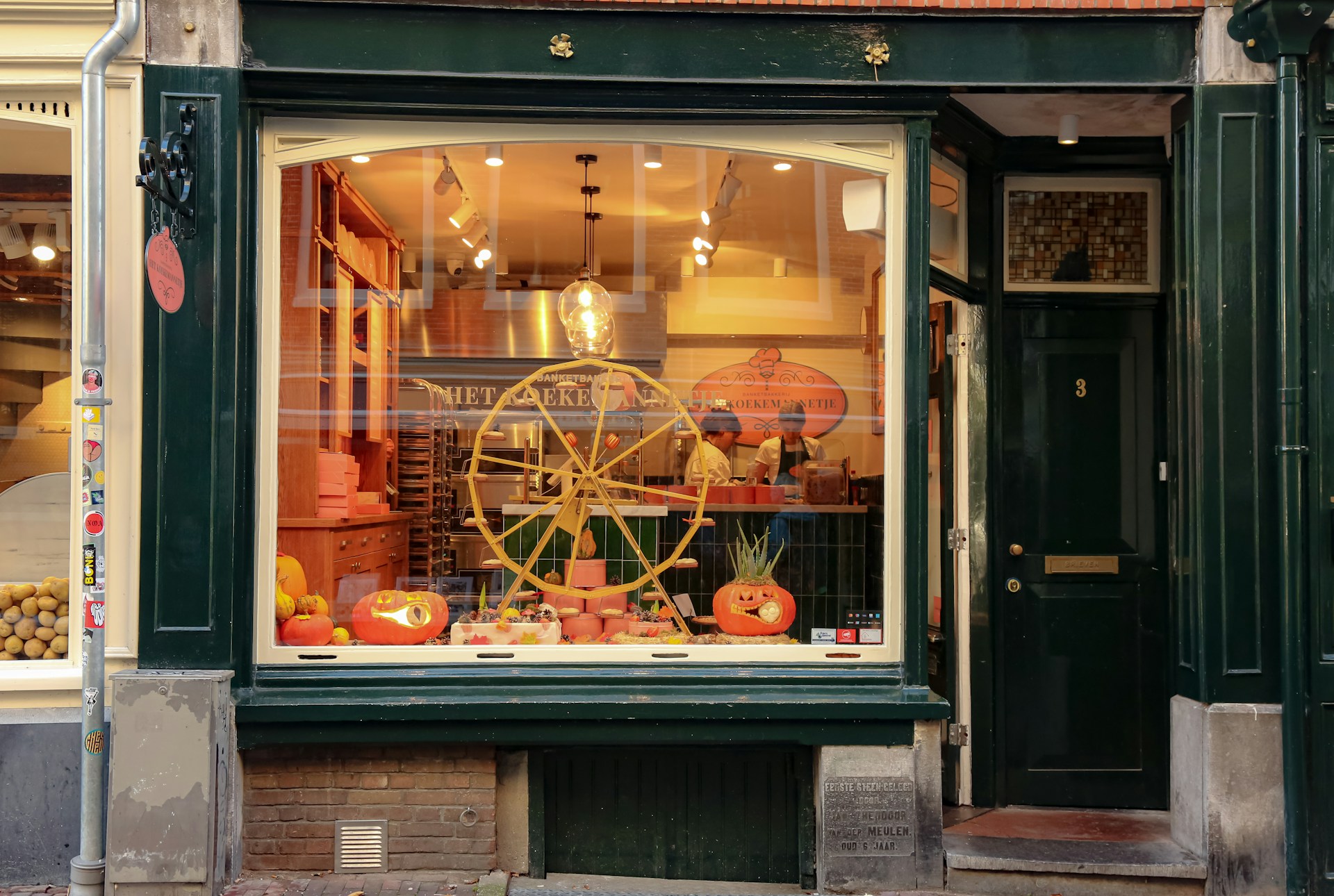
The rise of seasonal Halloween superstores is one of the clearest signs of how profitable the holiday has become. These stores take over vacant retail spaces every fall, filling them with wall-to-wall costumes, masks, props, and animatronics. While they can be a lot of fun to explore, their sheer size and intensity reveal how far Halloween has moved from its humble, homespun roots. The holiday has become a temporary retail empire, focused more on volume sales than the spirit of creative mischief that once defined it.
3. The Price of Costumes Is Outrageous
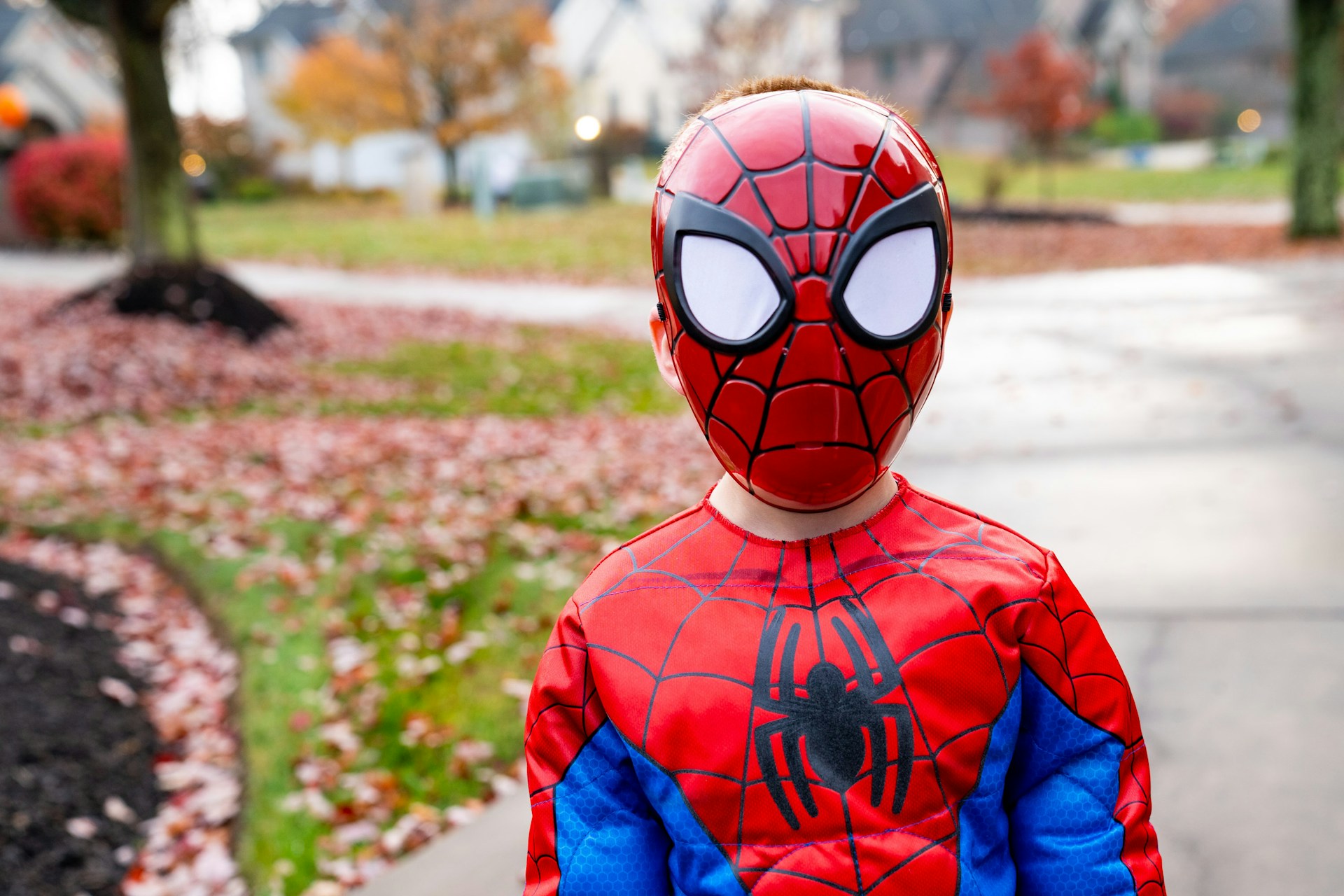
There was a time when a simple bedsheet or homemade cardboard accessory could turn anyone into a convincing ghost or robot. Now, store-bought costumes for both adults and kids can cost as much as formal wear. Designer partnerships, deluxe versions, and themed accessories all push prices higher each year. What was once a holiday of imagination has turned into an expensive fashion show. Many parents now spend more on a child’s Halloween outfit than on their actual clothes, and that says everything about how the celebration has changed.
4. Candy Marketing Gone Wild
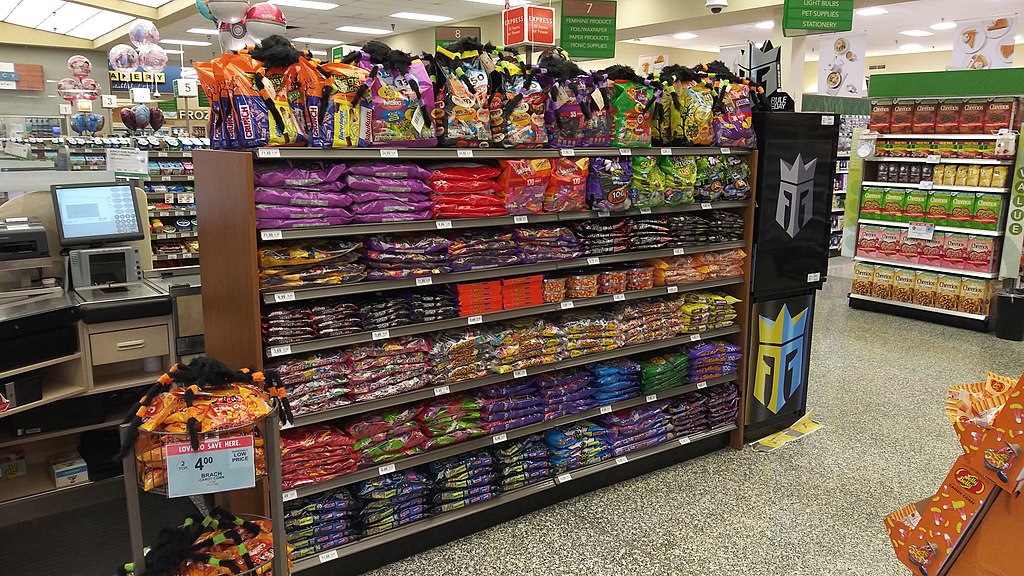
Halloween used to mean simple fun-sized treats and a few chocolate bars. Today, candy brands treat it like a competitive sport. Each year brings limited-edition flavors, oversized packs, and elaborate packaging designed to tempt shoppers into buying more. The creativity can be fun, but it is also overwhelming. Seasonal candy aisles dominate stores for weeks, and much of it goes uneaten. It is not just about giving out sweets anymore; it is about maximizing profit in the name of nostalgia and sugar rushes.
5. Influencer Costume Reveals
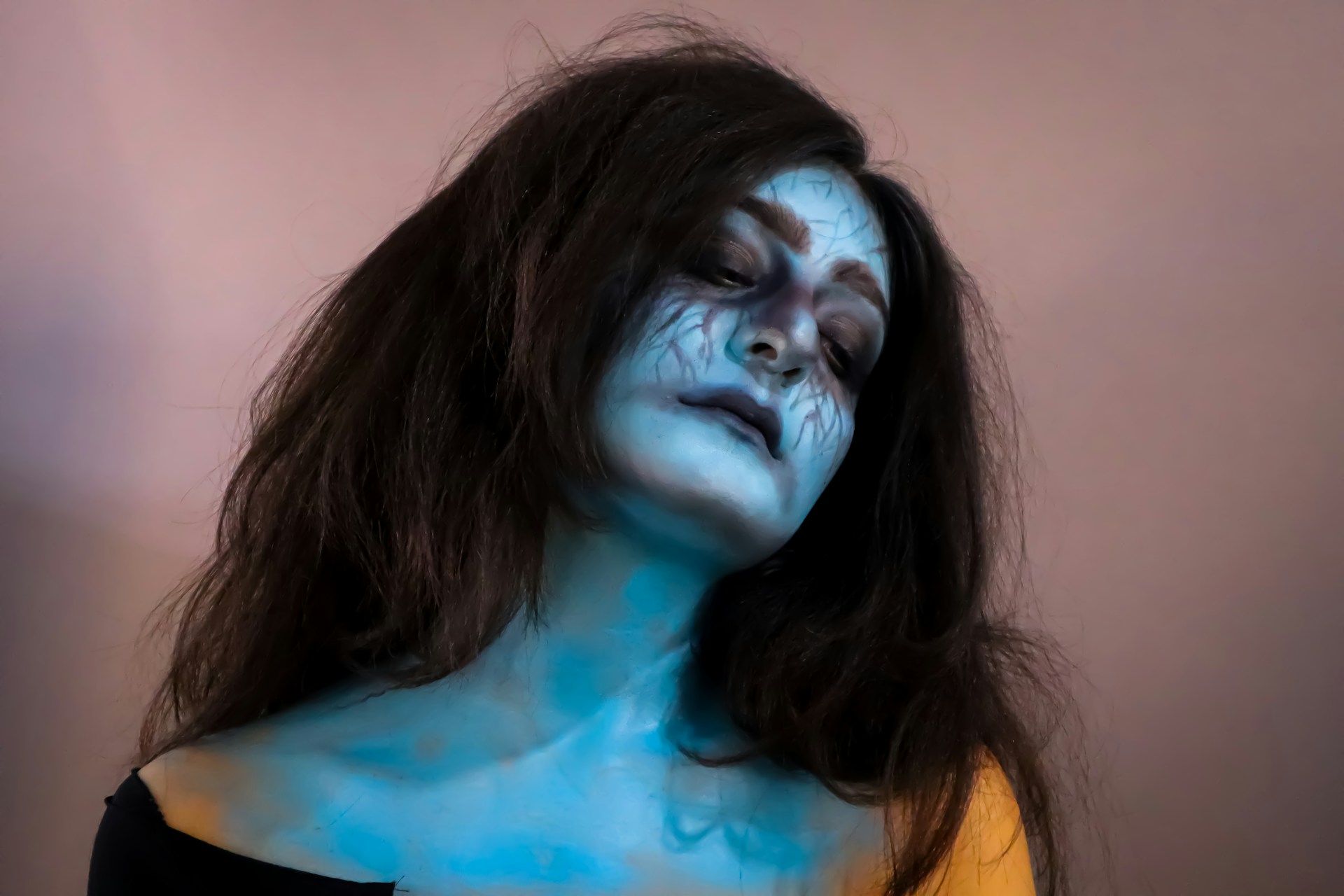
Social media has turned Halloween costumes into performance art. Influencers plan elaborate looks months in advance, tease them on their platforms, and even partner with brands for sponsored costume reveals. Instead of being a night for personal creativity, it becomes an online contest for likes and shares. The authenticity and silliness that once defined Halloween have been replaced by perfectionism. When dressing up becomes about algorithms rather than imagination, it is a sign that the fun has been replaced by commercial strategy.
6. Over-the-Top Yard Displays
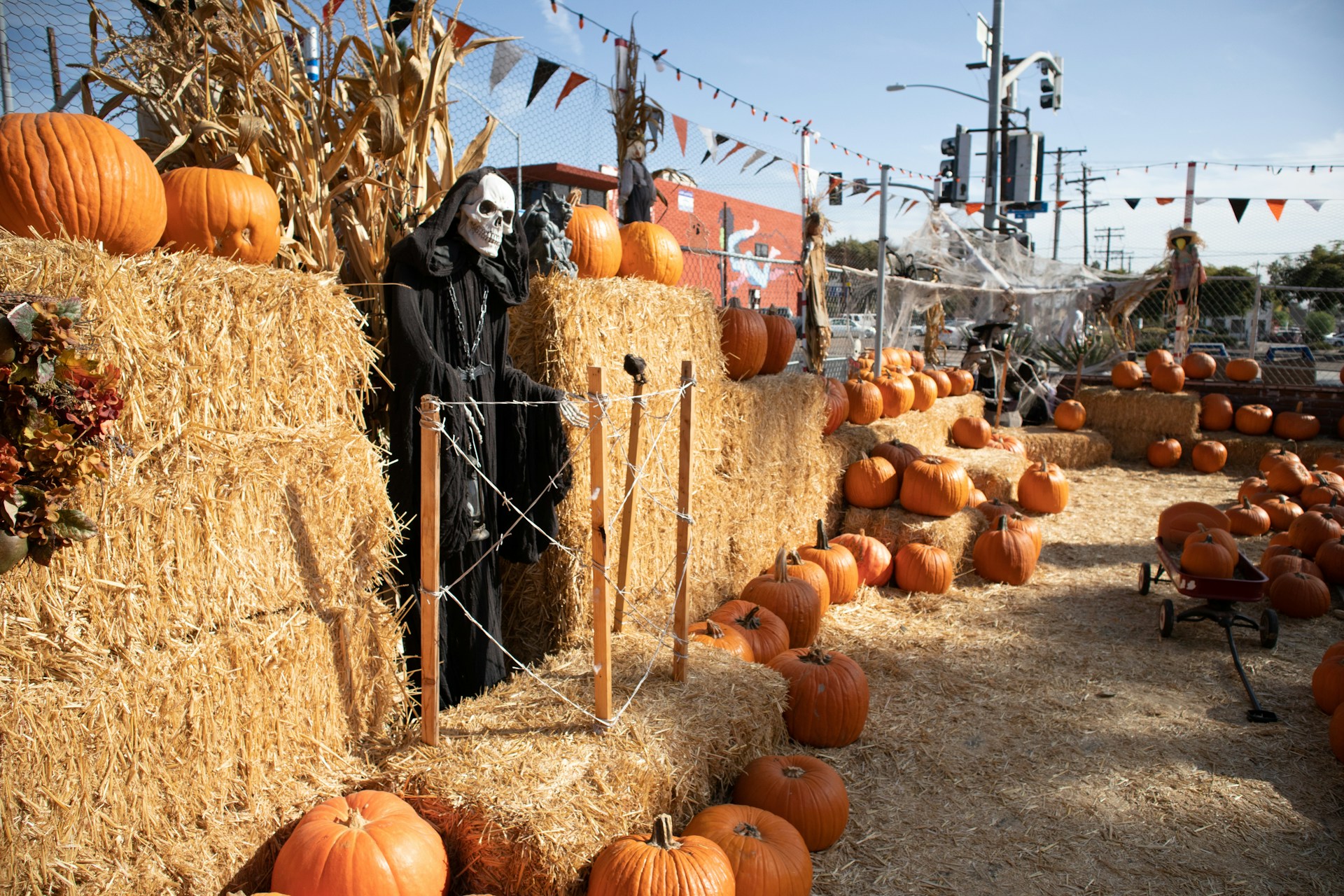
Simple pumpkins and paper cutouts have given way to massive animatronic displays that could rival professional theme parks. Some neighborhoods are filled with towering skeletons, fog machines, sound systems, and synchronized lights. These setups are impressive but often come with a hefty price tag and a sense of competition among neighbors. Instead of focusing on family fun, Halloween decor has become another area for one-upmanship, turning quiet streets into overproduced showcases of who can spend the most.
7. Endless Pumpkin-Spice Everything
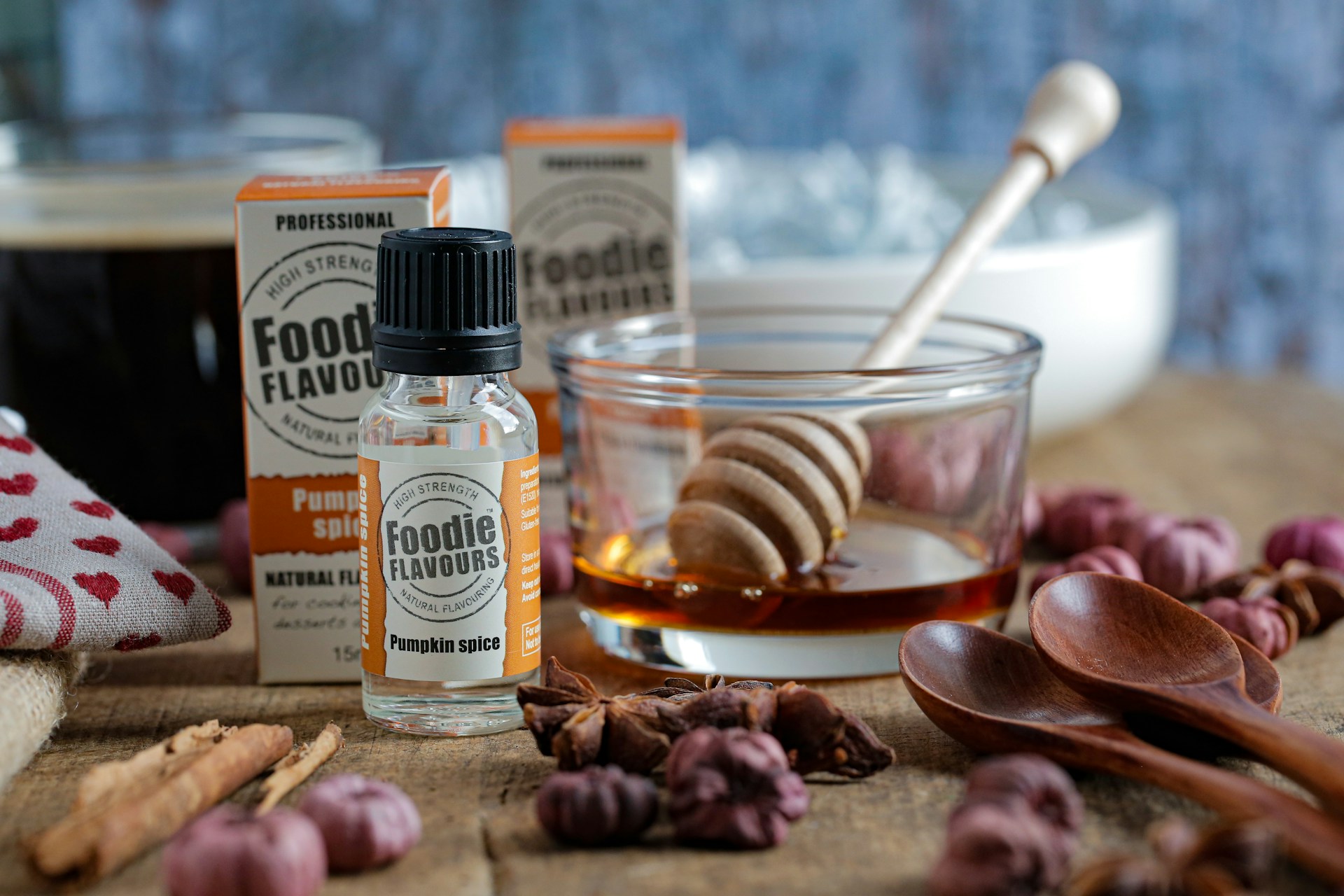
Pumpkin spice used to belong to pies and maybe a seasonal latte. Now, it is everywhere. From breakfast cereal to air fresheners and even toothpaste, companies have found a way to brand nearly anything with the flavor of fall. What once symbolized warmth and comfort has become a predictable marketing trend. While some still enjoy the seasonal flavor, the sheer volume of products bearing the pumpkin-spice label proves that Halloween and fall are now just another retail opportunity.
8. Haunted Attractions Everywhere
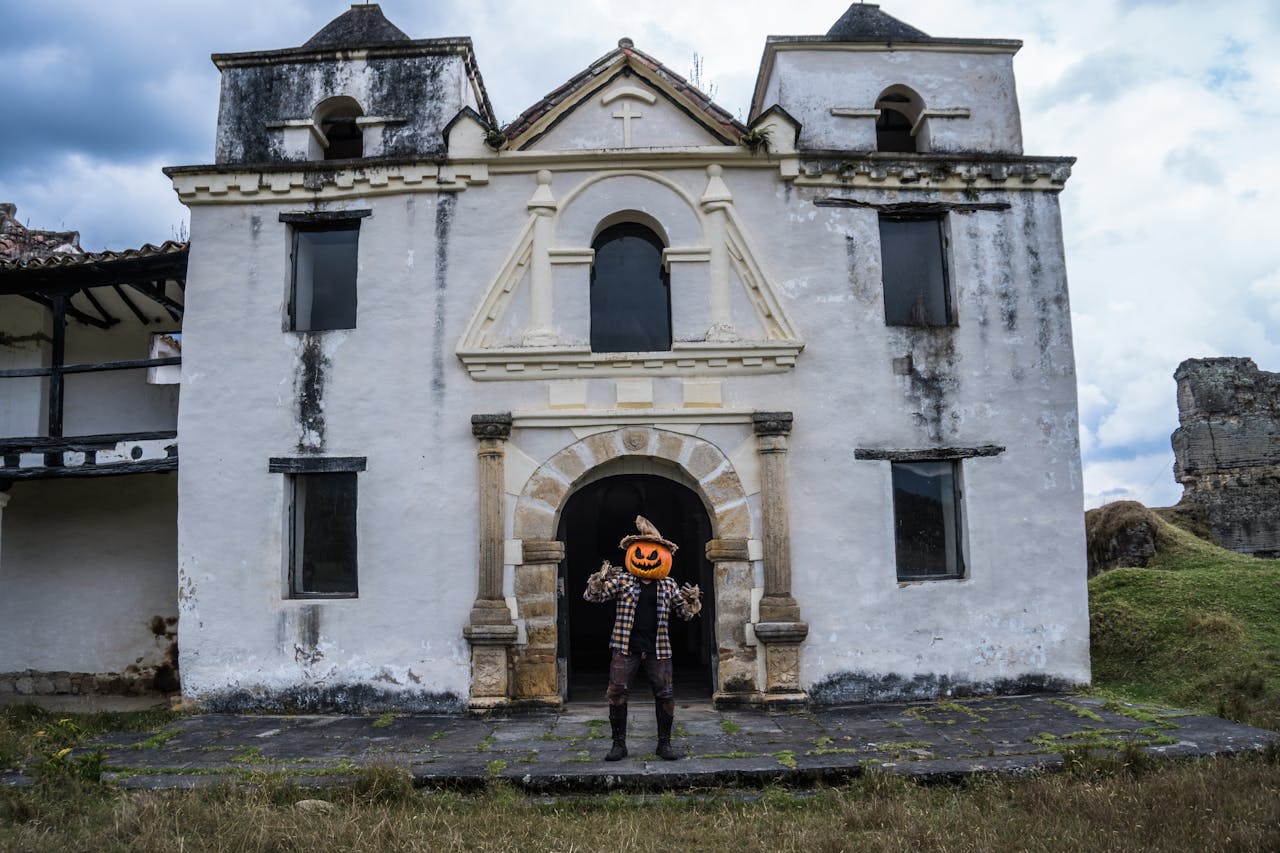
Haunted houses were once community-run projects that brought neighbors together for a bit of fun. Now, they have evolved into massive productions with professional actors, sound engineers, and ticket prices that rival concerts. These commercial haunts can be thrilling, but they have also replaced the local charm that made Halloween special. Instead of being about homemade scares, the holiday has become a ticketed experience designed for profit. The sense of neighborhood creativity is often lost among corporate sponsorships and digital effects.
9. Themed Merchandise Overload
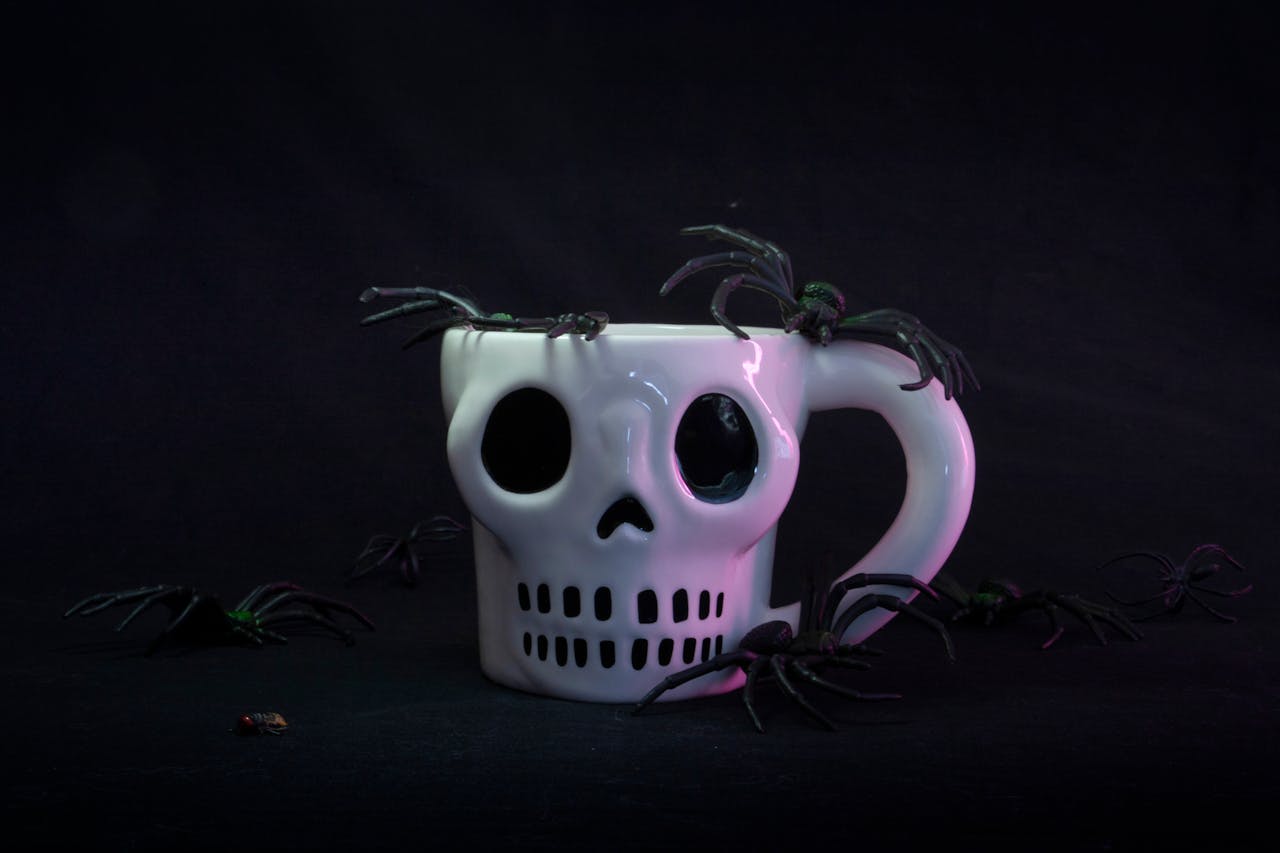
It is no longer enough to decorate your house; every product imaginable now has a Halloween version. From dish soap to yoga mats, companies release themed editions just to capitalize on seasonal enthusiasm. Shoppers are bombarded with orange and black packaging from September onward. While it might look festive, much of it feels unnecessary and wasteful. The holiday has become less about meaningful celebration and more about filling carts with themed items that will be forgotten once November arrives.
10. Movie and TV Tie-Ins
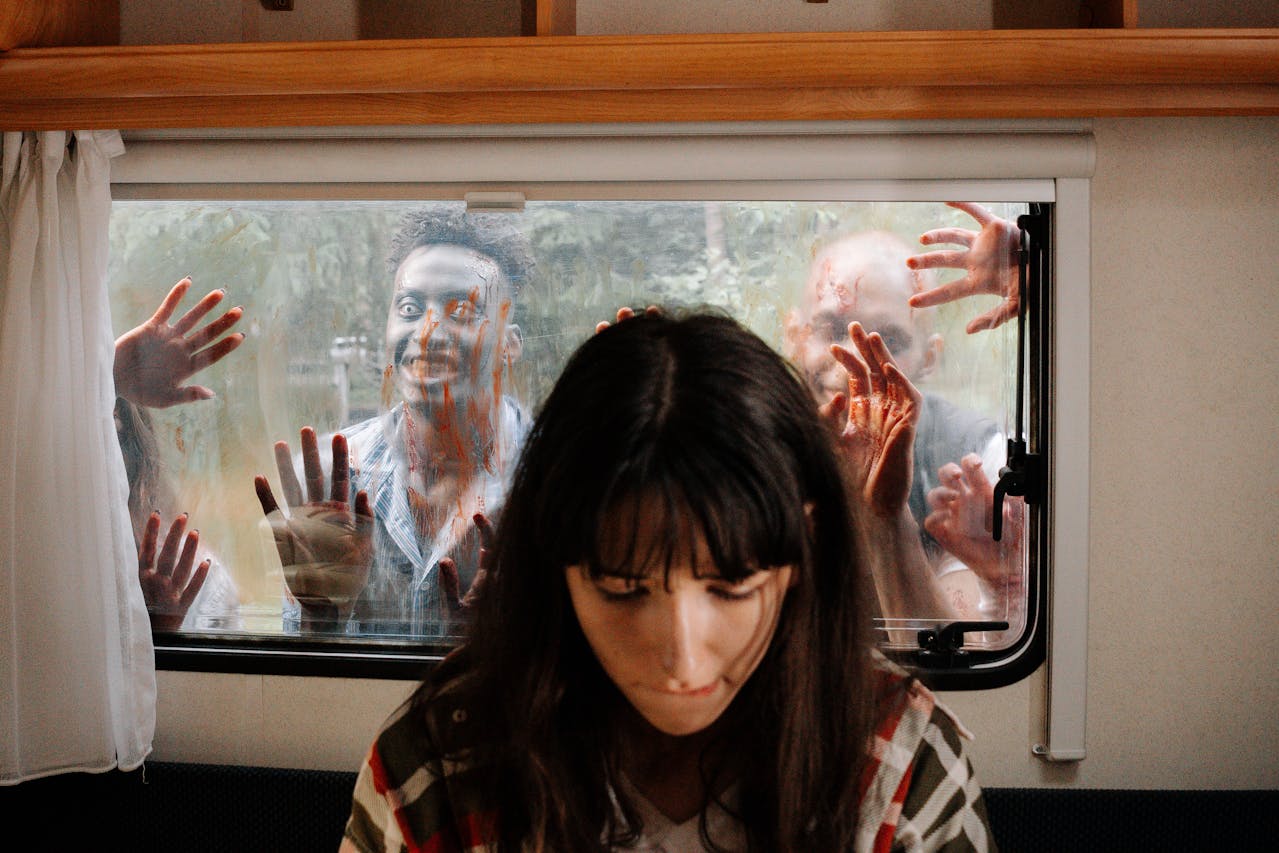
Streaming services and television networks have learned that Halloween is a perfect time to push content. Each year brings a flood of sequels, reboots, and so-called Halloween specials that are often created just to cash in on the hype. While it is fun to have so much spooky entertainment to choose from, the sheer volume of marketing behind it can make the season feel more commercial than creative. It is less about storytelling now and more about dominating the seasonal viewing charts.
11. Designer Collaborations
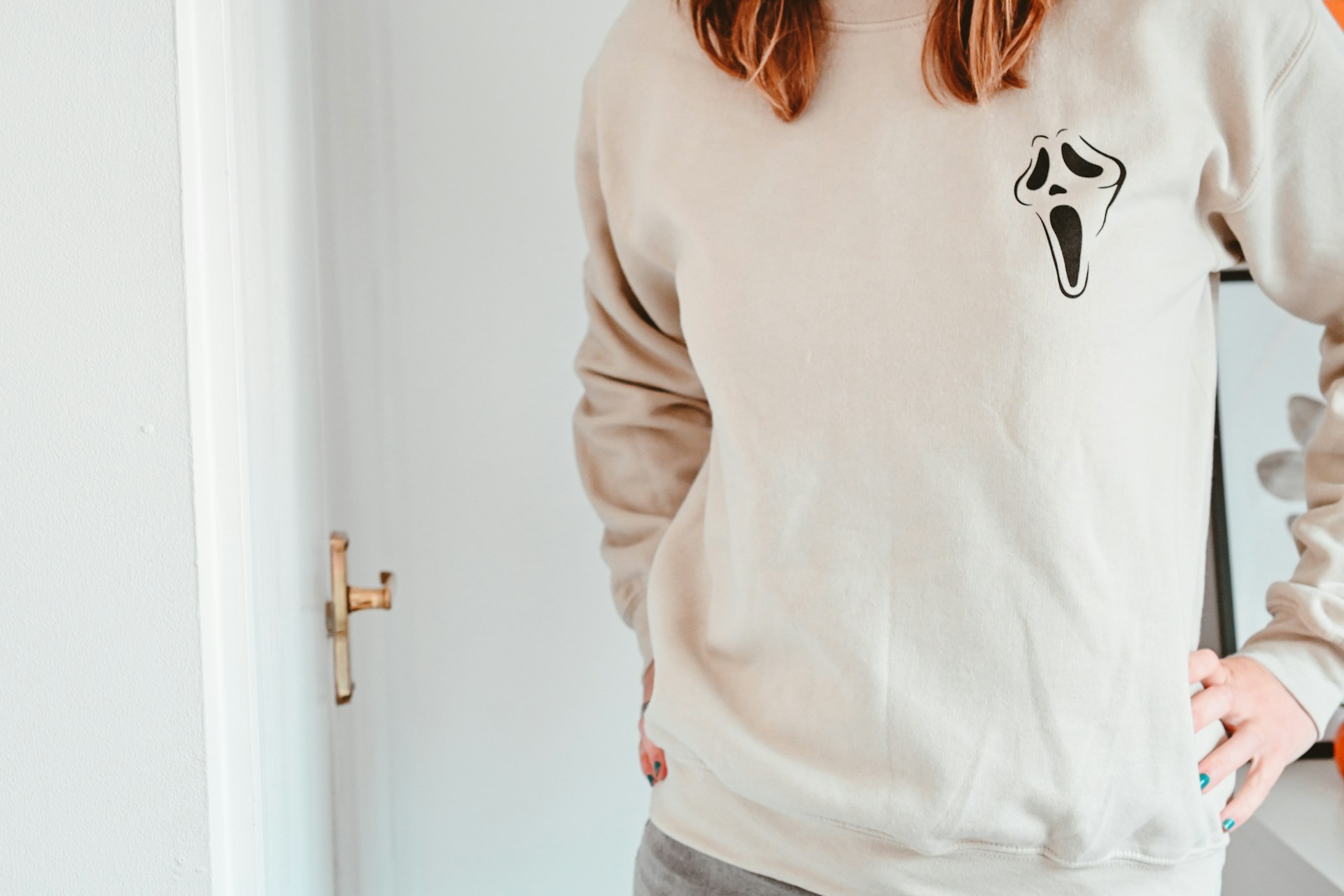
Luxury brands have entered the Halloween market with limited-edition collections that turn costumes and accessories into high-end commodities. It is not uncommon to see themed designer handbags or expensive home decor pieces meant for the holiday. The message is clear: even Halloween is not immune to fashion trends. What used to be a carefree night of dress-up is now part of the luxury lifestyle cycle, where exclusivity and image matter more than joy and spontaneity.
12. Overpriced Pumpkin Patches
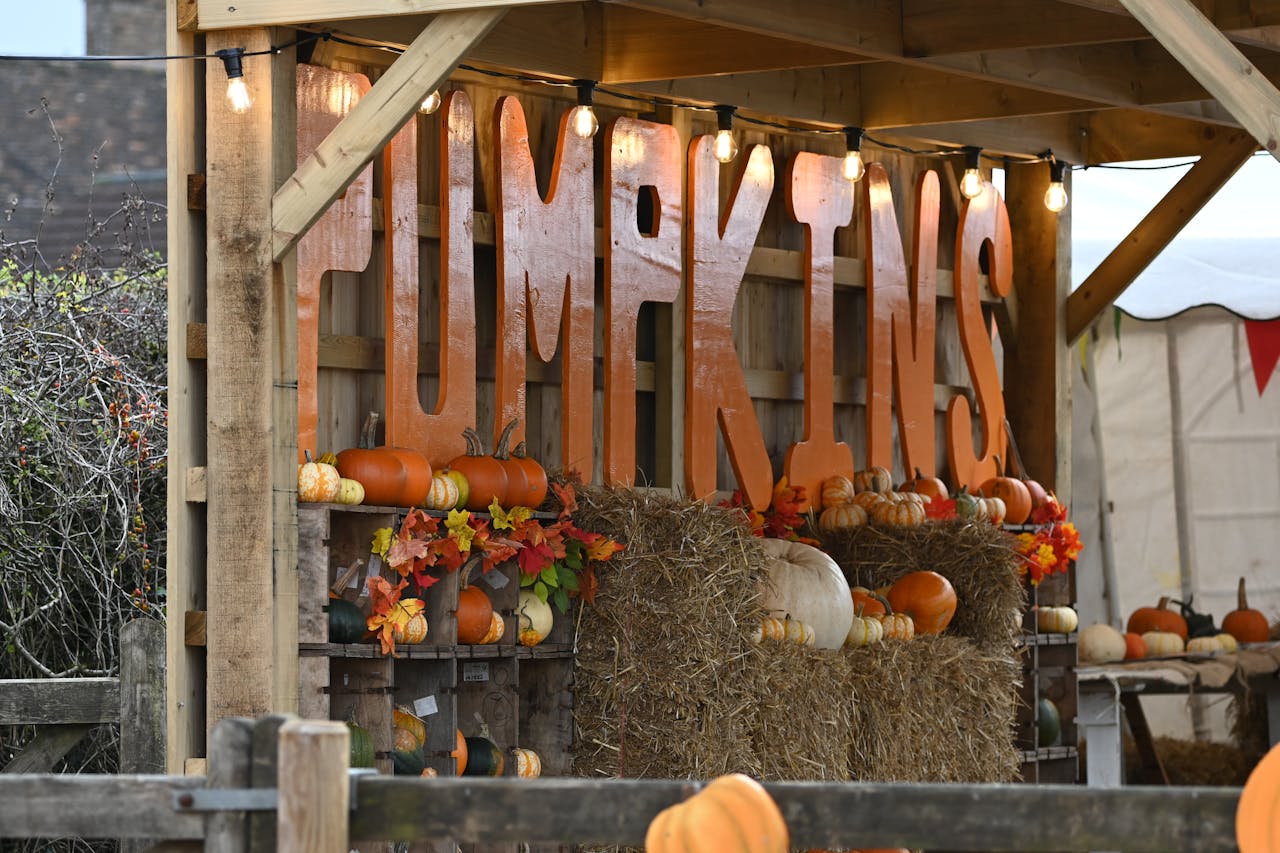
Pumpkin patches were once simple fields where families could pick their pumpkins, take a few photos, and enjoy a crisp autumn day. Today, many of them resemble amusement parks, with entry fees, food stalls, and social media photo zones. What was once a charming rural tradition has become a curated experience for influencers and families looking for the perfect post. It is fun but also staged, a reminder of how even the most innocent parts of Halloween have become opportunities for profit.
13. Halloween for Pets
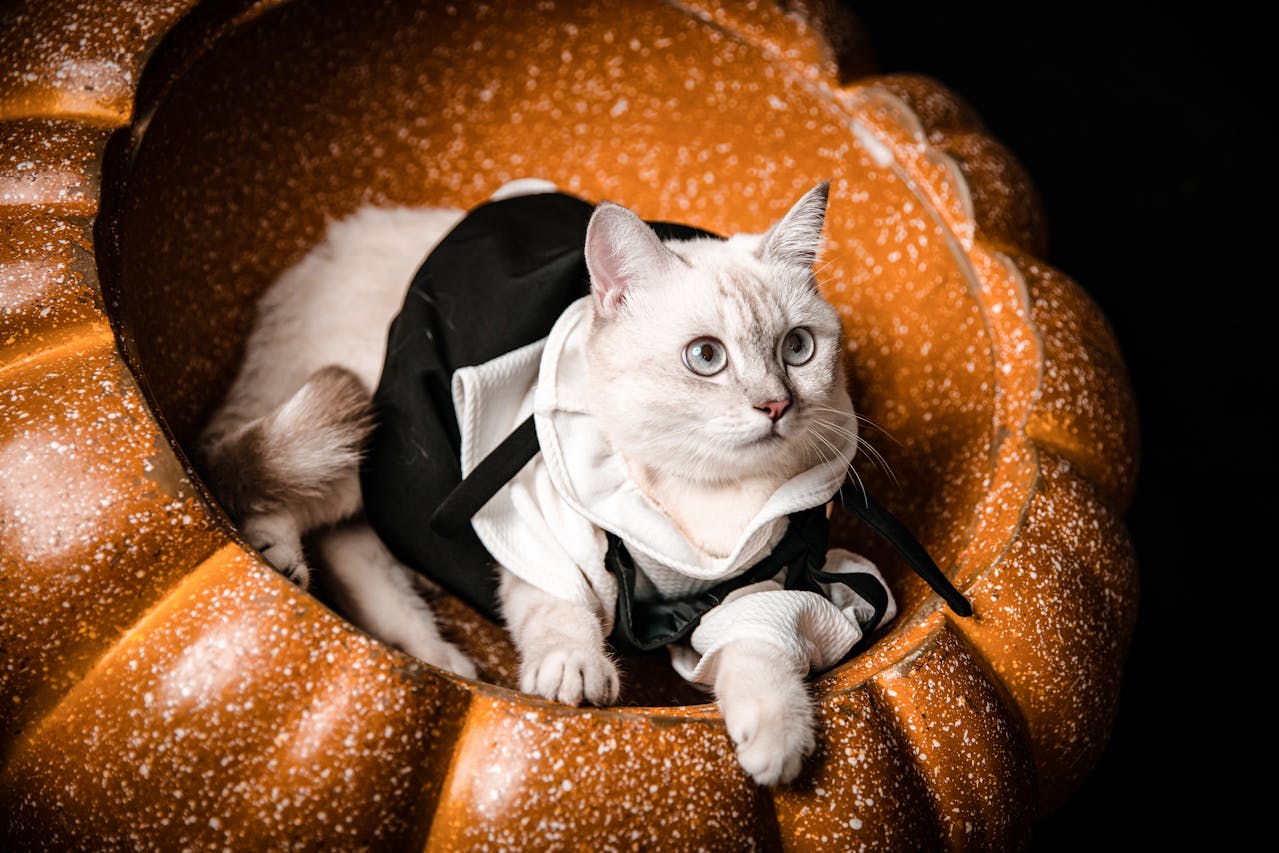
Pet costumes are undeniably cute, but the market for them has exploded beyond reason. There are now entire product lines dedicated to dressing up dogs, cats, and even lizards for Halloween. While it is entertaining, it also highlights how commercialization has spread to every corner of the celebration. Pets, of course, have no interest in trick-or-treating, but companies see them as another profitable market. It is harmless fun in moderation, but it also represents how far the holiday’s commercialization has gone.
14. Limited-Edition Everything
Brands love to play on the fear of missing out, and Halloween has become one of their favorite playgrounds. Fast food chains release spooky-themed meals, makeup brands debut “limited” palettes, and even sneakers get seasonal makeovers. These products often vanish from shelves the moment the holiday ends, creating an artificial sense of urgency. It is clever marketing, but it also shows how Halloween has become a yearly exercise in consumer manipulation rather than celebration.
15. Christmas Already Waiting in the Aisle
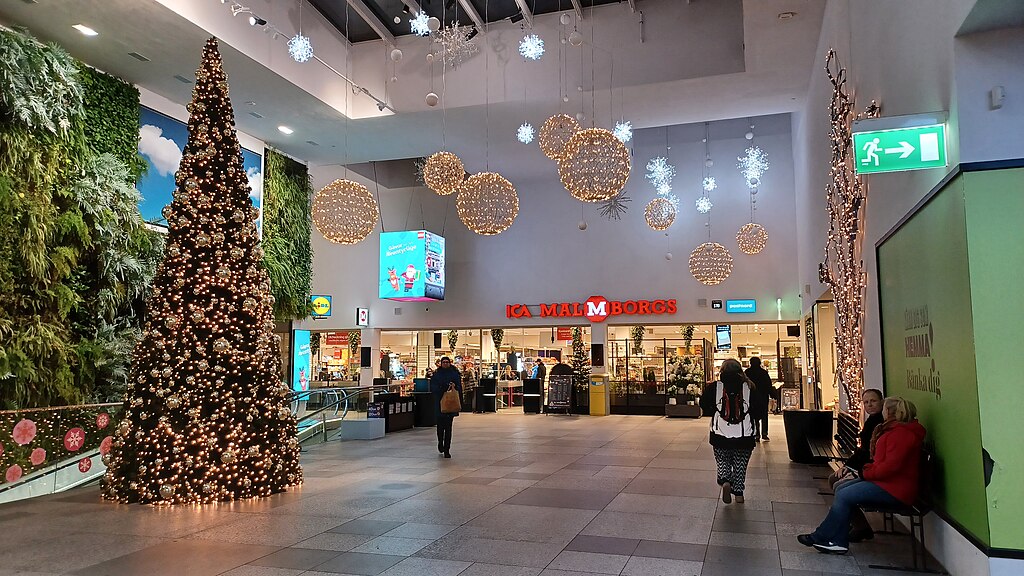
Perhaps the most ironic sign of Halloween’s commercialization is how quickly it gets pushed aside. Even before the candy is gone, stores start putting up Christmas trees and snowmen. It is as if Halloween has become just another checkpoint in the retail calendar. Instead of lingering in the moment, shoppers are encouraged to move on to the next big sale. The overlap between holidays reflects a broader truth: consumer culture rarely pauses, even for something as delightfully spooky as Halloween.
Halloween will always be special, but there is something to be said for simplicity. The heart of the holiday lies in creativity, laughter, and community, not in endless products or influencer posts. Maybe this year, it is time to bring back the homemade costumes, real pumpkins, and neighborhood fun that made Halloween so memorable in the first place. A little less shopping and a little more imagination might just bring the magic back.