Back in the 1890s, before Amazon and next-day delivery, Americans were flipping through thick Sears catalogs to shop for just about everything. These catalogs were like the internet of their time, offering everything from everyday tools to some truly bizarre items. What seems quirky or downright strange now was once considered practical or even trendy. Let’s step back in time and look at some of the most unusual Sears catalog buys from the 1890s that captured the imagination of households across America.
Corset Tighteners
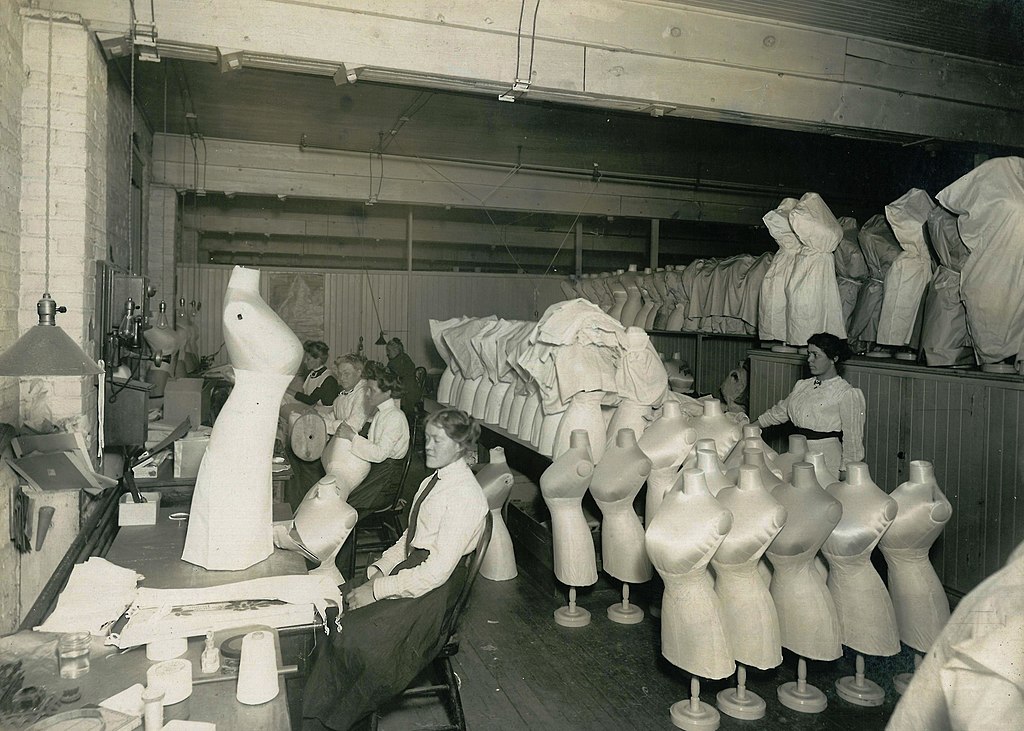
Corsets were the fashion must-have of the 1890s, and Sears didn’t just sell the corsets, they sold the tools to tighten them. Corset tighteners promised to pull everything into shape, giving that coveted hourglass figure. Of course, they weren’t exactly comfortable or healthy, but at the time, beauty came before convenience. Today, they seem a little extreme, but back then, women saw them as an essential accessory to perfect their outfits, making corset tighteners a catalog staple.
Wig-Making Kits
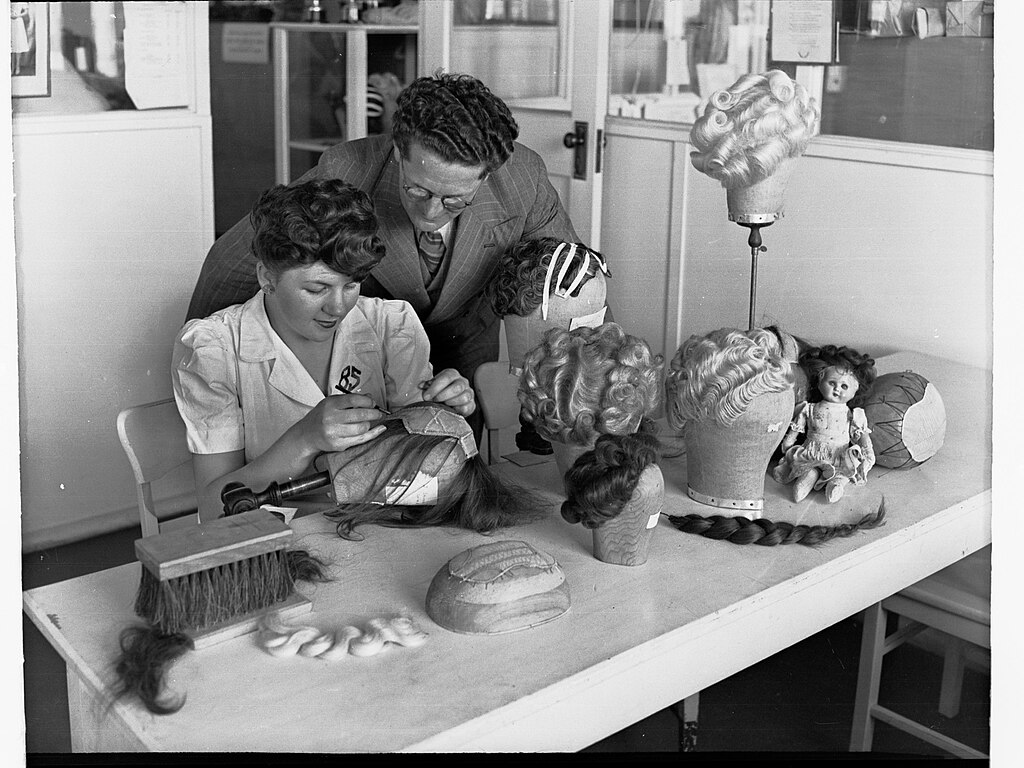
For those who wanted to change their look without a drastic haircut, Sears offered wig-making kits. These let people craft their own hairpieces at home, using natural or purchased hair. In an era where appearances carried social weight, wigs were more than fashion, they were about status. While the thought of stitching together a wig in the living room sounds odd today, back then it was a practical skill that gave people flexibility in how they presented themselves to the world.
Opium-Cure Syrups

Yes, Sears catalogs even sold “cure-alls” that claimed to tackle opium addiction. These syrups promised to wean users off dangerous habits, though their effectiveness was questionable at best. At a time when medicine wasn’t heavily regulated, Sears carried remedies that straddled the line between helpful and harmful. While it may seem shocking now, these syrups were marketed as modern solutions for families struggling with addiction, showing just how different health care looked in the 1890s.
Snake Oil Remedies
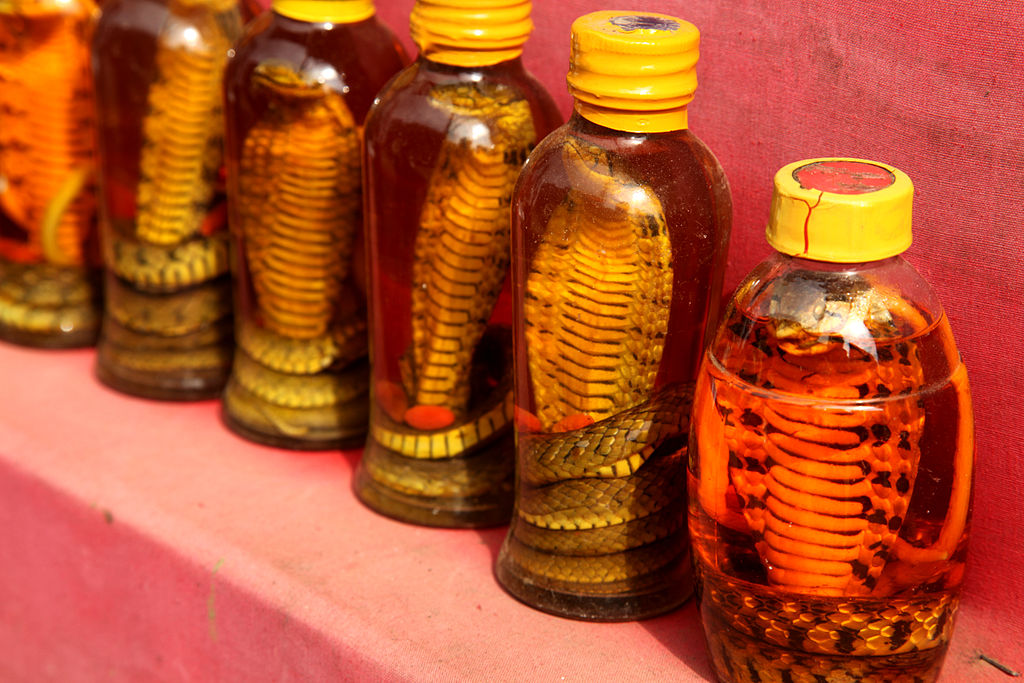
Sears wasn’t shy about carrying miracle cures, including classic “snake oil” products. Promising to fix everything from joint pain to headaches, these tonics played into the era’s fascination with quick fixes. Of course, many didn’t work at all, but that didn’t stop buyers from believing the hype. In hindsight, they seem laughable, but in the 1890s, when access to doctors was limited, these bottles represented hope. It’s a strange reminder of how marketing could make almost anything seem legitimate.
Home Surgery Kits
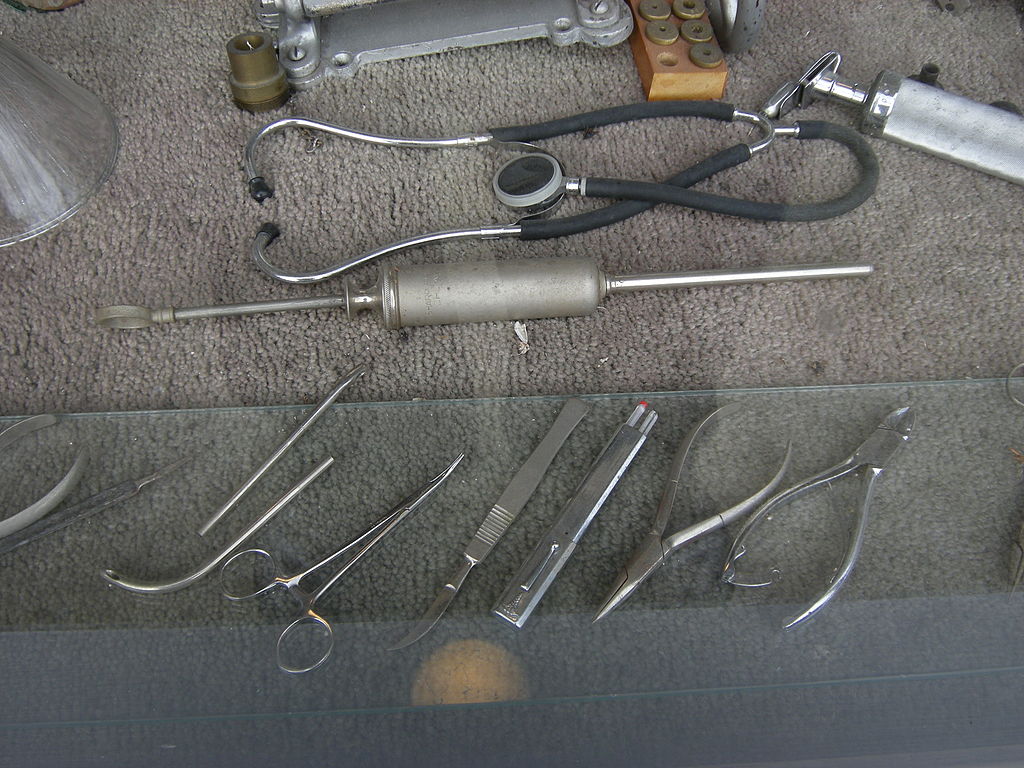
If calling a doctor wasn’t an option, Sears offered home surgery kits. These included scalpels, sutures, and instructions for minor procedures. While the thought of do-it-yourself surgery is terrifying now, back then, rural families often had no choice. These kits gave them some control in emergencies, even if outcomes weren’t always ideal. They may sound morbid today, but in an age before widespread medical access, these kits were seen as lifesavers rather than bizarre catalog oddities.
Mechanical Egg Beaters
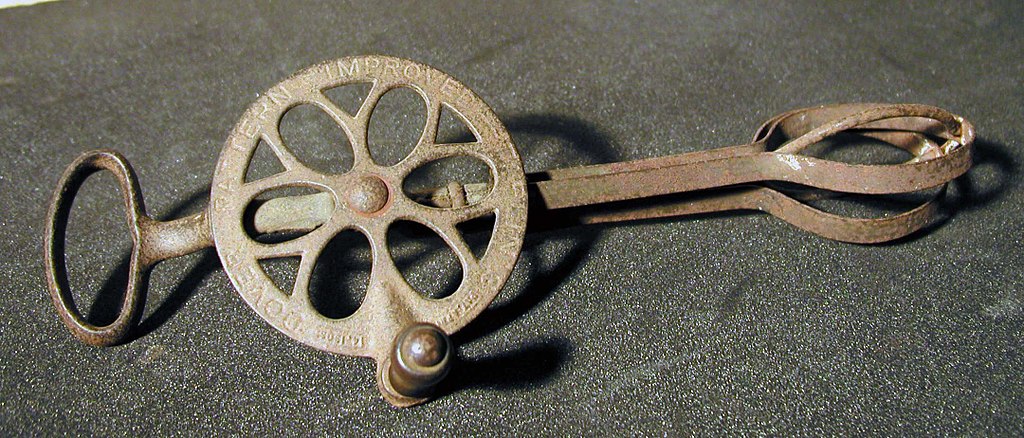
Before electric mixers, mechanical egg beaters were cutting-edge kitchen gadgets. Sears sold hand-cranked beaters that promised to save time and energy. While today they might seem quaint, in the 1890s they represented progress in household technology. Housewives could prepare baked goods more easily, and Sears marketed them as a modern necessity. What feels like a simple utensil now was once a symbol of innovation, proving that even the smallest gadgets could capture attention in the catalog.
Mail-Order Houses
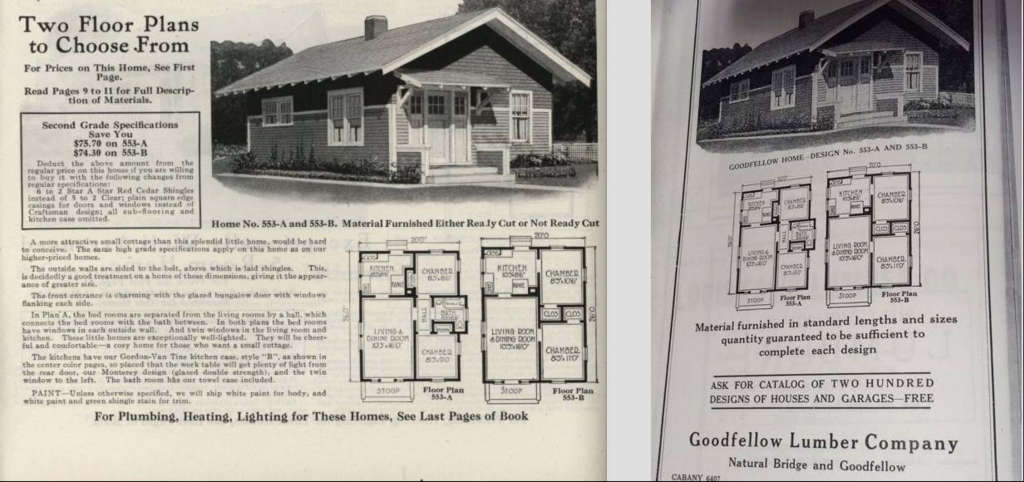
Believe it or not, Sears actually sold entire houses through their catalog. For a set price, families could order all the materials needed to build a home, shipped by rail. While the concept sounds bizarre at first, these kit homes were surprisingly durable, and many are still standing today. The idea of flipping through a catalog and ordering your next house shows just how ambitious Sears was. It turned a shopping catalog into a life-changing purchase for thousands of families.
Leech Kits
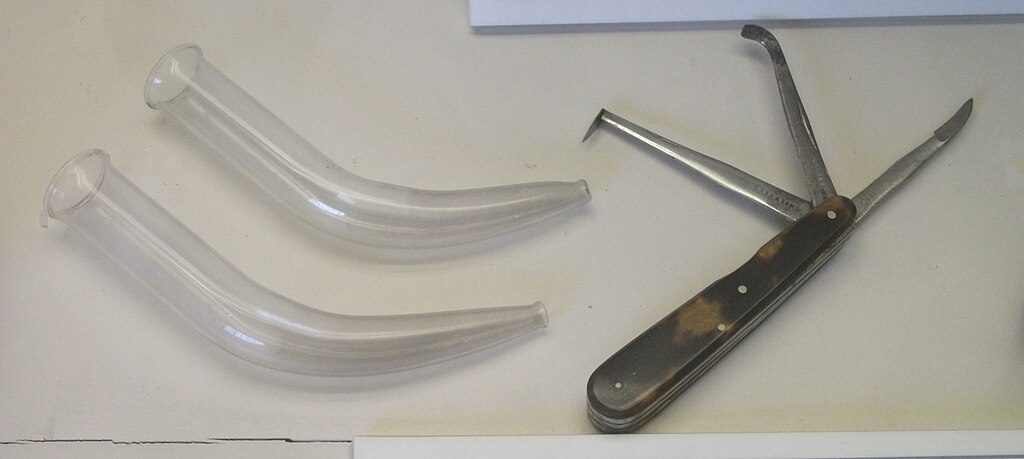
Bloodletting was still a lingering medical practice in the 1890s, and Sears made it easy to try at home with leech kits. The idea was that draining “bad blood” could restore balance and health. While modern medicine sees this as outdated, back then it was taken seriously. Sears’ leech kits were marketed as practical, even respectable tools for home care. Today they feel more like horror props, but in the 1890s they were just another part of the health section.
Self-Playing Violins
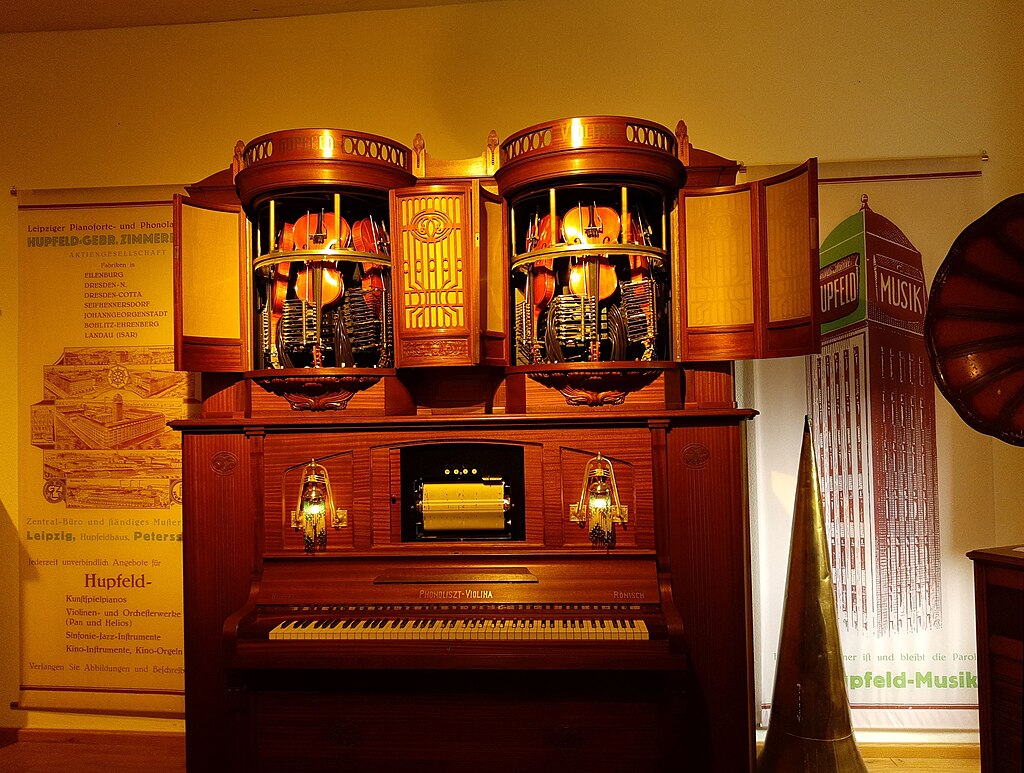
Music was a centerpiece of home entertainment, and Sears catered to this with self-playing violins. These mechanical marvels used clockwork mechanisms to mimic live playing, filling living rooms with music at the turn of a crank. While they lacked the soul of a real performance, they fascinated buyers who wanted convenience. It’s easy to imagine families being amazed by this novelty, even if it sounds strange now. For many, it was the 1890s version of a high-tech home entertainment system.
Medicinal Whiskey
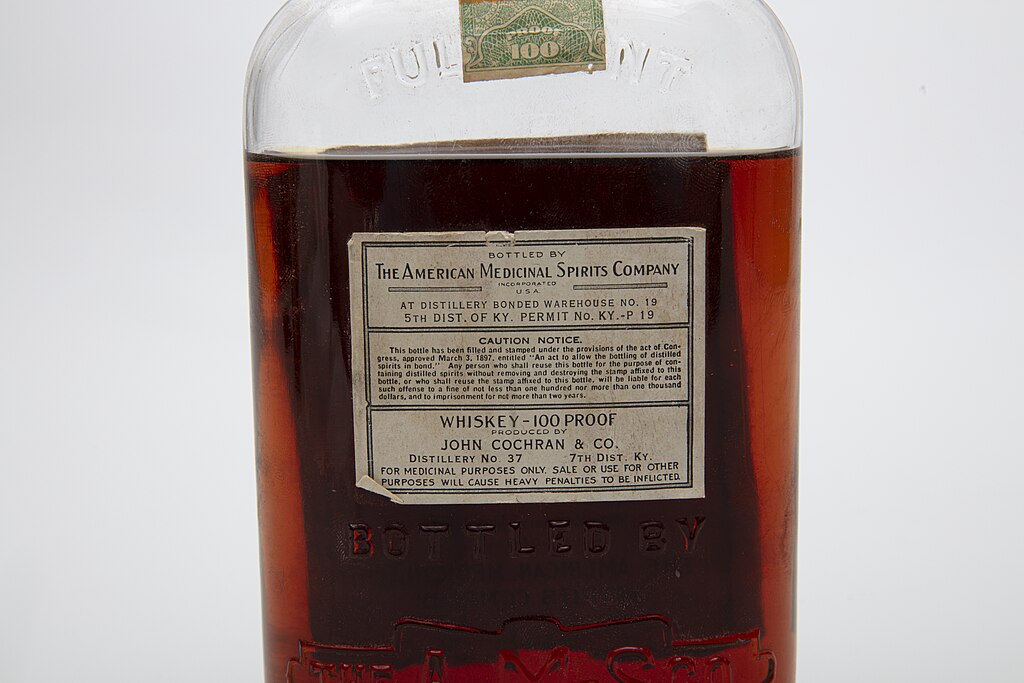
In the 1890s, whiskey wasn’t just for drinking, it was marketed as medicine. Sears catalogs offered bottles labeled for “medicinal purposes,” said to cure colds, calm nerves, and ease pain. Families could order it like they would aspirin today. While it’s easy to laugh at the idea of whiskey as medicine, it was a common household remedy of the time. These catalog sales highlight how different attitudes toward health and wellness were more than a century ago.
Harness Polish

For a horse-powered world, harness polish was a must-have. Sears sold bottles of polish to keep leather harnesses shiny and long-lasting. Today it might feel niche or unnecessary, but in the 1890s, where horses were the backbone of transportation and farming, this was a practical product. Sears knew its audience well, offering everyday maintenance items right alongside its stranger goods. Harness polish may not be flashy, but it reveals the very real priorities of the time.
Coal-Powered Irons

Forget electric irons, Sears sold irons heated by coal. These heavy, soot-producing devices made laundry day a workout. Housewives had to carefully manage heat by stuffing hot coals inside, balancing between too cold and scorchingly hot. While dangerous and clunky by today’s standards, they were considered an upgrade from open-fire heating. Coal irons were just one example of how 1890s households embraced innovation that seems bizarre and risky through a modern lens but felt essential then.
False Teeth Mail Orders
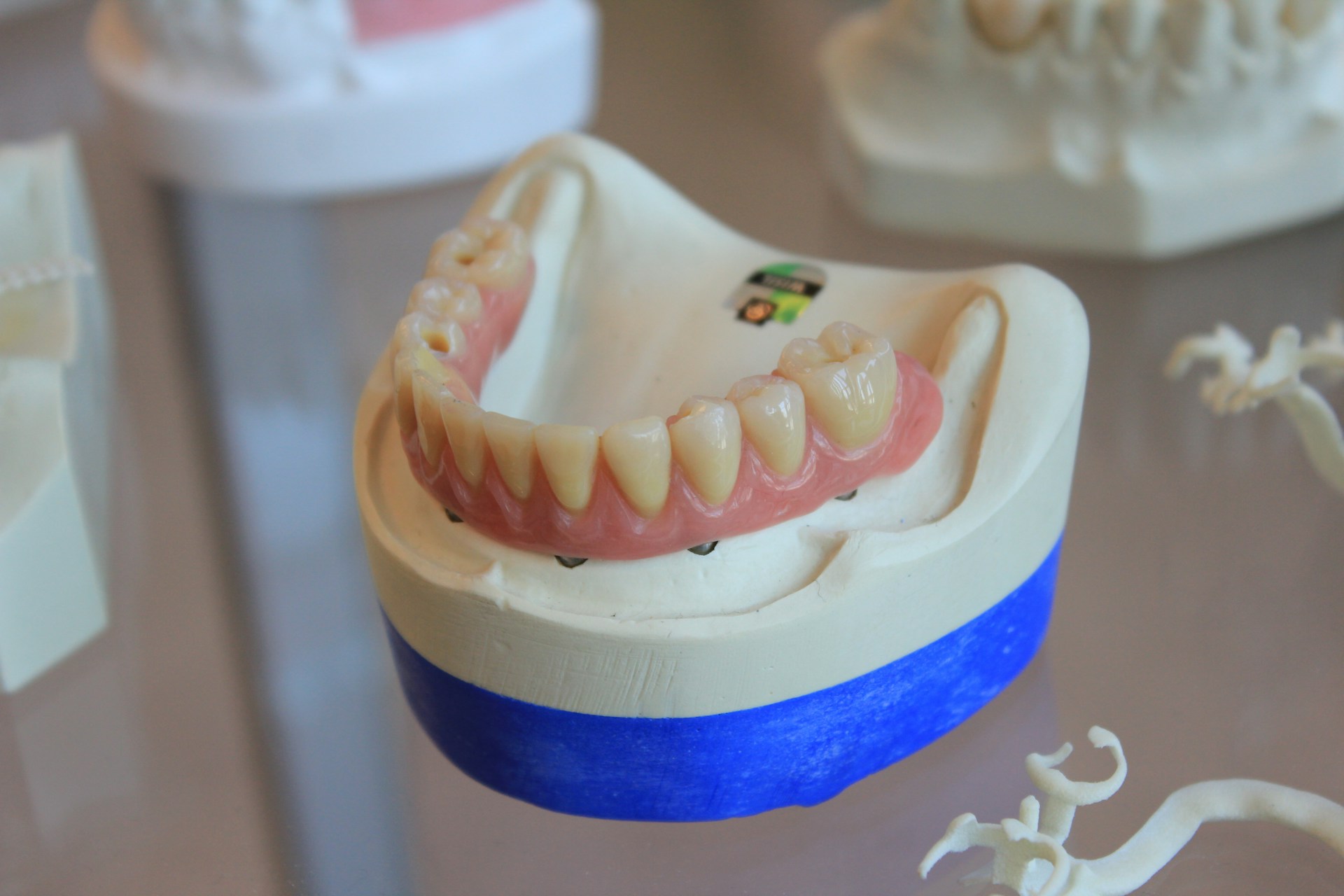
Dental care wasn’t widespread, so Sears offered mail-order false teeth. Customers could measure their mouths and send for ready-made dentures, delivered by post. While the idea of ordering teeth through a catalog might seem ridiculous, it was a practical solution for many. Dentures were expensive at the dentist, but Sears democratized access. It’s one of those products that straddled the line between bizarre and brilliant, offering comfort and confidence to people who had limited options otherwise.
Goat-Drawn Carts for Kids
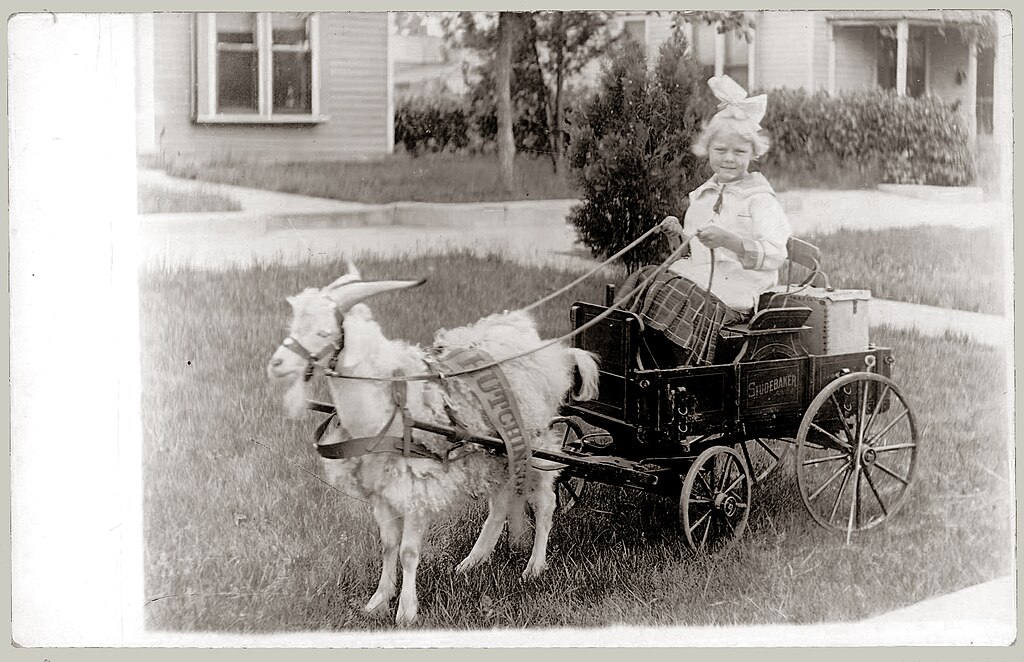
As quirky as it sounds, Sears actually sold small carts designed to be pulled by goats for children’s play. Marketed as wholesome outdoor fun, these carts reflected the rural lifestyle of many customers. While it may raise eyebrows now, at the time it was considered charming entertainment. It shows how Sears wasn’t just about practical goods, they also catered to family leisure. Goat-drawn carts may seem bizarre, but they capture the unique mix of practicality and play in the 1890s.
The Sears catalog of the 1890s wasn’t just a shopping book, it was a glimpse into the hopes, struggles, and curiosities of its time. Some items feel laughable now, while others remind us of just how creative and resourceful people had to be. From bizarre cures to forward-thinking inventions, these buys shaped everyday life in surprising ways. Looking back, it’s clear the Sears catalog was more than a store, it was a cultural time capsule of a rapidly changing America.