From sacred earthworks to modern cultural festivals, Native American heritage is preserved in sites that tell stories spanning thousands of years. These places are not only historically important but also deeply enriching for families, offering opportunities to learn, reflect, and celebrate Indigenous culture. Walking through ancient mounds, viewing cliff dwellings, or participating in powwows creates meaningful connections between generations. Exploring these sites together helps families understand the resilience, creativity, and traditions of Native peoples that continue to shape the United States today.
National Museum of the American Indian, Washington D.C. and New York City
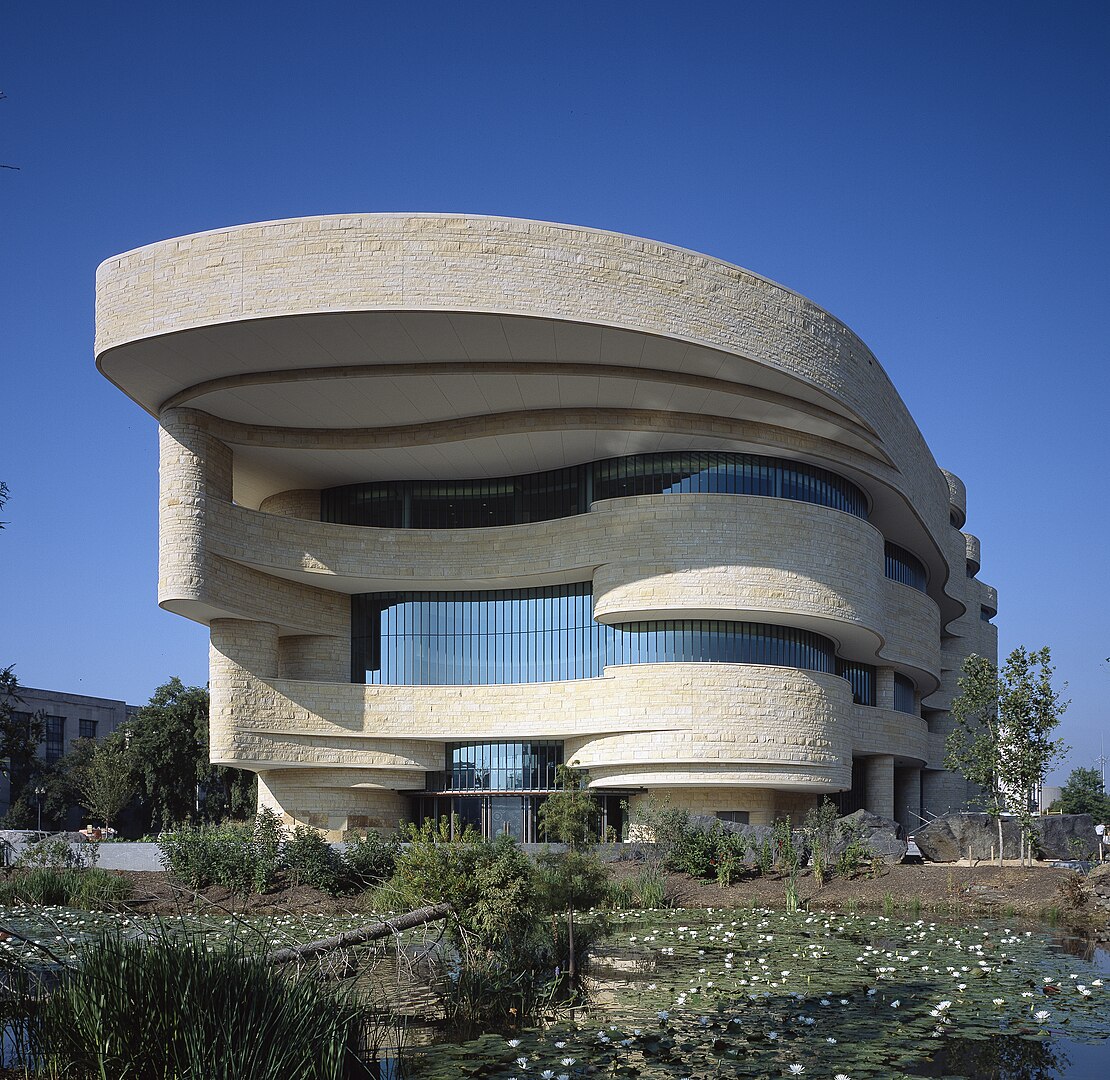
The Smithsonian’s National Museum of the American Indian offers one of the most comprehensive views of Indigenous culture anywhere in the world. Its collections highlight over 1,000 tribes, showcasing artifacts, art, and ceremonial objects spanning 12,000 years. For families, the museum’s interactive exhibits, films, and storytelling sessions bring Native traditions to life in ways that children can understand. The architectural design itself, inspired by wind, water, and stone, sets the tone for an immersive experience. With locations in Washington D.C. and New York City, it provides an accessible starting point for exploring Native heritage.
Cahokia Mounds, Illinois
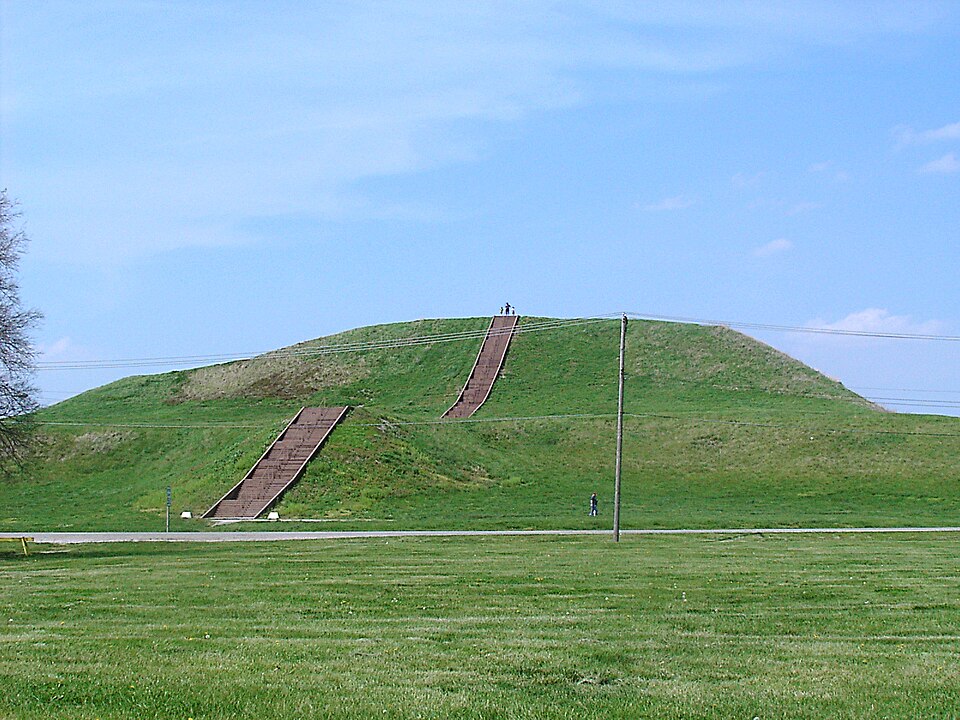
Cahokia Mounds is a UNESCO World Heritage Site and was once the largest city in North America before European colonization. Around 1100 AD, it was home to tens of thousands of people who built massive earthen structures, including Monks Mound, which remains the largest of its kind in the Americas. Families can explore the interpretive center, which explains Cahokia’s complex trade networks and social structures. Walking across the site sparks imagination about how this thriving society lived, farmed, and governed. Visiting Cahokia offers a glimpse into an advanced civilization that rivaled major cities of its time.
Hopewell Culture National Historical Park, Ohio
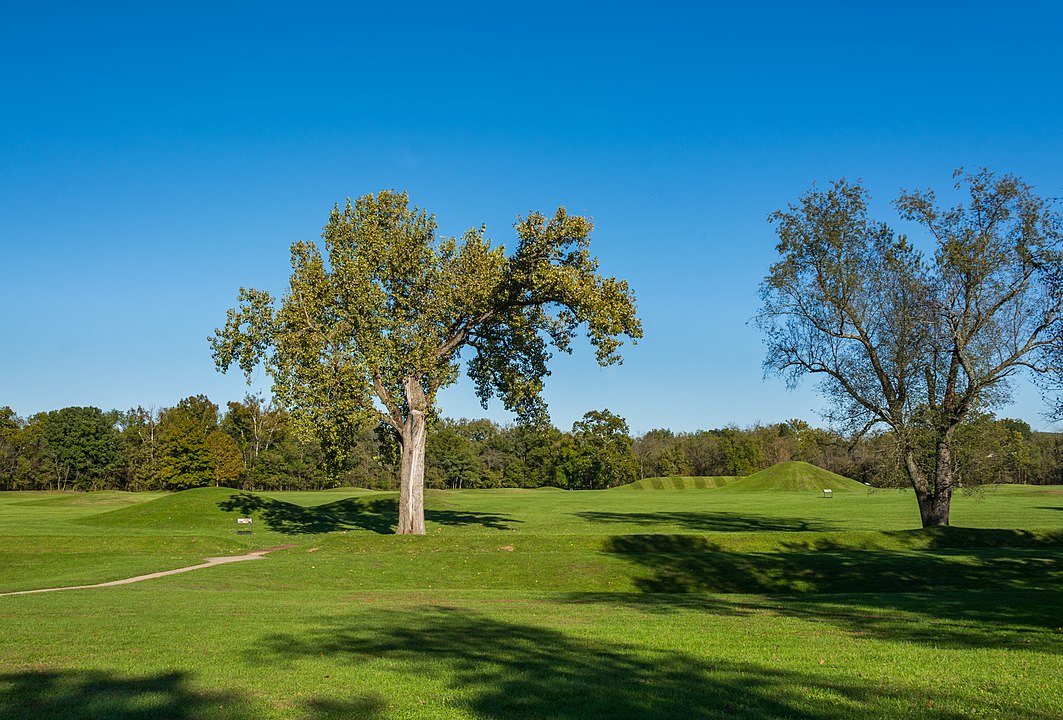
The Hopewell earthworks in Ohio are extraordinary in scale and precision, reflecting both engineering expertise and spiritual practices. Constructed between 200 BC and 500 AD, the geometric shapes, some hundreds of feet across, served as ceremonial and astronomical sites. Families walking the grounds can visualize how the Hopewell people aligned their mounds with celestial events like solstices and lunar cycles. Exhibits at the visitor center highlight the artifacts and tools uncovered during excavations, connecting families to the creativity of this ancient culture. It is a place where history, science, and spirituality intertwine.
Ocmulgee Mounds National Historical Park, Georgia
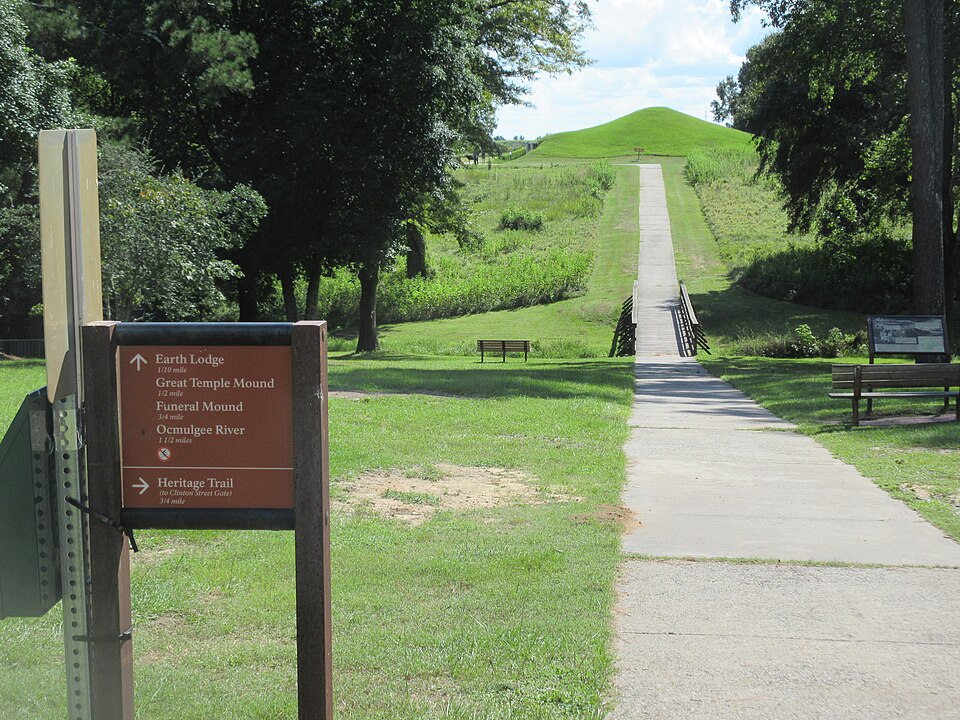
The Ocmulgee Mounds tell the story of over 12,000 years of human habitation, making it one of the most continuously occupied sites in North America. Families can explore the Great Temple Mound and the reconstructed Earth Lodge, whose original clay floor dates back more than 1,000 years. Trails wind through wetlands and forests, offering both natural beauty and cultural immersion. The park also hosts an annual Ocmulgee Indian Celebration, which brings together Native communities to share music, storytelling, and traditional crafts. For families, the site provides both an educational and festive way to engage with Indigenous history.
Palatki Heritage Site, Arizona
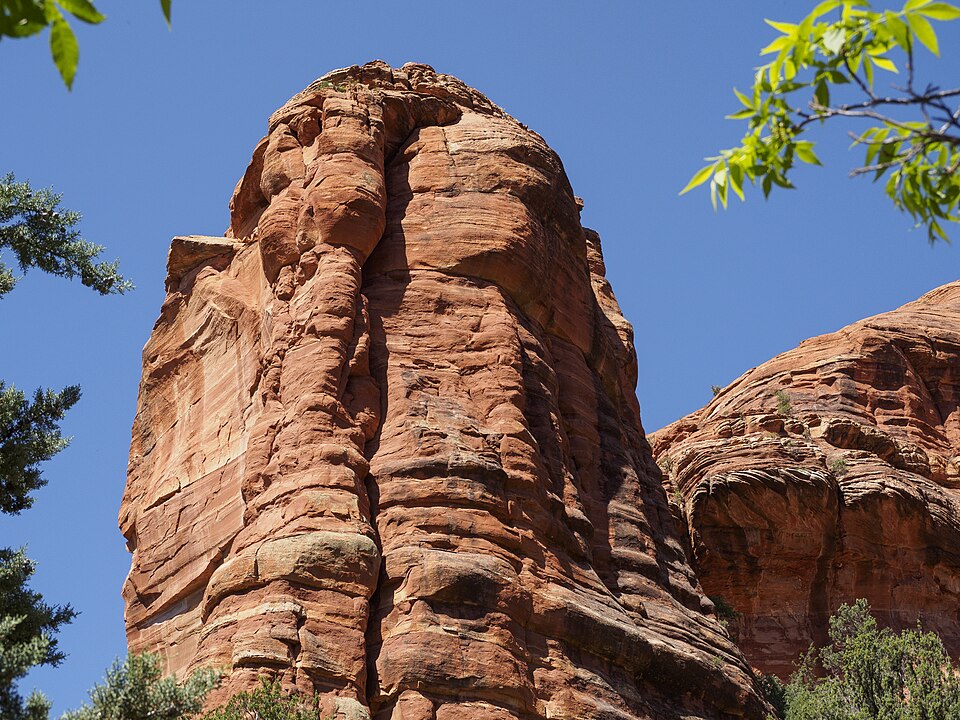
Near Sedona, the Palatki Heritage Site preserves cliff dwellings and rock art created by the Sinagua people. Guided tours lead families through pueblos built into red sandstone cliffs, where daily life unfolded centuries ago. The pictographs, some possibly dating back over 2,000 years, remain a vivid form of storytelling and symbolism. For children, seeing the rock art sparks conversations about communication and creativity before modern tools. The combination of dramatic desert scenery and cultural history makes Palatki a powerful site for family exploration.
Chaco Culture National Historical Park, New Mexico
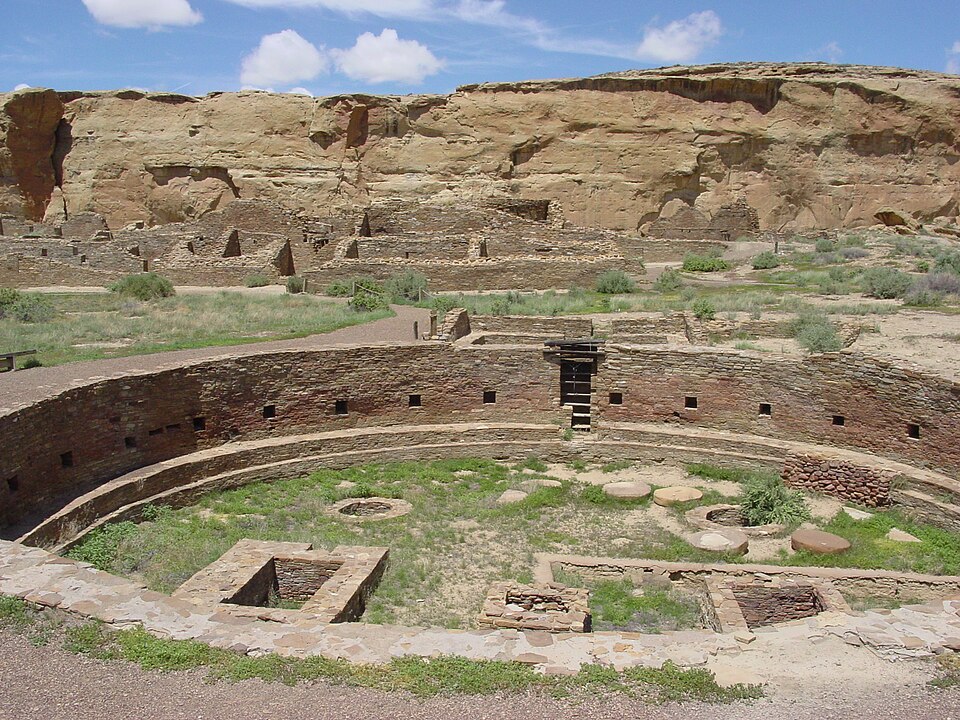
Chaco Canyon was a major center of Ancestral Puebloan culture, thriving between 850 and 1250 AD. Families visiting the site can explore monumental buildings like Pueblo Bonito, a multi-story structure with over 600 rooms. The park’s guided programs explain how Chacoans created a network of roads and aligned their structures with astronomical events such as equinoxes and solstices. Its remote location, far from city lights, also makes it one of the best stargazing sites in the country. For families, the combination of history, science, and nature creates a truly memorable experience.
Kinishba Ruins, Arizona
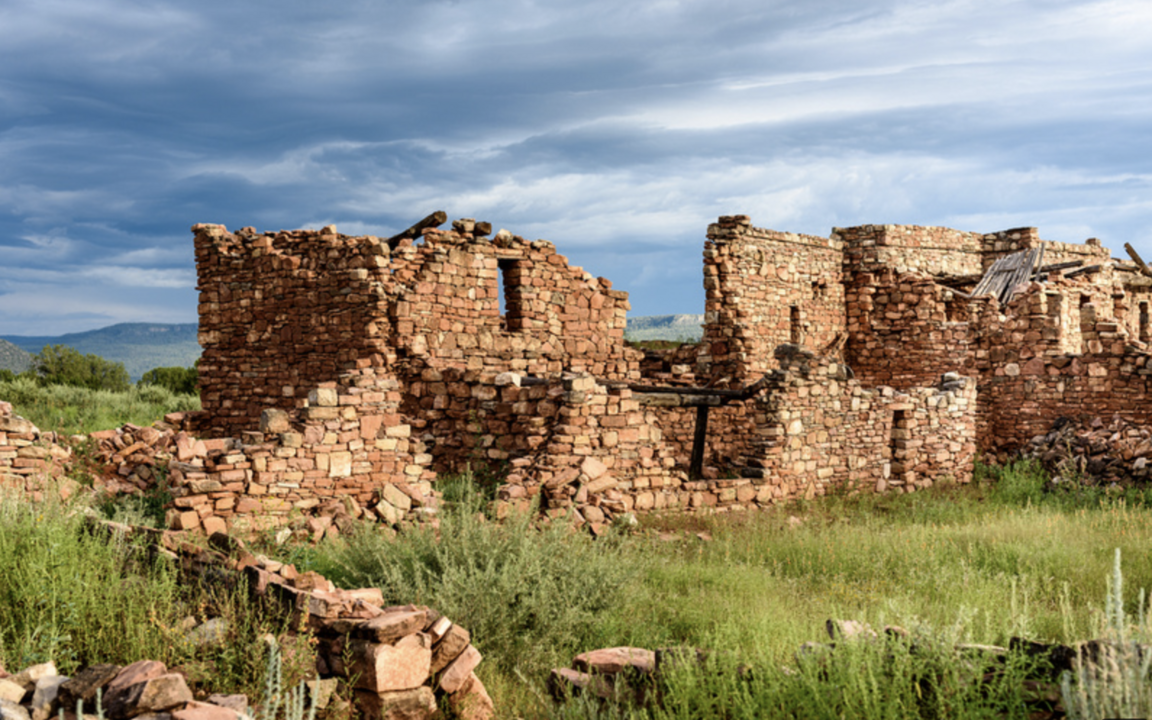
The Kinishba Ruins represent a 600-room pueblo that flourished between 1250 and 1350 AD. Families can walk through its expansive layout, imagining the lives of the Mogollon and Ancestral Puebloan people who lived there. The White Mountain Apache Tribe oversees the site today, preserving both its physical structures and its cultural significance. The small museum on-site provides context with artifacts and stories about daily life, craftsmanship, and spirituality. For families, the ruins provide a hands-on way to explore heritage while supporting tribal-led preservation efforts.
Stewart Indian School Cultural Center and Museum, Nevada
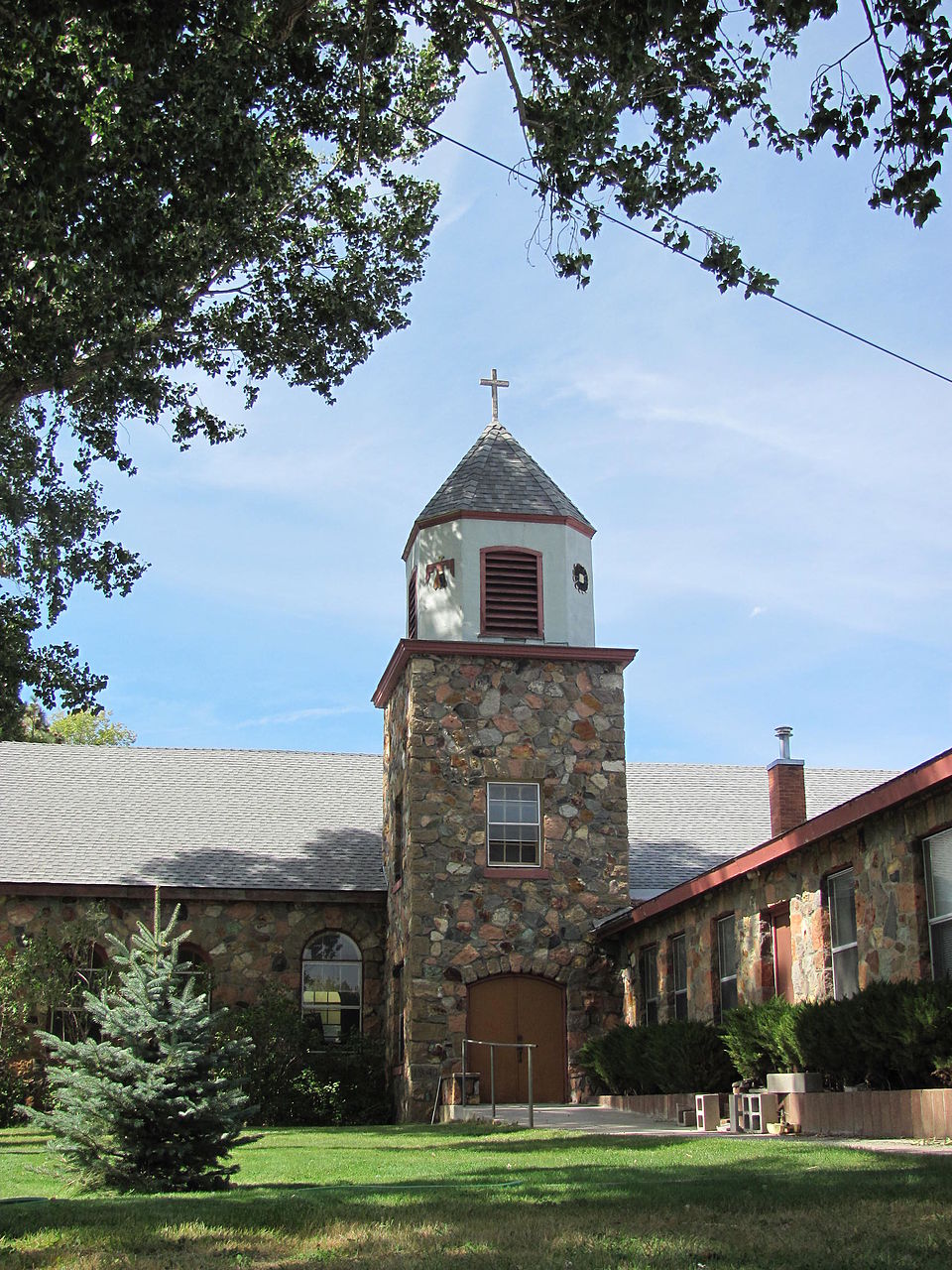
The Stewart Indian School in Nevada offers families an opportunity to reflect on a painful but important chapter in American history. Operating from 1890 to 1980, it was one of many government-run boarding schools where Native children were forced to abandon their languages and traditions. Today, the museum tells their stories through photographs, artifacts, and oral histories, highlighting both suffering and resilience. Walking through the campus, families can understand the impact of assimilation policies and the strength of Native communities in reclaiming their heritage. It provides a vital lesson in empathy, healing, and historical awareness.
Gathering of Nations Powwow, Albuquerque, New Mexico

The Gathering of Nations is the largest powwow in North America, bringing together more than 700 tribes every spring. Families attending can experience drumming competitions, vibrant regalia, traditional dances, and authentic Native foods. Vendors and artisans share crafts and jewelry, offering a chance to support Indigenous businesses. For children, the powwow is both fun and educational, providing a living connection to traditions that remain strong today. The festival is a celebration of survival, resilience, and community that welcomes all ages.
Cherokee Heritage in the Great Smoky Mountains, North Carolina and Tennessee
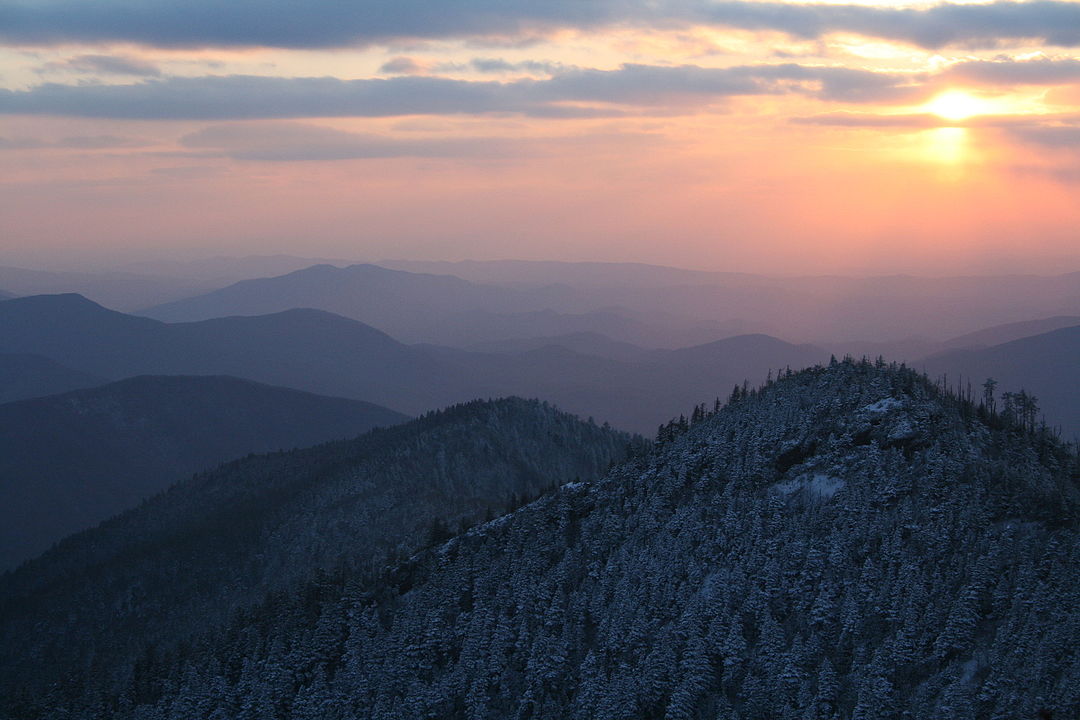
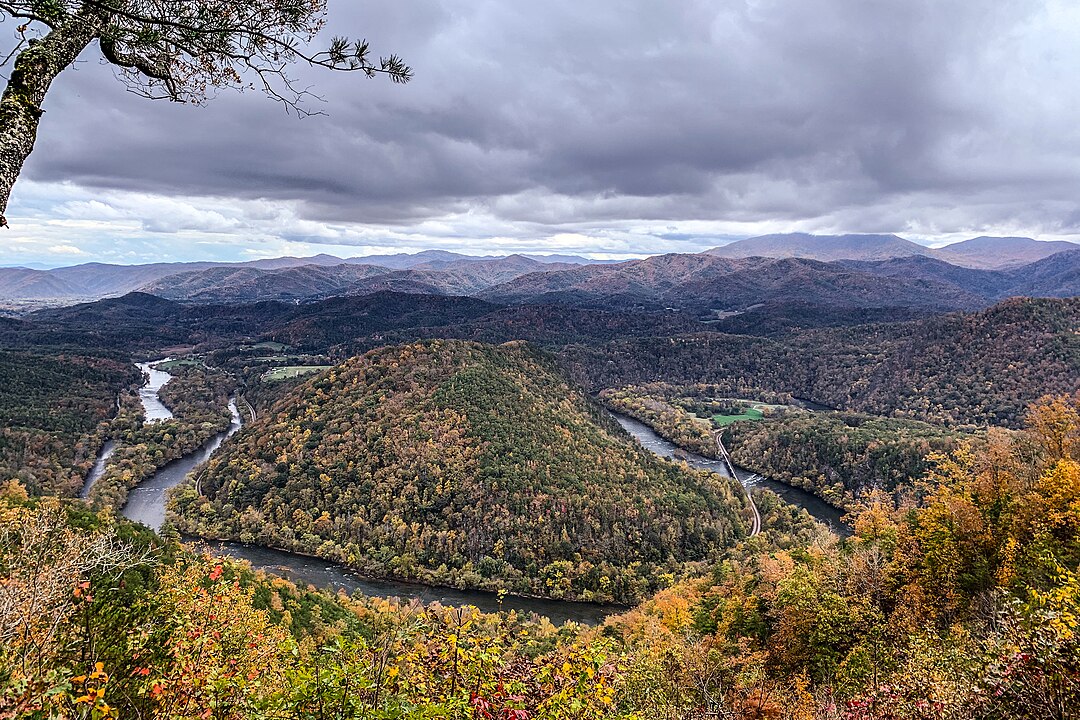
The Great Smoky Mountains are home to the Eastern Band of Cherokee Indians, whose heritage is celebrated in museums, cultural centers, and historic sites. Families can visit the Museum of the Cherokee Indian, watch reenactments in the Oconaluftee Indian Village, or explore artisan shops that keep traditional crafts alive. Interpretive programs teach about the Cherokee syllabary, spiritual beliefs, and struggles during the Trail of Tears. Exploring this region connects families with both natural wonders and cultural resilience. It’s an experience that blends storytelling, history, and the beauty of the mountains.