Weather patterns across the United States are shifting in ways that make extreme heat increasingly common, and meteorologists are already flagging specific cities where residents should prepare for particularly intense conditions this coming summer. These urban areas face a combination of geographic vulnerabilities, urban heat island effects, and climate trends that create perfect conditions for dangerous temperature spikes. Understanding which cities face the greatest risk helps residents prepare both their homes and their daily routines for the challenging months ahead.
The National Weather Service has been tracking temperature trends and atmospheric conditions that suggest these nine metropolitan areas will experience heat levels that go beyond typical summer warmth, potentially reaching record breaking temperatures that pose serious health risks to vulnerable populations. What makes these predictions particularly concerning is that many of these cities have aging infrastructure and limited green space, factors that amplify heat retention and reduce natural cooling.
Phoenix, Arizona
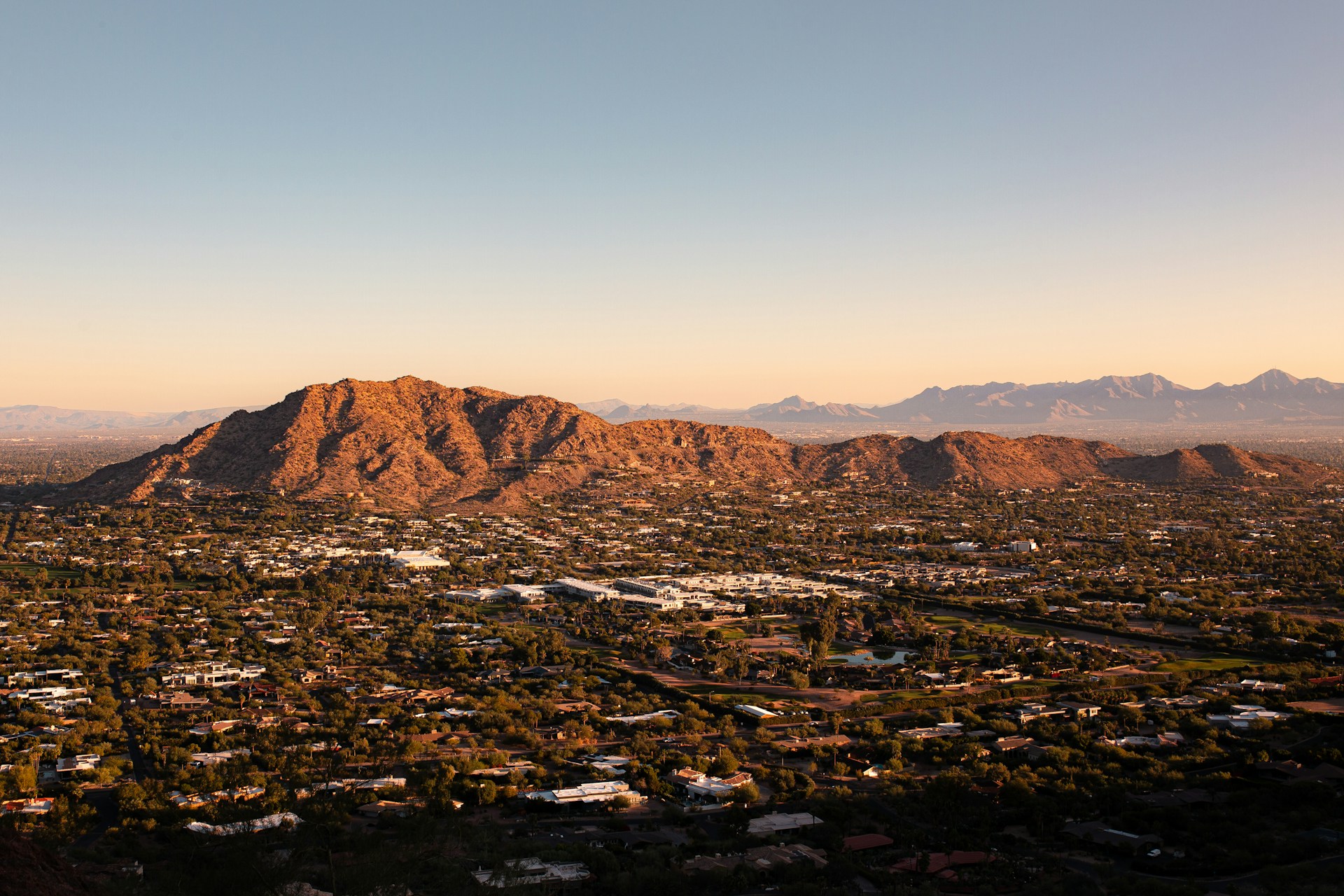
Phoenix stands out as the city most likely to experience extreme and prolonged heat events this summer, with meteorologists predicting temperatures could exceed 115 degrees Fahrenheit for multiple consecutive days. The desert metropolis has been breaking its own heat records year after year, and the urban sprawl has created a massive heat island that traps warm air and prevents nighttime cooling.
Residents often underestimate how much water they need during these extreme conditions, and medical professionals recommend drinking water before feeling thirsty and keeping electrolyte supplements readily available throughout the day. The concrete and asphalt that cover most of Phoenix absorb solar radiation during daylight hours and continue radiating heat well into the night, creating conditions where temperatures might not drop below 90 degrees even at 3 AM. City officials have been expanding cooling centers and urging residents to check on elderly neighbors, as heat related hospitalizations typically spike when temperatures remain elevated for several days straight.
Las Vegas, Nevada
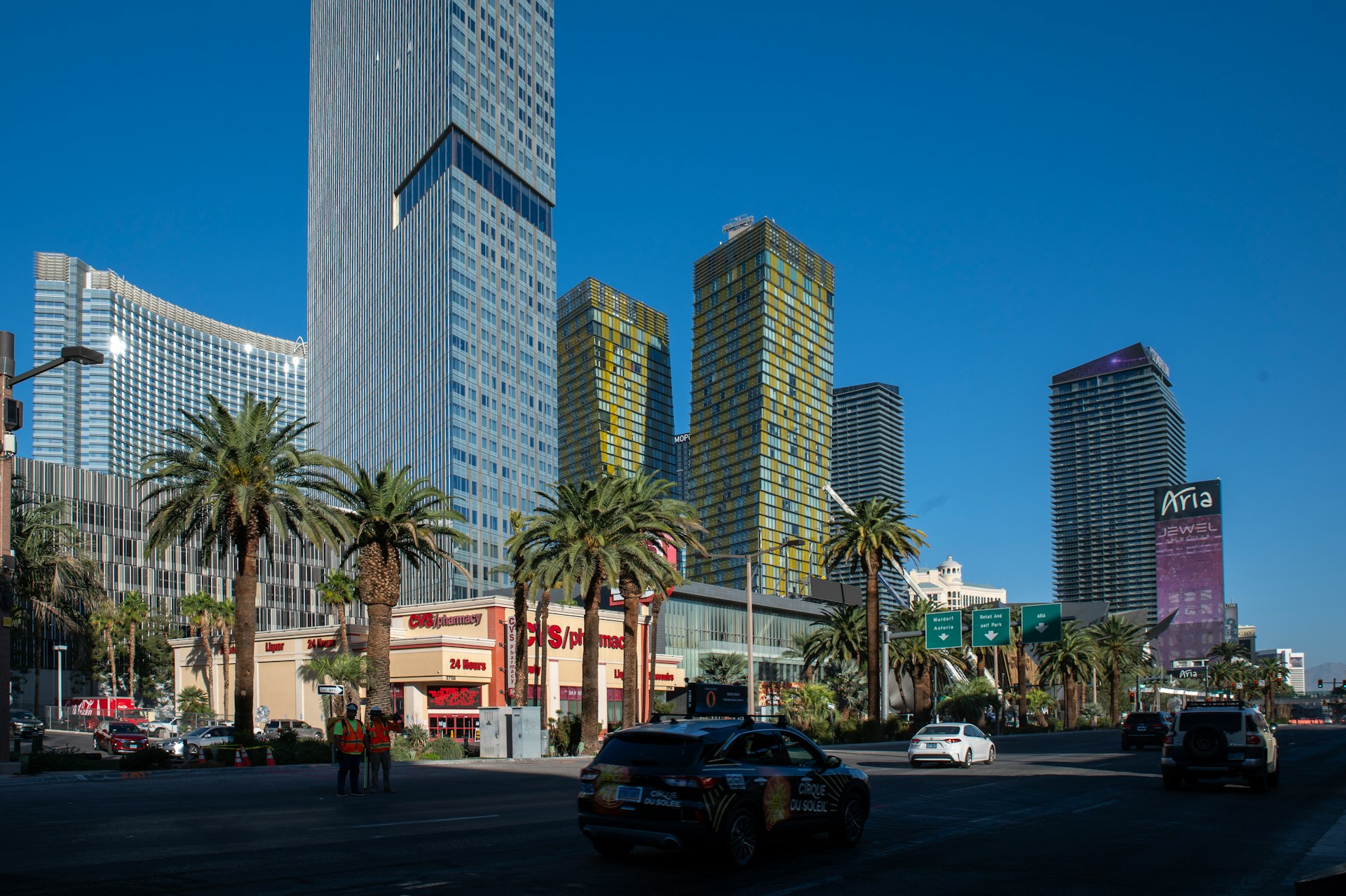
Las Vegas faces unique challenges with summer heat because the entertainment district operates around the clock, drawing tourists who often arrive unprepared for desert conditions that can reach 118 degrees. The combination of intense sun, minimal shade, and crowds of people creates particularly dangerous conditions along the Strip, where concrete and glass buildings amplify the already extreme temperatures.
Locals know to schedule outdoor activities before sunrise or after sunset, but visitors frequently underestimate the risks and end up requiring medical attention for heat exhaustion. The city has been installing misting systems and shade structures in public areas, though these measures provide only temporary relief when temperatures soar past 110 degrees for weeks at a time. Emergency room doctors report seeing a sharp increase in heat related illnesses among tourists who spend hours walking outdoors without adequate hydration or sun protection, mistakenly believing that the dry desert air makes the heat more tolerable than humid climates.
Dallas, Texas
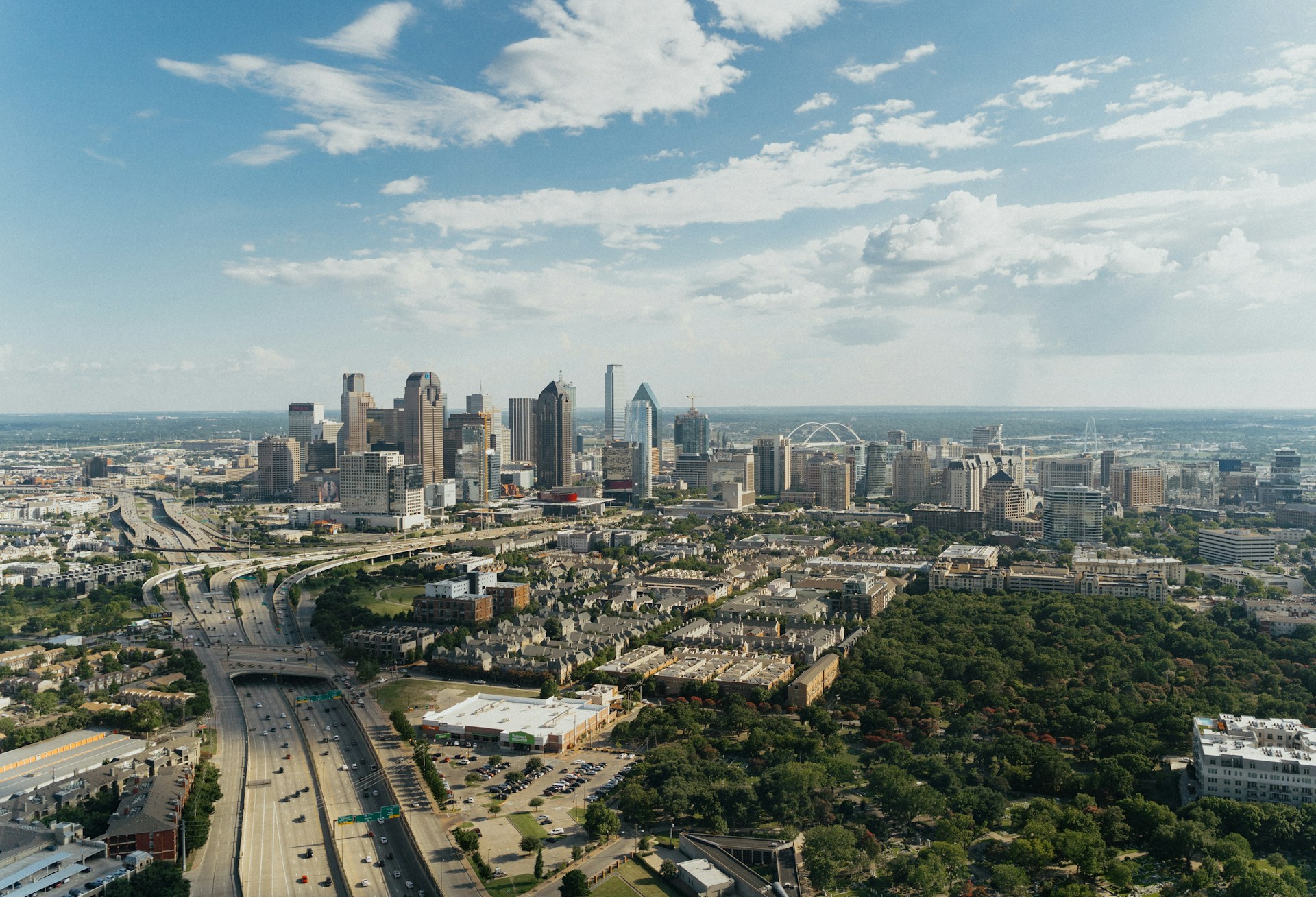
Dallas combines scorching temperatures with humidity levels that make the heat feel even more oppressive, creating conditions where the heat index regularly exceeds 110 degrees during peak summer months. The sprawling metroplex lacks the tree coverage that once provided natural cooling, as rapid development has replaced green spaces with parking lots and buildings that absorb and radiate heat. Residents have learned to adjust their schedules around the heat, with many businesses opening earlier and closing during the hottest afternoon hours when air conditioning systems struggle to keep up with demand.
The power grid faces enormous strain during these heat events, and rolling blackouts become a real possibility when everyone runs their cooling systems at maximum capacity simultaneously. Health officials emphasize that people working outdoors need to take breaks every 20 minutes when temperatures climb above 100 degrees, as the combination of heat and humidity prevents sweat from evaporating effectively, reducing the body’s natural cooling mechanism.
Houston, Texas
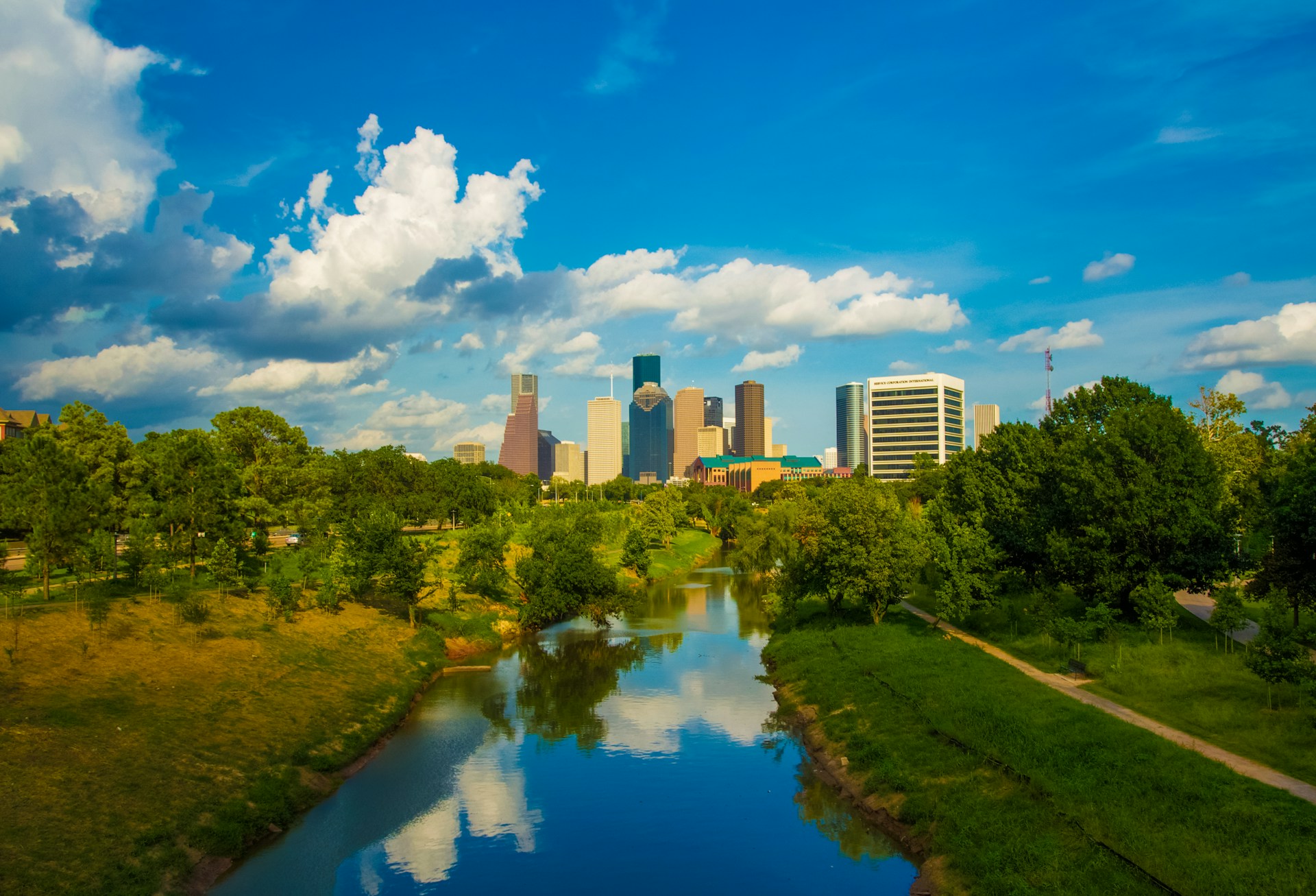
Houston’s proximity to the Gulf of Mexico creates a particularly dangerous combination of extreme heat and suffocating humidity that makes summer conditions feel almost unbearable for extended periods. The city’s vast network of concrete highways and industrial facilities creates multiple heat islands throughout the metropolitan area, with some neighborhoods experiencing temperatures 10 degrees higher than surrounding rural areas.
Medical professionals warn that Houston’s humid heat poses greater health risks than dry heat because the moisture in the air prevents perspiration from evaporating, making it harder for bodies to regulate temperature naturally. The city has been painting roofs white and planting trees along major thoroughfares, though these efforts will take years to show significant impact on local temperatures. Residents have adapted by installing whole house generators to ensure air conditioning continues during power outages, as even a few hours without cooling during peak summer heat can transform homes into dangerous ovens that retain heat long after the sun sets.
Miami, Florida
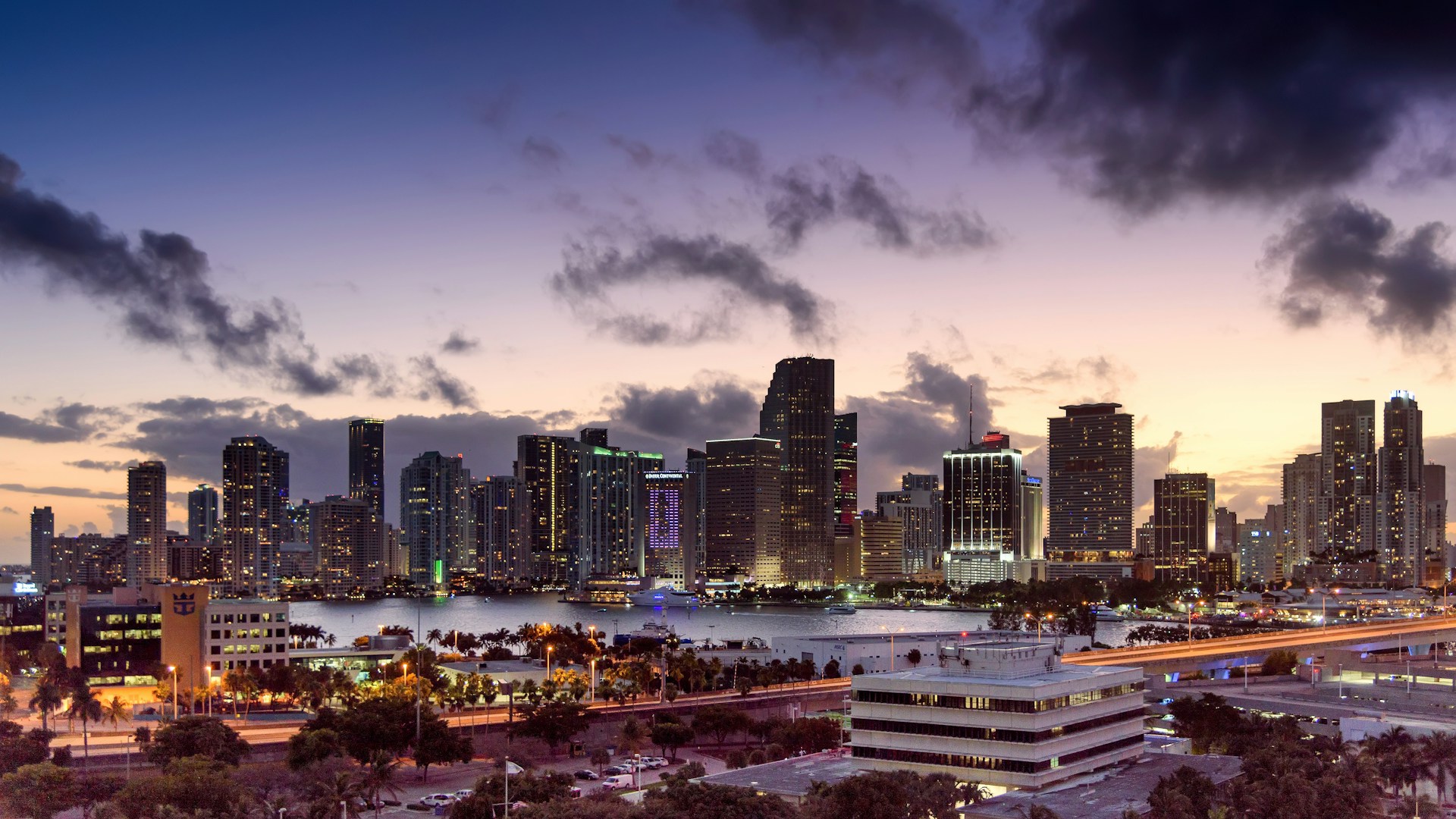
Miami faces an increasingly severe combination of rising temperatures and tropical humidity that creates heat index values reaching dangerous levels even when actual temperatures remain in the low 90s. The city’s location between the Atlantic Ocean and the Everglades means that cooling sea breezes often bring moisture rather than relief, creating a steam bath effect that makes outdoor activity exhausting and potentially dangerous. Construction workers and outdoor laborers start their shifts at 4 AM to complete as much work as possible before the sun transforms the city into an outdoor sauna by mid morning.
Climate scientists note that Miami experiences fewer extreme temperature spikes than desert cities, but the relentless humidity makes moderate heat feel more oppressive and poses particular risks for people with respiratory conditions who struggle to breathe in the thick, moisture laden air. The elderly population in Miami requires special attention during summer months, as many longtime residents resist using air conditioning due to high electricity costs, creating potentially fatal conditions in apartments that become dangerously hot and humid.
New Orleans, Louisiana
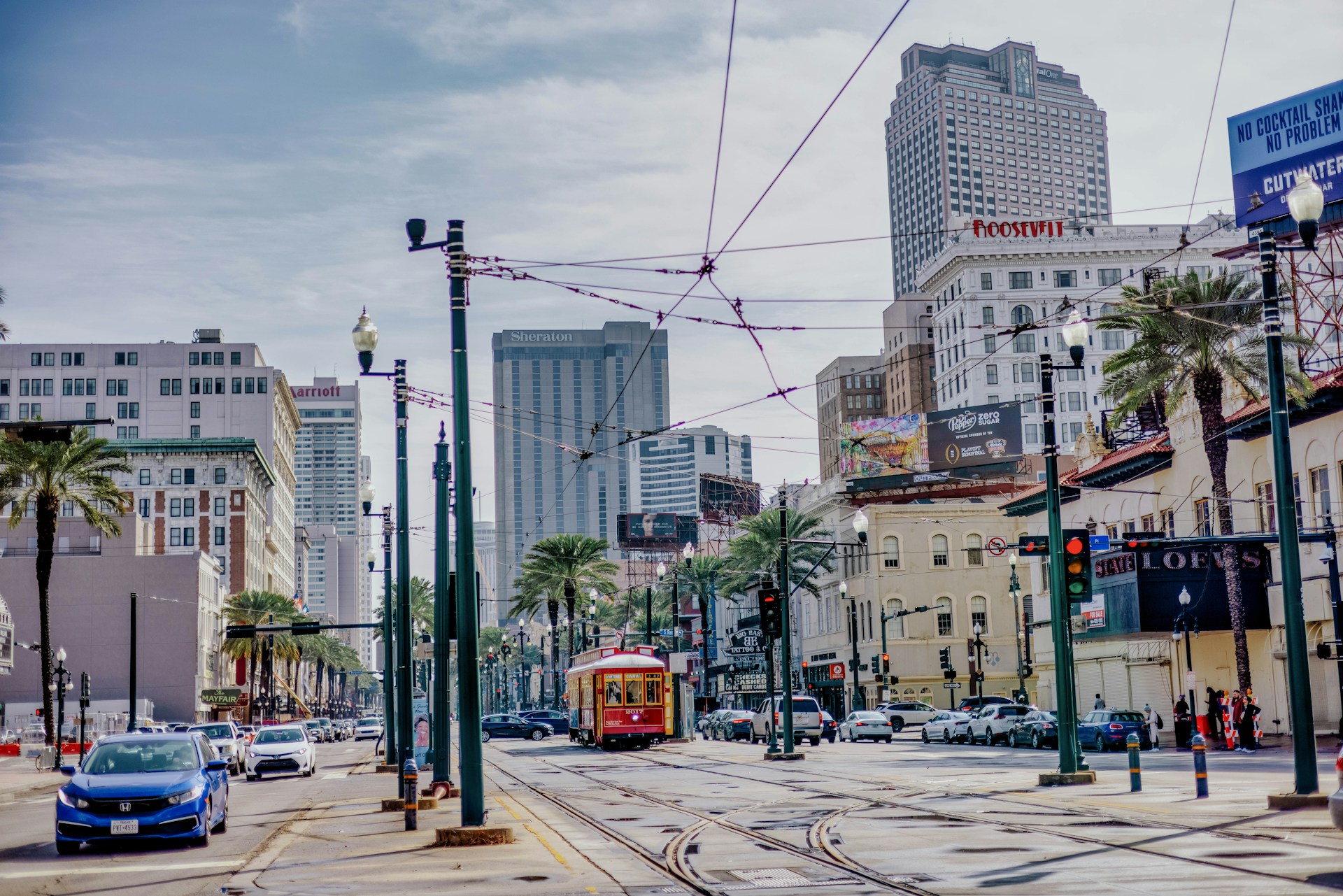
New Orleans combines all the challenges of urban heat with the added burden of being below sea level, which traps hot, humid air and creates some of the most oppressive summer conditions in the nation. The historic French Quarter, with its narrow streets and closely packed buildings, becomes particularly suffocating during heat waves when temperatures climb into the upper 90s and humidity makes it feel closer to 115 degrees.
Musicians and street performers who define the city’s cultural character face serious health risks working outdoors, and many have started carrying portable fans and cooling towels as essential equipment alongside their instruments. The city’s aging housing stock often lacks adequate insulation or modern cooling systems, forcing residents to rely on window units that struggle against the overwhelming heat and humidity while driving electricity bills to unaffordable levels. Emergency management officials have identified heat as a growing threat that rivals hurricanes in terms of potential casualties, particularly in neighborhoods where poverty limits access to cooling and medical care.
Sacramento, California
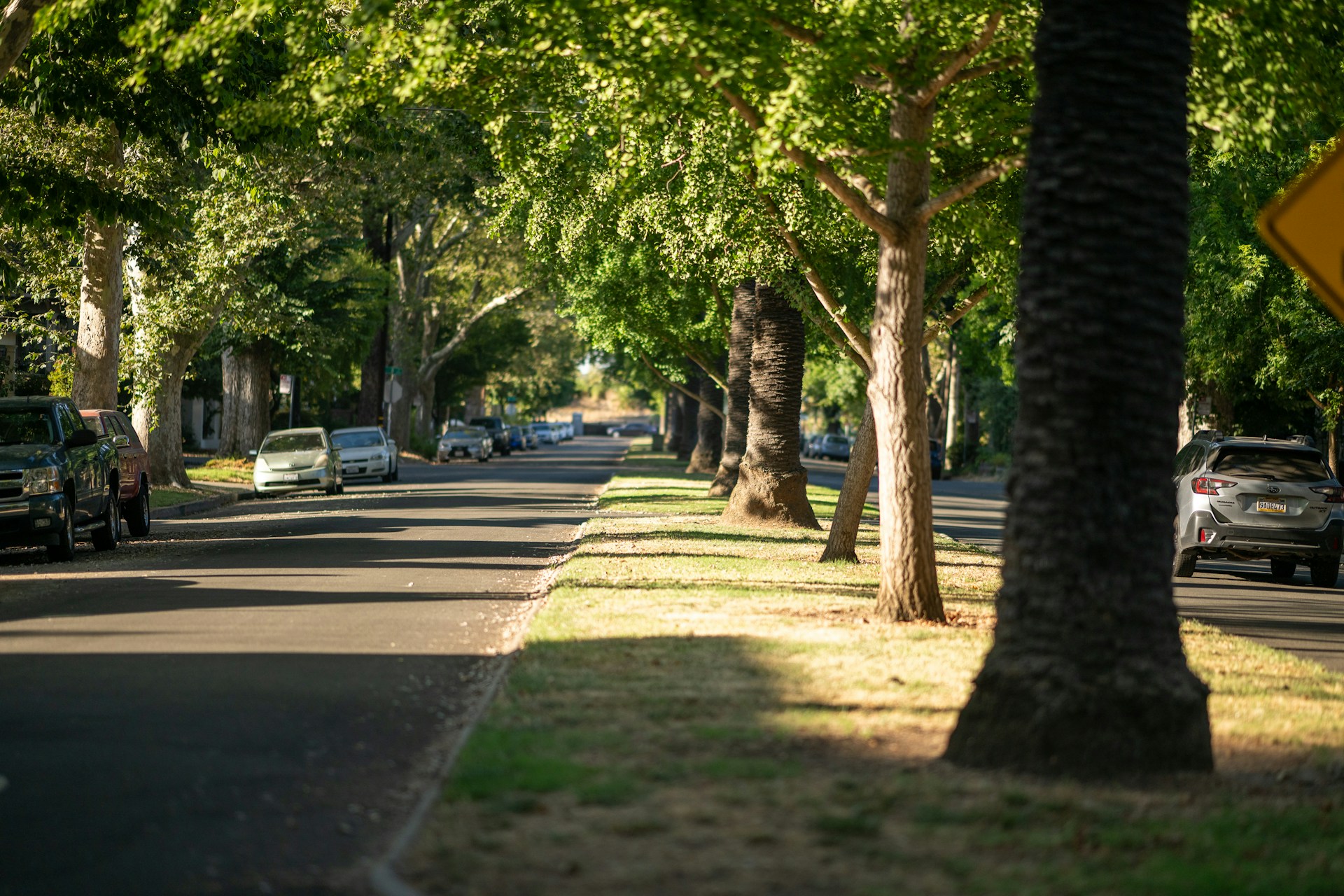
Sacramento Valley acts as a natural heat trap where temperatures regularly soar above 105 degrees for consecutive days while overnight lows barely dip below 70, preventing bodies and buildings from cooling down properly. The agricultural region surrounding the city adds another layer of concern, as farm workers face extreme exposure with limited shade options in vast open fields where temperatures can feel even hotter than official readings. Residents have learned to seal their homes during the day and open windows only during the brief early morning hours when temperatures drop enough to provide some natural cooling before the next heat onslaught begins.
The convergence of two rivers might suggest natural cooling, but these waterways actually increase humidity without providing significant temperature relief, creating muggy conditions unusual for California’s typically dry summer heat. Medical facilities prepare for heat waves like other cities prepare for storms, stocking extra IV fluids and clearing space for the inevitable surge of patients suffering from dehydration and heat stroke.
Atlanta, Georgia
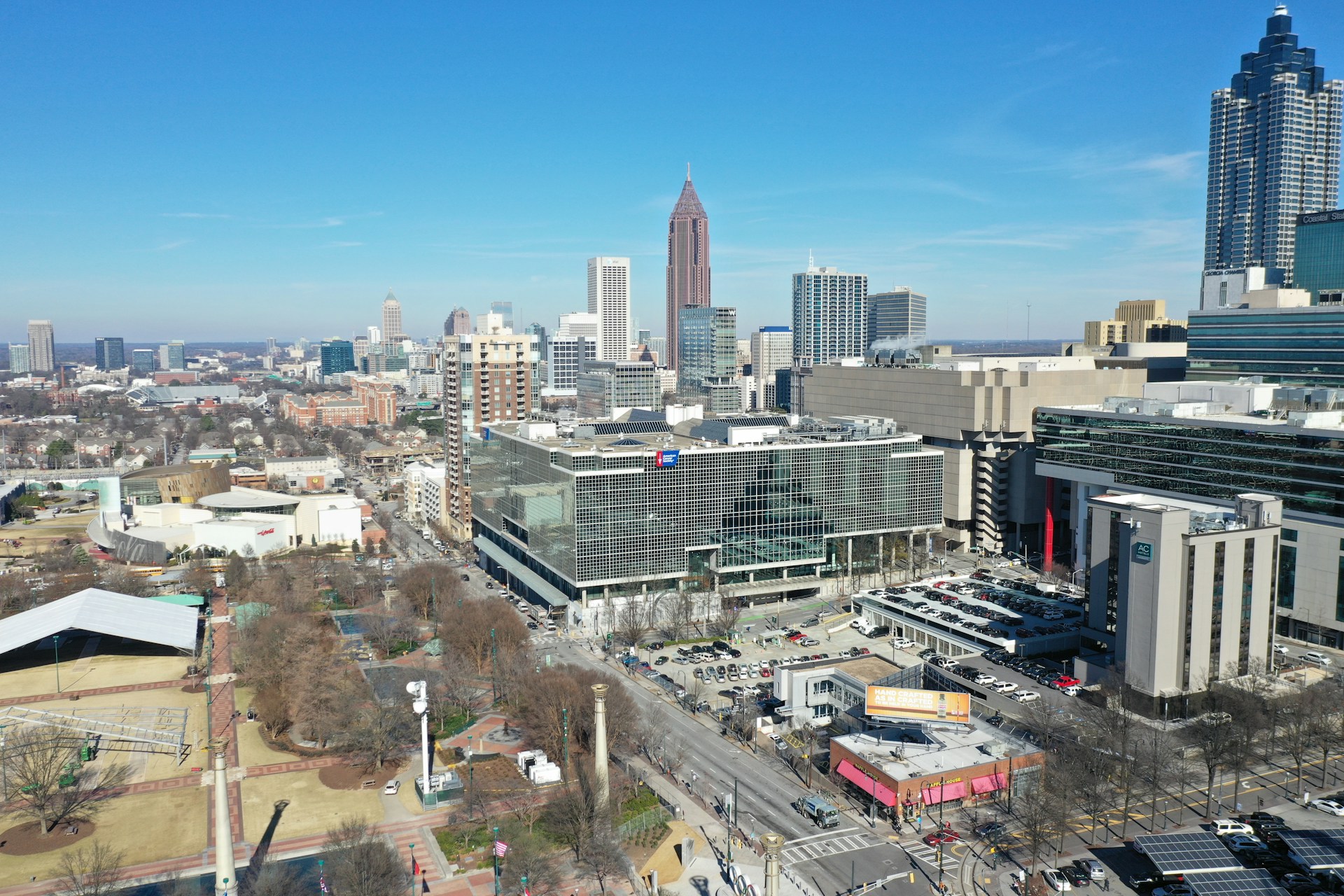
Atlanta’s combination of southern heat, urban sprawl, and limited public transportation creates conditions where residents face dangerous exposure during their daily commutes and routine activities. The city’s famous traffic jams become particularly hazardous during heat waves, as vehicles break down more frequently and people become trapped in overheating cars on highways with no shade or escape routes. The metropolitan area has lost significant tree canopy over recent decades, eliminating natural shade that once provided relief and replacing it with heat absorbing surfaces that make temperatures feel several degrees hotter than official readings.
Cooling centers struggle to accommodate everyone who needs relief, particularly in neighborhoods where residents lack transportation to reach these facilities or cannot afford to leave air conditioned spaces running while away from home. The city’s growing population puts increasing strain on the electrical grid during peak summer months, raising concerns about widespread outages that could leave millions without cooling during the most dangerous heat conditions.
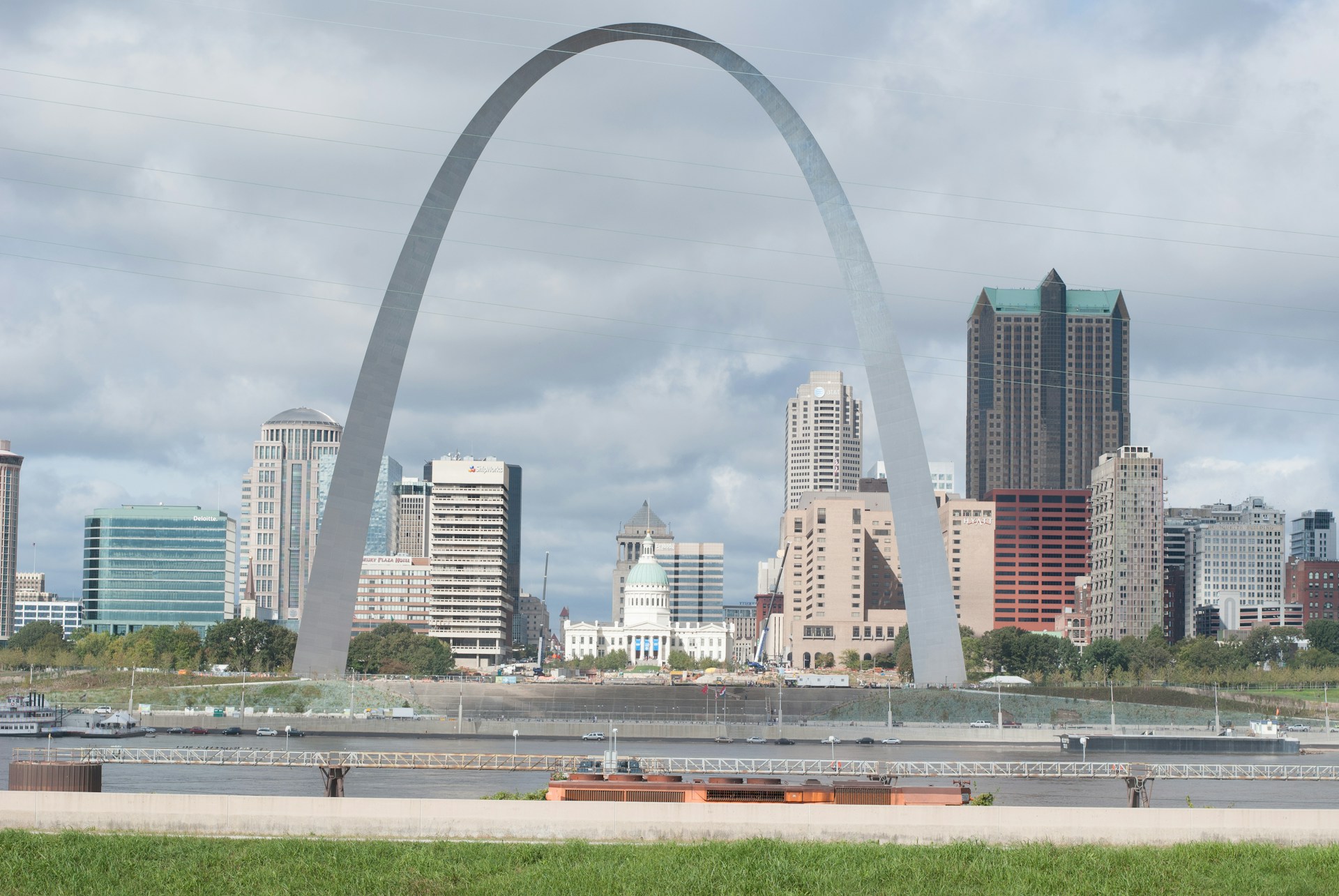
St. Louis, Missouri

St. Louis experiences a particularly dangerous form of continental heat where temperatures spike suddenly and humidity from the Mississippi River creates suffocating conditions that catch residents unprepared after mild spring weather. The city’s brick buildings, while architecturally beautiful, absorb tremendous heat during the day and continue radiating warmth throughout the night, preventing the natural cooling that helps people recover from daytime heat exposure. Meteorologists note that St. Louis often experiences the worst of both worlds, with southwestern heat waves colliding with Gulf moisture to create heat index values that rank among the highest in the nation despite being far from desert or coastal regions.
The urban core lacks adequate green space to provide natural cooling, and many historic neighborhoods feature housing built before air conditioning existed, with designs that trap rather than dissipate heat. Health officials particularly worry about the city’s elderly population living in older apartment buildings where window units provide inadequate cooling and building management may not prioritize maintenance of aging HVAC systems during critical heat events.