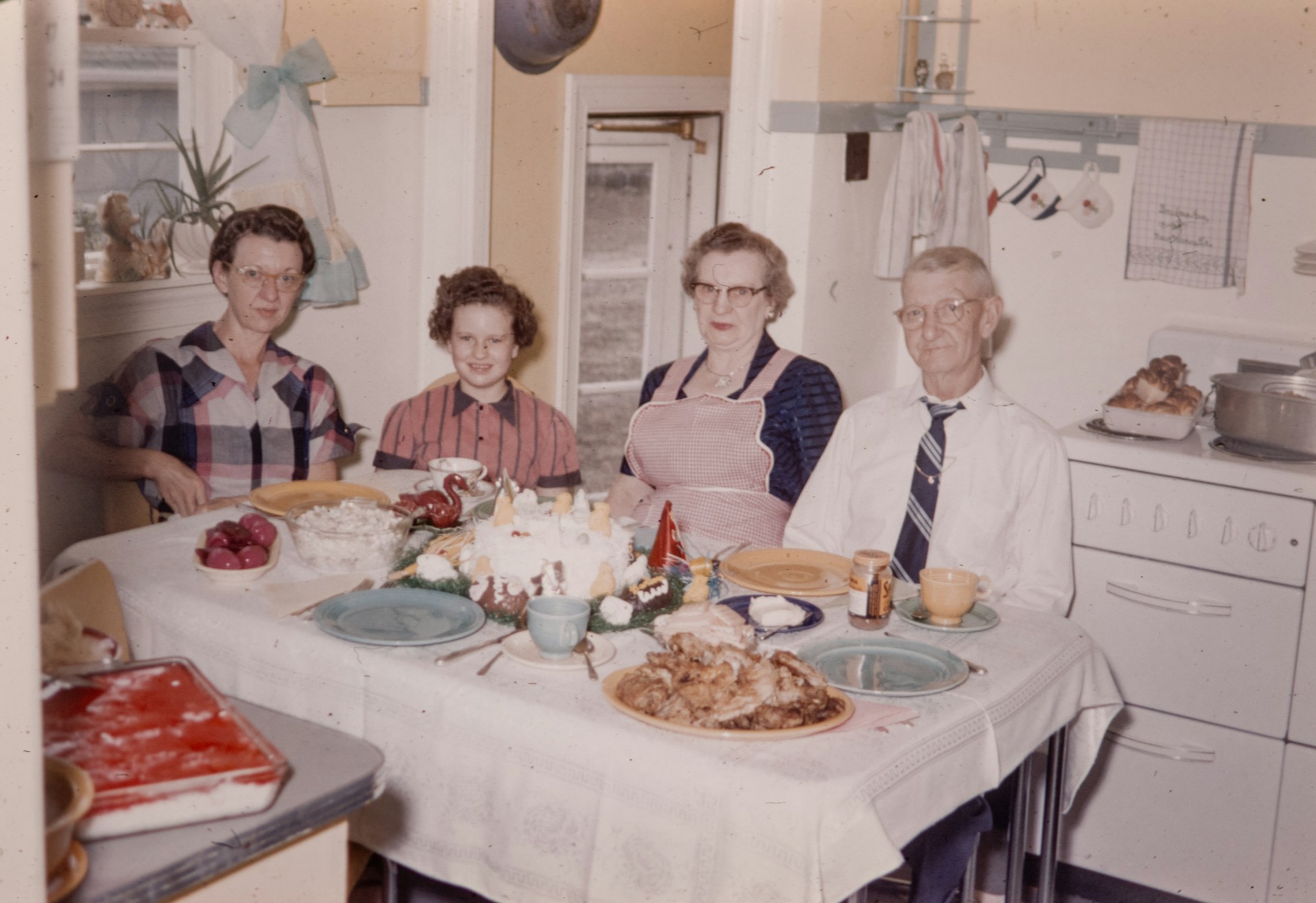
In the 1960s, dinner wasn’t just about eating; it was about learning. Families gathered around the table, and moms often used this time to pass on lessons that shaped their children’s character. These values, shared in the quiet rhythm of everyday meals, still echo in how many of us were raised. From honesty to patience, these teachings weren’t grand speeches but small reminders woven into daily conversation. Here are ten timeless dinner table lessons that 1960s moms taught their kids about life, lessons that still carry weight today.
1. Speak the Truth, Even When It’s Hard

1960s moms valued truth above convenience. Children were reminded that honesty mattered, even when it meant facing uncomfortable consequences. Telling the truth was seen as an act of courage that would always carry more weight than a carefully hidden lie. Around the dinner table, kids learned that words had power and integrity was not negotiable. These conversations planted seeds of accountability. Even today, the message remains clear: honesty gives strength and builds character that outlasts mistakes.
2. Honesty Builds Lasting Trust
Beyond speaking truth in tough moments, children were taught that honesty was the foundation of every meaningful relationship. A lie could unravel trust in ways that were hard to repair, but truthfulness built bonds that endured. Dinner table reminders reinforced that families relied on one another’s word to feel safe and supported. This lesson extended to friendships, work, and marriage as children grew. The underlying message was simple: without honesty, trust fails, and with it, relationships falter.
3. Respect Your Elders and Listen Closely

Moms of the 1960s stressed respect as a cornerstone of character. Children were taught to listen carefully to grandparents, parents, and teachers, not only to show courtesy but also to learn from their wisdom. At the table, this meant no interrupting and valuing what others had to say. Respect was presented not as blind obedience, but as acknowledgment of others’ experiences. The practice built empathy and humility, reminding kids that listening is often more powerful than speaking.
4. Be Grateful for What You Have

In many homes, 1960s moms emphasized gratitude at mealtimes, pointing out that food on the table and family around it were blessings. Saying thanks before meals was more than ritual; it was a daily reminder to value what life provided. Gratitude, they taught, turned ordinary moments into gifts and helped kids see beyond what they lacked. The lesson extended beyond dinner: be thankful for opportunities, people, and even challenges. Gratitude created perspective, fostering resilience in leaner times.
5. Hard Work Brings Real Rewards

Whether it was chores, schoolwork, or jobs, 1960s moms insisted that effort mattered. Nothing worthwhile came easily, and the table often served as a stage for celebrating earned success. Kids learned that persistence and discipline could carry them further than talent alone. This teaching instilled a respect for diligence and a belief in the dignity of honest work. More importantly, it taught that self-worth was built not from shortcuts, but from dedication and follow-through.
6. Family Sticks Together Through Thick and Thin

Moms in the 1960s stressed unity: family stood as a team, no matter the struggles. Dinner tables became a place to discuss daily wins and hardships, reinforcing that no one faced challenges alone. Children were reminded that support was unconditional, binding them through both disagreements and laughter. This lesson created loyalty that extended into adulthood, teaching kids to value relationships built on presence and consistency. Family wasn’t perfect, but it was always there, and that was enough.
7. Good Manners Open Doors Everywhere

Etiquette was not optional; it was a reflection of respect for others. Saying “please” and “thank you,” chewing with your mouth closed, and waiting your turn to speak were emphasized at every meal. Moms explained that good manners carried weight outside the home, creating impressions that shaped opportunity. These practices were not about formality but about consideration. Children learned that kindness and respect in small actions could lead to bigger chances in life. Manners mattered, always.
8. Resilience Means Getting Back Up Again

When life knocked you down, the lesson was simple: get up and try again. Moms used stories from their own hardships to remind kids that challenges built strength. Failures were reframed as stepping stones rather than dead ends. At dinner, encouragement came in gentle nudges and reminders that quitting was never the answer. This mindset built determination and adaptability, equipping children to handle setbacks with grace. Resilience became a quiet but powerful dinner table teaching.
9. Generosity Makes Life Richer

Even in households that had little, generosity was emphasized as a mark of good character. Sharing food, time, or even a listening ear was framed as a privilege. Moms reminded kids that true wealth was measured in kindness, not possessions. At the table, this looked like serving others first or saving the last piece for someone else. Over time, children learned that giving freely built deeper connections and joy. Generosity was a value that made life feel fuller and more meaningful.
10. Patience Brings Its Own Rewards

In a time before instant gratification, patience was a virtue reinforced daily. Children learned to wait their turn, finish chores before play, and trust that good things came with time. Dinner conversations highlighted the value of slowing down, appreciating the present, and not rushing toward outcomes. Moms taught that patience wasn’t just waiting, but waiting with grace and hope. This lesson helped kids face life’s uncertainties with steadiness, making patience a gift that shaped their adulthood.
The dinner table was more than a place for meals; it was a classroom where values were passed down in small but lasting ways. The teachings of 1960s moms still resonate today, reminding us that honesty, gratitude, and resilience remain timeless. While the world has changed, these lessons continue to shape strong families and individuals. Carrying them forward keeps us connected to traditions that foster kindness, character, and connection in every generation.