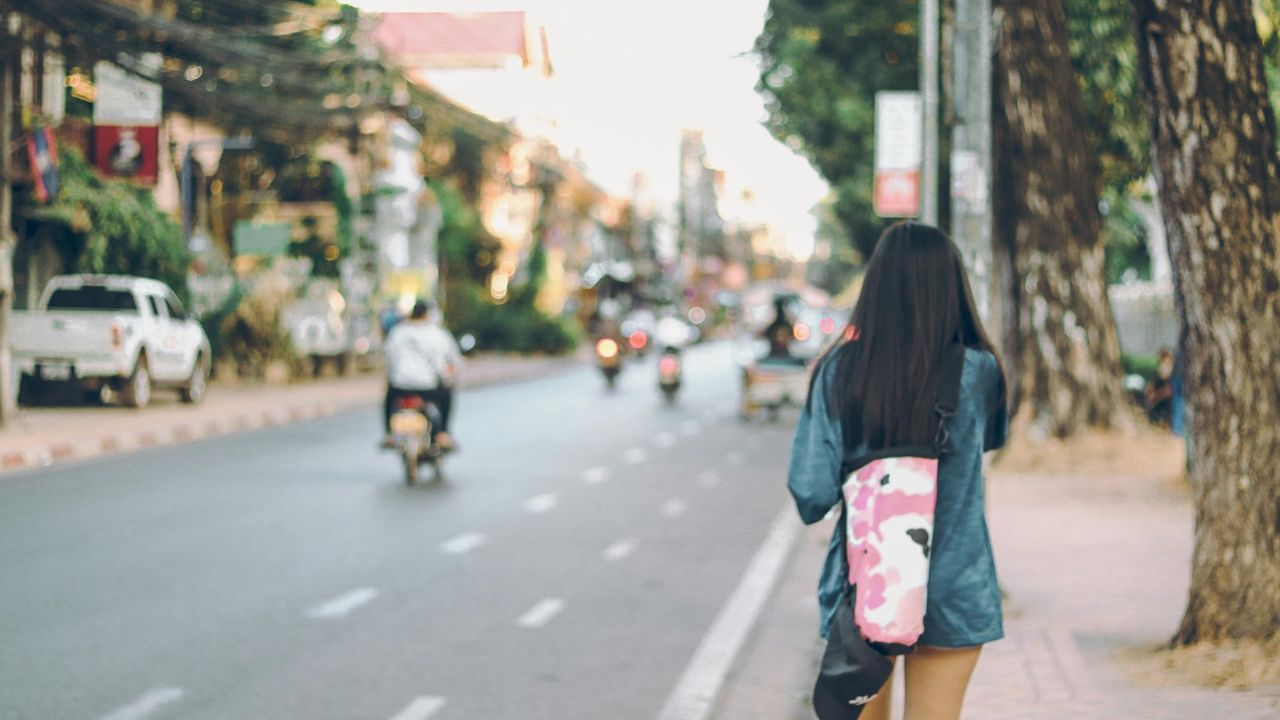
Crime stats still matter, but they don’t tell you if a city feels navigable when you’re alone, tired, or new. In 2026, “safe for women” is more about the full system around you: lighting, transport, policing culture, health access, and how people react when something goes wrong.
Think of safety as friction. The fewer moments where you have to calculate risk, the safer the city actually is. This guide breaks down the real-world signals women notice fast.
Use these lenses to compare places before you book, and to plan smarter once you land.
You’re not chasing perfection; you’re stacking advantages that reduce exposure and increase options.
After-dark mobility: how easy it is to get home

After-dark mobility is the quickest safety tell. Look for cities where you can leave dinner and still have clean, frequent options: metro coverage, well-lit stops, and rideshare that actually arrives where the pin says.
Safety improves when routes are predictable, and backups are in place. If the only “safe” plan is paying surge pricing, the city is fragile.
Check night service hours, station staffing, and whether apps show real-time delays, not just a printed timetable. A good sign: platforms with clear exits, visible help points, and enough foot traffic to avoid “empty-car” vibes. Bonus points if taxis are licensed and easy to spot.
Public space design: lighting, sightlines, and “escape hatches.”

Urban design can make harassment rarer without anyone saying a word. Bright streets, open sightlines, and active storefronts reduce hiding spots and increase witnesses, especially near transit and tourist corridors.
Pay attention to the basics women rely on: clean public toilets, late-night cafés, and benches in busy areas. When you can step inside somewhere safe, you stop feeling trapped outside, and you can reset your plans without panic.
Look at street lighting density, park closure times, and whether main walking routes stay lively after 9–10 pm. If sidewalks disappear or crossings feel chaotic, that’s a quiet red flag.
Social norms: what bystanders and staff actually do
Culture shows up in tiny moments: do people intervene, ignore, or blame you? In safer-feeling cities, bystanders help with directions, staff take concerns seriously, and harassment gets social pushback.
Watch how venues handle boundaries. Bars and hostels that post consent policies, train staff, and offer discreet support usually operate within a broader culture of accountability.
Scan women traveler forums for patterns, not one-off horror stories: repeat complaints about catcalling, groping, or “police won’t help” matter most. Also, notice language: if locals warn you constantly, they’re telling you something.
Digital infrastructure: when your phone becomes your safety net
In 2026, digital safety is physical safety. Reliable 4G/5G coverage, affordable eSIMs, and stable maps mean you’re not stranded guessing in the dark, and you can reroute fast when a street feels off.
Look for cities where you can pay contactless almost everywhere, book transport in one or two trusted apps, and share live location without dropouts. Fragmented systems create stress and bad decisions.
Check emergency numbers, whether ride apps have in-trip support, and if you can get a local SIM at the airport without a paperwork saga. A city that supports digital ID, clear signage, and multilingual help desks lowers your cognitive load.
Healthcare and support: what happens after a bad moment

A city can feel safe until something happens, then the response becomes the real test. Strong places have accessible clinics, pharmacies with long hours, and clear pathways for reporting and support.
Women travelers care about specifics: can you find urgent care at night, get emergency contraception where legal, access translators, and reach your embassy quickly? These aren’t “worst case” thoughts; they’re planning.
Before you go, note hospital locations near where you’ll stay and save local taxi numbers in case apps fail. If reporting feels hostile or confusing, you’ll hesitate when minutes matter.
Micro-geography: the safety gap between neighborhoods
City averages hide the real game: micro-geography. One neighborhood can be calm and walkable, while the next block feels sketchy after sunset.
Map your routine, not the postcard. Where will you exit the station, where do you wait for rides, and what’s the lighting like on the last 300 meters to your door? That final stretch decides how relaxed you feel, especially when shops close and crowds thin out.
Use daytime scouting, saved routes, and backup hotels near transit. If you’re constantly detouring, the city isn’t “safe,” it’s exhausting. Check weekend patterns too; nightlife can shift the vibe in both directions.