
Purchasing a residential property stands as a massive financial commitment requiring intense scrutiny. The process demands careful attention to subtle details that hide behind professional staging.
A fresh coat of paint easily distracts from severe underlying structural issues. Examining real estate listings closely reveals crucial information about the actual physical condition of the property.
Subtle clues in descriptions tell a deeper story. Catching these hidden details early saves buyers from expensive surprises before anyone signs a binding contract. Looking past surface improvements protects investments and ensures absolute peace of mind.
Property Tax History and Sudden Spikes

Buyers often overlook tax data. A sudden jump in annual taxes can indicate a recent reassessment, changes in exemptions, new improvements to the property, or in some cases a change in local zoning or tax policy.
Consistent tax increases might reflect rising property values, new local spending, or neighborhood revitalization, all of which can continue to drive up costs. Public records reveal the true long-term affordability.
The way tax assessments and increases work depends heavily on local laws, so it is wise to check how the city or state handles reassessments and exemptions. Astute buyers always verify these exact numbers directly.
Days on the Market and Price Reductions

The length of time a property sits on the market serves as a critical indicator of its true value. A house that lingers for several months can signal an unreasonable initial asking price, shifting market conditions, or, in some cases, concerns about the property’s condition.
Multiple price reductions over a short period suggest a motivated seller and that the original price did not match buyer demand, and they may also signal issues that buyers discovered during negotiations or inspections.
Agents sometimes relist homes to reset market counters. Tracking the complete property history uncovers the actual timeline and prevents poor deals.
Strategic Photography and Missing Rooms

Real estate photographers possess exceptional skills for making small rooms look massive. Wide-angle lenses stretch the visual dimensions of a space and distort the actual floor plan in very deceptive ways.
Listings that omit pictures of bathrooms or basements can be a red flag and are worth asking about, even though sometimes the reason is as simple as clutter or privacy. Strange cropping often hides glaring physical issues.
A complete lack of exterior photos from the rear of the house can hint at issues with the backyard and is a good reason to ask for more photos or visit in person. Cross-referencing images with the floor plan helps.
Homeowner Association Rules and Fees
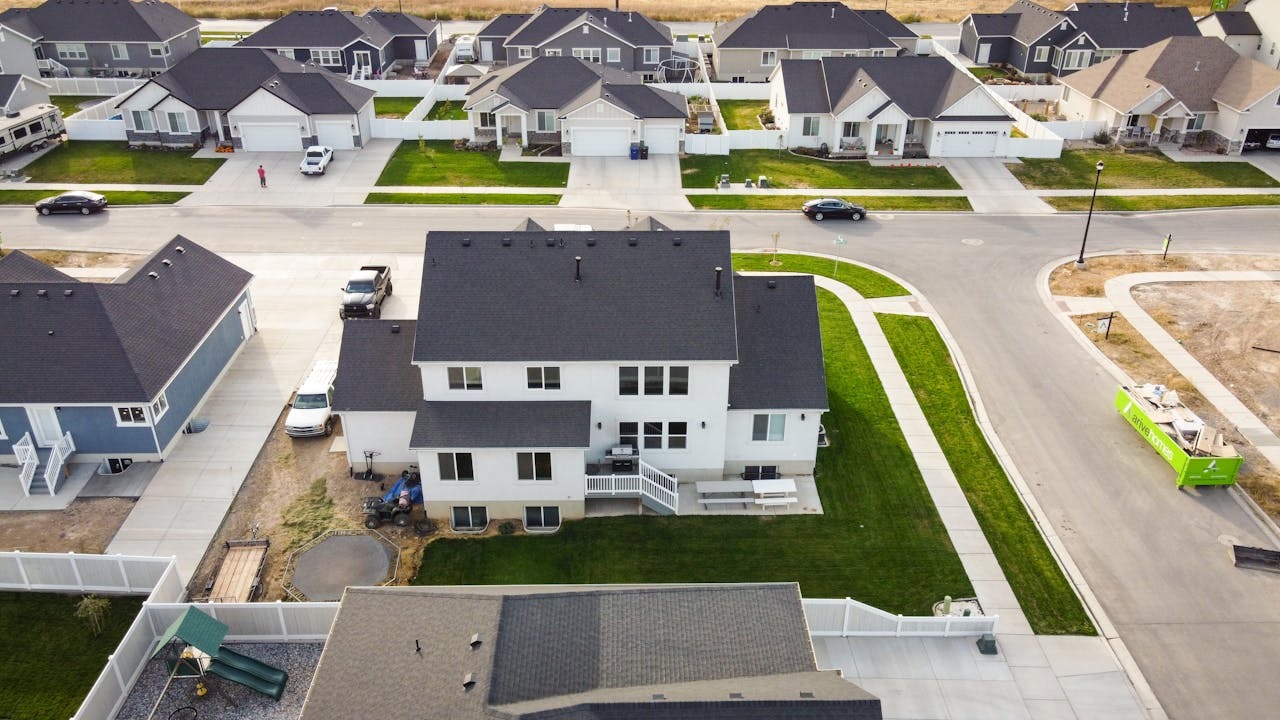
Residential properties located within managed communities come with a complex web of regulations and monthly expenses. The listing might state the exact monthly fee but rarely includes the complete list of neighborhood restrictions.
High monthly association dues can drastically alter a financial ratio and jeopardize a final mortgage approval. Strict community rules govern everything from the color of the front door to the types of acceptable pets.
Specific fees, rules, and approval processes vary widely by community and local law, so buyers should review the full documents and, if needed, consult a local real-estate professional or attorney.
Unpermitted Additions and Renovations

Unpermitted structures can create serious legal and financial risks, and insurers may deny or limit claims arising directly from unpermitted or non-code-compliant work.
Depending on local codes and the severity of the violations, city inspectors can require homeowners to bring unapproved additions up to code or, in some cases, remove unsafe work at their own expense.
This process often leads to significant delays and extra costs, and can be very stressful for new property owners. Rules for permits, inspections, and enforcement vary by city and state, so always confirm details with the local building department or qualified professionals.