Talk of a possible recession has been floating around for a while now, but the slowdown many expected has not fully arrived. One reason that keeps coming up in economic conversations is the role of older Americans, especially baby boomers. This generation, now mostly in or near retirement, holds a large share of the country’s wealth and continues to spend in ways that surprise analysts.
While younger households are dealing with higher borrowing costs and tighter budgets, many boomers are still traveling, dining out, and supporting their families. That steady activity has helped keep the economy moving even when other signals look uncertain. It does not mean a recession is impossible. It means the usual patterns are shifting, and economists are paying closer attention to how one generation’s behavior is quietly shaping the bigger picture.
Does much of the country’s money sit with one generation?

One of the biggest reasons experts point to boomers is their financial position. This group controls a significant portion of household wealth in the United States, including home equity, retirement savings, and investment assets. Over the past decade, rising home values and strong stock market performance have increased that wealth even further. That matters because people tend to spend differently when they feel financially secure.
Even in uncertain times, households with assets are more likely to continue spending on travel, healthcare, home improvements, and family support. It is important not to assume all boomers are equally well off, because wealth is not evenly distributed. Still, as a group, their financial stability gives them more flexibility than younger generations who may be dealing with debt or higher living costs.
They are still spending when others are pulling back
Traditional recession patterns often involve households pulling back sharply on spending, especially discretionary purchases. What has surprised some economists is that many boomers have not reacted that way. Instead of tightening budgets, a portion of this group is continuing to spend on experiences, leisure, and services. Travel, dining, and healthcare remain active areas of spending. This behavior helps support businesses that rely on consistent demand.
The practical point here is that consumption drives a large part of the US economy. When a major demographic continues spending, it can soften the impact of slower activity elsewhere. That said, this does not mean spending will stay strong forever. It reflects current behavior, not a guaranteed long term pattern.
They don’t feel the pressure of rising interest rates
Interest rate increases tend to slow the economy by making borrowing more expensive. Younger households often feel this more strongly because they rely on loans for homes, cars, and credit. Many boomers, on the other hand, either own their homes outright or locked in lower mortgage rates years ago. They are also less likely to depend on new borrowing for major expenses.
This reduces the immediate pressure from rising rates and allows them to maintain their spending habits. It is useful to understand that this does not make them immune to economic changes. Investment values can fluctuate, and healthcare costs can rise. But compared to heavily leveraged households, they often have more room to absorb short term financial shifts.
Retirees are more financially active
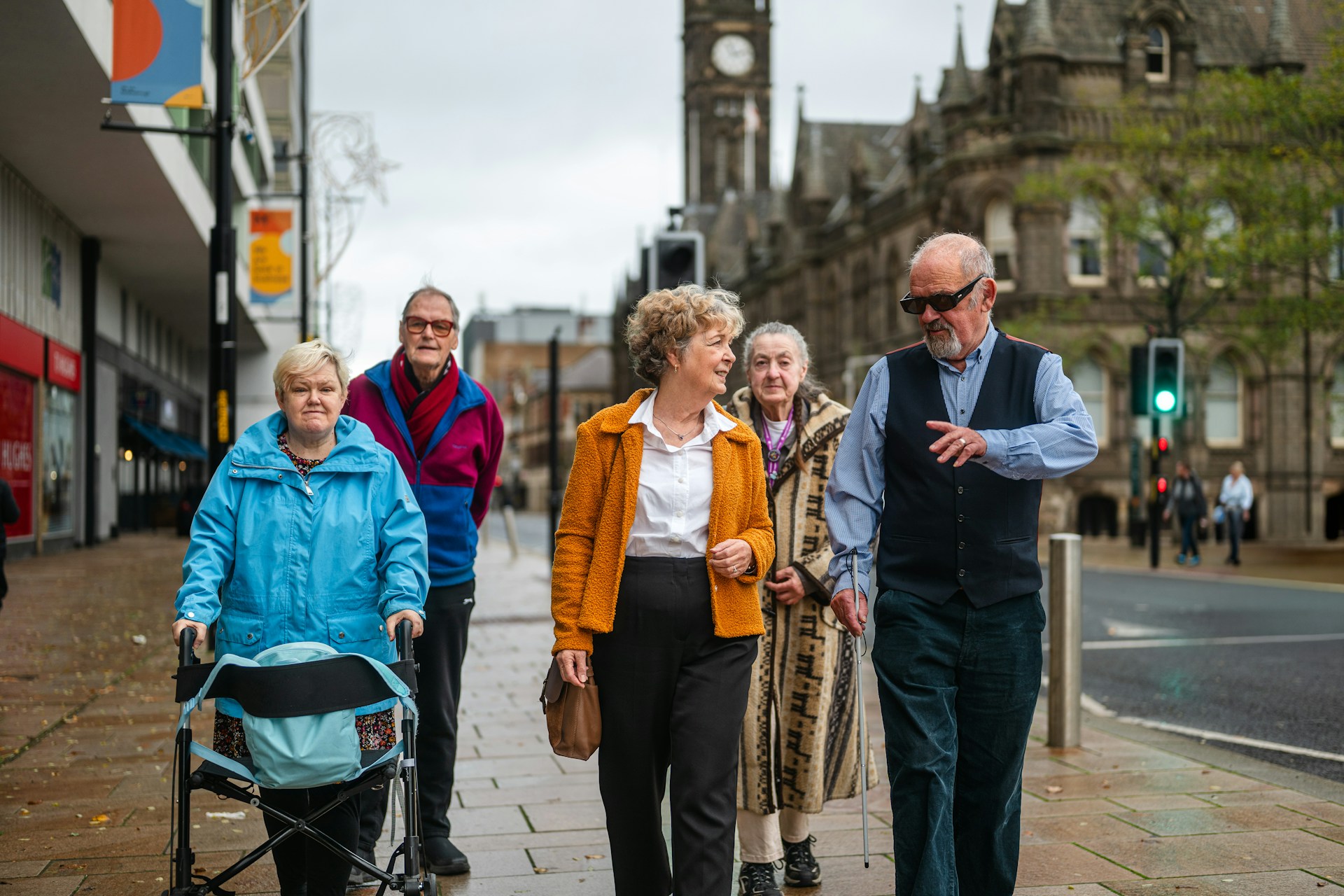
There is a common assumption that people spend less once they retire, but recent patterns suggest a more nuanced picture. Many retirees remain active consumers, especially in the early years of retirement. They travel, pursue hobbies, invest in their homes, and spend on services that support their lifestyle. Some also provide financial help to children and grandchildren, which spreads spending across generations.
This challenges the idea that an aging population automatically leads to reduced economic activity. It is important to note that spending can change over time, particularly as healthcare needs increase. But in the current phase, many retirees are still contributing to demand in meaningful ways.