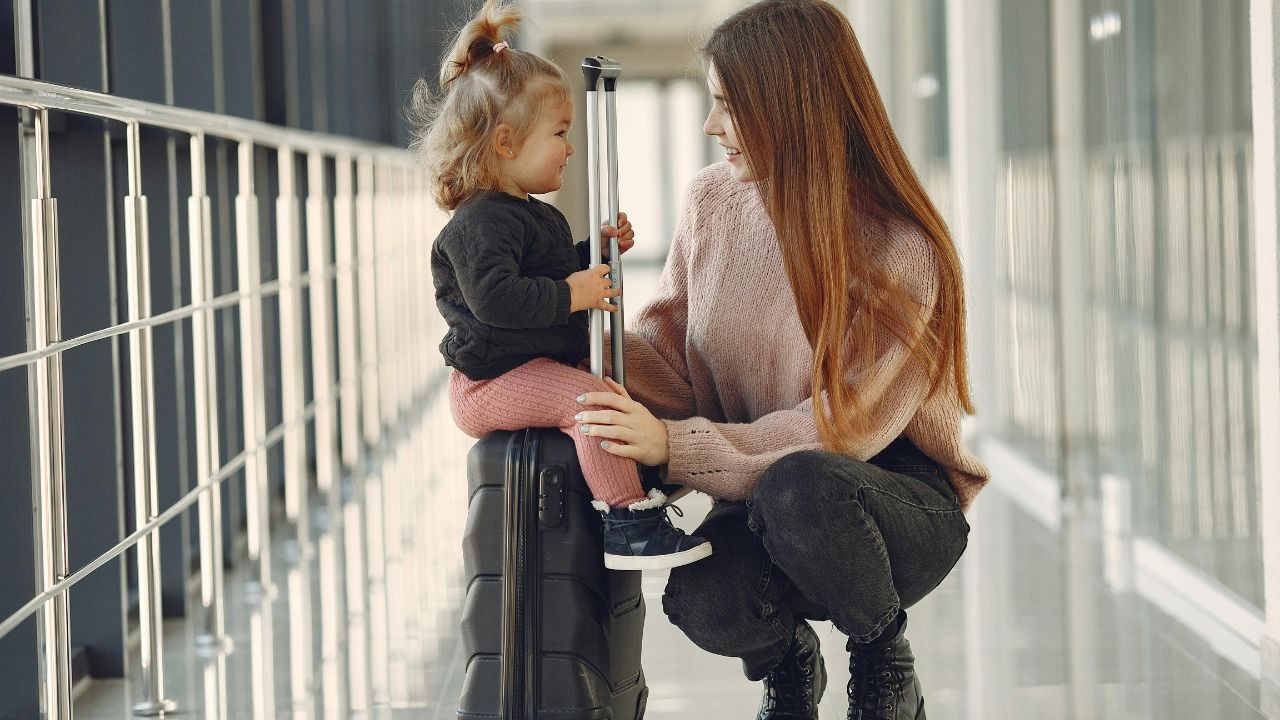
Airport security delays can feel worse for families because every checkpoint decision affects more than one traveler at once. A simple mistake with documents, snacks, electronics, or children’s items can turn a routine line into a slow stop that affects the whole group.
That pressure becomes more noticeable during periods of heavier screening strain, when officers have less room to absorb disorganized bags or last-minute sorting. Parents often arrive focused on making the flight, but the delay usually begins before the bins reach the belt.
These nine security mistakes are among the most common ways families lose time. Most are avoidable, and spotting them early can make the checkpoint more manageable from start to finish.
1. Arriving Without Checking Current Airport Wait Conditions
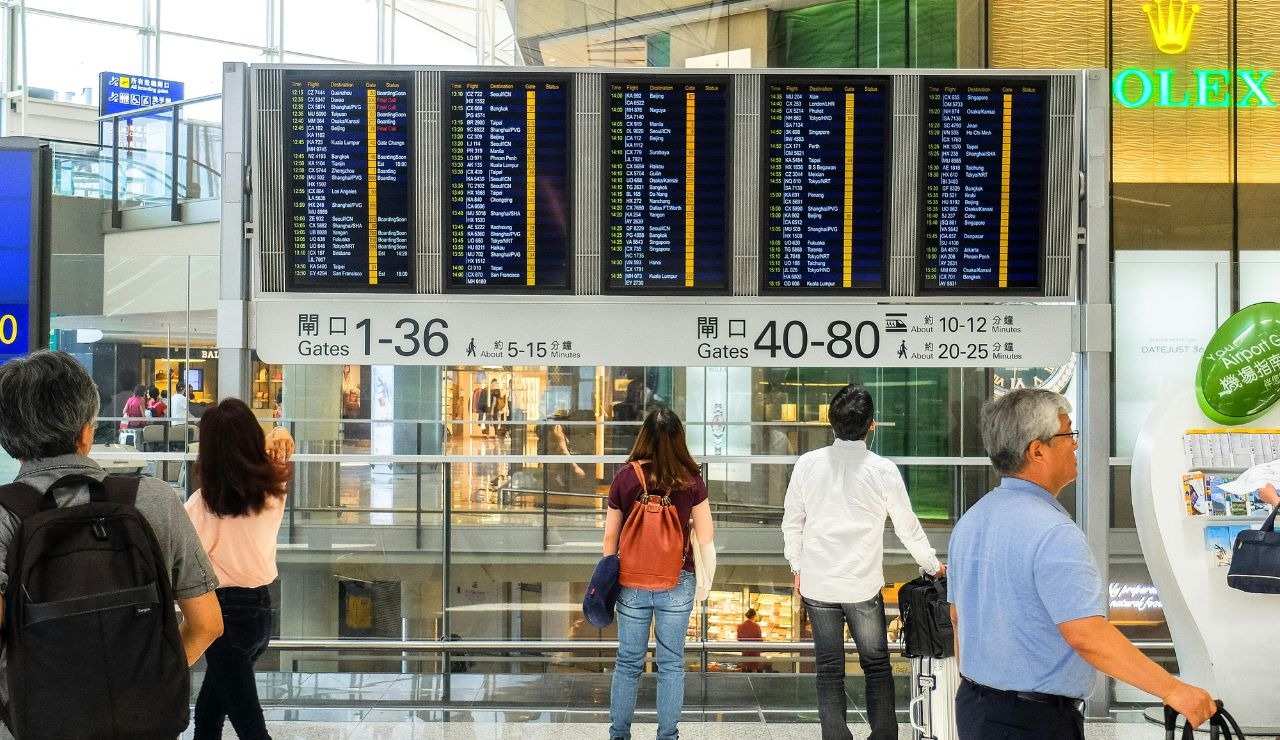
Many families still rely on a fixed rule for when to reach the airport, but security lines do not always behave the same way every day. Traffic levels, terminal volume, and screening pressure can shift quickly, especially during busy travel windows.
The mistake is not simply arriving late. It is arriving without checking whether the current conditions are lighter or heavier than expected. A family that guesses wrong may end up rushing children through check-in and reaching security already stressed and disorganized.
A better approach is to plan around the airport’s real conditions instead of habit alone. Even a short delay feels longer when children, bags, and documents are all being managed at the same time.
2. Using the First Line Instead of a Family Screening Lane
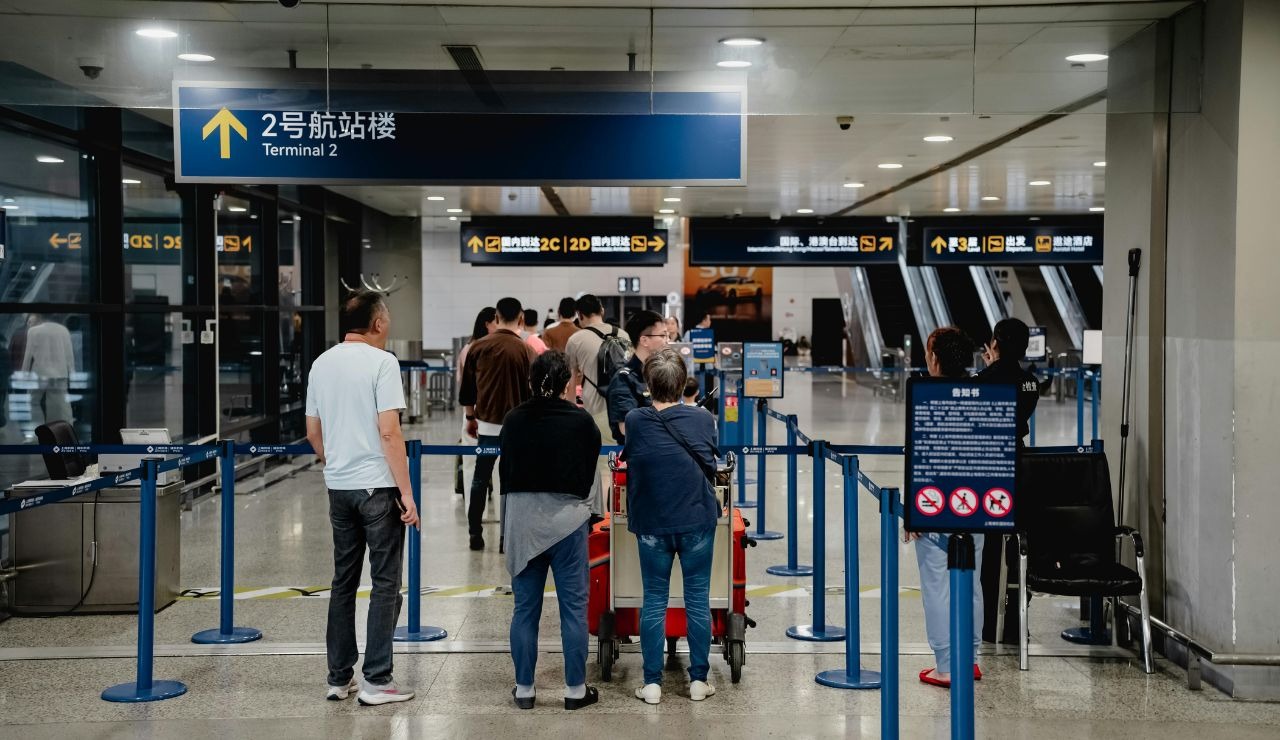
Some families step into the first open line without checking whether the airport offers a lane better suited to parents traveling with children. That can slow things down because standard lines often move at a pace that is harder for larger family groups to match.
A family-focused lane, when available, is usually easier to manage with strollers, extra bags, and younger children who need more direction. Parents who miss that option may place themselves in a line that creates more pressure before screening has properly started.
The delay often comes from the wrong setup, not from the family itself. Choosing the most suitable lane early can make the rest of the checkpoint process feel more controlled and less rushed.
3. Scattering Formula, Drinks, and Baby Food Across Bags
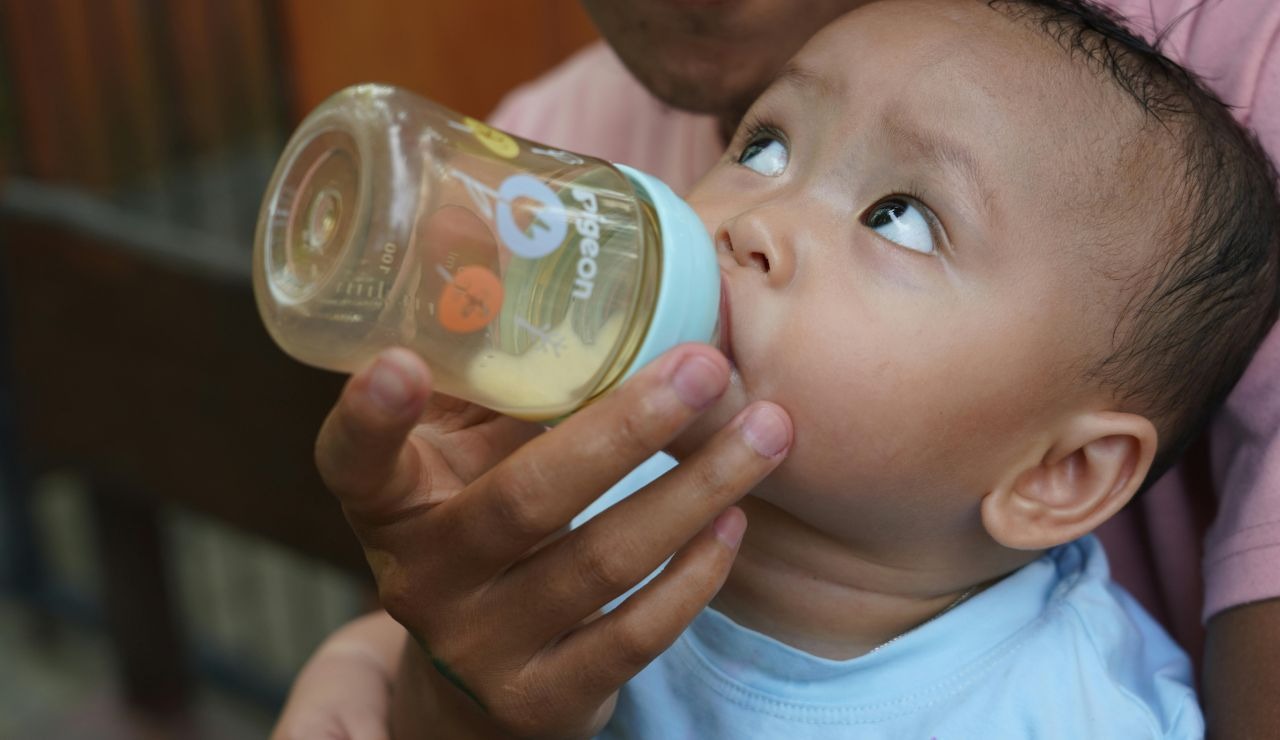
Formula, milk, juice, and baby food often require special handling, but many parents still pack them across several bags. That becomes a problem when officers need a closer look, and adults have to search through backpacks, totes, and stroller pockets to find each item.
The issue is usually organizational rather than the item itself. Families may have packed correctly for the flight, yet not for the checkpoint. When liquids and food are buried under clothing, chargers, and comfort items, even a simple inspection can take longer than expected.
Keeping children’s drinks and food together in one easy-to-reach place helps security move more smoothly. Random packing turns a routine check into a stressful delay at the worst possible moment.
4. Burying Tablets, Chargers, and Other Electronics

Tablets, chargers, battery packs, and headphones are common in family carry-ons, especially on longer trips. Trouble starts when these devices are packed at the bottom of full bags under clothes, snacks, and travel supplies that need to be moved before anything important can be reached.
That slows the process because parents begin unpacking in real time while children wait, bins move forward, and other travelers stack up behind them. What should be a quick handoff can become a messy search that breaks the family’s rhythm at the belt.
The problem is not carrying electronics for the trip. It is carrying them without a clear packing plan. Easy access usually means faster screening and fewer last-minute mistakes under pressure.
5. Making Younger Children Remove Items They Can Keep On
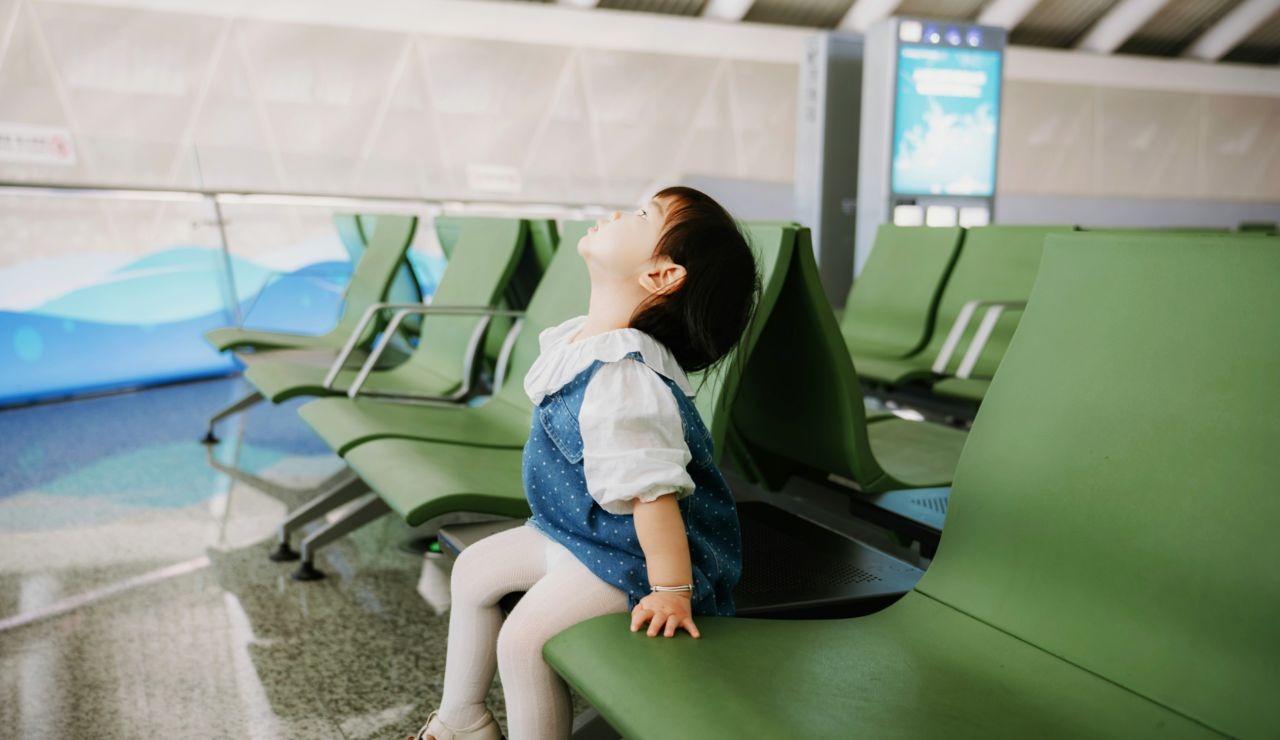
Many parents treat younger children like adult travelers and remove more than necessary before screening begins. That often means shoes, light layers, and small items come off even when the extra effort does not help the family move through the checkpoint any faster.
The real cost is the buildup of small tasks. While one adult helps a child with clothing or loose items, the other may be handling documents, bins, or a stroller. Those overlapping jobs create confusion and make it easier for something important to be dropped or forgotten.
Families usually move better when they understand which steps are actually necessary for children. Fewer unnecessary removals mean fewer bins, less handling, and a smoother sequence from line to scanner.
6. Packing Toys That Can Trigger Manual Bag Checks
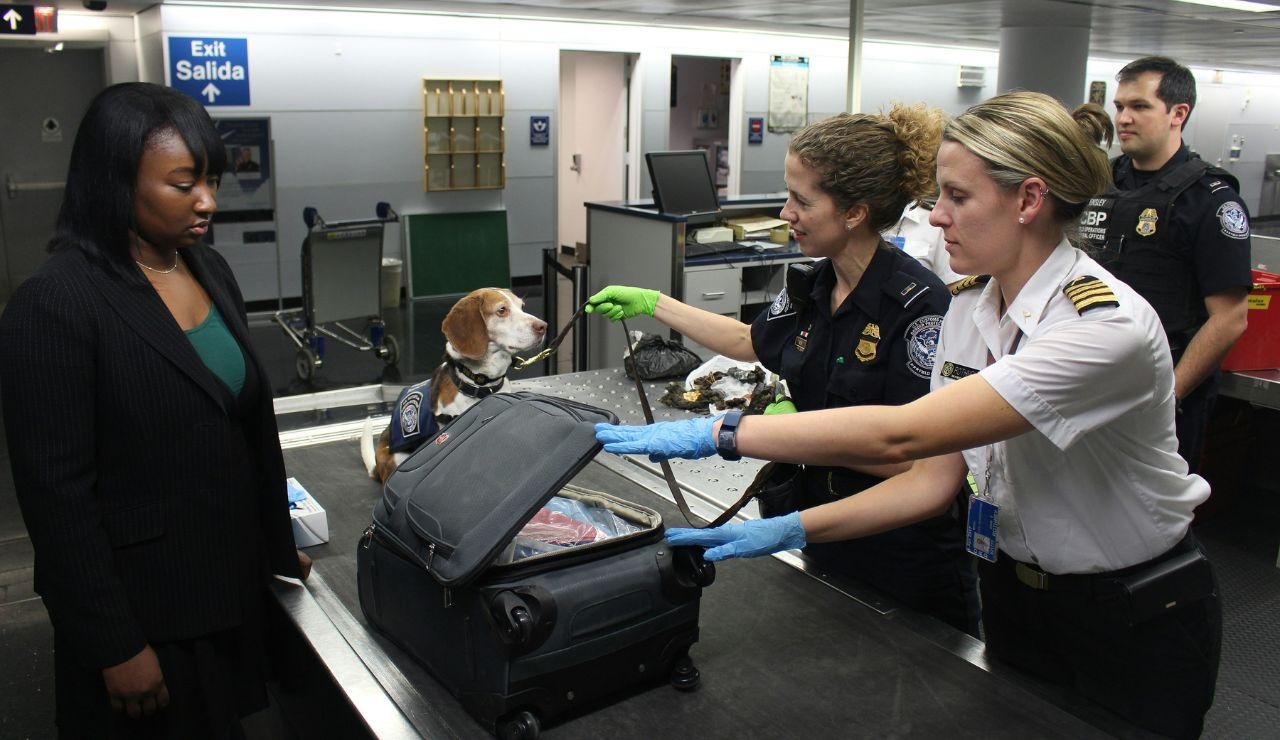
Children’s toys are easy to ignore while packing, but some can attract extra attention once they pass through screening. Objects shaped like tools, weapons, or unusual devices may cause a bag to be checked more closely, even when the item is clearly meant for play.
That extra inspection affects more than one bag. The family has to pause while the contents are reviewed, the item is identified, and everything is packed again. For children, that stop can also create confusion if a favorite item suddenly becomes the focus of attention.
A quick review before leaving home helps reduce that risk. It is far easier to swap out one questionable toy in advance than discover at the scanner that it has slowed the whole group.
7. Reaching Security With Full Pockets and No Bin Plan
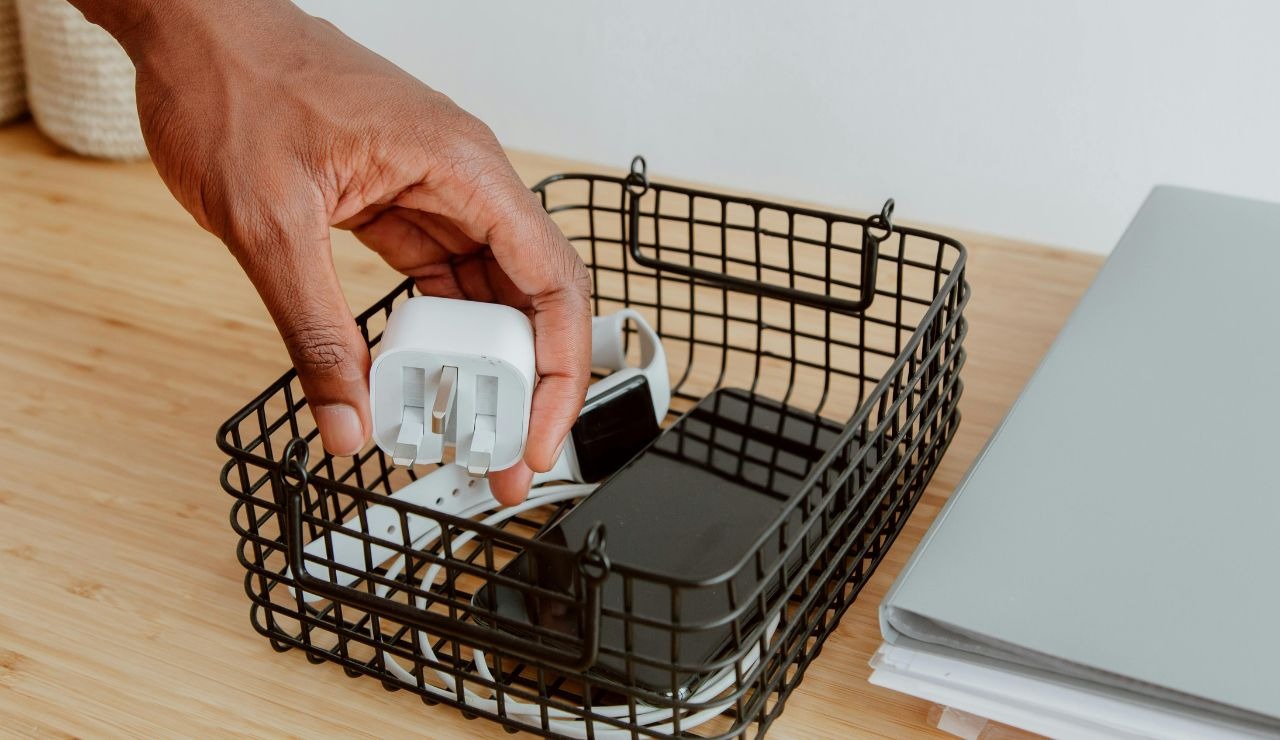
Families often pay close attention to their carry-ons and forget the smaller items tucked into pockets. Keys, coins, phones, tissues, cards, and loose metal objects can all create delays if they are only discovered at the scanner instead of before the family reaches active screening.
The problem gets worse when nobody has decided how the bins will be used. One parent starts emptying pockets late, another is helping a child, and the group loses time because loose items are being sorted at the busiest point in the process.
A simple routine can prevent most of this. Emptying pockets before entering the checkpoint area and knowing who handles which bin keeps the family organized and reduces unnecessary stops or repeated checks.
8. Letting One Adult Manage the Entire Family Process
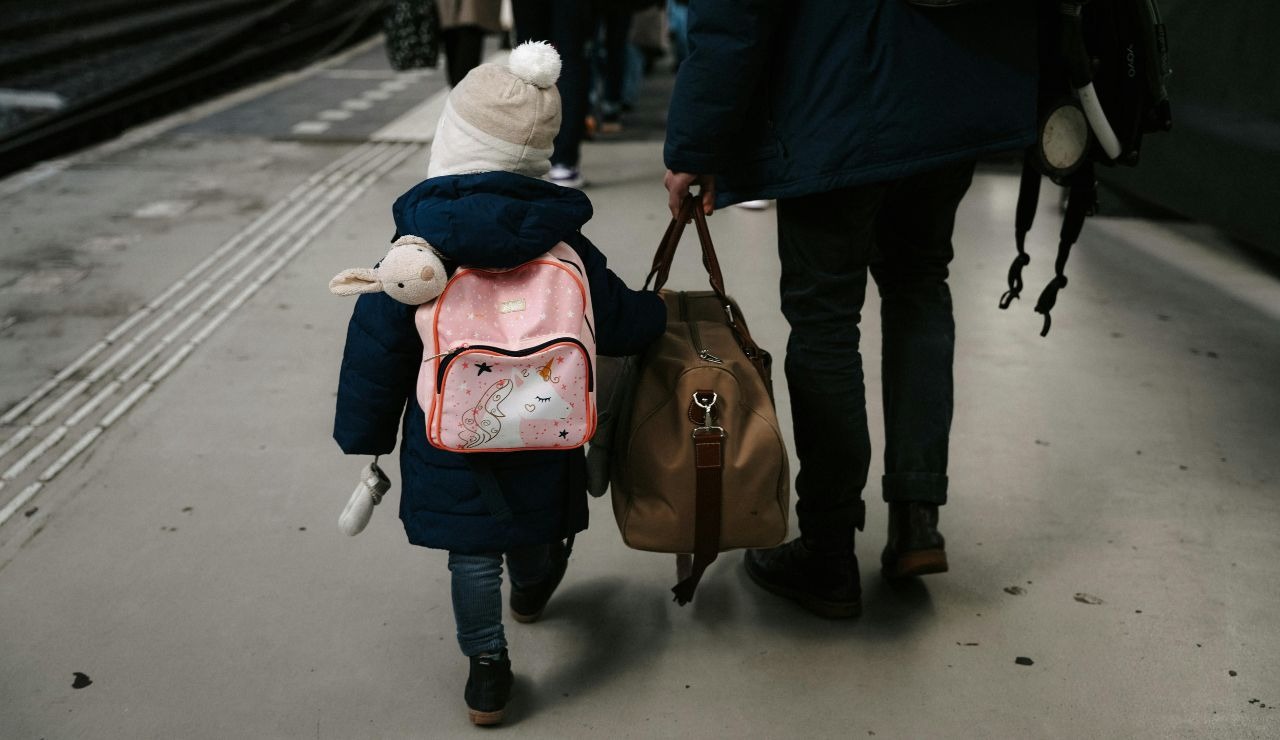
A common family mistake happens when one adult tries to manage every passport, bag, stroller, child, and bin alone. Security works in stages, and one person usually cannot handle identification, gear, directions, and supervision at the same speed without slowing something down.
This often leads to a chain reaction. While one adult searches for papers or adjusts luggage, children drift, items pile up, and the family loses momentum just as screening begins to move faster around them. That pressure makes mistakes more likely.
Families usually move more smoothly when responsibilities are split before they enter the line. One adult can manage documents and bins while the other focuses on children and larger items throughout the checkpoint.
9. Repacking Everything Beside the Belt After Screening
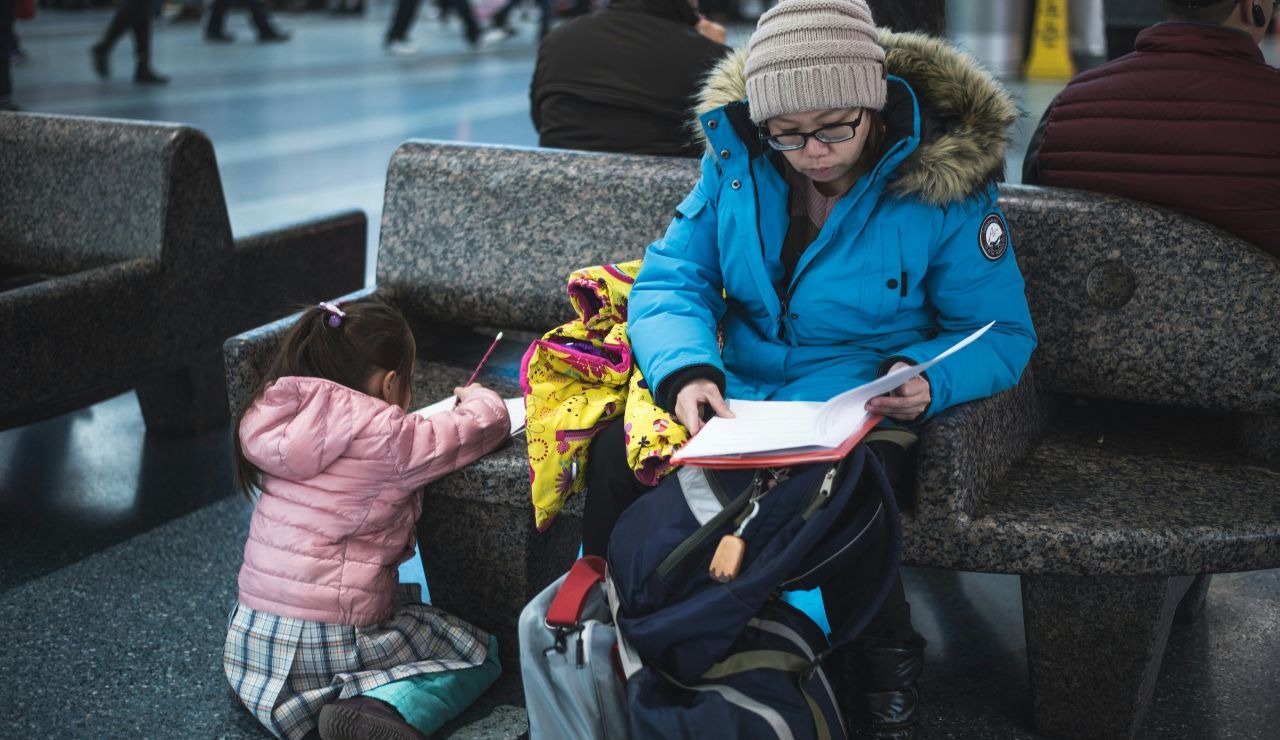
The final delay often happens after the family has technically cleared screening. Parents collect shoes, jackets, tablets, snacks, and toys, then stop right beside the belt to reorganize everything. That slows the pickup area and reduces space for other travelers to move forward.
The habit makes sense because families want to make sure nothing is missing before they walk away. But the area beside the belt is usually the tightest and most crowded place to rebuild bags, settle children, and check that every item is back in place.
A better approach is to gather belongings quickly and move to a nearby open space before repacking. That keeps the lane moving and gives families more room to reset without blocking the flow behind them.