
Tornadoes have long been associated with the central U.S., famously known as “Tornado Alley.” This region, spanning parts of Texas, Oklahoma, Kansas, and Nebraska, historically experienced the highest frequency of twisters. However, recent studies show that the pattern of tornado activity is changing. Severe storms are becoming more common in states outside the traditional corridor, exposing new populations to potential risk. Climate factors, shifting weather patterns, and urban development all play a role in this evolving threat.
Understanding these changes is critical for families, local governments, and emergency planners. Residents in newly affected areas may need to reconsider safety measures, insurance coverage, and disaster preparedness plans. The shifting corridor highlights the dynamic nature of weather and the importance of staying informed. Here’s a closer look at what the change means for different states and communities.
1. Tornado Activity Expands Eastward

Researchers have observed a notable increase in tornado occurrences in states east of the traditional Tornado Alley. Areas like Tennessee, Kentucky, and parts of the Southeast now report more frequent twisters. Changing climate conditions, such as warmer temperatures and altered jet streams, contribute to this shift. Residents in these regions may have previously underestimated tornado risk.
New tornado-prone areas often lack widespread warning infrastructure compared to central states. Awareness campaigns are becoming crucial in these locations. Understanding the eastward expansion can guide local planning and emergency response. Families in these states are encouraged to review tornado safety procedures.
2. Decline in the Heart of Tornado Alley
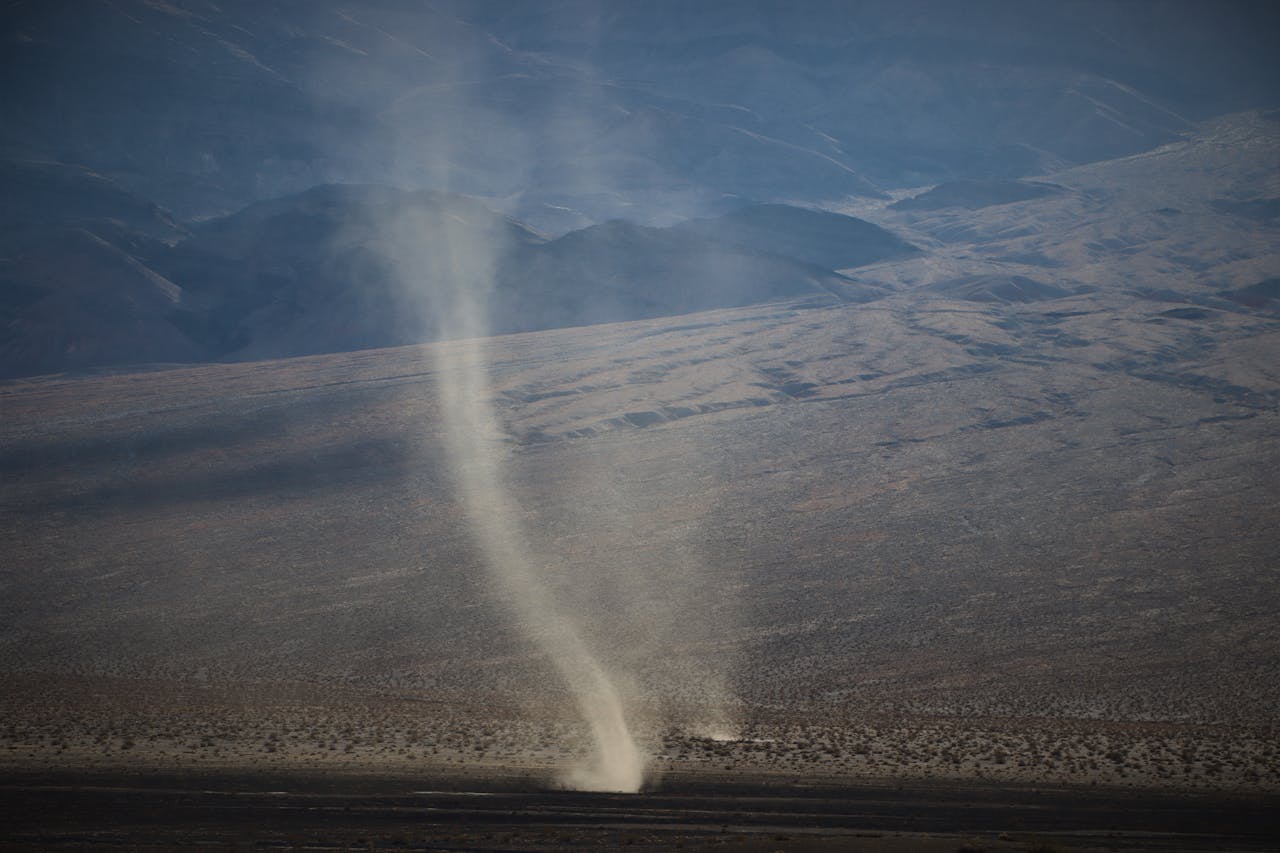
While the East sees more activity, some central Tornado Alley states report a relative decline in twisters. This doesn’t mean the risk has disappeared, but the frequency and intensity of tornadoes have shifted. Meteorologists note that local topography and changing storm tracks influence these trends. Communities that have historically relied on long-standing tornado preparedness may notice fewer events.
Nevertheless, infrastructure, emergency plans, and public awareness remain critical. The perception of reduced risk can sometimes lead to complacency. Accurate forecasting and continued vigilance are necessary to maintain safety. Residents should not assume the threat has vanished, only that patterns are evolving.
3. Why the Shift is Happening

Several scientific factors explain the shifting tornado corridor. Changes in temperature, humidity, and wind patterns influence storm formation. Urbanization and land-use changes can alter local weather conditions. Additionally, climate change may increase the energy available for severe thunderstorms in regions previously considered low-risk.
Researchers are working to model future tornado trends more accurately. Understanding these mechanisms helps communities adapt their preparedness strategies. Early warning systems and educational programs are key tools. Recognizing the science behind the shift encourages proactive, rather than reactive, safety planning.
4. States Now Seeing Higher Risk
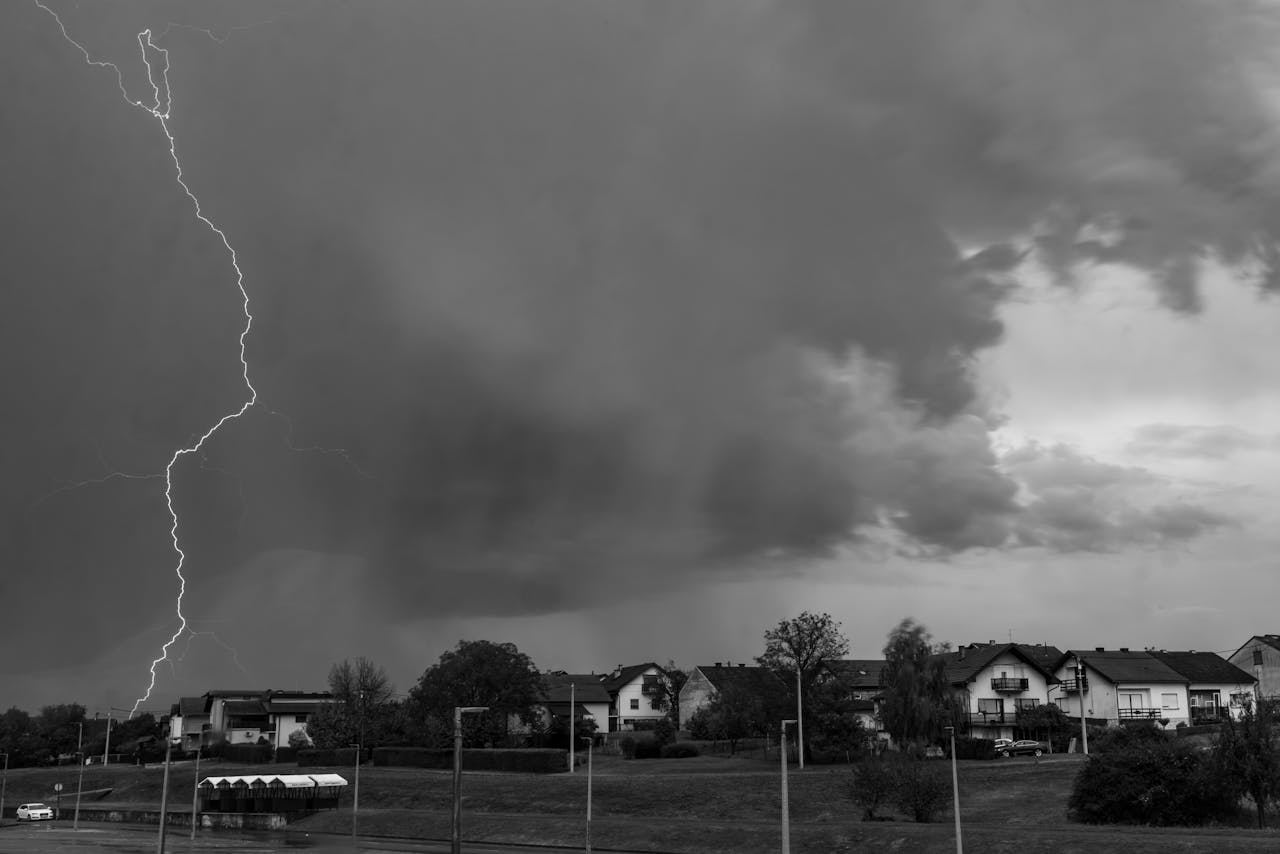
Beyond the traditional Tornado Alley, states like Missouri, Arkansas, and parts of the Southeast now report more frequent tornado touchdowns. Even areas as far east as Georgia, South Carolina, and parts of Ohio have experienced stronger storm activity in recent years. This expansion challenges previous assumptions about tornado safety geography.
Local governments and emergency services are updating maps, alert systems, and response plans. Homeowners may need to reconsider tornado insurance coverage. Communities unfamiliar with tornadoes are investing in shelters and preparedness education. Being aware of these state-level risks empowers residents to take preventive action.
5. Preparing for Tornadoes in New Areas
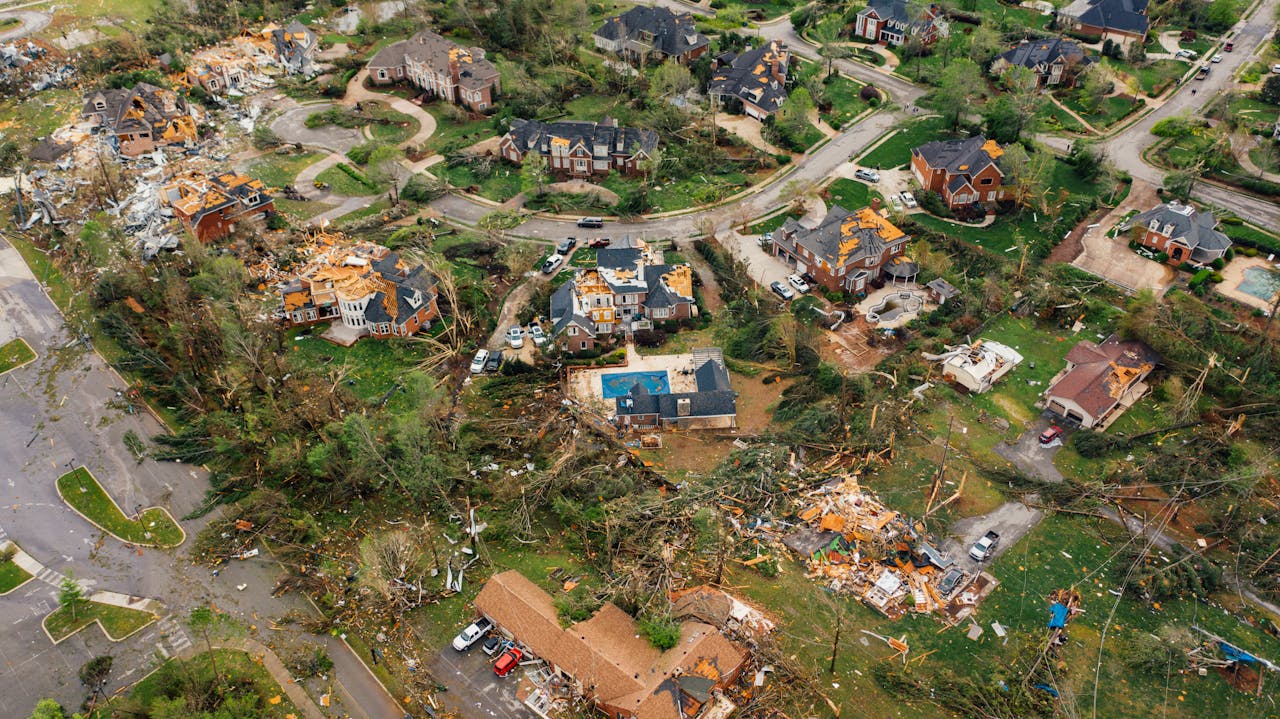
Communities newly affected by tornadoes must focus on preparedness. Families should identify safe spaces in homes, workplaces, and schools. Emergency kits with water, food, and first aid supplies are essential. Local authorities often provide guidance on siren systems, storm alerts, and evacuation routes.
Practicing tornado drills reduces panic and improves response times. Residents can also review home reinforcement options, such as safe rooms or basement upgrades. Staying informed about weather forecasts and warnings is crucial. Preparedness saves lives, especially in regions where tornado experience is limited.
6. Implications for Insurance and Infrastructure
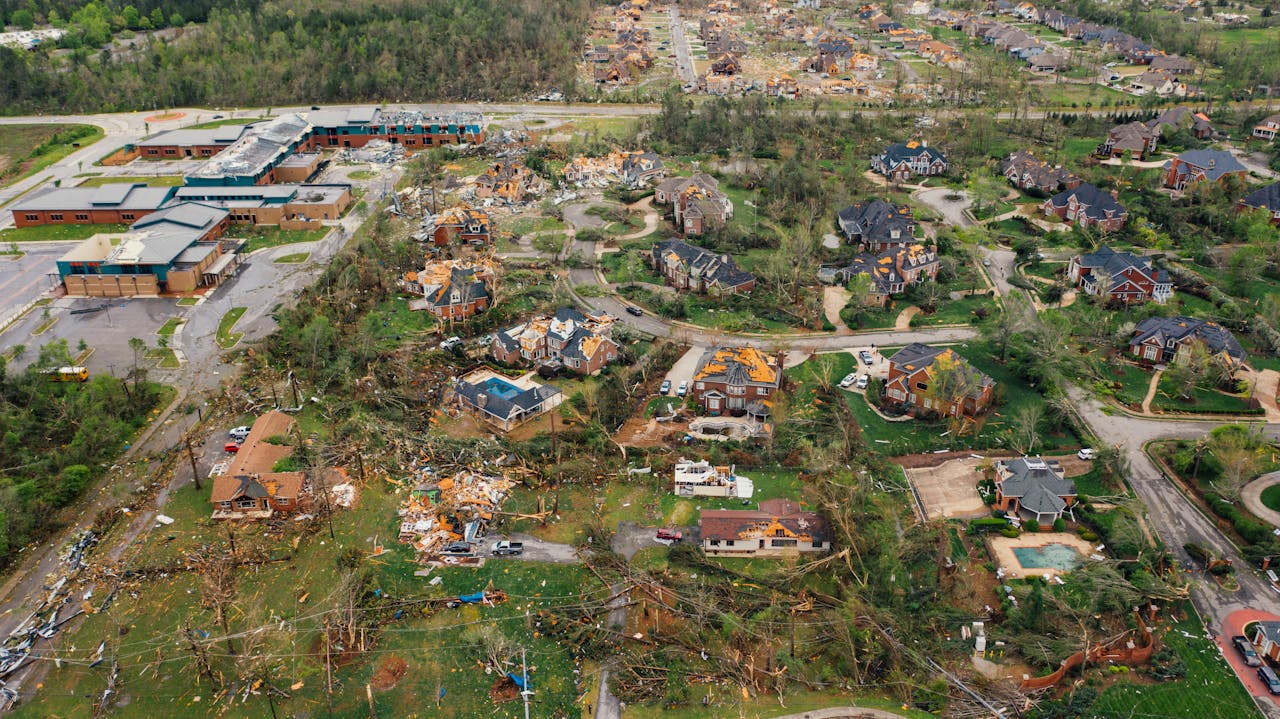
The shifting tornado corridor affects property insurance and infrastructure planning. Areas previously considered low-risk may face higher premiums as insurance companies adjust to new data. Urban planning, zoning, and building codes may need updating to account for stronger storms. Public buildings, schools, and hospitals require assessments for tornado resilience. Community investment in shelters and emergency resources becomes increasingly important.
Families should review coverage to ensure protection against severe weather. Awareness of infrastructure vulnerabilities helps guide personal and civic preparation. These changes reflect the evolving relationship between climate and human settlement.
7. Technology and Early Warning Systems

Advanced radar, satellite monitoring, and smartphone alerts play a critical role in tornado safety. States outside traditional Tornado Alley are expanding alert networks. Real-time warning systems provide valuable minutes for families to reach safety. Technology also supports research into storm tracking and pattern prediction. Emergency services can respond faster and more efficiently with data-driven insights.
Public education campaigns complement technological tools. Understanding how to receive and respond to alerts is essential for households. Combining technology with preparation reduces risk and enhances community resilience.
8. Community Awareness and Education

Education is key in newly affected tornado regions. Public awareness campaigns teach residents how to recognize warning signs and act quickly. Schools, workplaces, and local organizations often hold drills and workshops.
Communities unfamiliar with tornado culture need extra guidance to avoid panic and confusion. Awareness fosters preparedness and encourages neighbors to support each other during emergencies. Resources include government guidelines, online tutorials, and local emergency contacts. Strong community networks improve response and recovery. Learning from central Tornado Alley experiences helps new regions adapt more quickly.
9. Long-Term Outlook
Meteorologists predict that tornado patterns will continue to evolve with climate and environmental changes. States currently experiencing higher activity may see trends intensify over time. Long-term planning involves resilient construction, emergency funding, and public engagement. Communities that adapt early are better equipped to minimize damage and protect residents.
Understanding tornado risk is now a national concern, not just a central U.S. issue. Staying informed about trends ensures proactive measures rather than reactive responses. Preparedness, awareness, and resilience will define how safely Americans live amid shifting tornado risks.