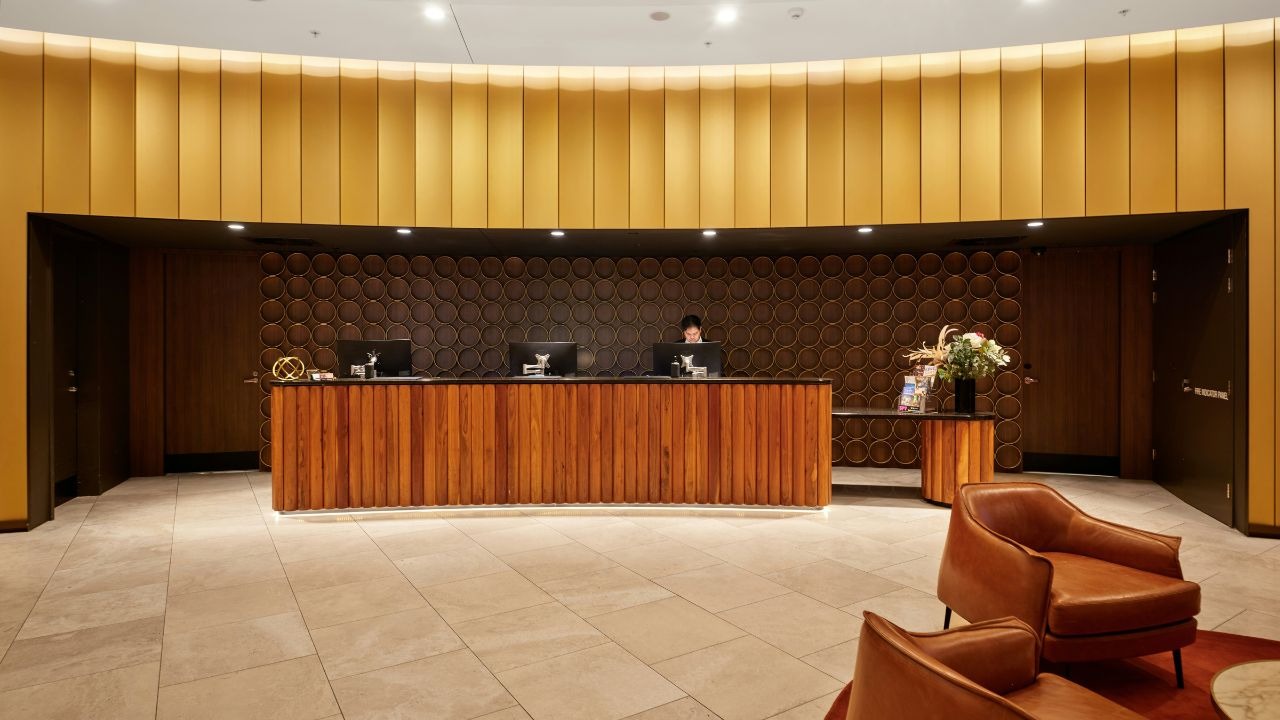
Luxury hotels operate on subtle cues, where trained staff quietly observe guest behavior without interfering. Over time, patterns emerge that reflect different levels of familiarity with high-end environments, shaped more by experience than by wealth alone.
Guests who are comfortable in luxury settings tend to follow unspoken norms naturally, moving through spaces with ease and minimal effort. Others, particularly those adjusting to recent financial success, may approach the same environment with more visible intention.
A seasoned hotel attendant learns to recognize these differences through small, consistent signals that appear in everyday interactions rather than obvious displays.
1. Overexplaining Simple Requests
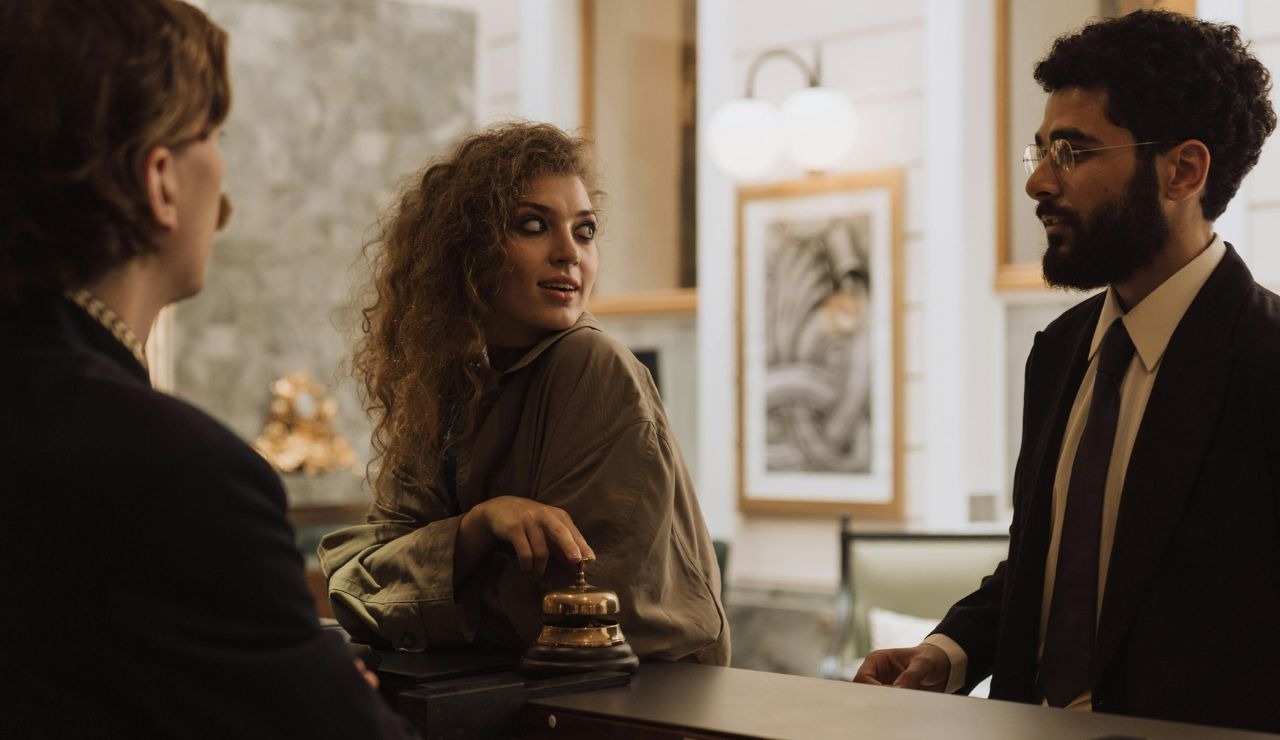
In luxury hotels, communication is typically brief and efficient, as staff are trained to understand requests with minimal instruction. Guests familiar with these environments tend to speak clearly and concisely, trusting that standard service will handle the rest without added detail.
Some individuals, however, provide extended explanations for simple needs, often adding unnecessary context or clarification. This can include explaining why a request is being made, even when the situation is already understood.
This behavior often reflects adjustment rather than intent. Over time, as guests become more comfortable, they usually begin to rely on the efficiency of the service without feeling the need to overexplain.
2. Emphasis on Visible Luxury Branding
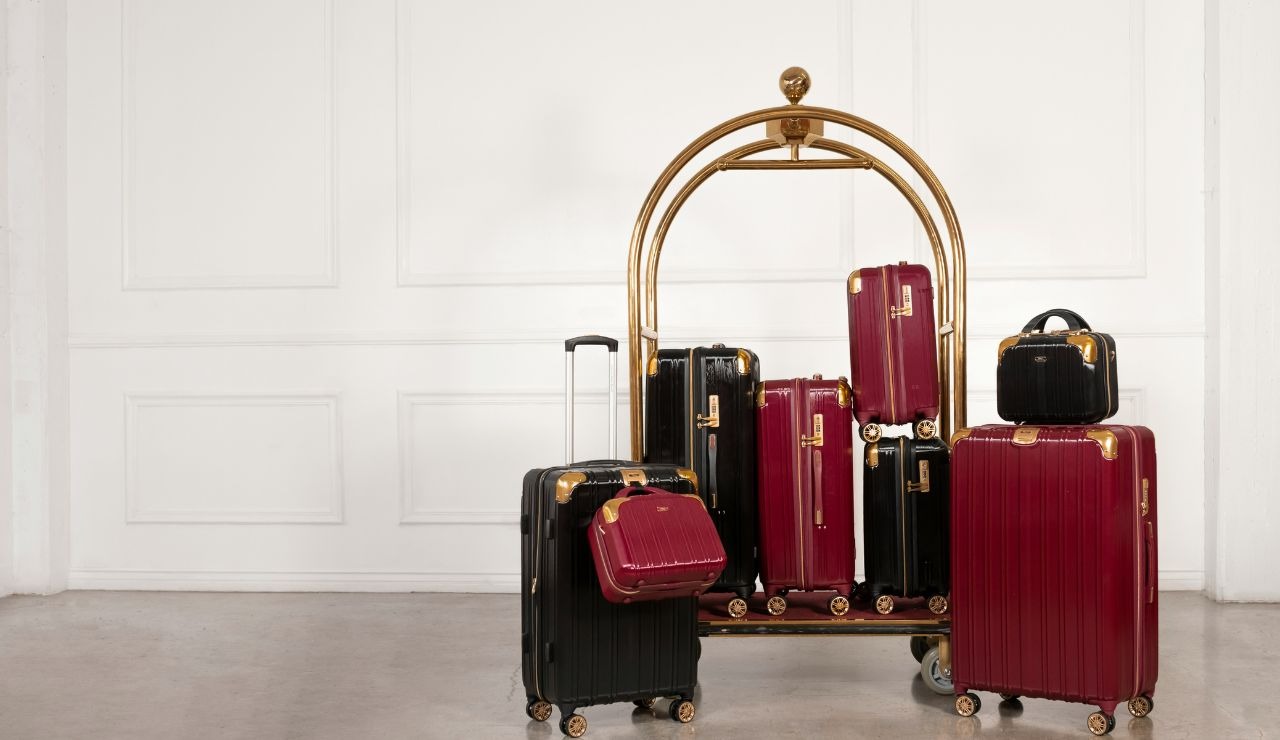
Guests who are newer to wealth often place strong emphasis on visible luxury branding. Clothing, accessories, and luggage may prominently display logos, reflecting an effort to present status in a recognizable and outward way.
In contrast, those with more experience in luxury environments often choose items that are less visibly branded. Their focus tends to shift toward comfort, quality, and personal preference rather than easily identifiable labels.
From a hotel attendant’s perspective, this difference is linked to familiarity. As individuals grow more accustomed to wealth, their choices often become more understated and less centered on visible brand recognition.
3. Seeking Reassurance for Decisions
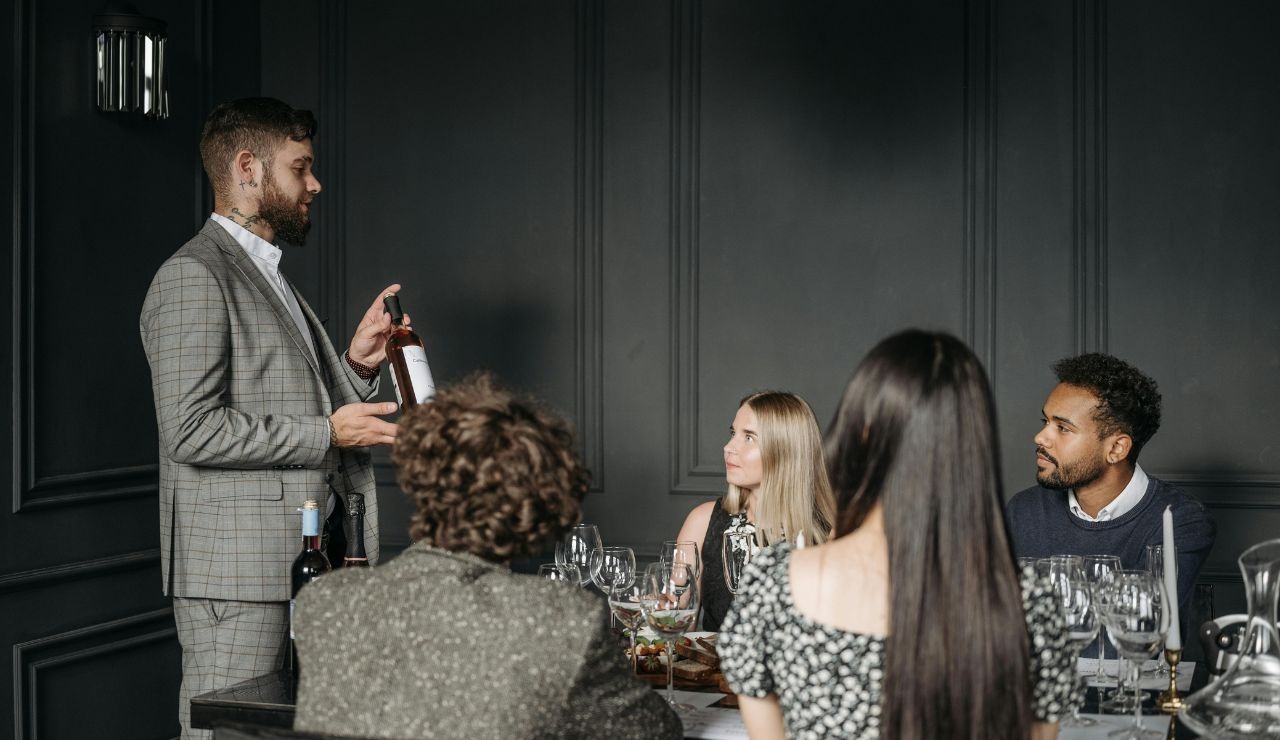
Some guests frequently look for reassurance when making decisions, whether related to rooms, dining, or additional services. They may ask staff if their choice is the best available or seek confirmation before finalizing a simple selection.
This pattern often indicates a developing familiarity with luxury standards. Instead of relying on personal judgment, these guests prefer validation to ensure they are making appropriate choices.
Hotel attendants recognize this as a natural stage of adjustment. With more exposure to similar environments, guests typically gain confidence and begin to make decisions independently without needing repeated confirmation.
4. Overly Formal or Assertive Interaction Style
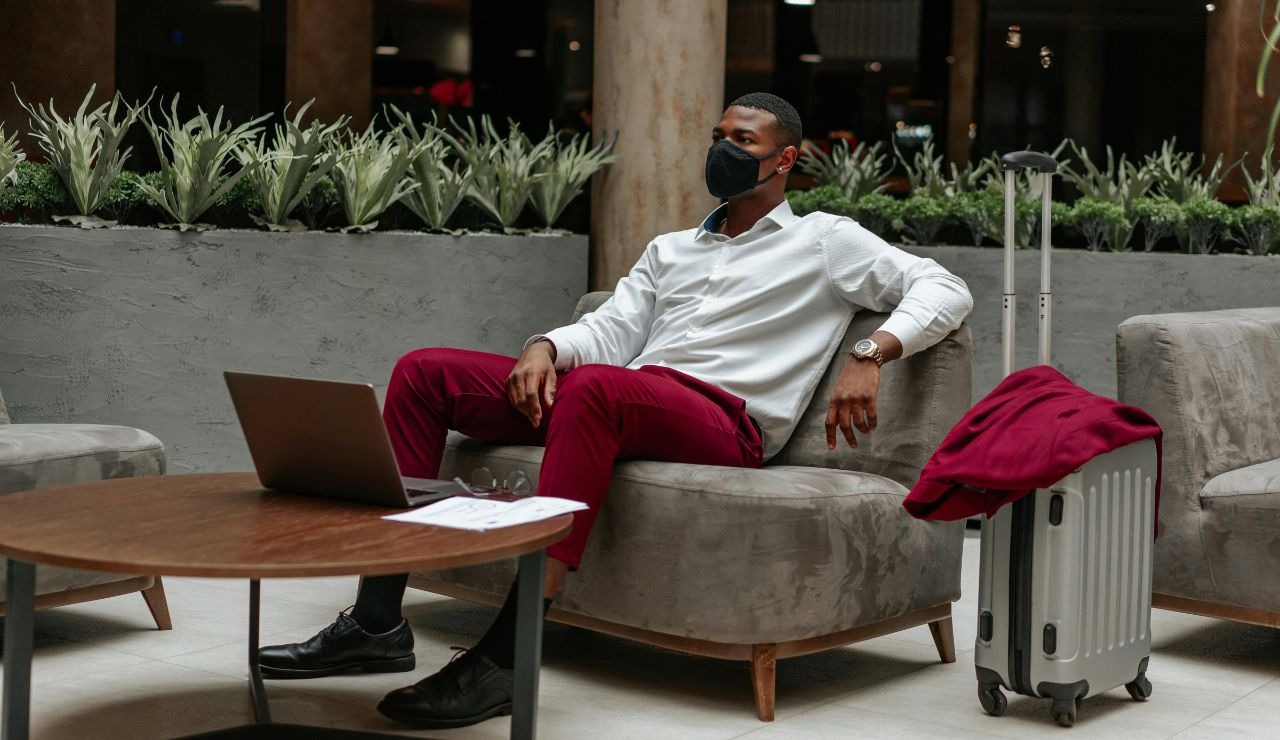
In interactions with staff, some guests adopt an overly formal or assertive tone. This may involve exaggerated politeness or a structured way of speaking intended to ensure their request is taken seriously.
Luxury service environments already operate with a high level of professionalism, so this approach is generally unnecessary. Guests who are familiar with such settings tend to communicate in a calm and natural manner.
Attendants often interpret this style as part of an adjustment phase. As guests become more comfortable, their communication usually becomes more relaxed and aligned with the tone of the environment.
5. Uncertainty Around Service Processes
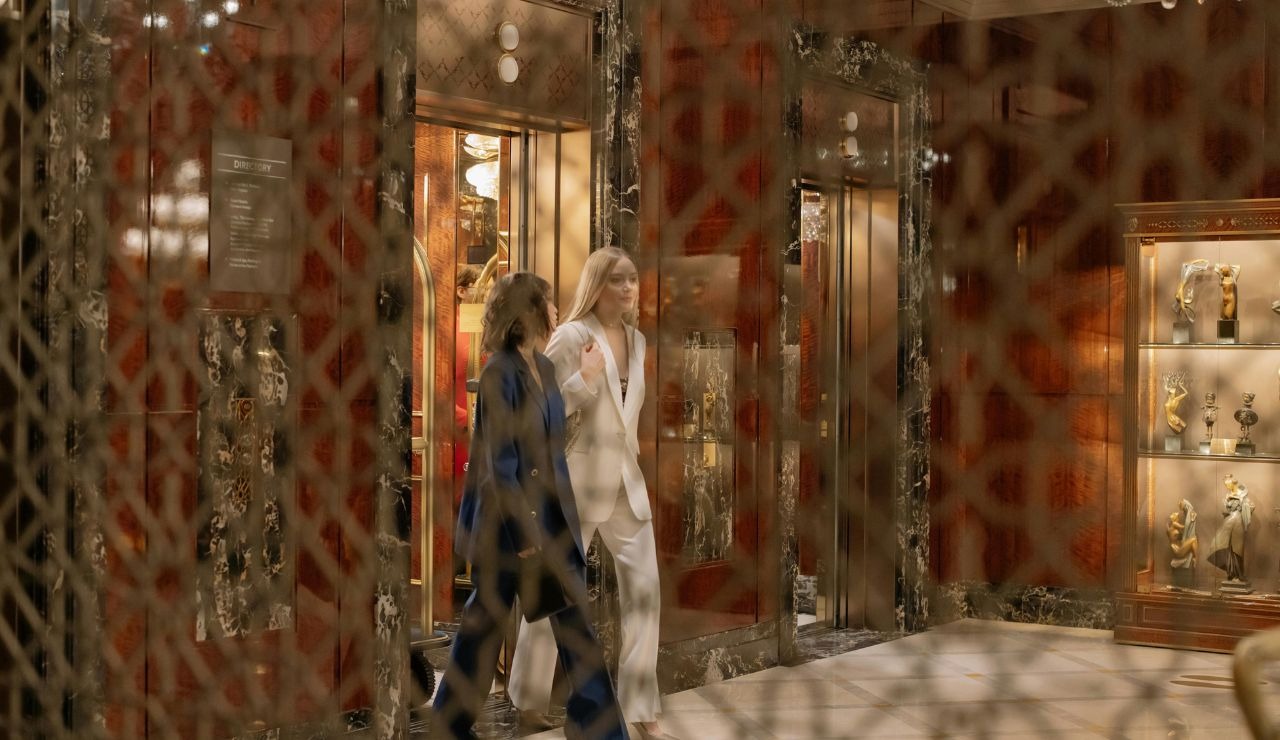
Luxury hotels follow a consistent service flow, from arrival procedures to in-room experiences. Guests familiar with these patterns move through each step smoothly, understanding what to expect without needing detailed guidance.
Others may pause or ask additional questions about processes that are generally intuitive within such environments. This can include uncertainty during check-in, dining interactions, or how to request services.
From an attendant’s perspective, this reflects exposure rather than ability. With repeated visits, guests naturally become more confident and begin to navigate the environment with greater ease.
6. Inconsistent Tipping Habits
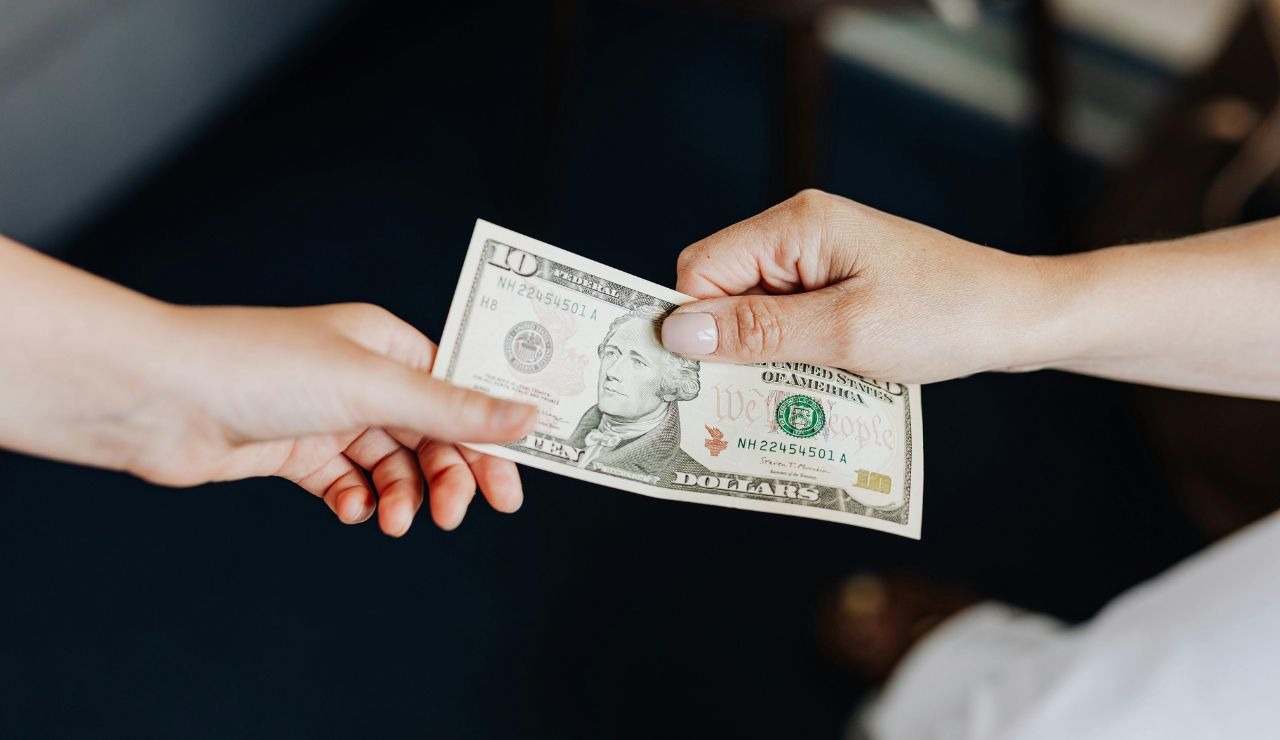
Tipping behavior often varies among guests who are unfamiliar with luxury service standards. Some may tip excessively to ensure appreciation is shown, while others hesitate due to uncertainty about expectations.
Guests who are more experienced tend to follow consistent tipping practices aligned with service levels and local norms. Their approach is usually steady and based on familiarity rather than uncertainty.
Hotel attendants notice these patterns as part of broader guest behavior. Over time, as individuals become more accustomed to such environments, their tipping habits typically become more balanced and consistent.