
The 2026 FIFA World Cup, set to be co-hosted by the United States, Canada, and Mexico, is already reshaping how American families plan vacations. The event marks the first time the tournament will return to the U.S. since 1994, creating excitement across generations. Families are not just buying tickets—they are planning entire trips around stadiums, sightseeing, and cultural experiences. Travel agencies, airlines, and hospitality sectors are reporting record early bookings. The tournament is transforming ordinary summer travel into a global sporting adventure for households nationwide.
Early International Flight Bookings
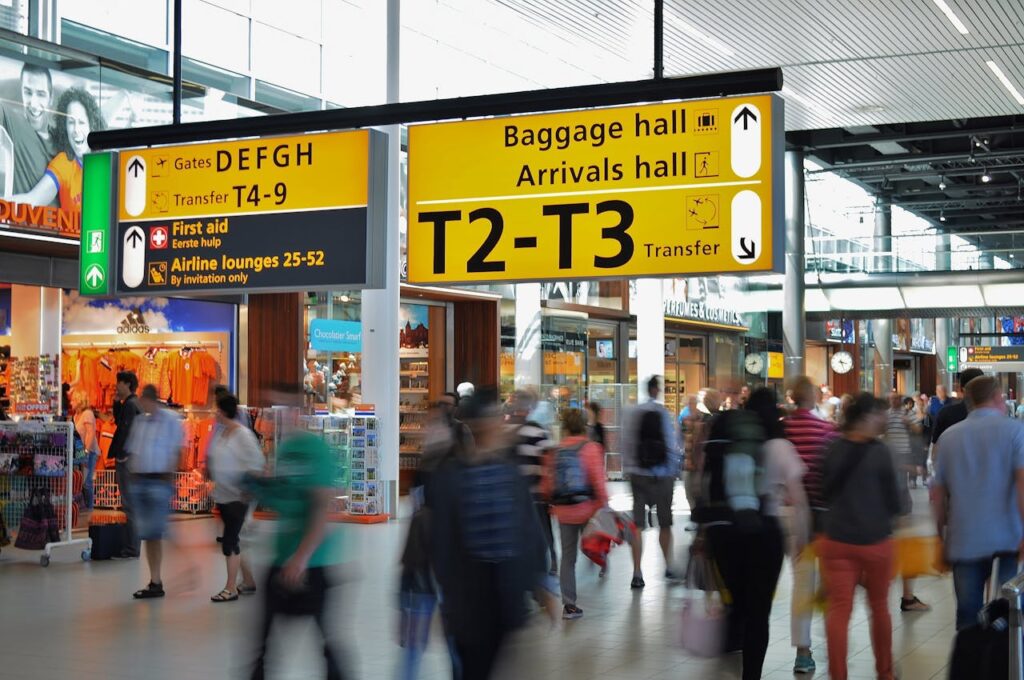
Even two years before the tournament, airlines reported a surge in international and domestic flights linked to World Cup travel. According to Expedia’s 2024 travel insights, searches for U.S. World Cup destinations increased by 30% compared to 2023. Families are reserving flights months in advance to secure better rates and accommodate school calendars. Longer itineraries, including multi-city travel in North America, are becoming common. The anticipation reflects both excitement and careful logistical planning for children and extended family.
Stadium Proximity Shapes Accommodation

The U.S. Soccer Federation confirmed stadiums in cities like New York, Los Angeles, Dallas, Miami, and Atlanta will host matches with capacities exceeding 60,000. Families are prioritizing lodging near venues to avoid long commutes and traffic congestion. Travel guides recommend booking at least 18 months in advance, as early reservations offer better availability and lower rates. Parents consider public transit access and family-friendly amenities in selecting accommodations. Proximity planning ensures children can enjoy games without fatigue while combining travel with leisure activities.
Budgeting for Multi-Match Attendance

Attending multiple World Cup matches is expensive, with costs for tickets, lodging, and meals reaching several thousand dollars per family. Financial planning has become essential, with websites like Kayak and Hopper offering flight-tracking alerts and price predictions. Families are choosing strategies such as sharing accommodations, booking group rates, and limiting trips to key matches. Parents increasingly compare package deals that bundle games, city tours, and cultural excursions. Budget-conscious planning allows families to experience the event fully without financial strain.
Combining Sightseeing With Soccer

Many families are blending stadium visits with sightseeing to maximize travel experiences. In Los Angeles, itineraries include Hollywood tours and beach outings; Miami travelers combine games with Everglades tours and Art Deco exploration. According to AAA, multi-experience packages for World Cup trips rose 25% in early 2024 bookings. Parents aim to balance excitement with education, giving children exposure to cultural, historical, and culinary experiences alongside sports. This approach transforms travel into a comprehensive family learning opportunity.
Adjusting School Calendars

Though the World Cup falls during the U.S. summer break, some families request extended absences for multi-city trips. Schools in major metropolitan areas are receiving early inquiries from parents planning international travel. Districts are preparing policies to accommodate learning continuity through virtual assignments or approved excused absences. Families are adjusting vacation timing to include recovery from travel and multiple match days. The tournament’s influence extends beyond leisure, subtly affecting academic scheduling nationwide.
Hospitality Industry Expansion

Hotels, short-term rentals, and restaurants in host cities are expanding capacity to meet anticipated demand. Industry data from STR reports projected hotel rate increases of up to 40% in peak weeks. Seasonal staffing, amenity upgrades, and family-friendly services are being added to handle influxes. Families are closely monitoring early-bird offers and bundled packages. Hospitality adaptation ensures comfortable stays and supports travel planning for families attending multiple matches or exploring several host cities.
Organized Group Travel

Sports clubs, schools, and fan organizations are coordinating collective travel plans to attend matches. Platforms like Meetup and Facebook list dozens of World Cup-focused family groups. Traveling together allows parents to share accommodations, car rentals, and sightseeing responsibilities. Group arrangements foster social engagement, ensuring children meet peers with shared interests. The model also helps reduce travel stress, making international sports tourism accessible to more families.
Cultural and Culinary Exploration

Families are using the World Cup to explore local culture, cuisine, and history in host cities. In Mexico City, families may visit historic sites and sample traditional dishes, while in Los Angeles, culinary tours highlight multicultural flavors. Surveys from Skyscanner show that American travelers increasingly prioritize educational activities alongside leisure events. Parents embrace experiences that expose children to global perspectives, languages, and culinary diversity. The tournament inspires multi-layered trips that combine sports with meaningful cultural engagement.
Lasting Impact on Travel Habits

Travel analysts predict that exposure to the 2026 World Cup will influence long-term vacation planning. Families experiencing international sporting events are likely to prioritize early bookings, multi-city itineraries, and group travel in future trips. Children attending these events gain appreciation for global culture and sportsmanship, shaping lifelong travel behavior. Airlines, hotels, and tour companies report increased repeat bookings for multi-generational experiences. The tournament is leaving a permanent imprint on how American families integrate sports, education, and leisure into travel planning.