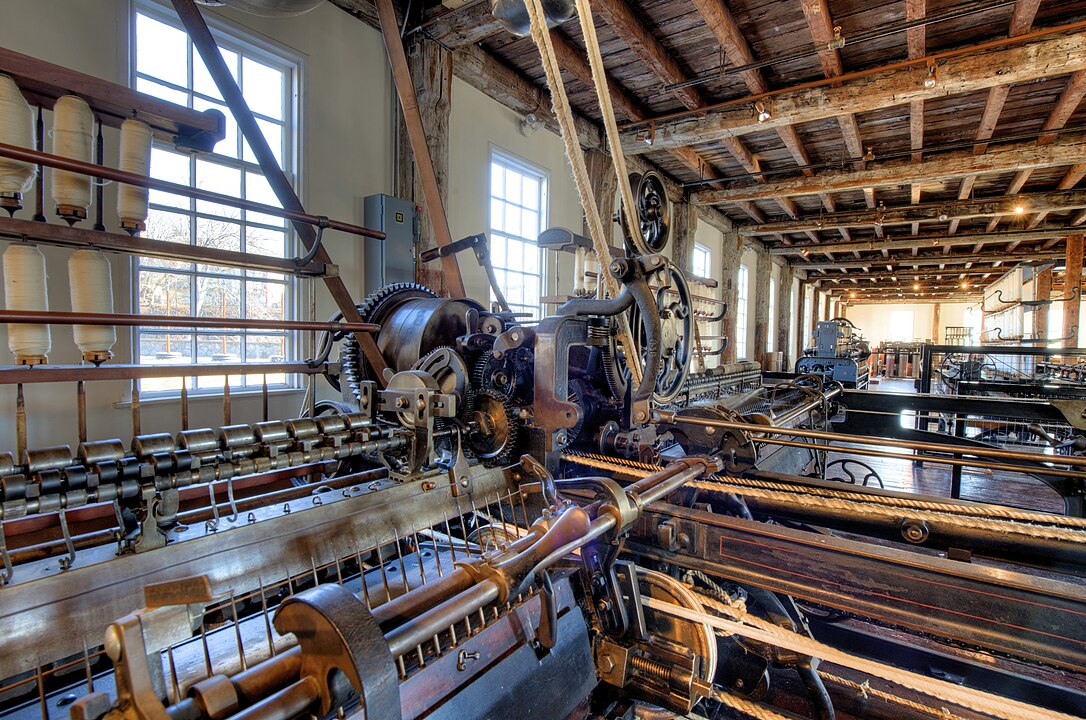
In today’s fast-paced, digital-first world, it can be easy for children to forget that the conveniences they enjoy were built on centuries of hard work and industrial ingenuity. Vintage American factories provide families with a window into the past, showing kids how the nation’s growth was powered by textiles, automobiles, and war-era production. These historic sites blend storytelling with hands-on exhibits, letting children experience the rumble of machinery and the lives of the workers who helped shape modern America. Exploring them together not only makes history memorable but also reveals the resilience and creativity that built the world we live in today.
Boott Cotton Mills Museum in Massachusetts
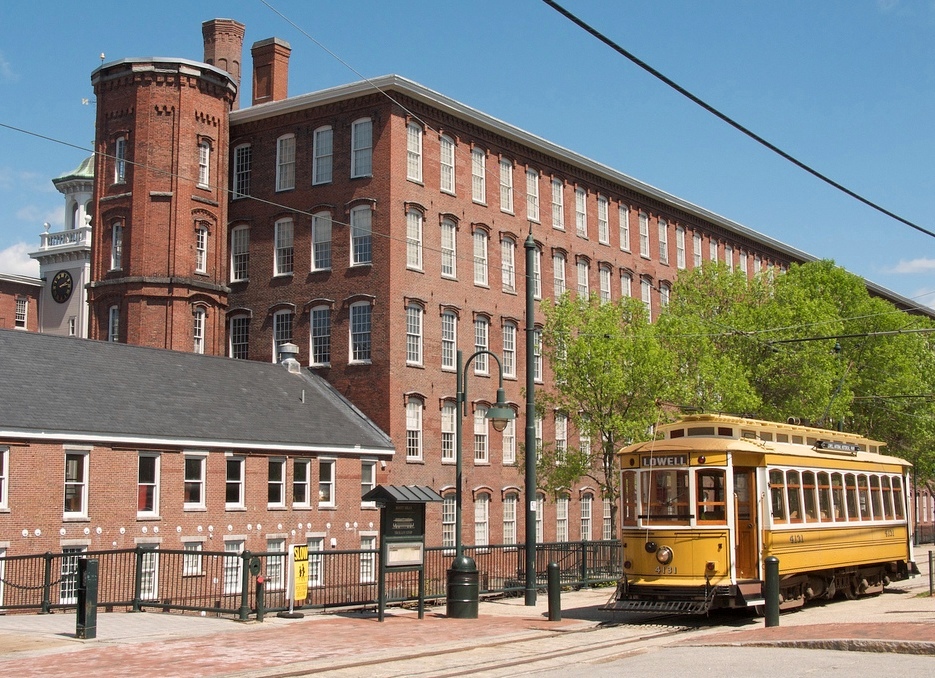
Located in Lowell, Massachusetts, the Boott Cotton Mills Museum is part of the Lowell National Historical Park and offers a vivid look at the Industrial Revolution in America. Families can walk through restored mill buildings where deafening looms still operate, allowing kids to see, and hear, how fabric was produced in the early 20th century. Exhibits highlight the lives of “mill girls,” many of whom were young women who worked long hours under challenging conditions. Interactive displays and guided tours make it easy for children to connect abstract history lessons to real people and experiences. The museum reminds visitors how textiles transformed America into a global industrial leader.
Slater Mill in Rhode Island
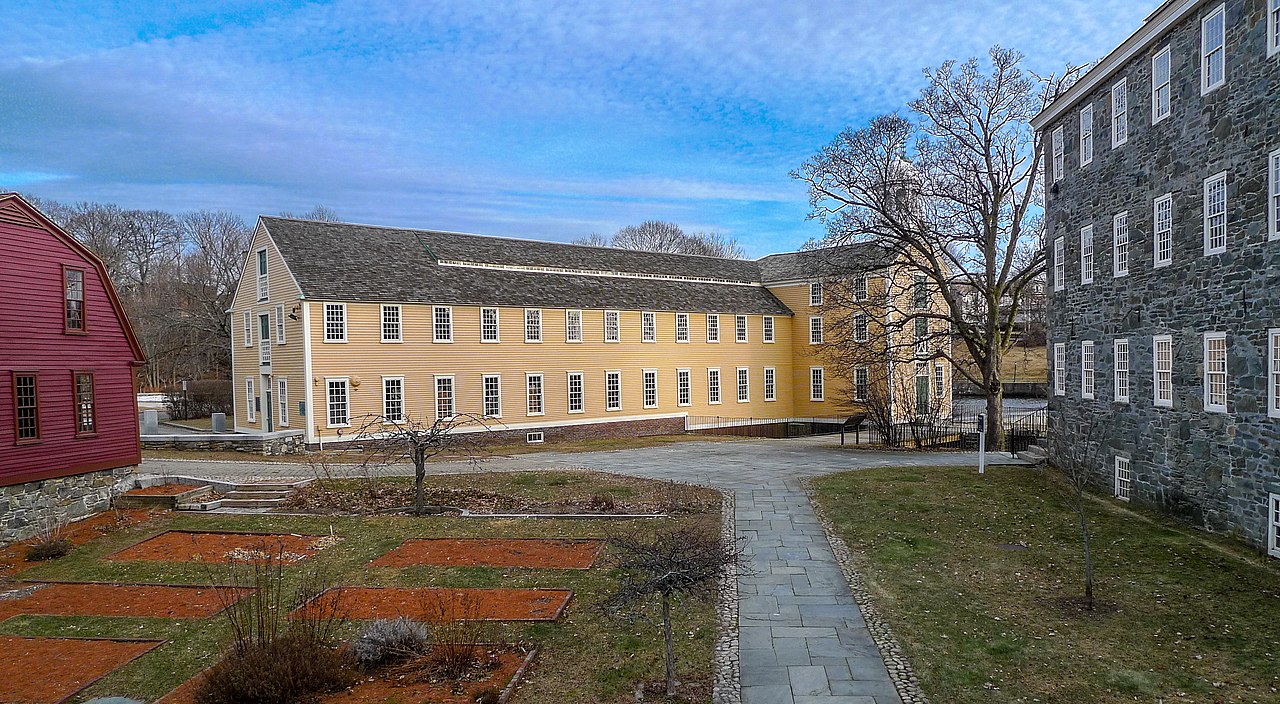
Known as the birthplace of the American Industrial Revolution, Slater Mill in Pawtucket, Rhode Island, is another must-visit for families. This water-powered cotton spinning mill, built in 1793, revolutionized textile production in the United States. Kids can explore original machinery, learn about the lives of workers, and even see demonstrations of traditional spinning techniques. The site also emphasizes labor history, including America’s first factory strike, offering lessons about the struggles of early workers and the importance of fair treatment. Visiting Slater Mill shows children how innovation and labor shaped both local communities and national progress.
Windham Textile and History Museum in Connecticut
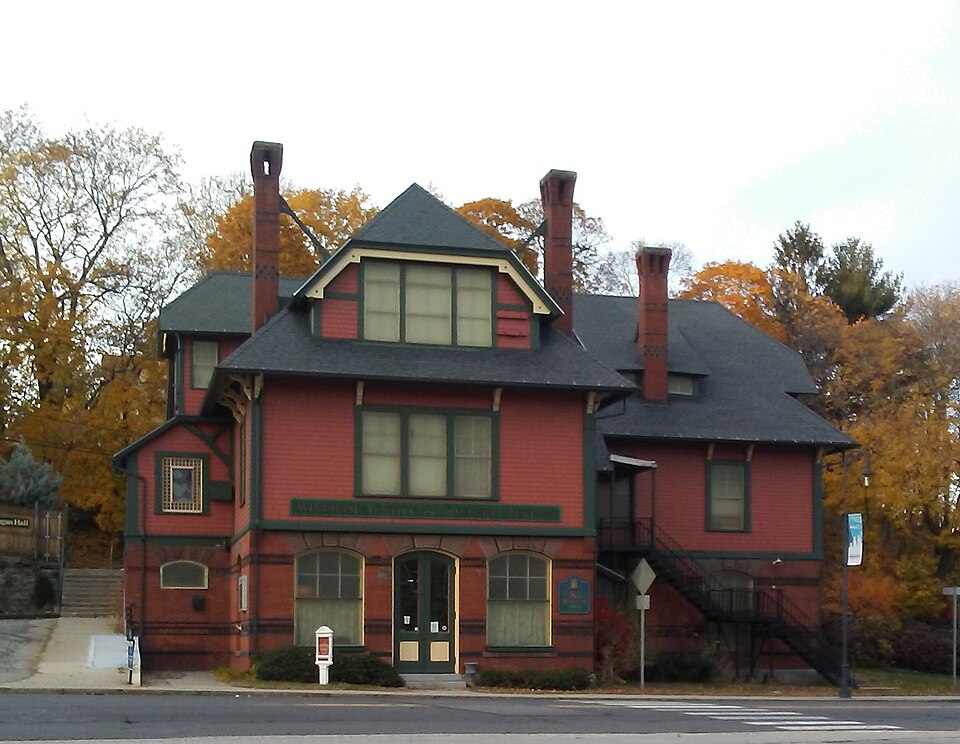
The Windham Textile and History Museum, often called “The Mill Museum,” offers an immersive look at life inside a factory town. Children can see recreated mill boarding houses, manager’s offices, and workshops filled with antique sewing machines and tools. The museum highlights not only production but also the social world of mill towns, where generations of families lived and worked together. Special programs for kids often include hands-on weaving activities, scavenger hunts, and storytelling sessions that make industrial history approachable. The museum’s emphasis on everyday life helps young visitors understand the human side of factory work.
Samuel Slater Experience in Massachusetts
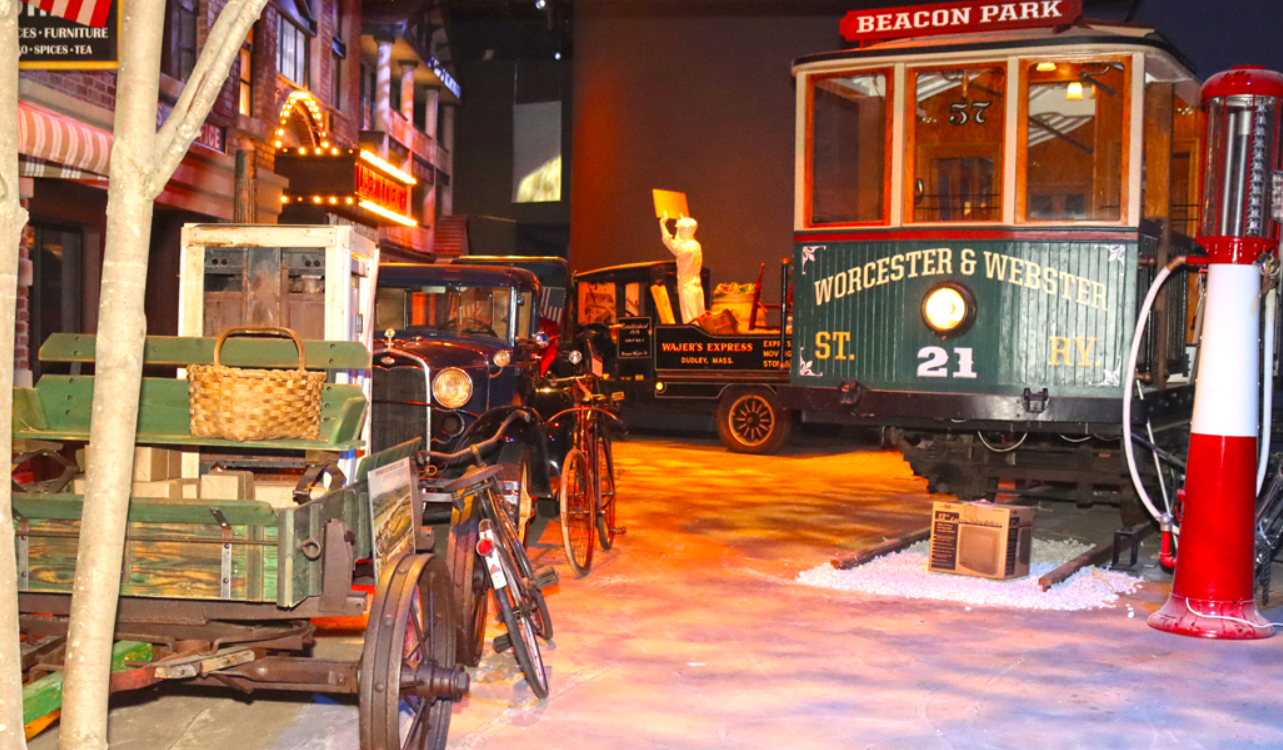
Unlike traditional museums, the Samuel Slater Experience in Webster, Massachusetts, combines cutting-edge technology with history. Families ride a recreated trolley through a 1900s mill town, complete with sound effects, moving images, and even scents that transport visitors back in time. Kids can watch videos, hear personal stories, and explore interactive displays that illustrate the rise of American industry. The exhibit’s design encourages children to ask questions and connect history to their own experiences. By blending education with sensory exploration, the Samuel Slater Experience makes industrial heritage both fun and unforgettable.
The Henry Ford Rouge Factory Tour in Michigan
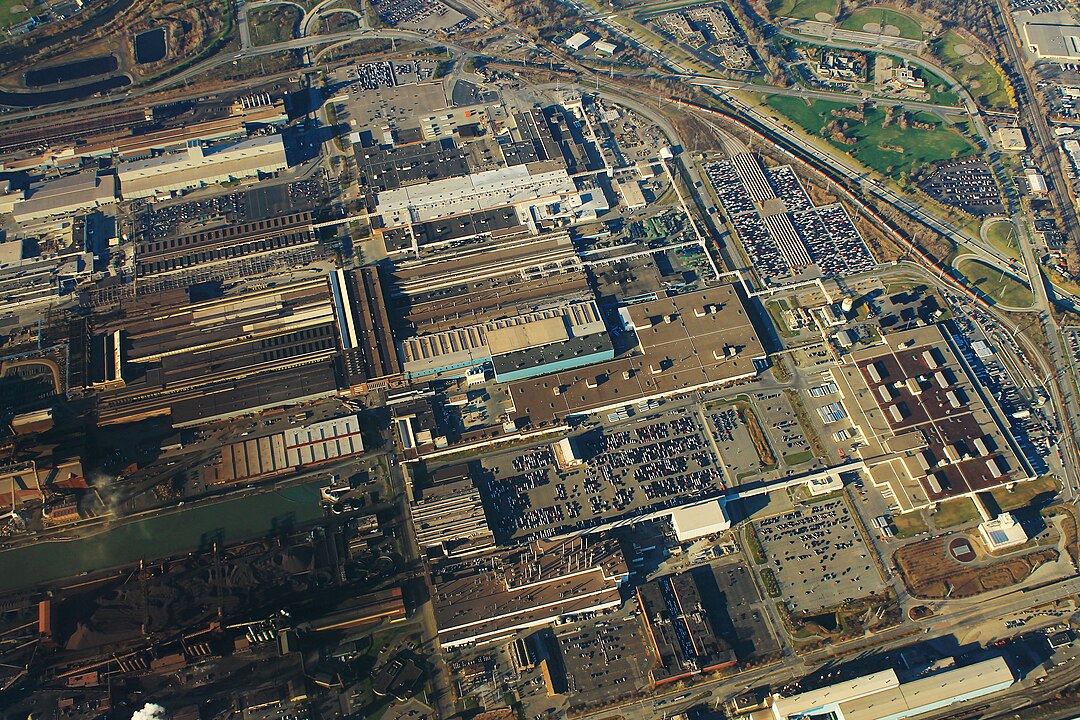
For families fascinated by cars, the Ford Rouge Factory Tour in Dearborn, Michigan, is an essential stop. This modern-meets-historic site allows kids to see how Henry Ford’s assembly line transformed car production and shaped America’s economy. Visitors can watch the production of modern Ford F-150 trucks while learning about the history of the Model T and its impact on family life. Multimedia exhibits tell the story of workers, innovation, and America’s love affair with automobiles. For children, it’s a chance to connect the car in their driveway to a century of engineering and imagination.
Rosie the Riveter/WWII Home Front in California
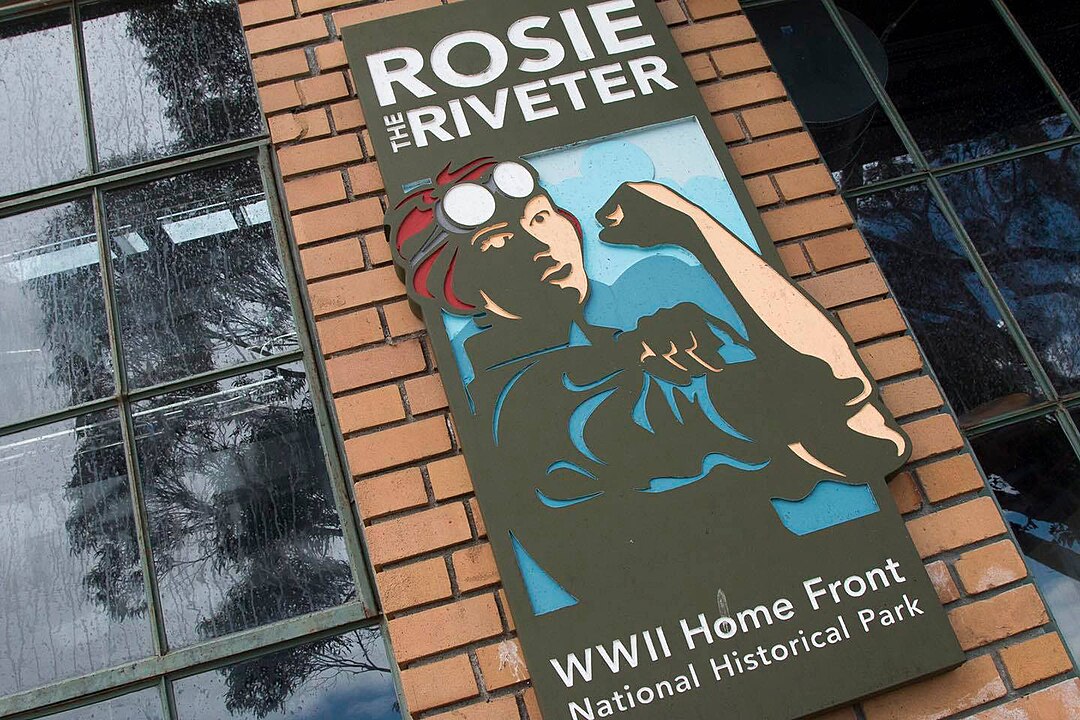
During World War II, American factories shifted from consumer goods to war production, and the Rosie the Riveter/WWII Home Front National Historical Park in Richmond, California, captures this transformation. The site honors the millions of women who entered the workforce, building ships, planes, and munitions while men were overseas. Families can explore exhibits on factory work, rationing, and community life during the war. Kids are often fascinated by the role of women and minorities who stepped into new jobs and challenged traditional gender roles. The park demonstrates how collective effort at home was just as vital to victory as battles overseas.
Thomas Edison National Historical Park in New Jersey
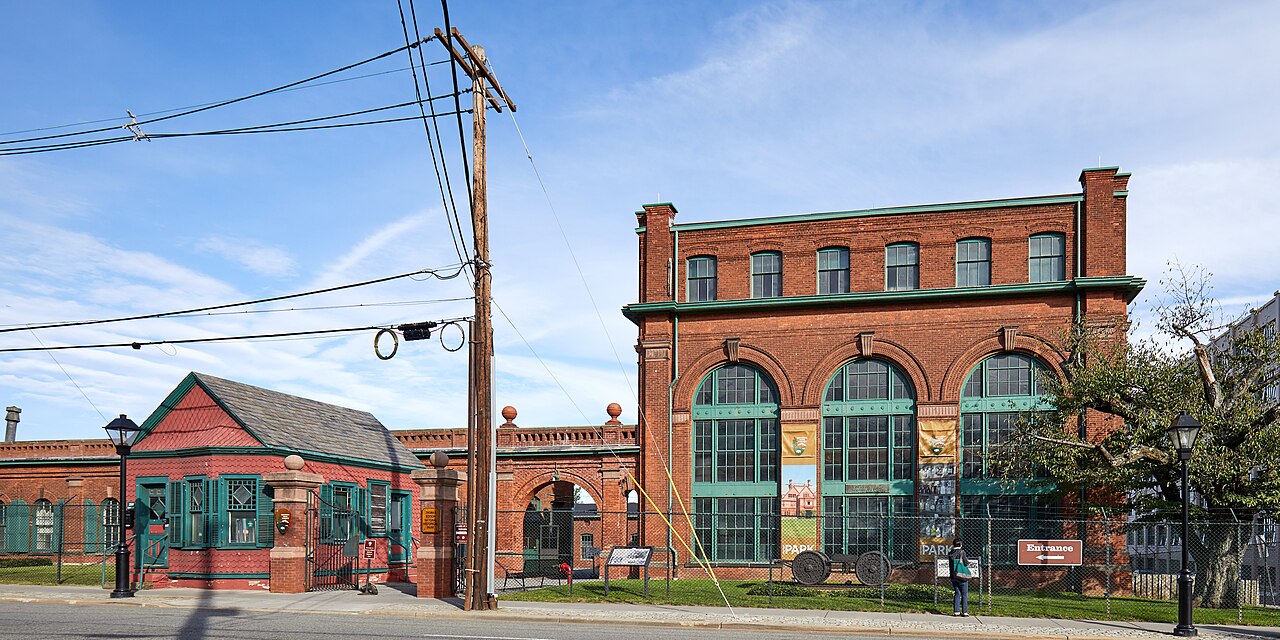
At the Thomas Edison National Historical Park in West Orange, New Jersey, children can explore the inventor’s laboratories and factories where countless ideas were tested and produced. The complex once employed hundreds of workers who helped Edison bring innovations like the light bulb, phonograph, and motion pictures to life. Visitors can tour preserved laboratories filled with original equipment, giving kids a tangible sense of invention and trial-and-error creativity. The exhibits also highlight Edison’s business side, showing how factories and teamwork turned ideas into products that changed everyday life. For families, it’s a powerful lesson in how imagination meets industry.
American Precision Museum in Vermont
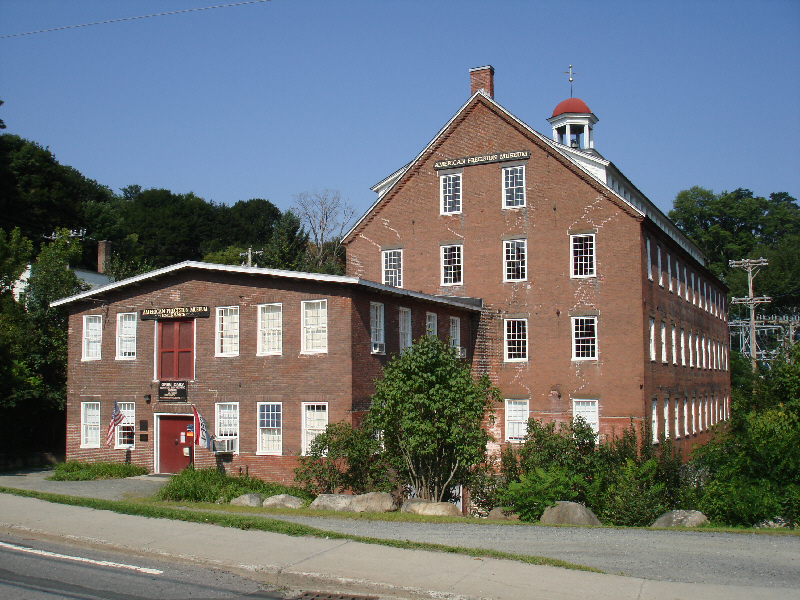
The American Precision Museum in Windsor, Vermont, tells the story of America’s machine tool industry, which laid the groundwork for mass production. Kids can see precision tools, early lathes, and milling machines that made everything from firearms to sewing machines possible. The museum emphasizes how interchangeable parts and precision engineering fueled industrial progress. Interactive displays let children handle tools and explore how machines shaped innovation across industries. It’s a destination that shows how even small details, like a perfectly cut screw thread, played a huge role in building modern life.
Whitneyville Armory in Connecticut
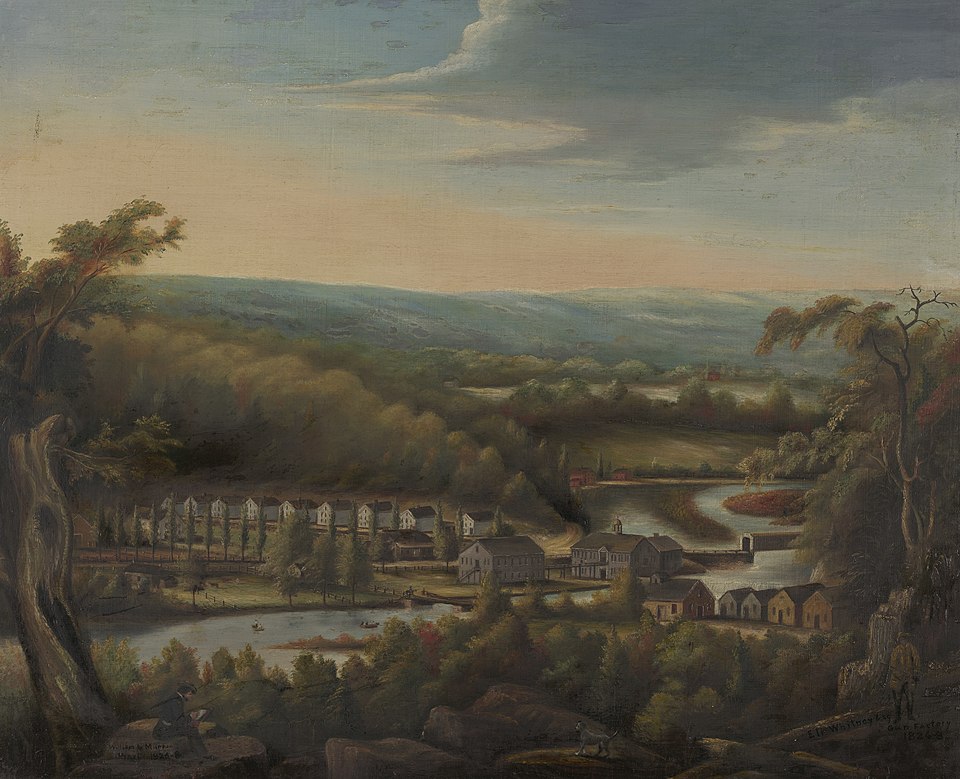
The Eli Whitney Armory, located in Whitneyville, Connecticut, showcases the birthplace of standardized manufacturing for firearms. Whitney’s system of interchangeable parts revolutionized American industry and influenced everything from furniture to automobiles. Families visiting the site learn how this innovation spread, making mass production more efficient and reliable. Exhibits highlight the ingenuity behind machinery and the workers who adapted to this new system. Kids leave with an understanding that even everyday items they use today owe their existence to breakthroughs made in early factories like this one.