
American communication relies heavily on subtle cues that often go unnoticed by locals. Visitors and immigrants frequently misinterpret these signals, leading to confusion, awkward moments, or unintended offense. From body language to conversational habits, these unspoken rules shape social interaction. Understanding them offers insight into the invisible grammar of daily life in the United States and helps outsiders navigate social contexts more smoothly.
Nodding While Listening

Americans frequently nod continuously while someone is speaking to indicate attentiveness and engagement. Outsiders may mistakenly assume this gesture signals agreement. In reality, it reflects active listening rather than consent. Misreading it can create misunderstandings, especially during negotiations or discussions where affirmation and acknowledgment carry different meanings.
Smiling During Awkward Moments

A smile is often used to diffuse tension rather than express joy. Visitors and immigrants may misinterpret it as sarcasm or insincerity. Americans rely on this subtle social tool to ease potentially uncomfortable situations. The habit maintains politeness, signals empathy, and prevents conflicts, serving as a silent lubricant in everyday interactions and casual exchanges.
Quick Handshakes

Short, firm handshakes are standard in greetings and farewells. Immigrants from cultures favoring long, formal handshakes may initially find them abrupt. The gesture conveys confidence, respect, and approachability without excessive formality. Its brevity reflects casual social norms and efficiency, signaling friendliness without overcommitting to prolonged physical contact.
Eye Contact Timing
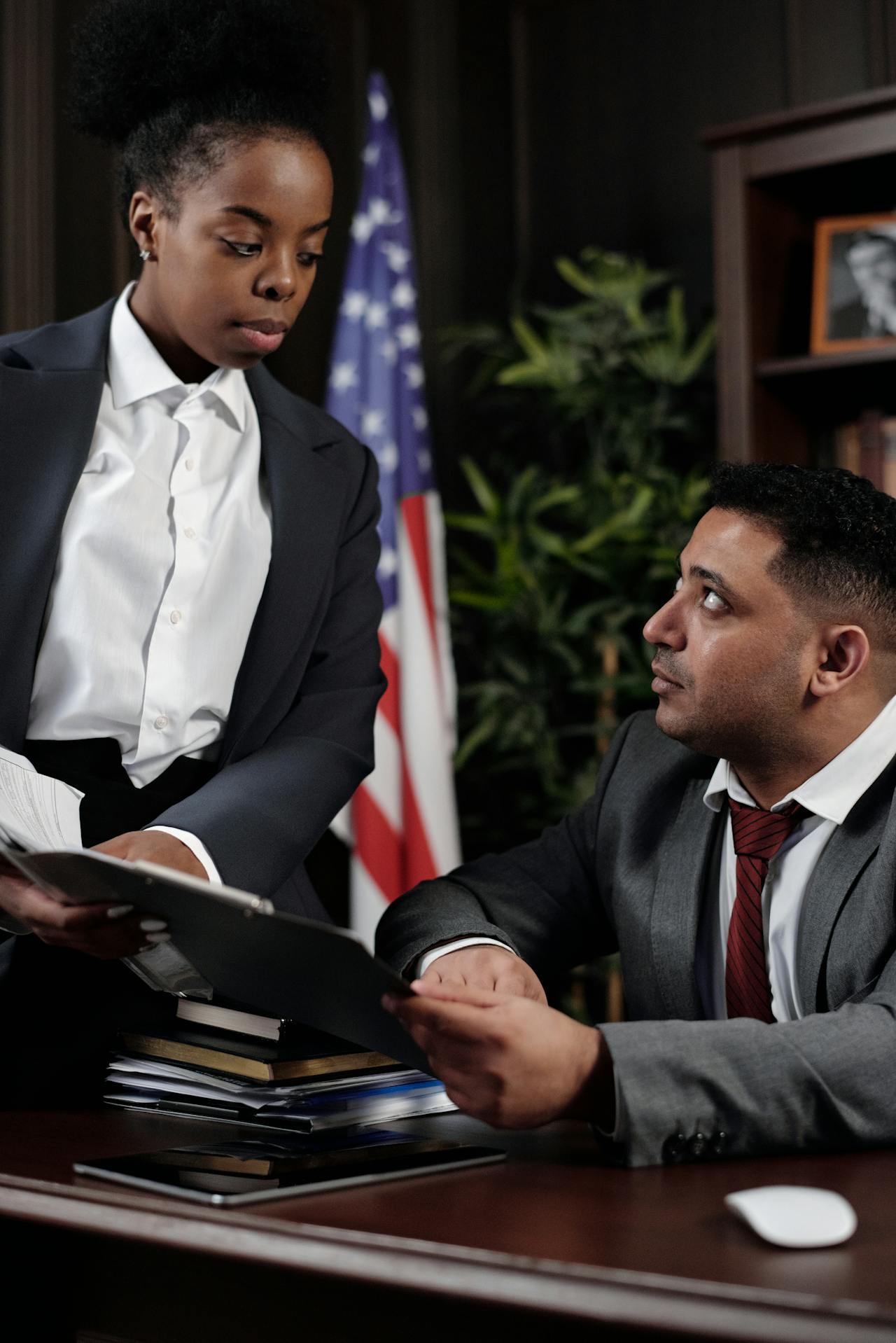
Moderate eye contact is considered polite and attentive in American culture. Too little can seem evasive or uninterested, while too much may feel aggressive. Visitors often struggle with this subtle balance. The unspoken rule reflects sincerity, engagement, and respect. Mastering the timing of eye contact is essential for smooth communication and avoiding misinterpretation.
Casual Personal Space

Americans generally maintain a larger personal space than in many other cultures. Visitors may perceive them as distant or standoffish. The spacing communicates comfort, safety, and respect for boundaries. Misreading this norm can lead to perceptions of coldness or aloofness, even when Americans are friendly, open, and welcoming within social interactions.
Laughing to Fill Silence

Small laughs, chuckles, or verbal interjections are common in conversation. Non-locals may assume Americans are making jokes or exaggerating humor. In fact, these sounds fill the silence, indicate engagement, and create a sense of friendliness. They serve as a subtle tool to smooth interactions, bridge conversational gaps, and make discussions feel more relaxed and natural.
Using “Uh-Huh” or “Mm-Hmm” Frequently

Verbal affirmations like “uh-huh” and “mm-hmm” signal that a person is listening attentively. Outsiders often interpret them as agreement or consent. In American culture, these expressions maintain the flow of conversation and show active engagement without interrupting. Understanding the distinction is crucial to avoiding miscommunication during discussions or negotiations.
Shoulder Shrugs for Uncertainty

A simple shoulder shrug often indicates uncertainty or lack of opinion. Visitors may misread it as laziness, indifference, or apathy. Americans use it to convey casual honesty and acknowledge gaps in knowledge politely. The gesture is a socially acceptable way to indicate “I don’t know” without creating tension or embarrassment in conversation.
Pointing With Chin or Nod

Instead of using fingers, Americans sometimes gesture subtly with their chin or a nod of the head to indicate direction or reference objects. Outsiders may not notice or may misinterpret these motions. The habit prioritizes subtlety and discretion over explicit instruction. Misunderstandings can arise if one expects more overt gestures, especially in navigation or group settings.
Overusing “Like” and “You Know”

Filler phrases such as “like” and “you know” are commonly used to signal engagement, thought processing, or casual tone rather than weak communication. Non-locals often perceive them as sloppy or informal. These expressions are deeply embedded in conversational style, helping speakers maintain rhythm, pause naturally, and signal attentiveness to their audience without interrupting flow.
Pausing Before Answering

Americans often take brief pauses before responding to questions, especially in professional or social contexts. Visitors may misinterpret this hesitation as uncertainty or lack of knowledge. In reality, it is a natural habit to think before speaking, show consideration, and maintain conversational politeness. The pauses help avoid hasty or poorly considered answers, emphasizing thoughtful communication.
Casual Gestures With Hands

Hand gestures are used sparingly and subtly in American interactions. Exaggerated gestures may feel theatrical, while subtle movements convey tone or emphasis. Outsiders often miss these nuanced cues, which influence conversational interpretation. Understanding these gestures helps decode meaning and intention, reinforcing the overall context of discussion without explicit verbal cues.
Smiling During Small Talk

Even trivial exchanges often include smiling, nodding, or brief pleasantries. Visitors may see this as insincere friendliness. In American culture, these behaviors indicate politeness, comfort, and openness. They make routine social interactions smoother and create a welcoming atmosphere, even among strangers or casual acquaintances, fostering subtle social cohesion.