Across the United States, many families are confronting a new financial strain that is pushing them to reconsider where they live: rapidly rising insurance costs. From homeowners insurance to flood and wildfire protection, premiums in many states have skyrocketed due to climate-related risks, inflation, and shifting market conditions. Insurers are reassessing the profitability of high-risk regions, and many have reduced coverage options or exited certain markets entirely. Families already stretched by rising costs of living are increasingly seeking safer, more affordable states where insurance is still accessible. This shift is reshaping population patterns, accelerating outbound migration from certain regions while boosting growth in others.
Florida

Florida has become one of the most expensive states in the nation for homeowners insurance, with premiums rising sharply due to increasing hurricane risks and storm-related claims. Many insurance companies have withdrawn from the state or introduced stricter underwriting rules, making coverage both costly and difficult to secure. Families who once enjoyed affordable coastal living are now reevaluating whether they can sustain the financial burden. Some residents respond by moving inland, while others are leaving the state entirely. The rising costs are reshaping long-held residential patterns across Florida.
California

California’s insurance turmoil has intensified as wildfire risks grow and rebuilding costs rise. Several major insurers have paused new homeowner policies or significantly increased premiums in high-risk fire zones. Families living near forests, rural areas, or foothill communities face some of the steepest increases. Combined with high housing and tax costs, these insurance spikes are motivating many Californians to search for more predictable markets in other states. The movement away from fire-prone regions reflects growing concerns about long-term affordability and stability.
Louisiana
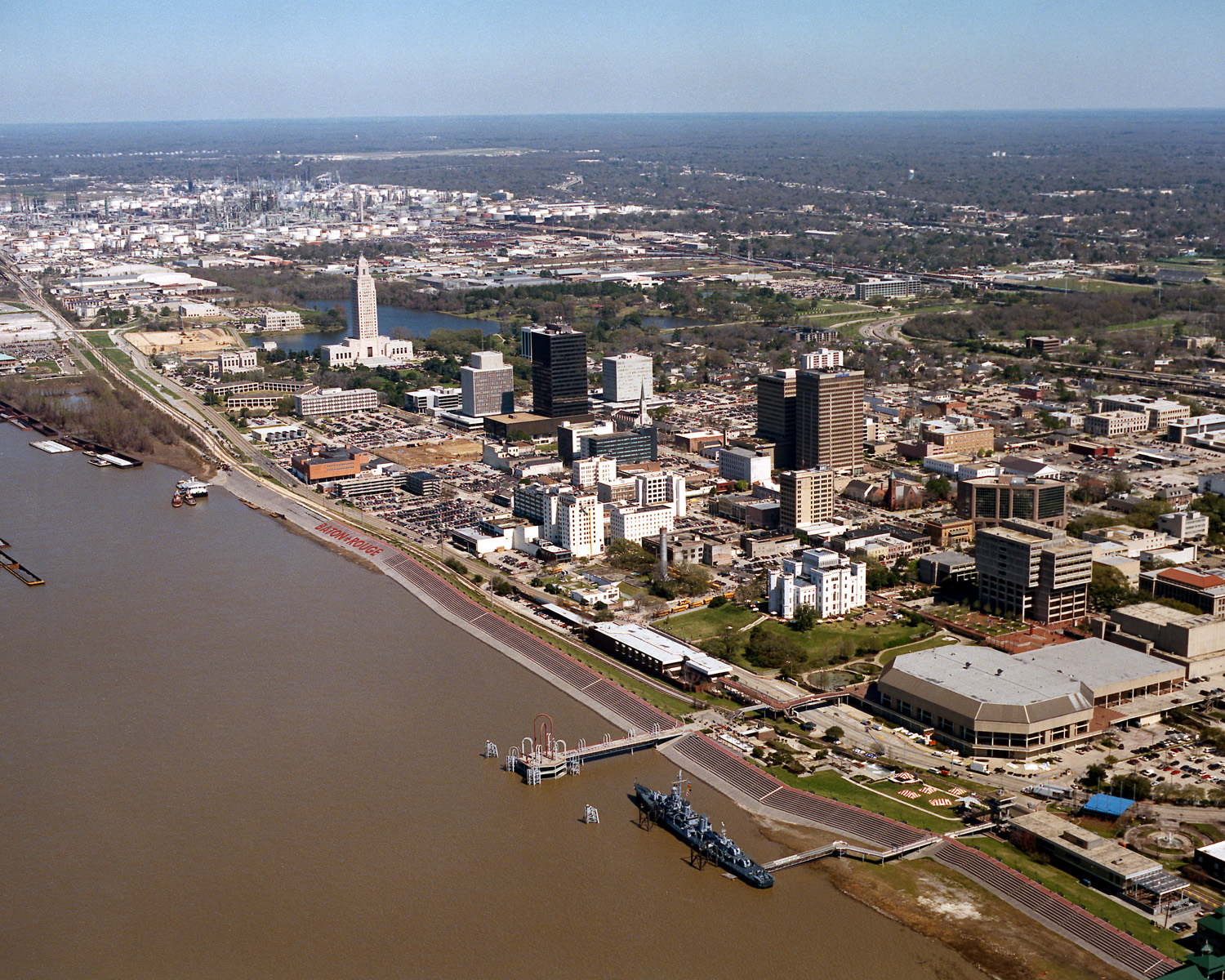
Louisiana continues to experience rising insurance prices as it contends with severe storm seasons, coastal erosion, and flood-zone vulnerabilities. Many families find themselves paying dramatically higher premiums or accepting policies with reduced coverage levels. The state’s unique geographic challenges have made it increasingly difficult for insurers to manage risk, leading to market contraction and fewer affordable options. Families living in low-lying areas face especially tough decisions about whether to stay or relocate. The pressure has driven many to move northward or to neighboring states with more stable insurance markets.
Texas

Texas has faced a rise in property insurance rates due to frequent severe weather events, including hailstorms, tornadoes, and flooding. Large metropolitan regions and rapidly expanding suburbs have seen premiums climb as insurers adjust to higher claim frequencies. Some companies have tightened requirements, making it harder for families to secure affordable coverage, especially for older homes. The combination of rising premiums and ongoing infrastructure challenges has encouraged some Texans to consider states with lower risk and lower insurance obligations. Families seeking predictability often choose nearby states with calmer climates.
Colorado

Colorado’s growing wildfire challenges have pushed many insurers to reevaluate their exposure throughout the state. Communities near forested foothills and mountain regions face some of the highest premium increases as wildfire seasons become longer and more destructive. Families living in scenic rural areas often shoulder the steepest cost burdens, prompting some to reconsider whether the views are worth the rising expenses. As insurance prices continue climbing, many residents are choosing safer suburban areas or relocating to neighboring states with more manageable risk profiles. These moves are gradually shifting population growth patterns across the region.
Oregon

Oregon has seen a notable rise in insurance costs due to increasing wildfire threats and rising property values. Families in forested or rural communities face steep increases in premiums and deductibles, making homeownership more challenging. Some insurers have implemented stricter standards or reduced coverage options to limit exposure. These changes have pushed residents in high-risk zones to explore relocation as a way to protect their long-term financial security. Many families leaving Oregon cite insurance instability as a key motivator behind the move.
New York

New York has experienced rising insurance premiums in coastal and flood-prone areas, especially along Long Island and other shoreline communities. With increasing storm intensity and aging coastal infrastructure, insurers are placing higher prices on risk mitigation. For families living close to water, affordability has become a significant challenge. Many are relocating to inland counties or other states where both housing and insurance are more predictable. The shift highlights the growing importance of climate-related risk assessments in family relocation decisions.
Hawaii

Hawaii’s unique geographic vulnerabilities, including volcanic risks, flooding, and storm exposure, have contributed to rising insurance prices across the islands. High rebuilding costs and remote supply chains further inflate premiums, placing pressure on local households. Families already strained by one of the highest costs of living in the nation are now facing additional insurance burdens. Some residents are relocating to the mainland where both housing and insurance are more attainable. The trend reflects the growing difficulty of maintaining affordability in isolated, high-risk regions.
New Jersey

New Jersey’s coastal communities face increased insurance pressures due to storm risks and rising sea levels. Premium hikes have become common for homeowners living near the Atlantic shoreline. Families who relied on stable insurance markets for years are now confronting steeper costs and limited coverage options. Many are moving farther inland or out of state to find more affordable living conditions. The result is a steady shift away from high-risk coastal zones as families prioritize long-term financial security.
Across these states, insurance instability has become a powerful factor reshaping where American families choose to live. Rising premiums, shrinking coverage options, and elevated climate risks are driving households toward regions with more predictable and affordable insurance markets. As families weigh safety, stability, and financial responsibility, the geography of American housing continues to evolve. These shifts reveal a broader trend: the places that once drew residents for their natural beauty or coastal access are now losing families due to the growing cost of protecting their homes.