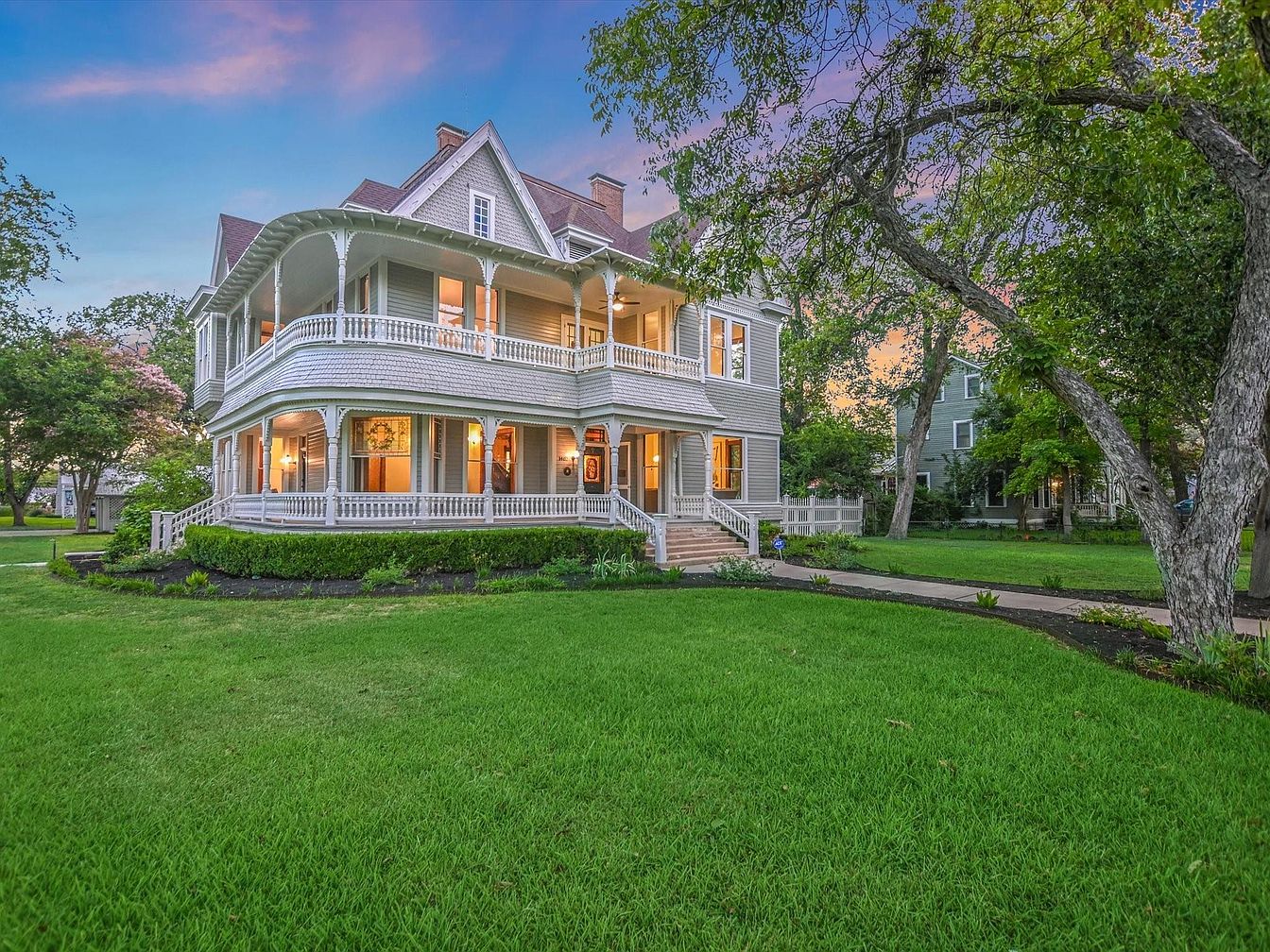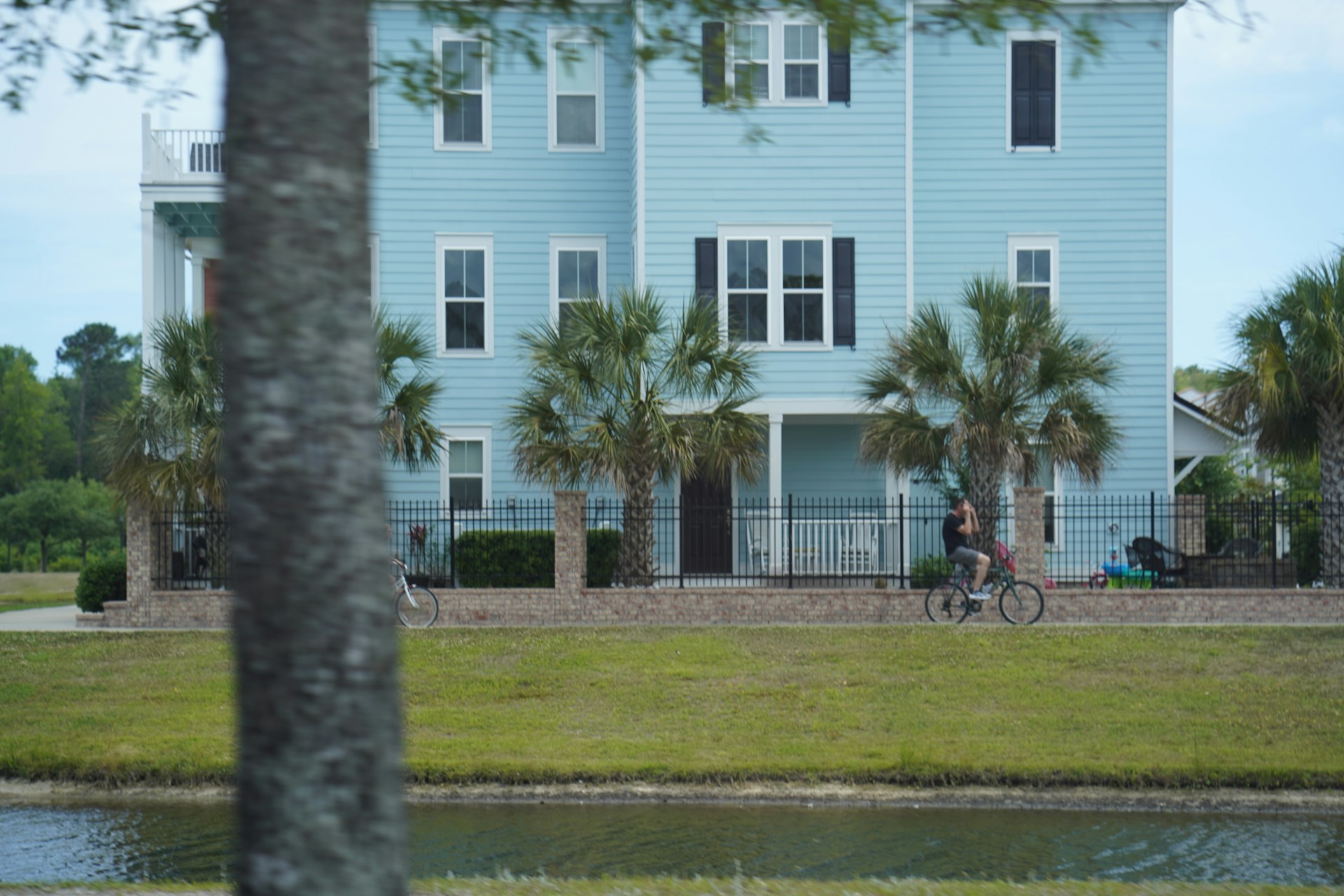
Suburban living in America is no longer defined by sprawl, sameness, or long commutes alone. As families reassess daily life, suburbs themselves are changing in response. The shifts influencing where families move in 2026 are subtle, practical, and often overlooked. They are driven less by prestige and more by how neighborhoods actually function. Families are paying attention to time, emotional load, infrastructure, and long term stability. These evolving priorities are quietly reshaping which suburbs grow, which stagnate, and which become the next destination for family life.
Choosing Suburbs With Many Small Centers Instead of One Busy Main Strip

Families are gravitating toward suburbs that function as clusters rather than single commercial corridors. Instead of one crowded main road, these areas offer several smaller hubs with schools, groceries, parks, and cafes. This layout reduces traffic pressure and shortens daily trips. Parents spend less time driving and more time present at home. Children gain access to nearby spaces without constant supervision. This shift reflects a preference for distributed convenience that supports calmer routines and less logistical fatigue.
Walkable Neighbourhoods Matter More Than Big Yards
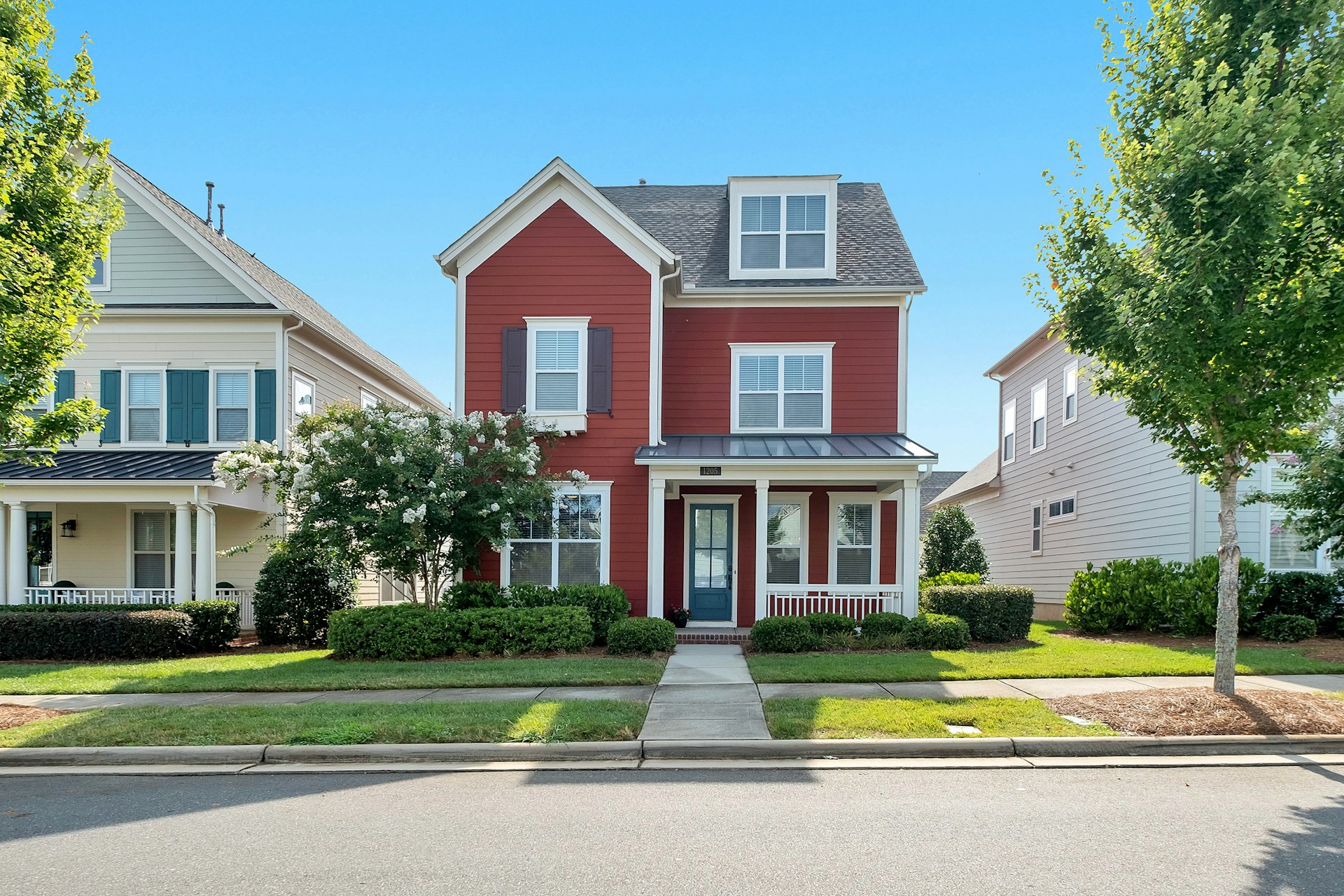
Large yards are no longer the primary suburban draw they once were. Families are increasingly choosing neighborhoods where daily needs can be met on foot or with short trips. Sidewalks, trails, and nearby amenities matter more than excess private space. Walkability supports independence for older children and reduces reliance on cars. It also encourages casual interaction, which strengthens community feel. The shift reflects a desire for movement built into daily life rather than managed through planning.
Families Want Stable School Districts, Not Just Top Rankings

Families are looking beyond headline school rankings and focusing on consistency and community engagement. Frequent boundary changes, overcrowding, and administrative turnover raise concerns. Parents want districts that feel predictable and responsive. Teacher retention, parent involvement, and manageable class sizes matter more than test score prestige. This shift reflects a long term mindset. Families are choosing places where schooling feels steady and supportive rather than competitive and volatile.
Predictable Commutes Are Preferred Over Shorter Ones

Families are becoming less concerned with how long a commute is and more focused on how predictable it feels. An hour that varies wildly creates stress. A consistent routine, even if longer, allows planning and balance. Suburbs with reliable transit routes or traffic patterns are gaining appeal. Predictability reduces daily anxiety and improves household rhythm. This shift reflects how families measure quality of life through emotional stability rather than distance alone.
Mixed Age Neighborhoods Are More Appealing Than New Developments

Instead of brand new developments filled with similar households, families are choosing neighborhoods with age diversity. Areas with older residents, longtime homeowners, and families at different stages offer continuity. These neighborhoods feel less transient and more grounded. Children benefit from stability and informal mentorship. Parents appreciate shared memory and local knowledge. This shift reflects a desire for community depth rather than aesthetic uniformity.
Homes That Can Adapt as Family Needs Change
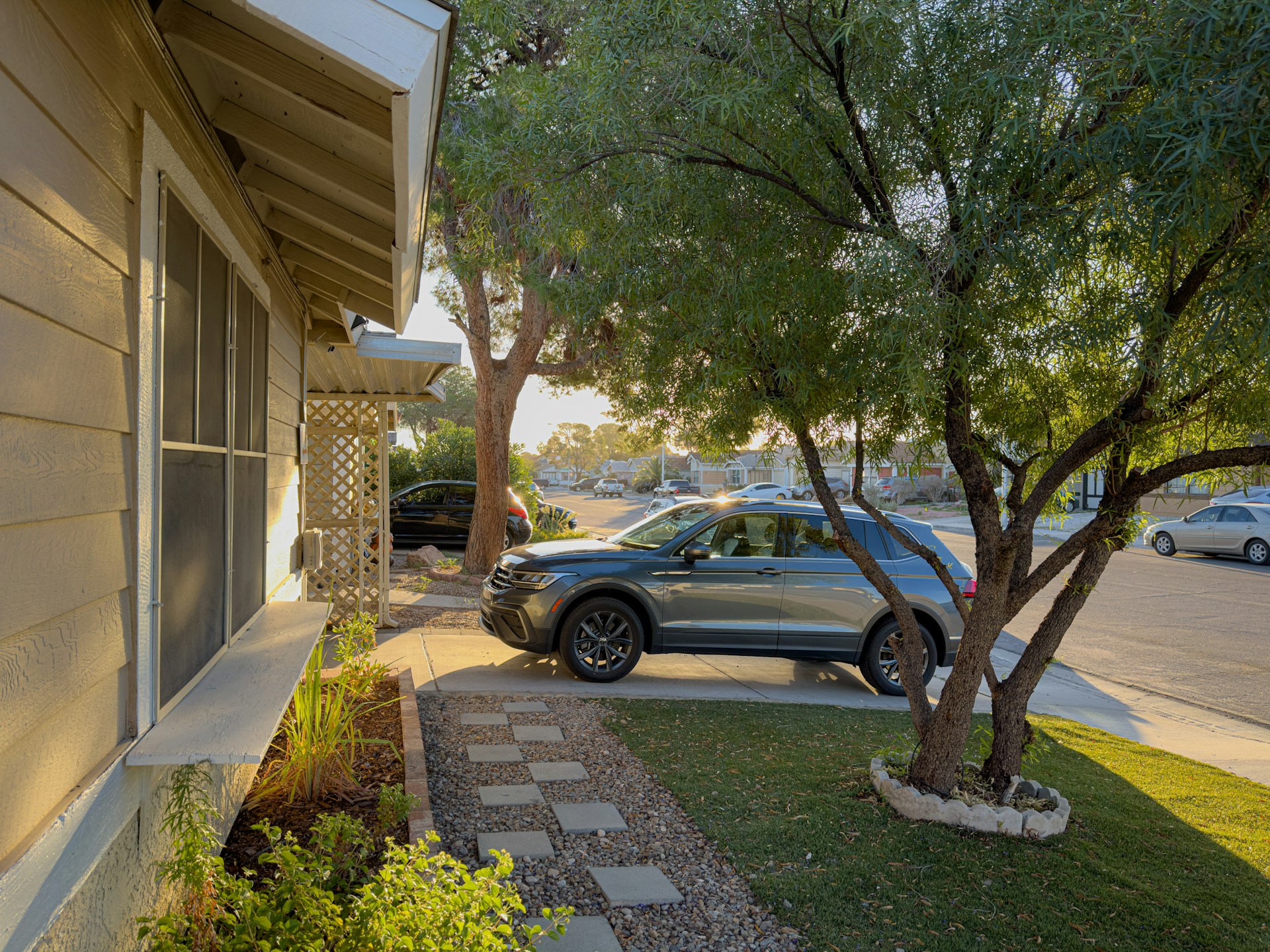
Families are paying attention to housing adaptability rather than square footage alone. Homes that allow for home offices, multigenerational living, or future changes are more attractive. Basements, bonus rooms, and layouts that can evolve matter. This reflects awareness that family needs shift over time. Suburbs with varied housing options support longevity rather than forced relocation. Flexibility is becoming a core decision factor.
Suburbs With Strong Local Services Are Gaining Value

Families are choosing suburbs that function independently rather than relying heavily on nearby cities. Access to healthcare, recreation, libraries, and public services locally matters more than distance to downtown. This reduces dependency and travel strain. Suburbs with strong internal infrastructure feel safer and more self sufficient. Families want daily life to work without constant outward movement.
Climate Comfort Is Quietly Affecting Where Families Move

Heat, flooding, and seasonal extremes are influencing suburban choice more quietly than headlines suggest. Families are noticing tree cover, drainage, and microclimates. Comfort during everyday life matters more than occasional weather events. Suburbs with thoughtful planning and natural buffers feel more livable. This shift reflects growing awareness of how environment shapes daily stress and health.
Slower, Calmer Suburbs Are Becoming More Attractive
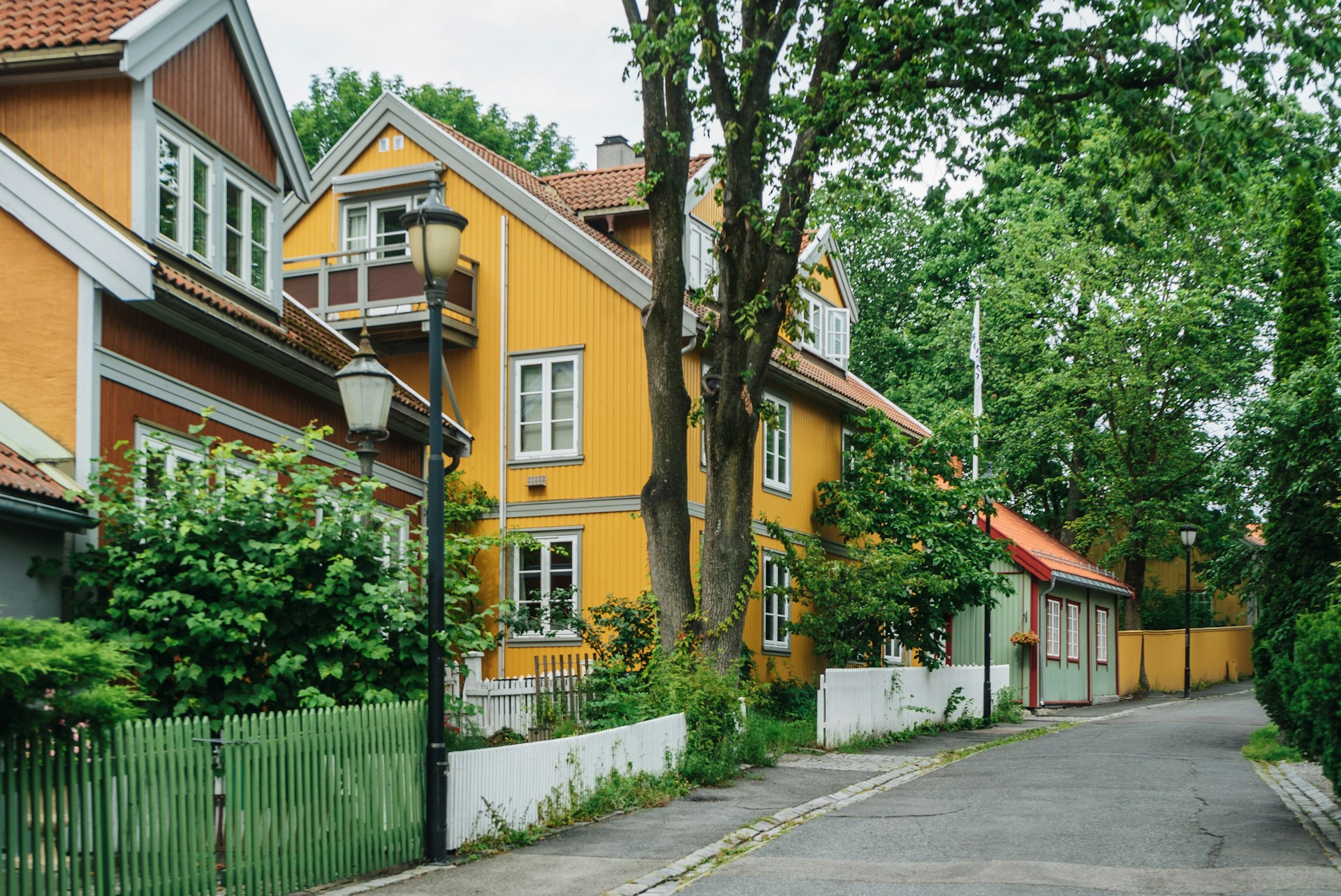
Families are choosing places where life feels less compressed. Fewer events, calmer traffic, and quieter evenings matter. Suburbs that do not demand constant participation allow families to rest. This rhythm supports mental health and connection. The shift is subtle but powerful. Families are selecting environments that allow life to unfold without urgency.
The suburbs American families are choosing in 2026 are not defined by size or status. They are defined by how daily life feels. These shifts show a move toward predictability, flexibility, and emotional sustainability. Families are not chasing trends. They are responding to lived experience. Where families move next will reflect how well suburbs support real life rather than idealized versions of it.