
The history of the United States includes many moments of progress, but it also includes periods when entire groups of people were denied basic rights that others considered normal. Some of these policies lasted for generations and shaped the lives of millions of Americans. While many students learn about the most famous civil rights struggles, several important restrictions from the past receive far less attention today. Understanding these moments helps explain how laws and social attitudes have evolved over time and why many rights that feel ordinary today were once fiercely debated.
The Right to Vote for Women
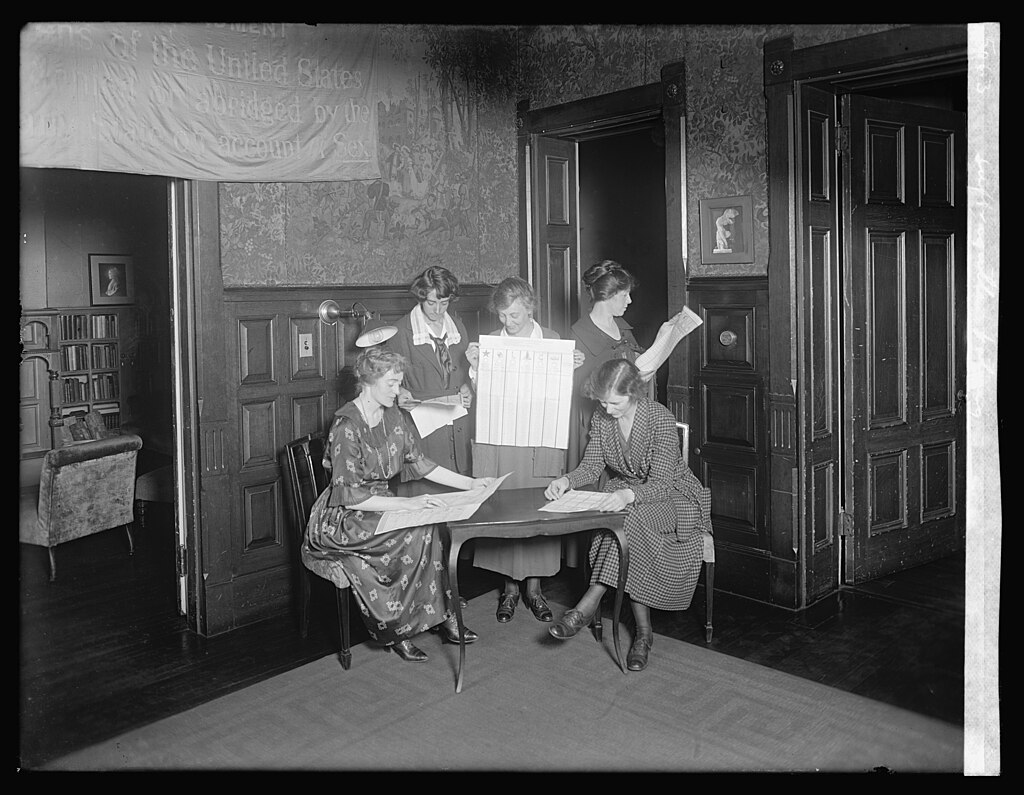
For most of American history, women were not allowed to vote in national elections. Voting was widely considered a privilege reserved for men, and women had little influence over political decisions that affected their lives. Beginning in the nineteenth century, activists organized the women’s suffrage movement, holding conventions, writing petitions, and campaigning for legal reform. After decades of activism, the Nineteenth Amendment was ratified in 1920, granting women the right to vote across the United States. The change reshaped American politics and opened the door for greater participation by women in public life.
Citizenship Rights for Native Americans
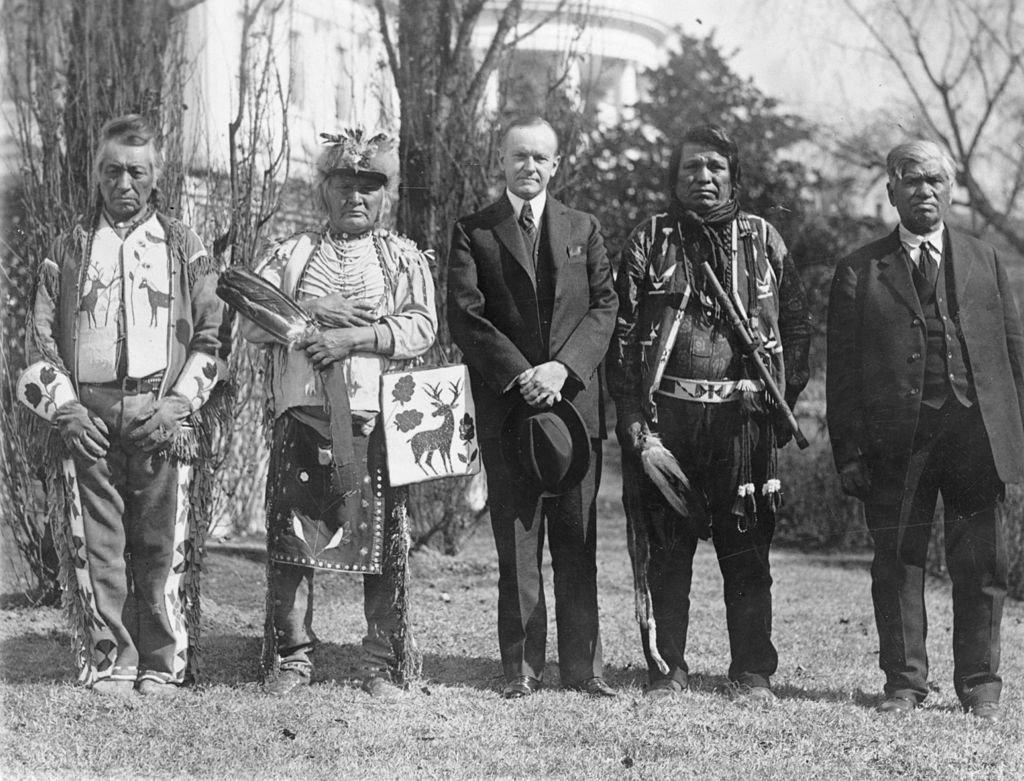
Native Americans lived on the continent long before the United States existed, yet many were not recognized as U.S. citizens for much of the country’s early history. Without citizenship, they lacked access to certain legal protections and political rights. In 1924 the Indian Citizenship Act granted citizenship to Native Americans born in the United States. Even after that law passed, however, some states continued restricting Native Americans from voting through local policies and administrative barriers. These restrictions were gradually removed through additional legal challenges in the decades that followed.
The Right of Black Americans to Vote Without Barriers
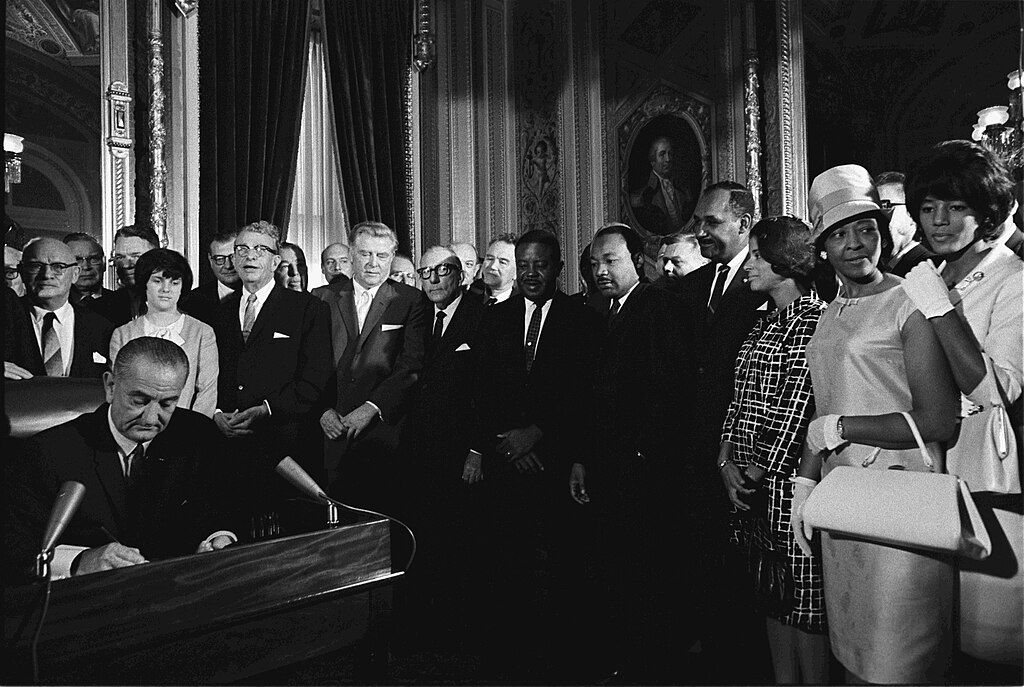
The Fifteenth Amendment, ratified in 1870, declared that race could not be used to deny someone the right to vote. In practice, however, many Black Americans faced systematic barriers such as literacy tests, poll taxes, and intimidation that effectively prevented them from voting in many states. These practices continued for nearly a century after the Civil War. The Voting Rights Act of 1965 finally created strong federal protections against these discriminatory voting practices, dramatically expanding access to the ballot for millions of Americans.
The Right of Chinese Immigrants to Become Citizens
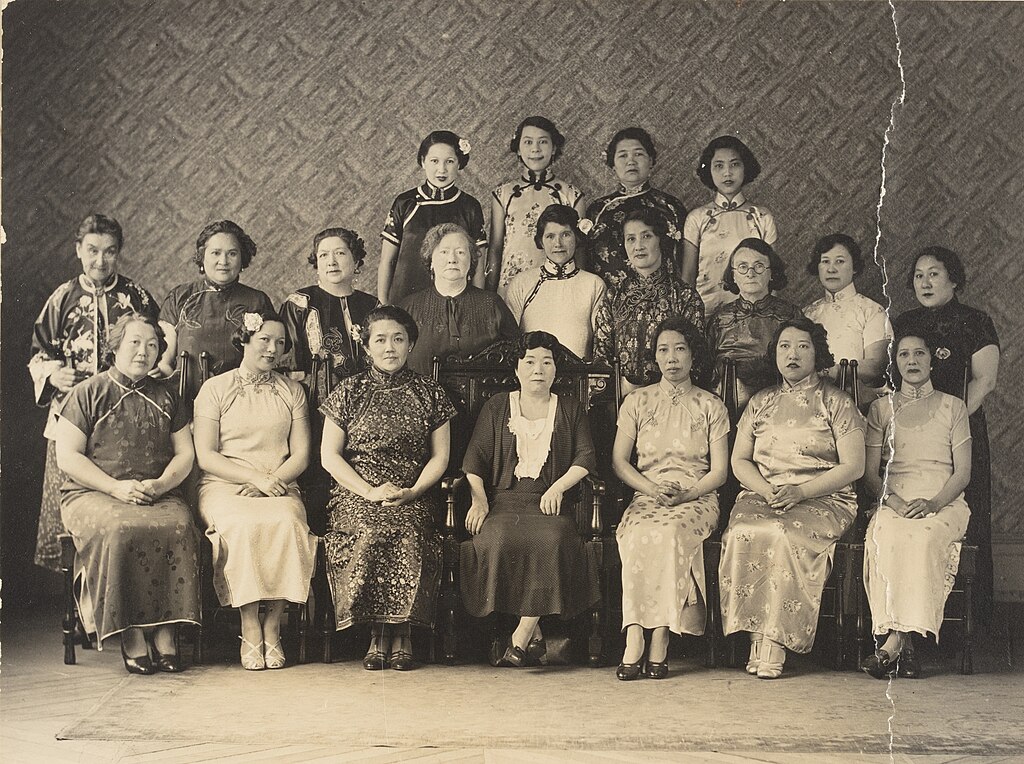
During the nineteenth century, Chinese immigrants faced widespread discrimination in the United States. The Chinese Exclusion Act of 1882 severely restricted immigration from China and prevented many Chinese residents from becoming naturalized citizens. The law remained in place for decades and represented one of the most restrictive immigration policies in American history. It was finally repealed in 1943, allowing Chinese immigrants to pursue citizenship and gradually restoring rights that had been denied for generations.
The Right to Marry Across Racial Lines
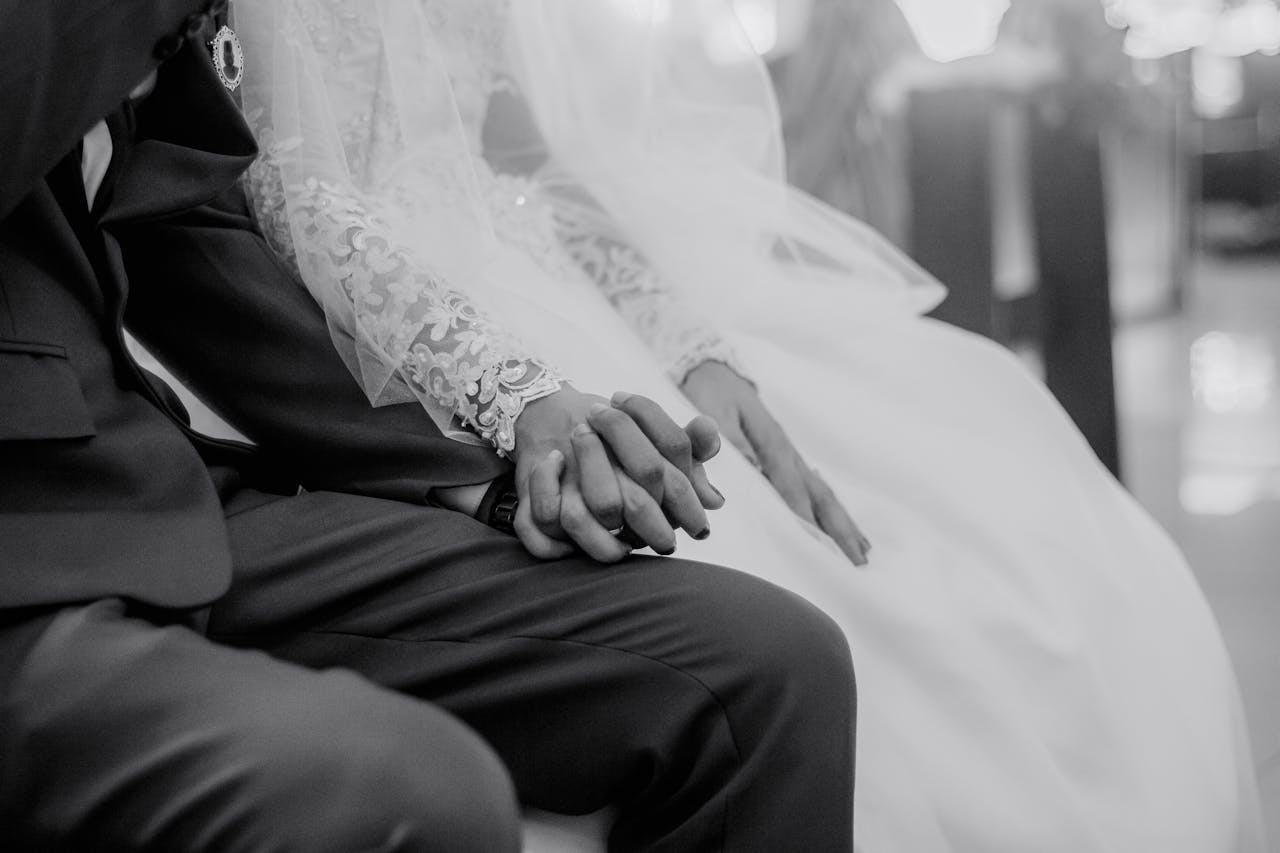
For much of American history, laws in many states prohibited interracial marriage. These laws, known as anti miscegenation laws, prevented people of different races from legally marrying each other. Couples who attempted to marry could face legal penalties, including prison sentences. In 1967 the Supreme Court ruled in the case of Loving v. Virginia that laws banning interracial marriage were unconstitutional. The decision marked a major moment in civil rights history and affirmed that marriage is a fundamental personal freedom.
The Right of People With Disabilities to Access Public Spaces

Before the late twentieth century, many buildings, transportation systems, and workplaces were designed without considering people with disabilities. As a result, millions of Americans faced barriers simply entering public spaces or participating in everyday activities. The Americans with Disabilities Act, passed in 1990, required businesses, schools, and public facilities to provide accessible entrances, restrooms, and services. The law transformed how cities, workplaces, and transportation systems are designed, allowing many people with disabilities to participate more fully in public life.
The Right of Married Women to Control Their Own Finances
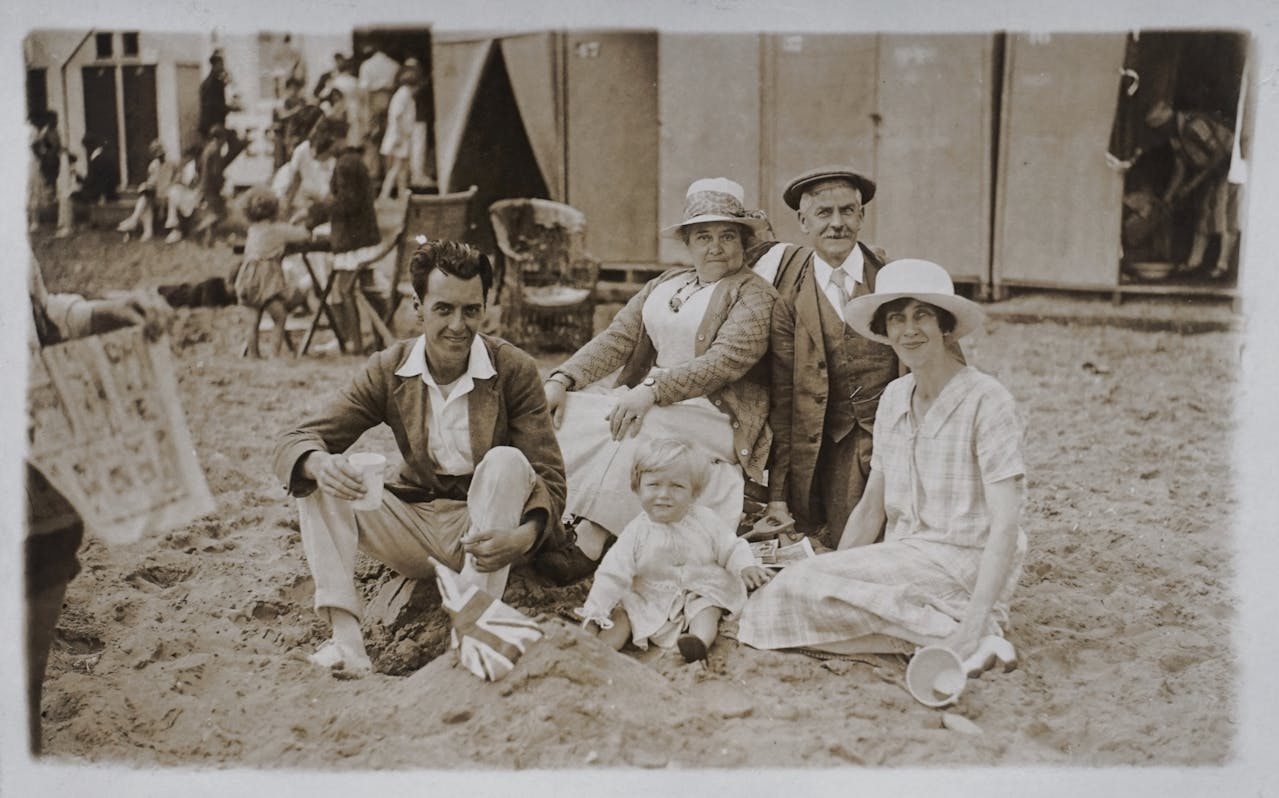
In earlier periods of American history, married women often had limited control over their financial lives. In many states, laws known as coverture meant that a woman’s legal identity was tied to her husband’s. This could restrict her ability to sign contracts, own property independently, or manage financial accounts. Gradually, state laws changed throughout the nineteenth and early twentieth centuries to give married women greater control over property and finances. By the mid twentieth century, these legal reforms helped establish financial independence as a basic expectation.
The Right of Japanese Americans to Freedom From Internment
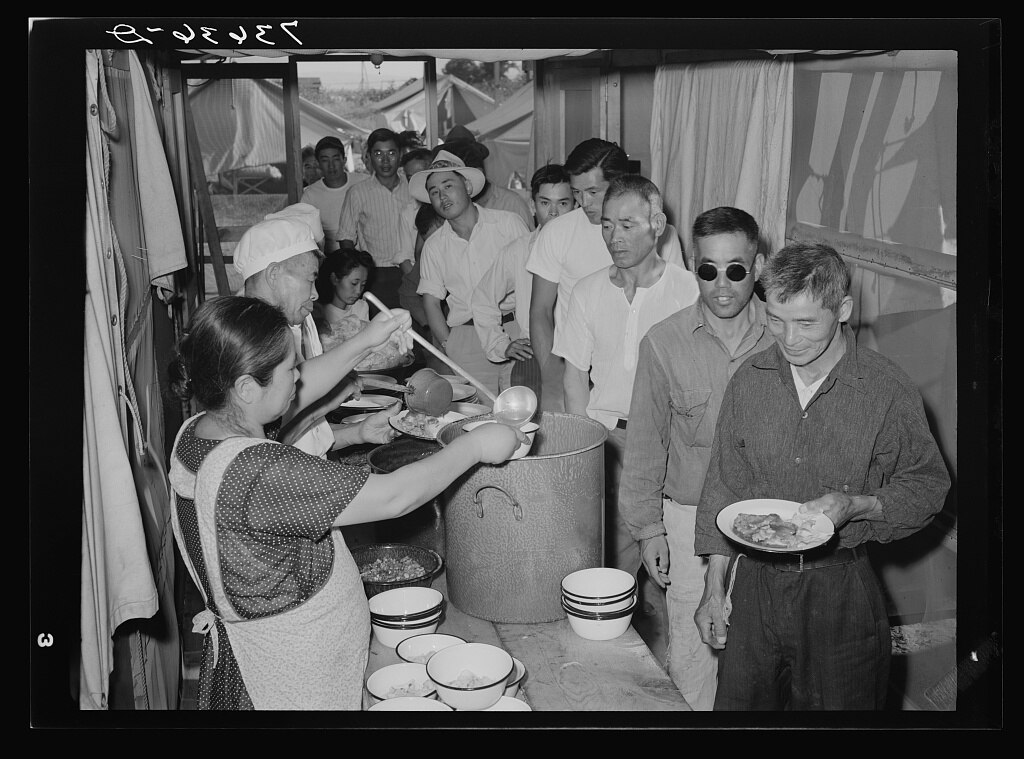
During World War II, the U.S. government forced more than one hundred thousand Japanese Americans, many of whom were U.S. citizens, into internment camps. Families were relocated from their homes and placed in guarded facilities, often losing property and businesses in the process. The policy was driven by wartime fears and discrimination rather than evidence of wrongdoing. Decades later, the U.S. government formally acknowledged the injustice and issued an apology through the Civil Liberties Act of 1988.
The Right of LGBTQ Americans to Marry

For many years, same sex couples were denied the legal right to marry in most states. Without marriage recognition, couples lacked many legal protections related to family, inheritance, healthcare decisions, and taxation. After years of legal challenges and public debate, the Supreme Court ruled in 2015 that same sex marriage is protected under the Constitution. The decision established marriage equality nationwide and extended legal recognition to millions of couples.