Buying a family home is an exciting yet daunting experience. It’s more than just a property—it’s the place where memories will be made, milestones celebrated, and family life will unfold. But before you get swept up in the charm of a fresh coat of paint or the promise of a big backyard, it’s essential to keep an eye out for potential red flags. A little caution can go a long way in ensuring you don’t end up with a house that’ll cause endless headaches down the road. Let’s dive into the key warning signs you should watch for.
Poor Foundation and Structural Issues
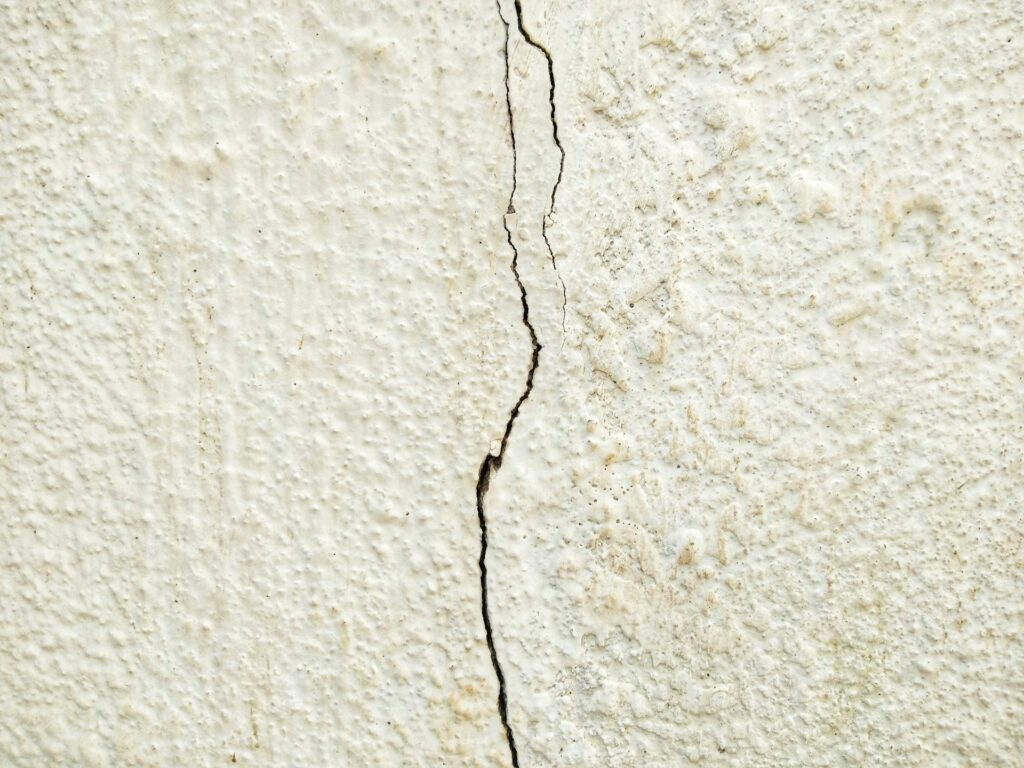
A solid foundation is the backbone of any home. If you notice cracks in the walls, uneven floors, or doors and windows that don’t close properly, it’s a red flag. Structural issues often indicate underlying problems, such as shifting soil or water damage, which can be expensive and time-consuming to fix. You might be tempted to overlook these issues, but ignoring them could lead to costly repairs down the line. It’s always a good idea to get a professional inspector to check the foundation thoroughly.
Outdated or Poor Electrical Wiring
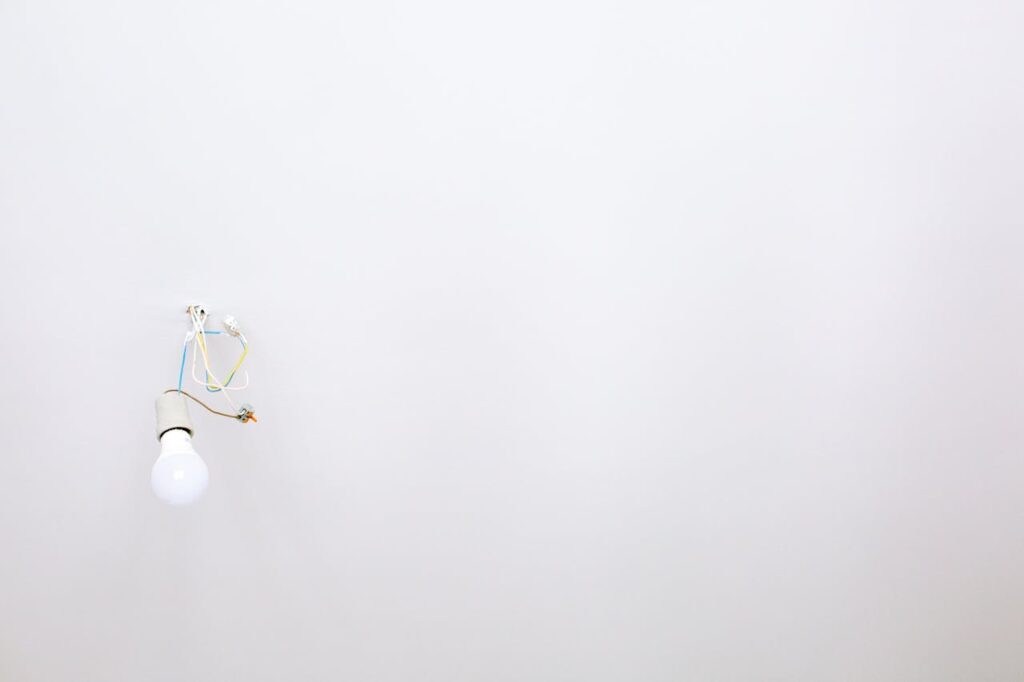
Electrical issues are a major red flag that can’t be ignored. If the home has old wiring, it might not meet modern safety standards or be able to handle the electrical load of today’s appliances. Signs of this include exposed wires, flickering lights, or multiple extension cords being used as a workaround. Upgrading electrical wiring can be a big job, potentially costing thousands of dollars. Ensure an electrician inspects the wiring before you make an offer to avoid a shocking surprise.
Water Damage or Signs of Mold
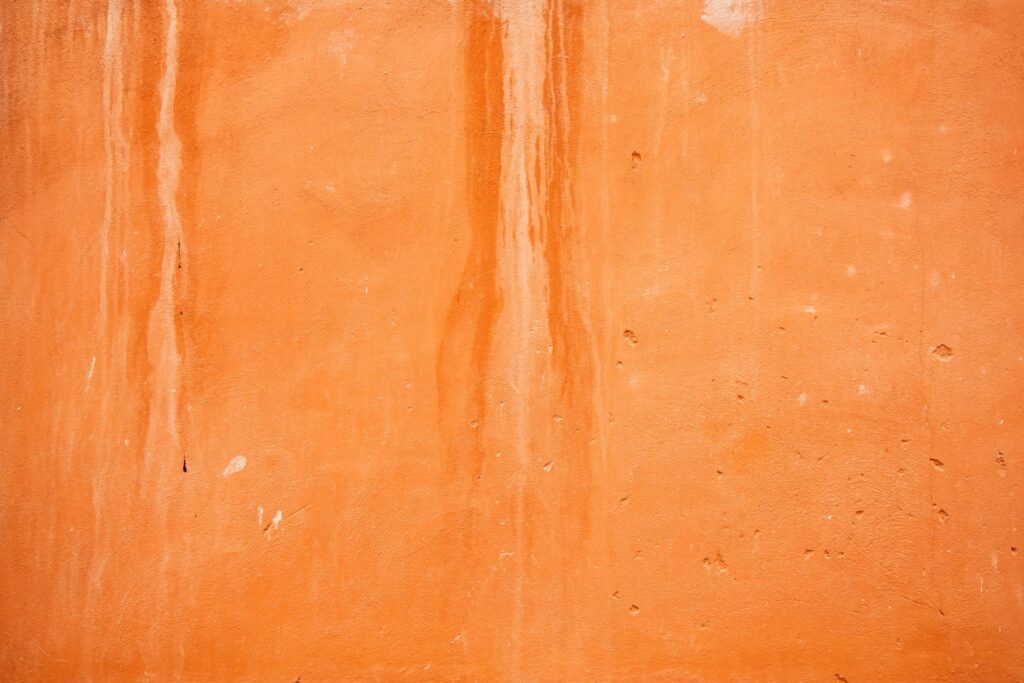
Water damage is a huge concern that can often be hidden beneath the surface. Look for stains on ceilings, walls, or floors, as well as musty odors that could indicate mold. Even small water stains may suggest plumbing leaks or roof issues that could become bigger problems. Mold, in particular, can be a health hazard, especially for families with young children, elderly members, or anyone with respiratory issues. If you spot signs of water damage, it’s best to investigate further before committing.
Neighborhood Red Flags

It’s easy to fall in love with a home, but don’t forget to pay attention to the neighborhood. Is it quiet and well-maintained, or are there abandoned properties nearby? Are there safety concerns, like a high crime rate, or is it prone to flooding? Talk to locals, walk around the area, and see if it suits your family’s needs. It’s essential to consider your future living experience as much as the home itself. After all, no matter how perfect the house is, it’s not much fun if you’re in an area that feels unsafe or inconvenient.
Unusual Smells or Odors

This one might seem obvious, but don’t overlook the power of a smell. Foul odors could indicate hidden problems, such as a septic tank issue, animal infestations, or even mold. Sometimes, smells can be masked by air fresheners or scented candles during a showing, so it’s important to pay attention when walking through the house. If you notice any strange or persistent odors, it’s crucial to ask questions and investigate the source. A fresh coat of paint can’t fix a lingering smell that’s hard to get rid of.
Unresolved Permits or Illegal Renovations
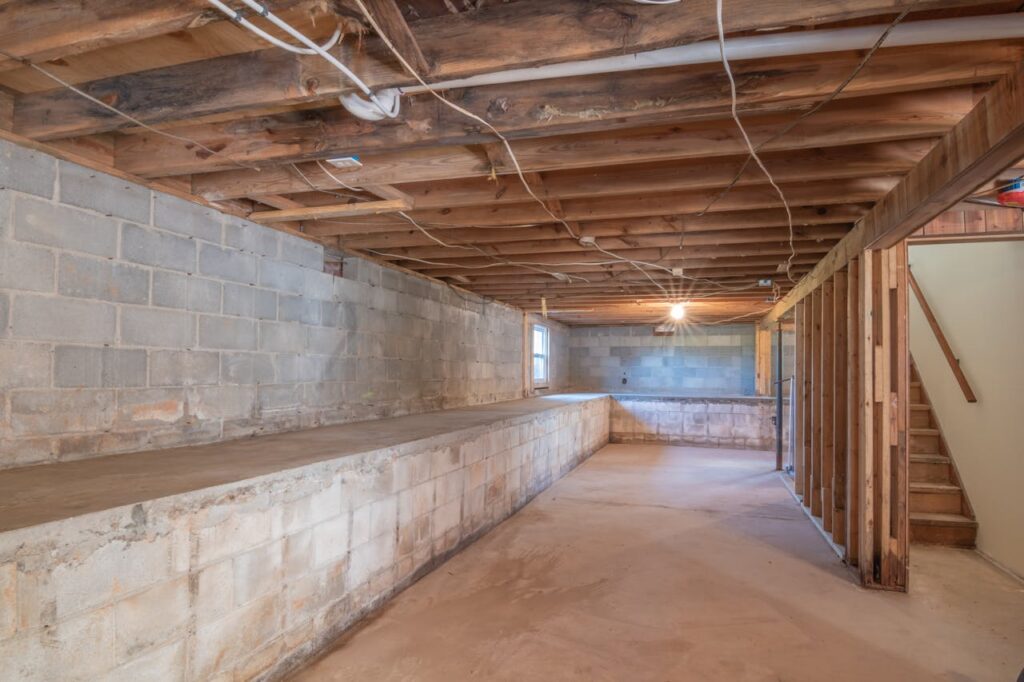
You’d be surprised how many homes are sold with illegal or unpermitted renovations. Whether it’s a finished basement or an expanded kitchen, unapproved work can be a big problem. Not only can it affect the value of the home, but it might also be unsafe or up to code. Be sure to ask for records of permits and inspections for any major renovations. If there’s no paperwork or if the work doesn’t pass city codes, it could be a major financial and legal headache for you down the road.
Signs of Pest Infestation
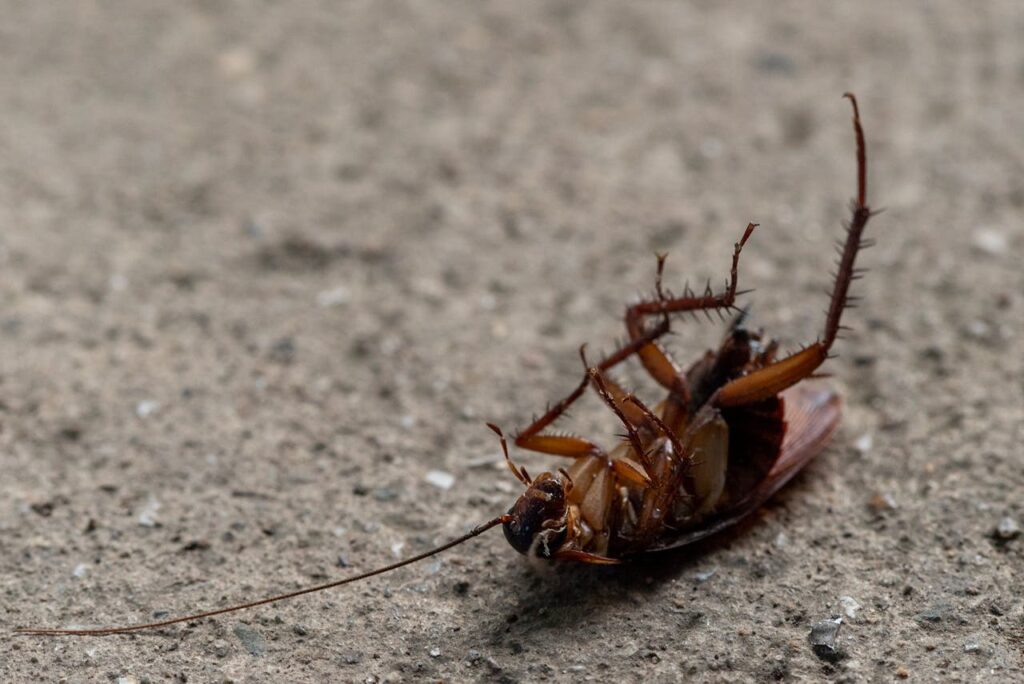
Pests are more than just an inconvenience—they can cause significant damage to your home. Check for droppings, chewed wires, or gnaw marks around the house. Pay particular attention to the attic and basement, which are prime spots for rodents or insects to hide. If you notice any signs of a pest infestation, it’s important to get a professional exterminator to assess the situation. The cost of pest control and the potential damage to your home can add up quickly, so don’t ignore these warning signs.
Inadequate Insulation or Heating/Cooling Issues

Imagine living in a house that’s freezing in the winter and sweltering in the summer. Poor insulation, outdated HVAC systems, or inefficient windows can lead to uncomfortable living conditions and high energy bills. If you notice drafty windows, uneven temperatures throughout the house, or old, noisy air conditioning units, it’s worth investigating further. Insulation and HVAC systems can be expensive to upgrade, so be prepared for that financial impact if you find any red flags in this area.
Extremely Low Asking Price for the Area

While a bargain can be tempting, an unusually low asking price is a major red flag. If a home is priced significantly lower than similar homes in the area, there could be a serious issue that’s not immediately obvious. The seller might be trying to offload a property with hidden problems, or the neighborhood could be on the decline. Do your research on comparable homes in the area and get a sense of the market. If something feels too good to be true, it probably is.
When buying a family home, it’s easy to get caught up in excitement and overlook potential red flags. But the truth is, catching these issues early can save you a lot of stress, time, and money in the long run. From foundation problems to pest infestations, these warning signs are crucial to take seriously. Always bring in professionals for inspections, and don’t hesitate to walk away if something doesn’t feel right. After all, your family’s safety and happiness should always come first.