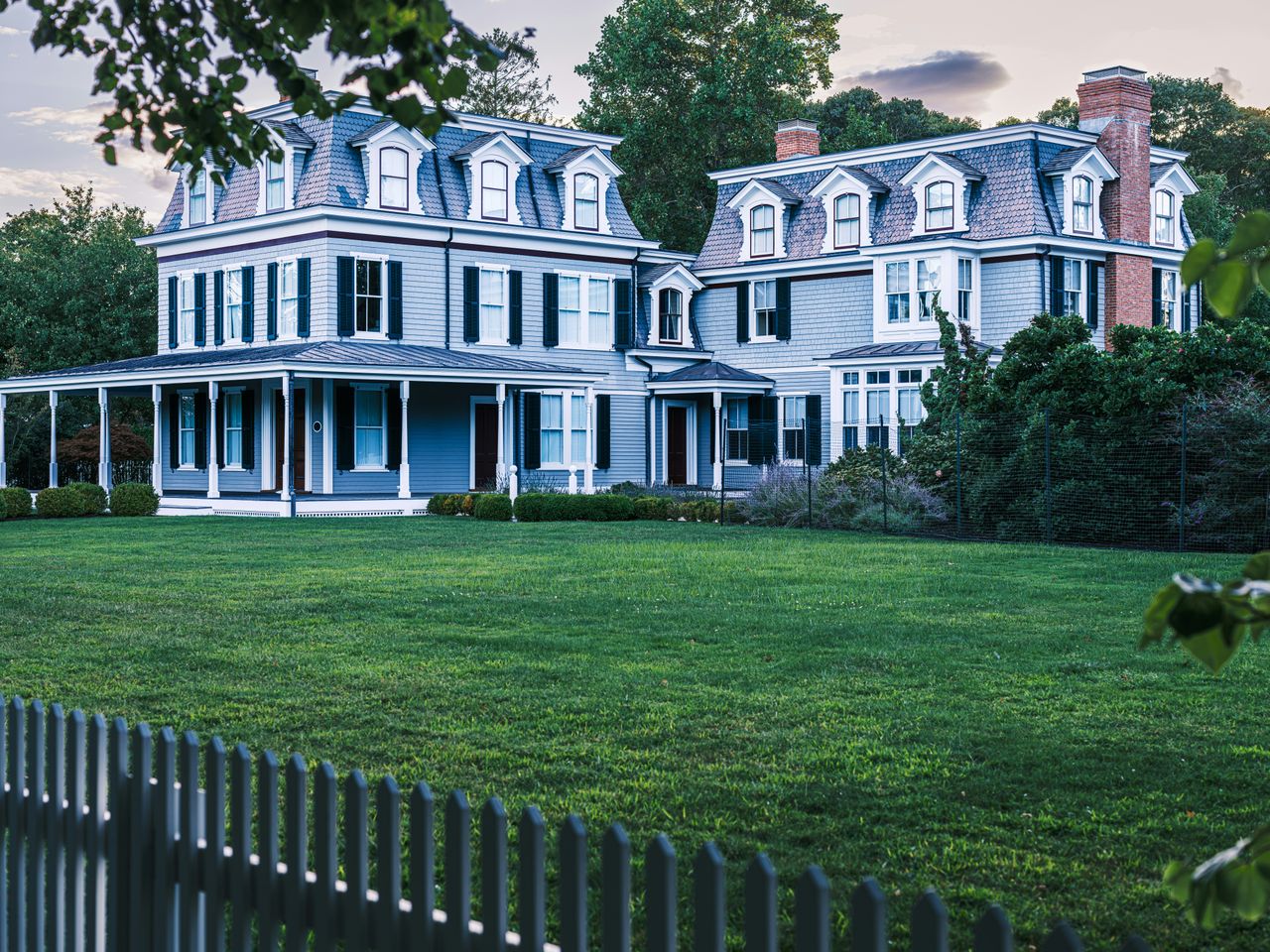
In real estate, square footage and curb appeal only tell part of the story. Sometimes a home’s past becomes its biggest selling point, and sometimes it’s the very thing that scares buyers away. These nine listings show how celebrity, crime, royalty, art, and preservation can completely rewrite a property’s destiny.
1. Al Capone’s Childhood Home

At first glance, this Brooklyn house could have blended into the borough’s long row of older properties. But once its connection to Al Capone became part of the listing conversation, the home stopped being just another aging residence and became a slice of American underworld lore.
That notoriety cut both ways. Some buyers were put off by the gangster association, while others saw built-in buzz and investment appeal. In the end, the very history that complicated the sale also gave the property a memorable identity few listings could match.
2. Victoria Gotti’s Long Island Mansion
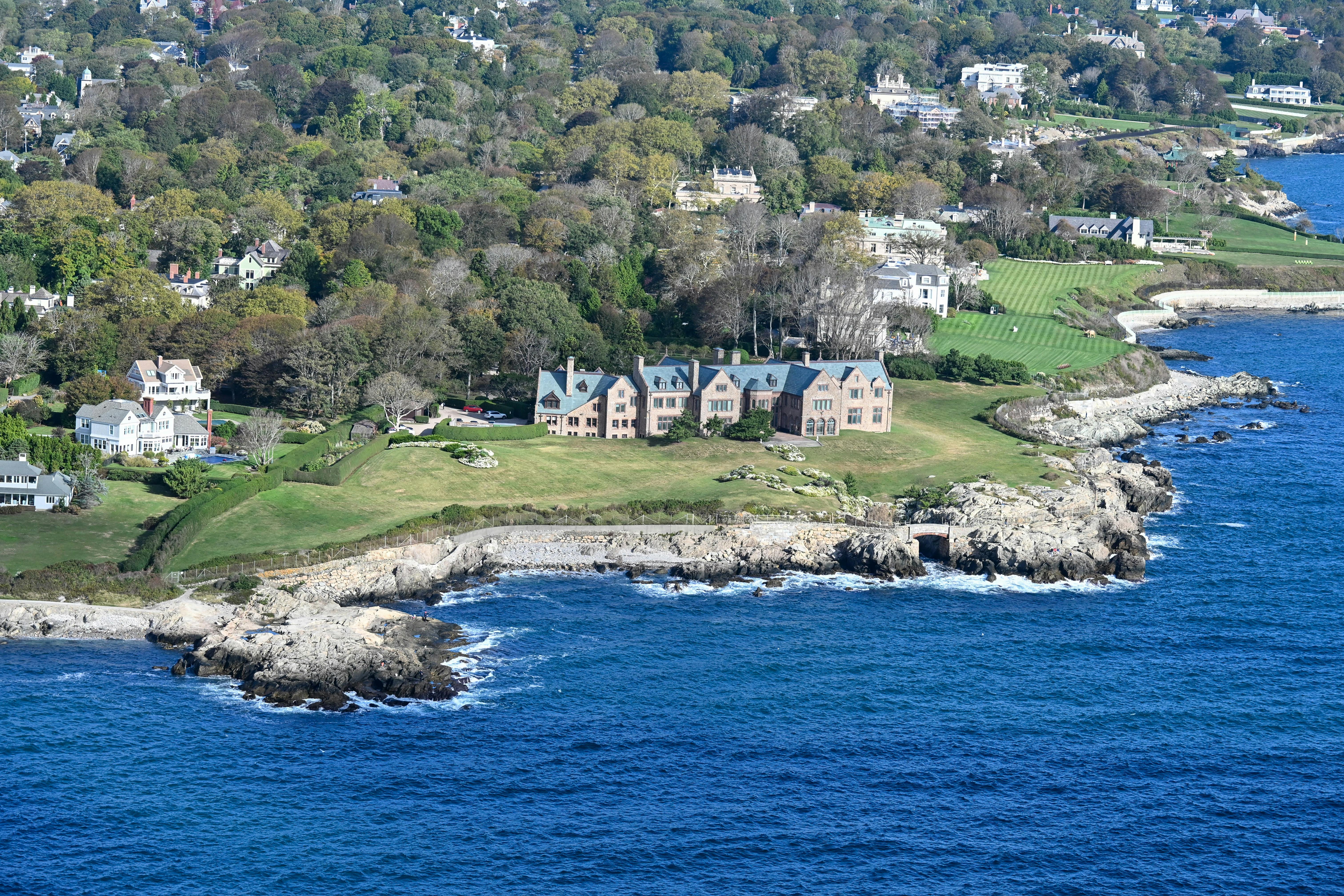
This Long Island mansion arrived with more baggage than most luxury homes ever do. Between its reality TV visibility and its family ties to organized crime, the property earned a larger-than-life reputation that made it hard to market as a straightforward upscale estate.
For traditional buyers, the house could feel more infamous than inviting. Yet that same notoriety gave it instant name recognition, turning it into the kind of listing people talk about even if they never plan to make an offer. In real estate, attention can be both a blessing and a burden.
3. Dennis Severs’ House

In London’s Spitalfields, Dennis Severs’ House is a reminder that history can be created as much as preserved. What was once a run-down property became an immersive, deeply atmospheric home staged to feel as if an 18th-century Huguenot family had just stepped out for a moment.
That imaginative transformation changed everything about its fate. Instead of merely surviving as an old building, it became a cultural destination with a personality all its own. The house’s value now lives as much in its storytelling and mood as in its age, architecture, or address.
4. Paul Castellano’s Staten Island Mansion
Known as the White House of Staten Island, this massive mansion carried the shadow of mob boss Paul Castellano for years. Its scale and features might have suggested prestige, but its notorious ownership gave the property a darkness that lingered over every attempt to sell it.
That’s the strange math of infamous real estate. A famous past can add instant recognition, but criminal history often creates hesitation that luxury finishes can’t erase. In this case, the home’s identity became inseparable from the story attached to its walls, and that shaped its market fate.
5. Drayton Hall Plantation

Drayton Hall in South Carolina stands apart because its history isn’t just elegant, it’s layered and difficult. Built in the 1700s and shaped in part by enslaved artisans, the property’s meaning expanded far beyond private ownership once preservationists recognized what was at stake.
Its transition into a protected National Historic Landmark changed its future entirely. Rather than fading into obscurity or being altered beyond recognition, it became a site of public memory. The listing story here is less about a sale and more about rescue, stewardship, and a fuller telling of the American past.
6. Schloss Possenhofen

A castle linked to Empress Elisabeth of Austria sounds like the sort of property destined to become an impractical monument. Instead, Schloss Possenhofen found a different second act when it was divided into luxury condominiums, preserving its royal aura while making the estate usable for modern residents.
That decision changed the castle’s fate from oversized relic to living address. Its appeal rests on a rare balance: buyers get grandeur, lineage, and lakefront romance without taking on an impossible private palace. History didn’t trap the property in the past; it made reinvention feel glamorous.
7. The Grace Estate

Set on 8.8 acres in Islesboro, Maine, the Grace Estate carries the polished legacy of turn-of-the-century wealth. Built for shipping magnate and former New York City mayor William Russell Grace, it represents the classic summer cottage ideal on a scale that feels both grand and deeply old-money.
That pedigree matters. For buyers in this tier, history isn’t a complication; it’s part of the fantasy. The estate’s careful preservation has helped protect not just the architecture but the lifestyle narrative attached to it, making the property feel less like a house on the market and more like an inherited chapter.
8. The James F.D. Lanier House
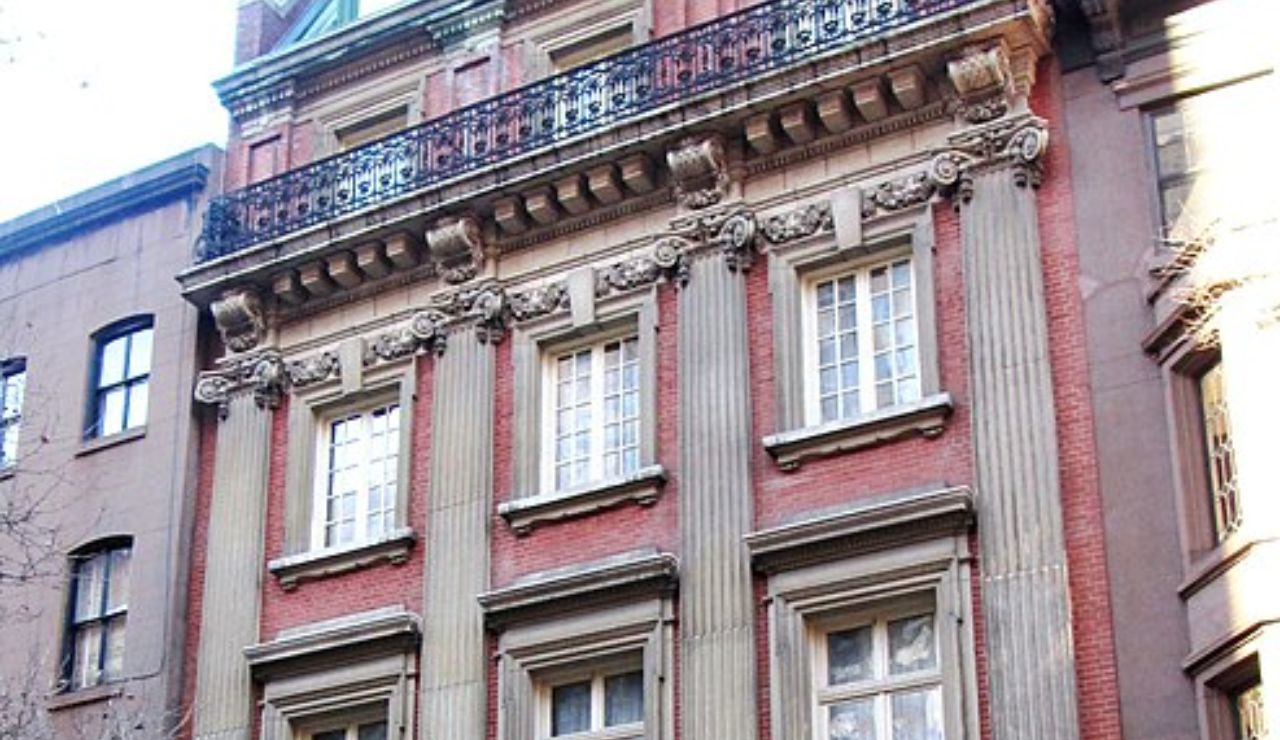
In Manhattan, survival can be the ultimate luxury, and the James F.D. Lanier House proves it. This Beaux-Arts mansion in Murray Hill could easily have become just another redevelopment story, but preservation protected it and turned its Gilded Age pedigree into one of its greatest assets.
Because the house has been so carefully maintained, it now reads as a rare holdout from a vanished New York. That changes how the market sees it. It’s not simply a large residence in a prime location; it’s a highly curated piece of city history that can’t be replicated.
9. Albrecht Dürer’s House

Few properties can claim a connection to an artist as important as Albrecht Dürer, and fewer still can say they survived wartime devastation. In Nuremberg, Dürer’s House carries both distinctions, which gives the building a sense of fragility and endurance that goes far beyond ordinary real estate appeal.
Its preservation transformed it into something more than a former residence. The house became a physical link to the Renaissance and a survivor of 1945 bombing, making its continued existence feel almost miraculous. That kind of history doesn’t just influence value; it defines the property’s entire purpose.