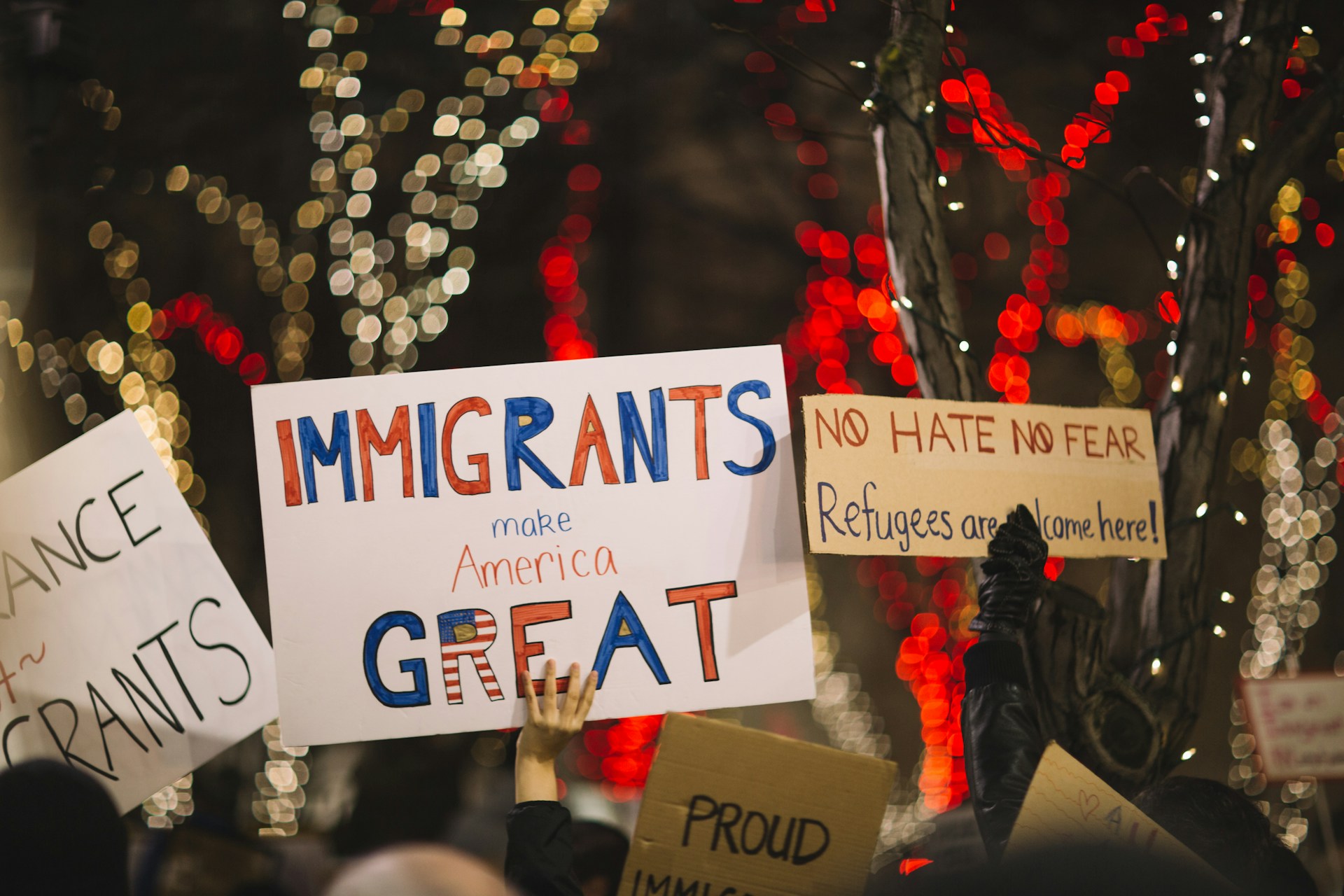
America’s identity is often described through broad immigrant waves, yet many smaller communities quietly shaped industries, landscapes, and institutions that define everyday life. These groups did not always receive headlines, but their contributions altered how Americans work, learn, farm, travel, and even play sports. Their stories show that influence does not require large numbers. Sometimes, a determined group with skills, traditions, and ambition can leave a bigger imprint than demographics suggest. These lesser known communities helped build parts of the nation that Americans frequently take for granted today.
1. Norwegian farmers who reshaped Midwest dairy culture

Arriving in the late nineteenth century, Norwegian immigrants brought agricultural systems designed for cold climates and mountainous terrain. They introduced cooperative farming practices, pasture rotation, and dairy efficiency that changed how the Midwest raised cattle. Their traditions produced butter and cheeses that became regional staples. These techniques not only supported family farms but helped establish the Midwest as a major dairy supplier. By blending Old World knowledge with American opportunity, Norwegian farmers strengthened agricultural stability and created food practices that still mark the region’s identity today.
2. Indian technologists who fueled Silicon Valley innovation

Indian engineers and computer scientists helped transform Silicon Valley from a regional industry cluster into a global center of innovation. Their influence expanded through engineering teams, start ups, and executive leadership at major tech companies. They introduced scalable development practices, attracted international talent, and helped shape America’s software driven economy. Their impact extended far beyond office buildings, influencing how Americans communicate, shop, and work. The rise of Indian technologists is a reminder that immigration is not just labor driven but idea driven, powering the technologies that now define modern American life.
3. Lebanese traders who revolutionized American convenience stores

Lebanese immigrants brought strong merchant traditions that reshaped retail in small and mid sized towns across the country. Their stores stayed open longer, stocked diverse items, and emphasized personal relationships with customers rather than impersonal transactions. This approach inspired the modern convenience store model Americans depend on today. From rural fuel stops to urban corner markets, Lebanese owned shops offered accessibility and reliability long before large chains appeared. Their business style made shopping simpler and helped define the rhythm of daily American life, especially in places with limited retail choices.
4. Sikh farmers who transformed California agriculture
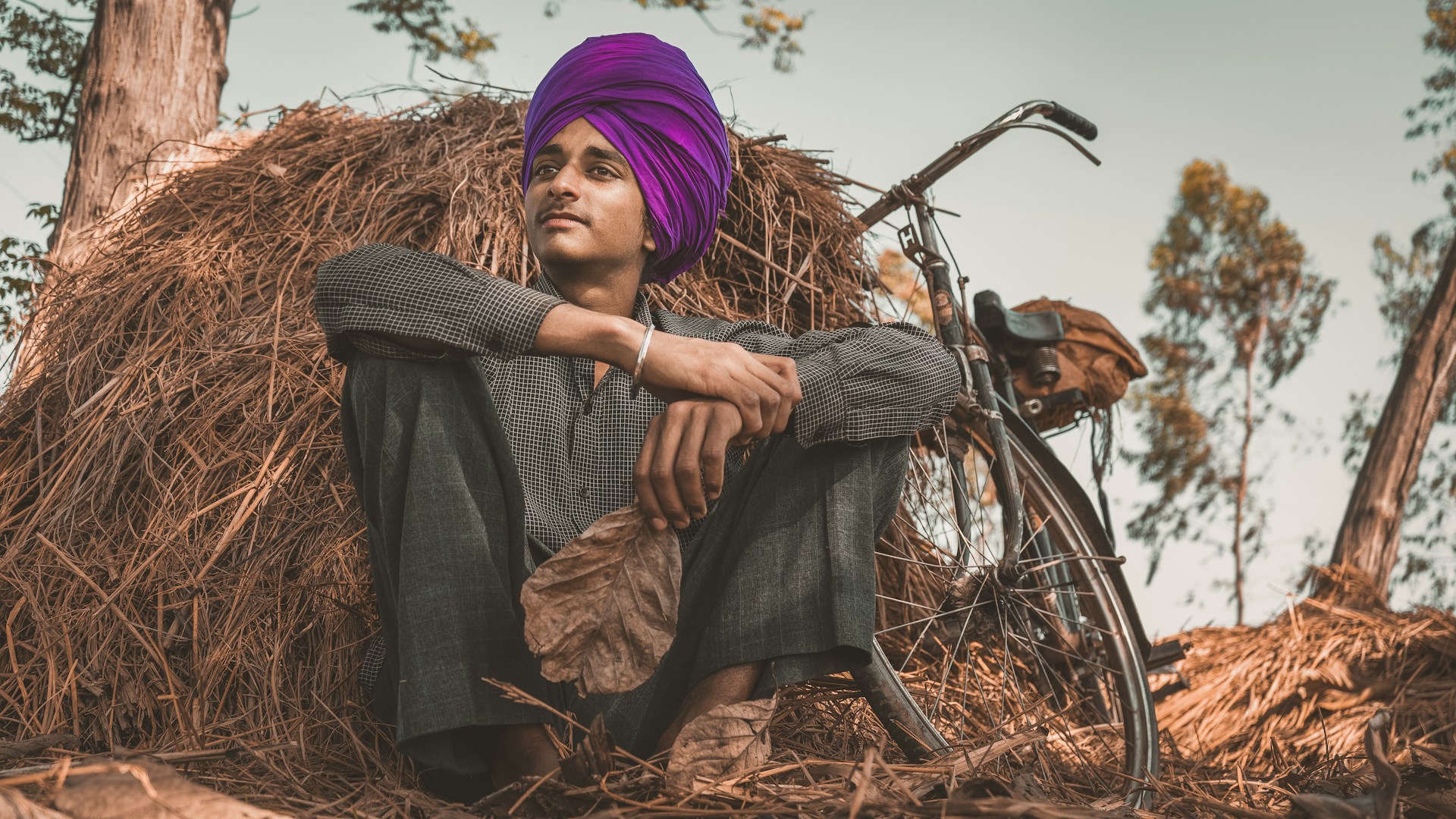
Sikh immigrants arrived with farming expertise suited to intense manual labor and complex irrigation systems. They settled in California’s fertile valleys and helped turn them into some of the most productive farmlands in the world. Their contributions supported crops such as peaches, almonds, and raisins, while their work ethic influenced agricultural culture statewide. Sikhs introduced community based farming practices that prioritized cooperation and land stewardship. Their role in expanding California agriculture remains one of the quiet pillars behind America’s fruit and nut industry, proving how knowledge and dedication can reshape landscapes.
5. Jamaican educators who influenced urban school systems
Jamaican educators brought discipline focused teaching styles and ambitious academic expectations into American classrooms, especially in cities with growing immigrant populations. They emphasized literacy, respect, and cultural pride. Their influence helped bridge cultural gaps and gave students frameworks for academic success beyond memorization. Jamaican teachers shaped school communities by combining rigor with care, inspiring generations to achieve more than statistics predicted. Their classroom impact transformed city schools into places where identity and education worked together rather than in conflict, strengthening the foundations of urban learning environments.
6. Filipino naval families who anchored military towns
Filipino immigrants formed tight knit communities around naval bases, working in skilled positions and support roles that kept ports active and reliable. Their presence created cultural continuity in towns that revolved around military schedules. Filipino families brought festivals, foods, and values that turned transitional bases into lasting neighborhoods. Their contributions helped stabilize local economies, enrich community life, and support America’s maritime infrastructure. Many military towns owe their population stability and local traditions to Filipino families whose loyalty and labor connected global movement with local identity.
7. Irish canal builders who accelerated early U.S. transportation

Before railroads dominated travel, canals were America’s transportation arteries. Irish immigrants built much of this network through intense manual labor and engineering knowledge. Canals reduced shipping time, opened trade routes, and allowed emerging cities to thrive. Their work connected regions that had remained isolated and enabled the movement of goods in ways that accelerated national growth. The physical demands of canal building left a legacy etched across rivers and landscapes. Without Irish labor, America’s early economy would have expanded far more slowly and with fewer opportunities for inland development.
8. Japanese gardeners who transformed West Coast landscaping

Japanese immigrants introduced aesthetic principles that emphasized harmony, balance, and intentional design in American landscaping. Their gardens influenced parks, estates, and everyday homes, shaping the West Coast’s visual language. Techniques such as stone placement, pruning, and water features became part of mainstream landscaping. Japanese gardeners brought artistic sensibility to outdoor spaces, proving that lawns could be cultural expressions rather than mere property upkeep. Their ideas continue to inspire botanical gardens and suburban yards, turning landscaping into an art form that blends nature and architecture.
9. Dominican baseball players who reshaped national sports culture

Dominican athletes brought skill, passion, and unique playing styles that changed baseball at every level. Their presence enriched Major League Baseball and inspired youth leagues across the country. Dominican players helped redefine what talent pipelines look like and influenced coaching techniques, recruitment practices, and fan enthusiasm. Their success created cultural bridges between the United States and the Caribbean. Baseball evolved from a sport of tradition into a dynamic international arena, proving that immigrant influence extends beyond economics and politics into the emotional core of American identity.
These immigrant communities demonstrate that America’s transformation is not solely the result of well known waves but also of smaller groups whose contributions shaped industries, landscapes, and cultural norms. Their stories challenge assumptions about who gets credit for building the nation. By working, innovating, and preserving traditions, these immigrants created systems Americans now depend on daily. Their legacies show that the country’s progress comes from a tapestry of efforts, woven together by people who believed their talents belonged in a place full of possibility.