History often paints great figures as fearless, but even the most powerful minds had fears that might surprise you. From world leaders to creative geniuses, many famous individuals battled phobias that seem oddly ordinary, or just plain strange: by today’s standards. These hidden fears make them feel a little more human, showing that courage doesn’t mean an absence of fear, but the ability to move forward despite it.
1. Napoleon Bonaparte: Fear of Cats
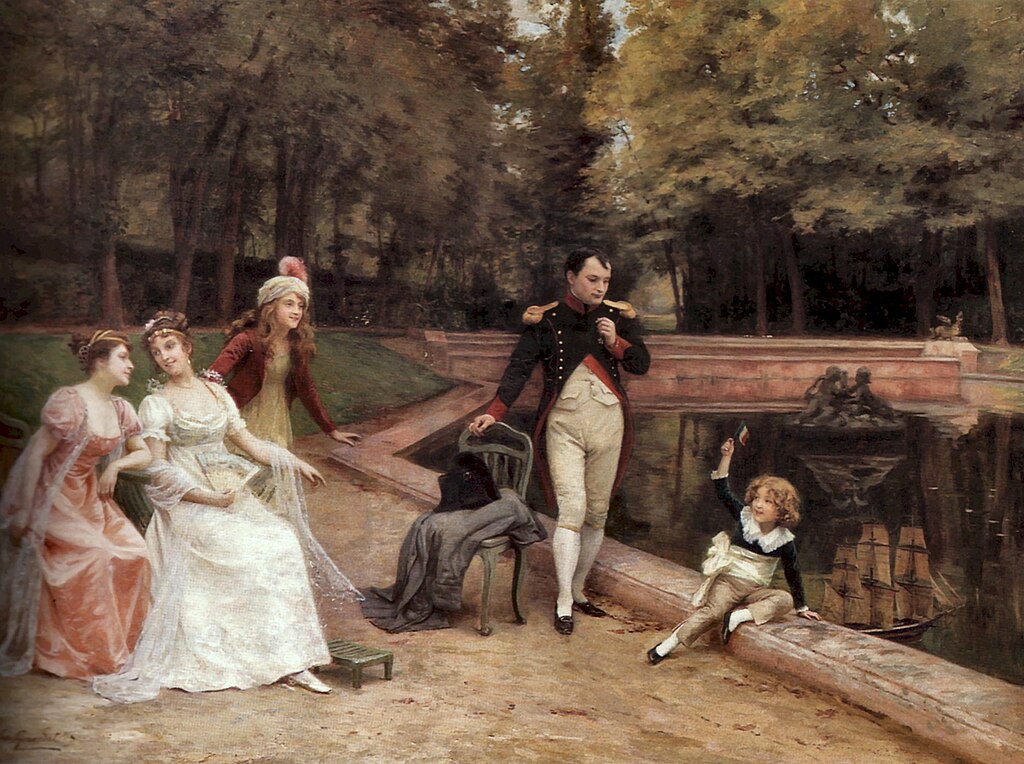
Napoleon, the brilliant military strategist who conquered much of Europe, was reportedly terrified of cats. His alleged ailurophobia was so intense that his soldiers kept felines far from his presence. Some accounts suggest that the mere sight of a cat would make him panic. While historians debate whether this fear was exaggerated or true, it adds a curious layer to a man known for his iron will and towering ambition. Even a conqueror, it seems, had his weaknesses, and in this case, it purred.
2. Nikola Tesla: Fear of Pearls
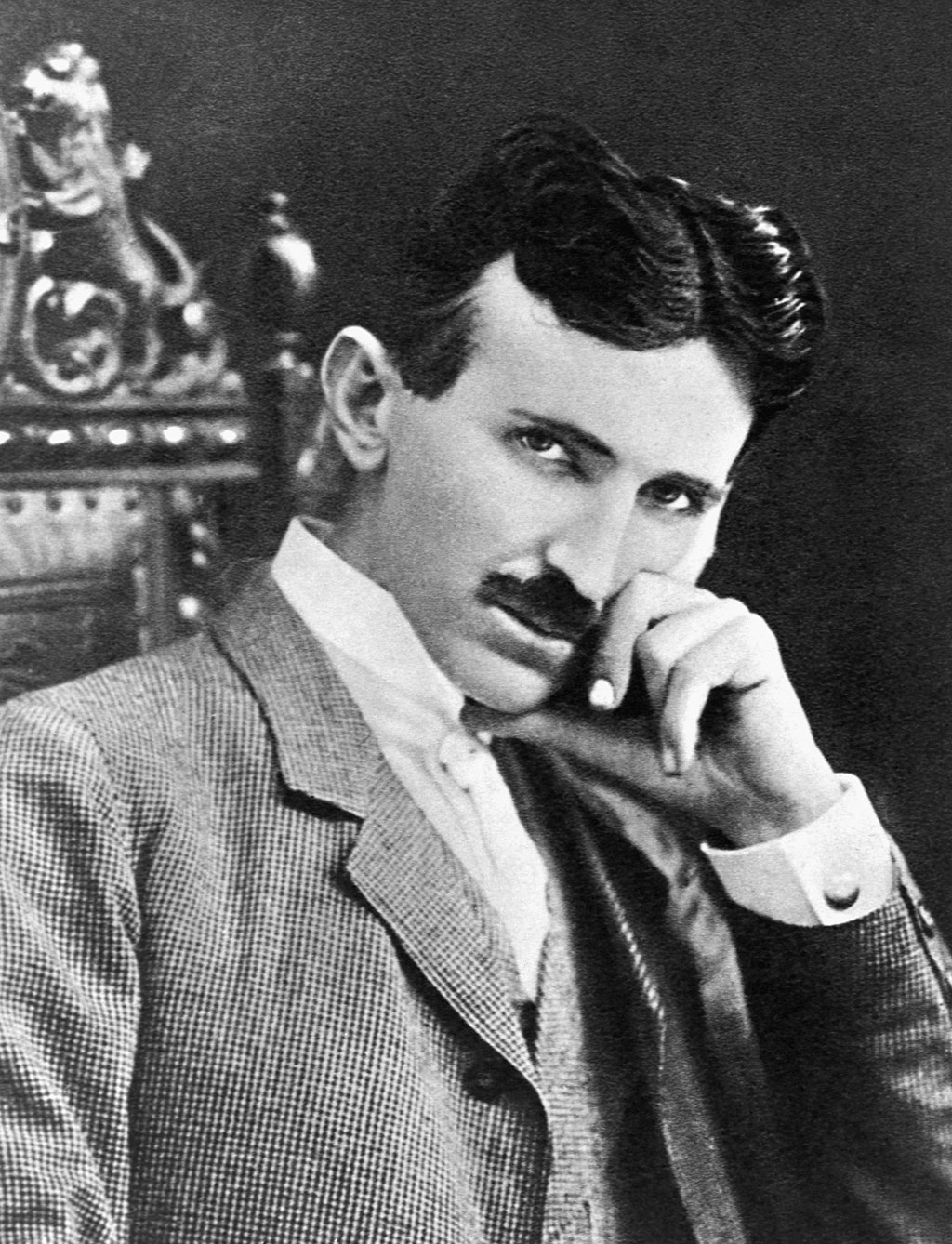
Nikola Tesla, the genius inventor behind alternating current and countless innovations, had a peculiar aversion to pearls. He refused to speak to women who wore them and would abruptly end conversations if he noticed the jewelry. The reason for this phobia remains unclear, though Tesla’s perfectionist tendencies and obsession with cleanliness suggest it could have stemmed from sensory discomfort. For a man who embraced lightning, it’s amusing that a simple pearl could send him running.
3. Richard Nixon: Fear of Hospitals
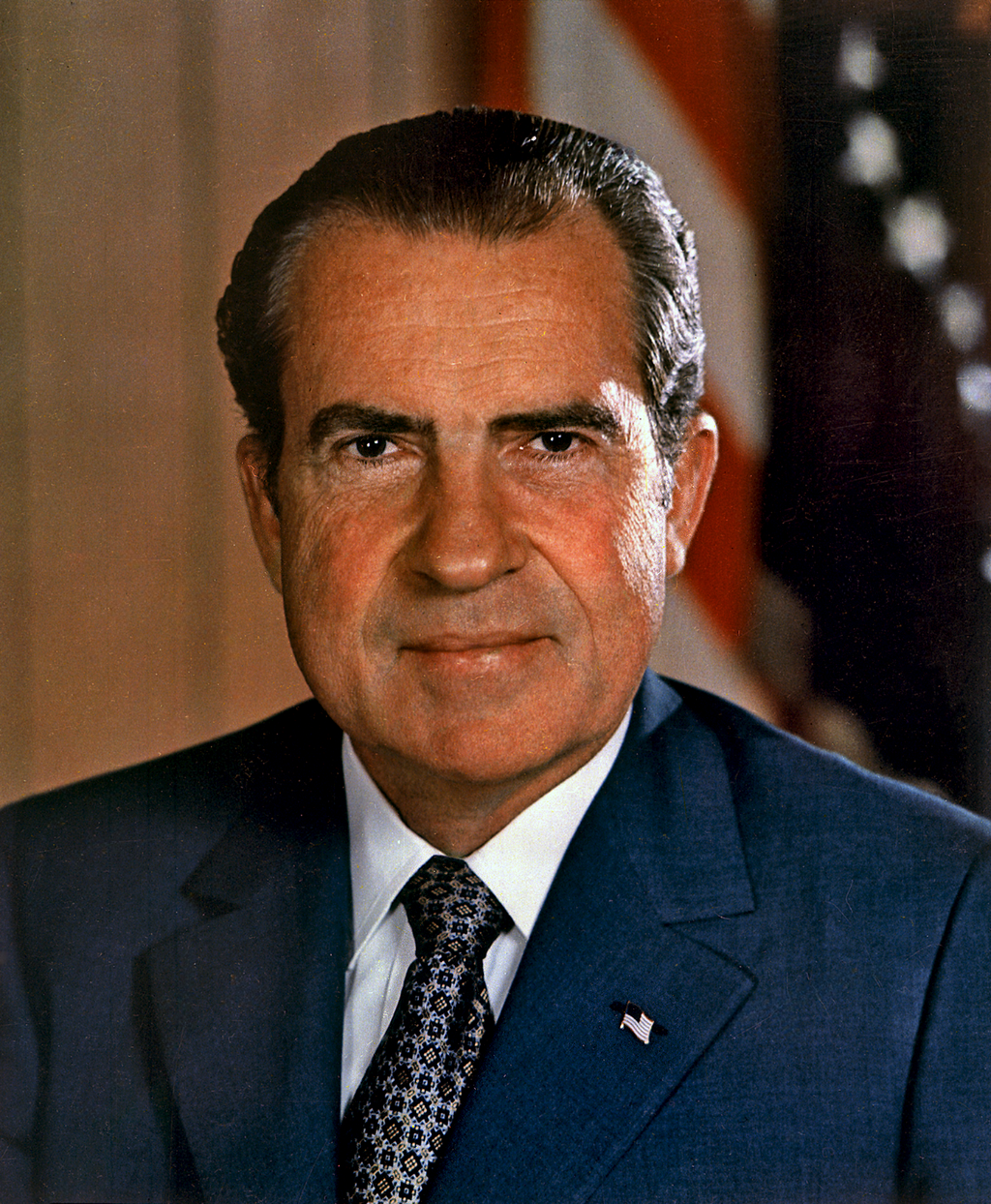
Former U.S. President Richard Nixon reportedly had a severe fear of hospitals. He once told aides that he believed if he were ever admitted, he would never leave alive. This fear was so strong that he avoided medical treatment even when necessary. In 1974, Nixon postponed surgery for a serious blood clot due to this phobia. While it’s unclear where his fear originated, it’s one of the more tragic phobias, highlighting how even powerful figures can be paralyzed by deeply personal anxieties.
4. Alfred Hitchcock: Fear of Eggs
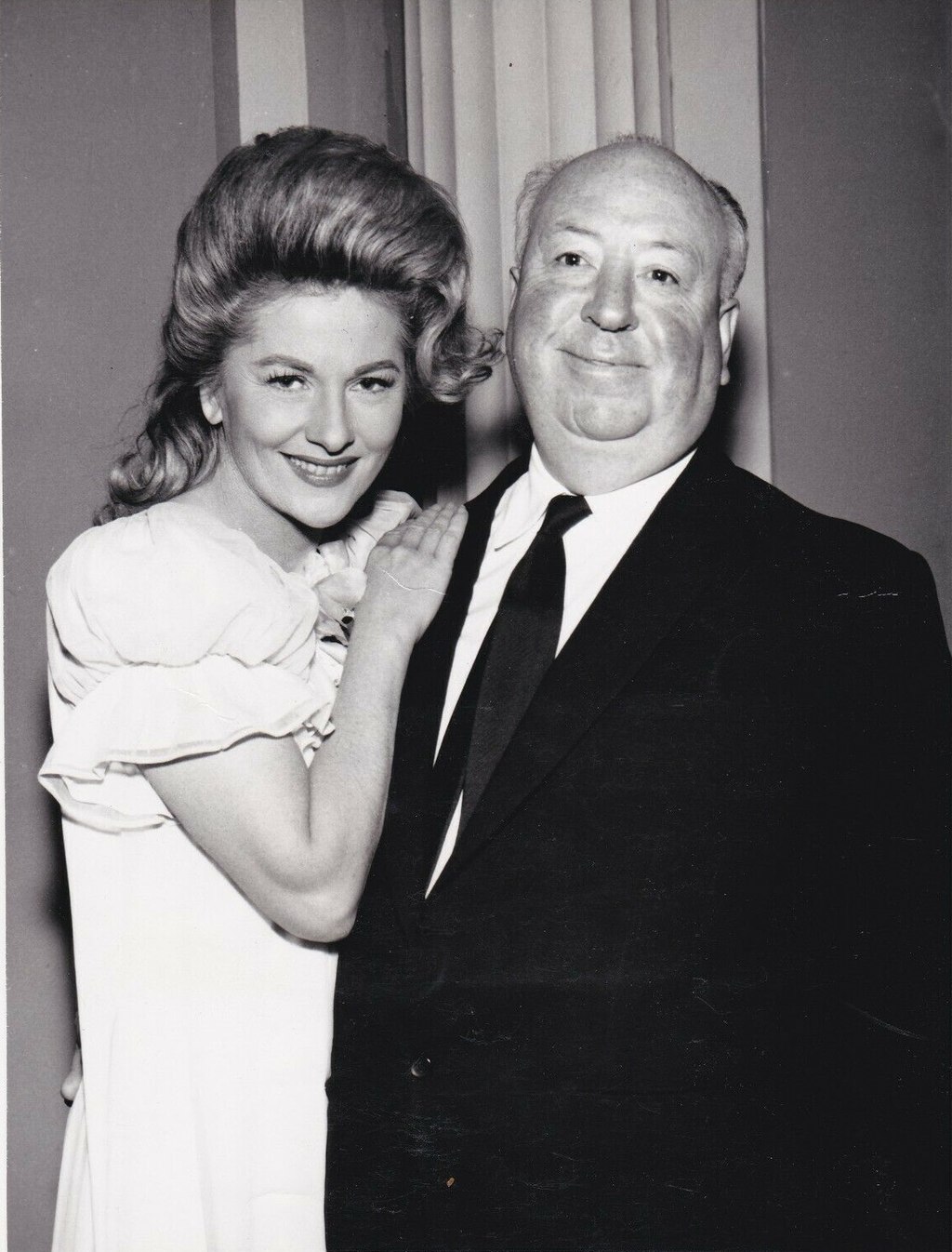
The master of suspense himself, Alfred Hitchcock, had a surprising and rather ironic phobia: eggs. He called them “disgusting” and claimed to feel nauseated by their sight. Despite directing films filled with psychological terror, it was the humble egg that unnerved him most. Some biographers speculate that the texture and the mystery of what’s inside triggered his disgust. Hitchcock once said he found a yolk “more revolting than blood,” proving that even the King of Horror had something that cracked his composure.
5. Adolf Hitler: Fear of Being Buried Alive
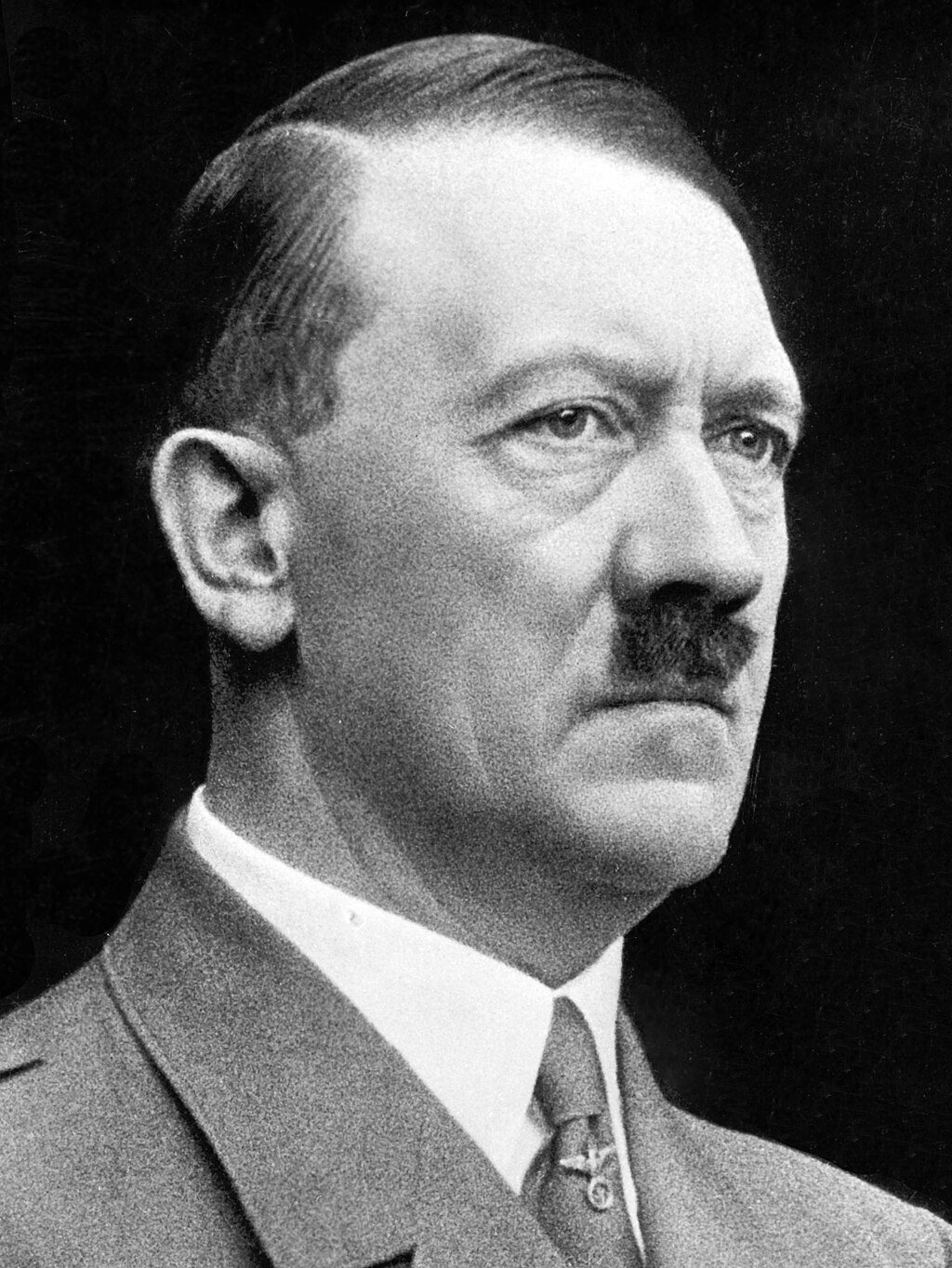
Adolf Hitler suffered from taphophobia, an intense fear of being buried alive. In his later years, this fear reportedly drove him to order medical staff to ensure he was truly dead before burial. Given the prevalence of premature burial stories in the 19th and early 20th centuries, this fear wasn’t entirely irrational. Still, it’s an eerie thought that a man responsible for so much death was haunted by his own mortality in such a specific, claustrophobic way.
6. Sigmund Freud: Fear of Weapons
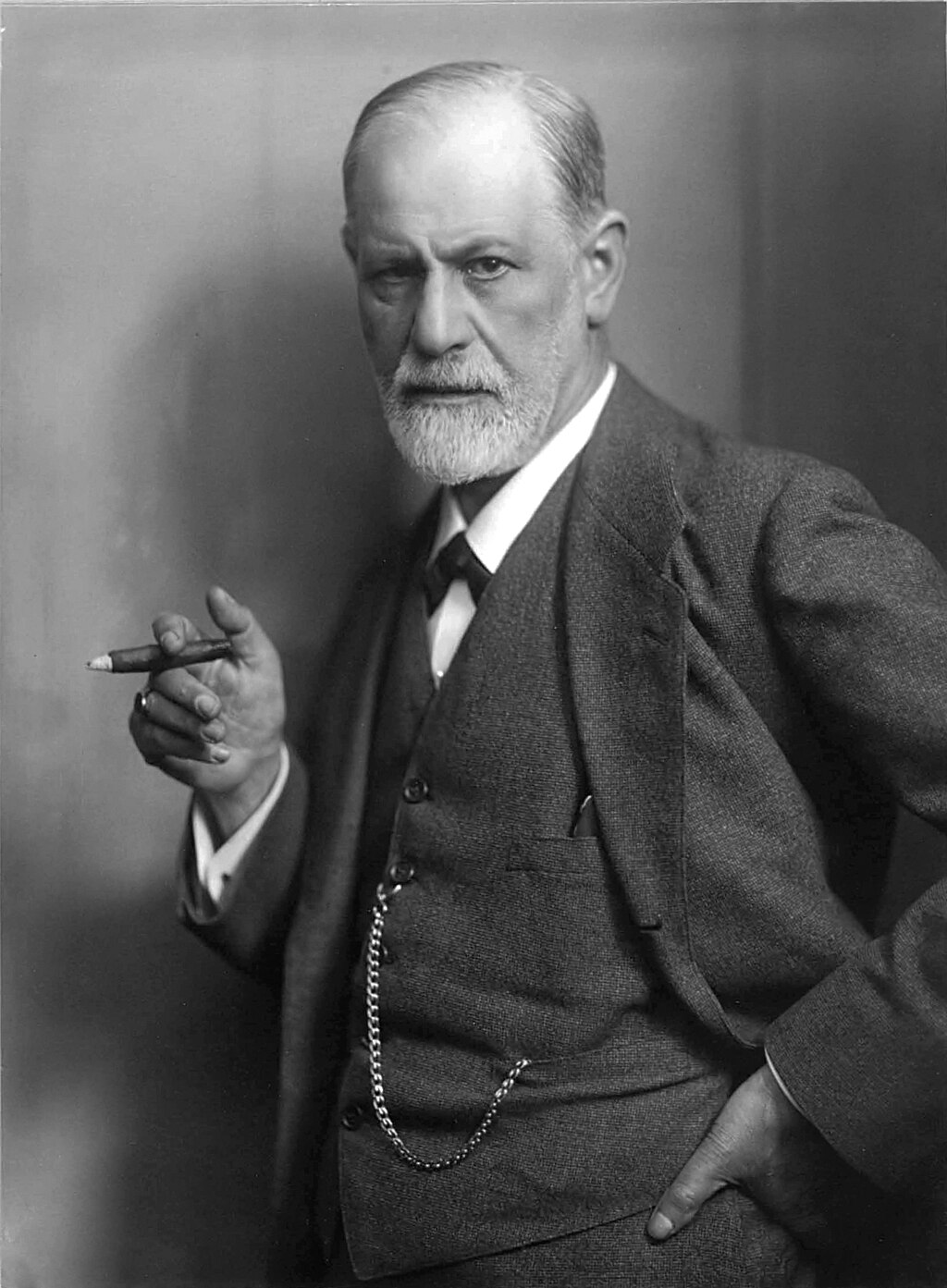
The founder of psychoanalysis, Sigmund Freud, is known for exploring the depths of human fear, but he had one himself that seems oddly ironic. Freud had a strong aversion to weapons, particularly guns. He felt deeply uncomfortable around them, possibly due to their symbolic link to aggression and death. For someone who delved so deeply into the human psyche, it’s fascinating that he couldn’t rationalize his own anxiety when faced with instruments of violence.
7. Queen Elizabeth I: Fear of Mirrors
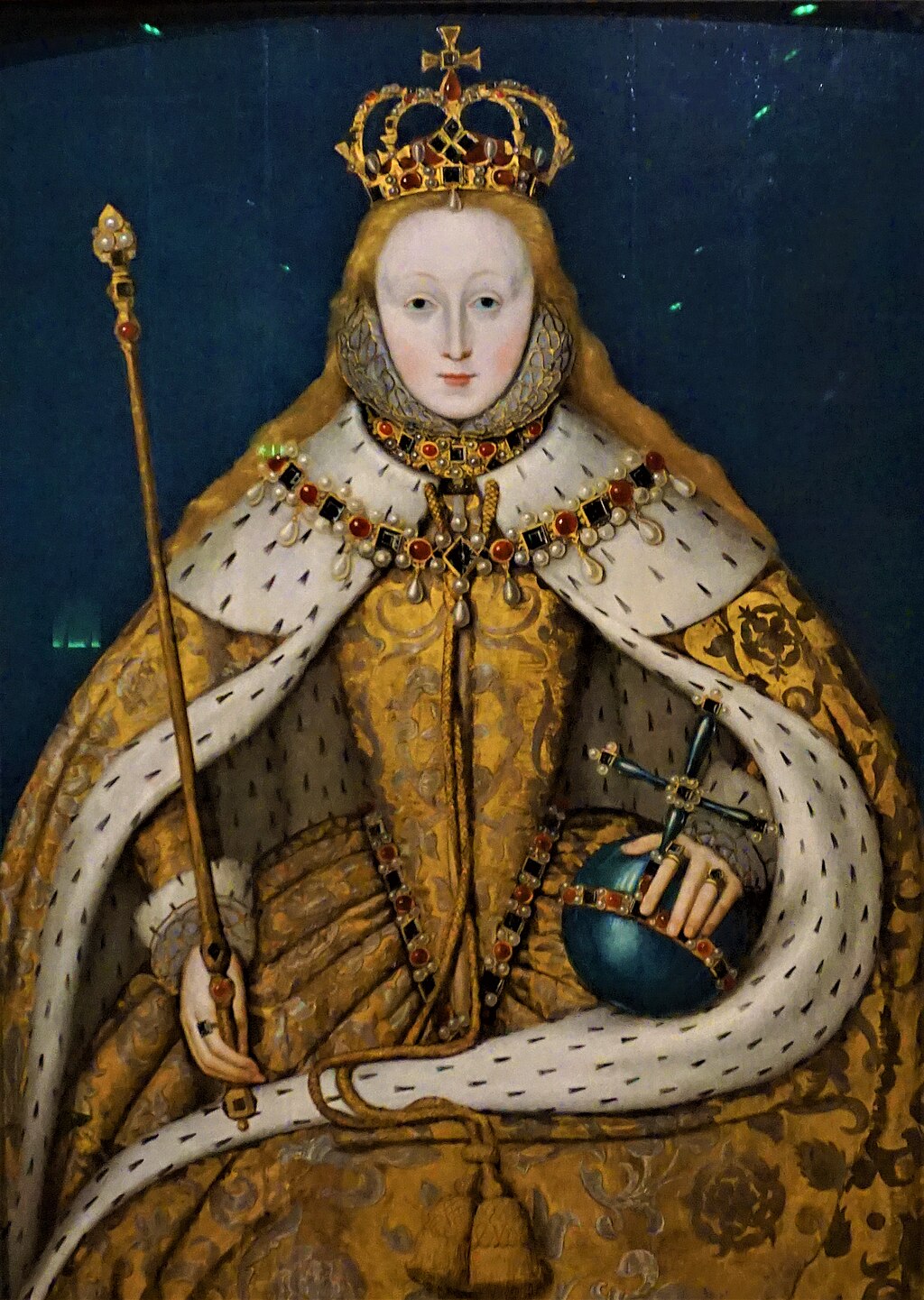
England’s “Virgin Queen” is said to have avoided mirrors later in life due to her fear of aging and death. After losing her youthful looks and several close companions, Elizabeth reportedly banned mirrors from her chambers entirely. Her fear wasn’t of the object itself, but of what it reflected, her mortality and fading image. It’s a strikingly human insecurity that contrasts with her otherwise commanding public image, reminding us that even queens wrestle with vanity and vulnerability.
8. Joseph Stalin: Fear of Flying
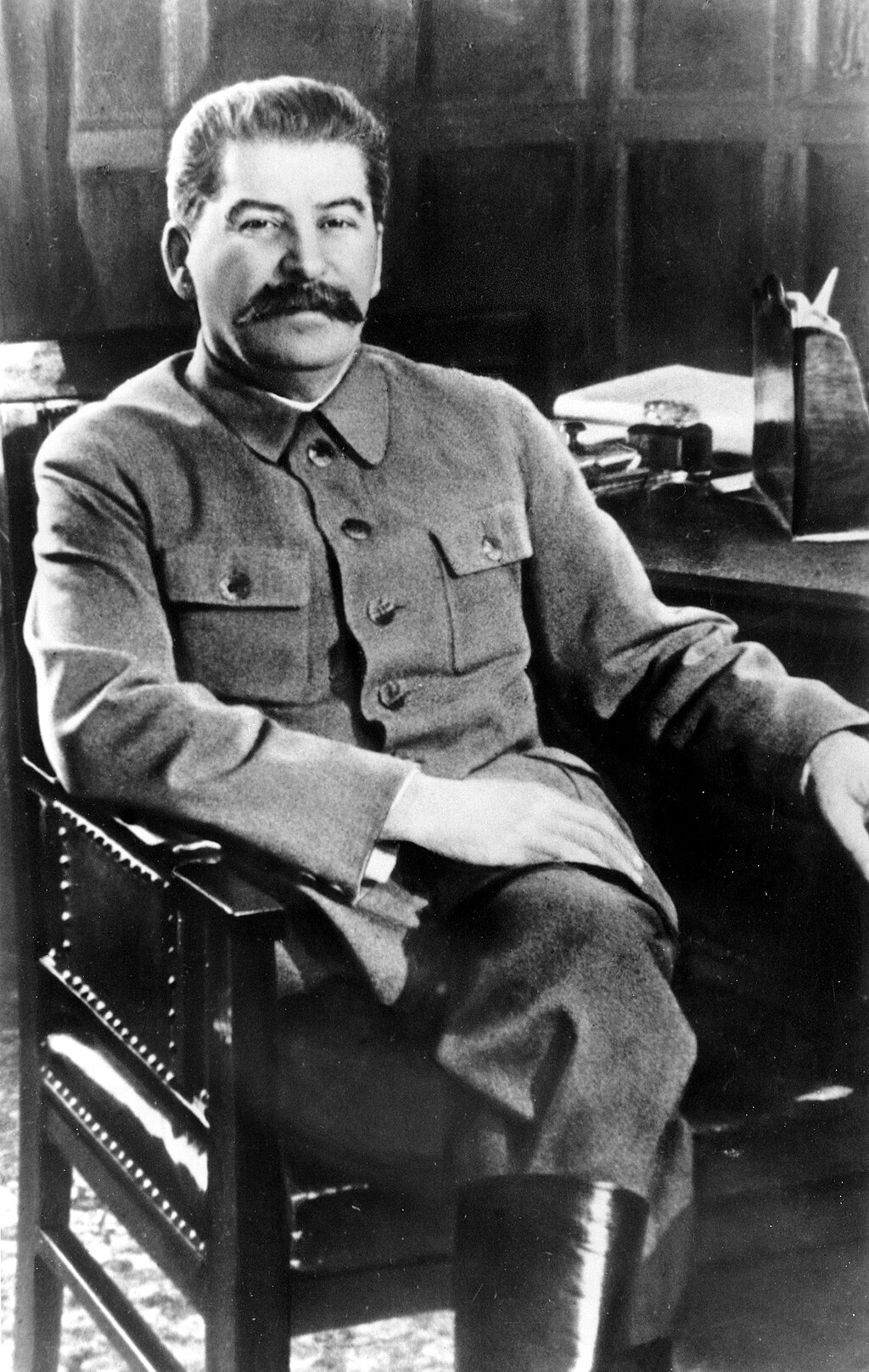
Joseph Stalin, one of the most powerful and feared leaders of the 20th century, was terrified of flying. Despite having vast resources and power, he almost always chose to travel by train, even across immense distances. His fear was rooted in a deep distrust of technology and a preference for control, traits that defined much of his rule. Ironically, while he could manipulate millions, he couldn’t trust an airplane to carry him safely through the sky.
9. Winston Churchill: Fear of Public Speaking
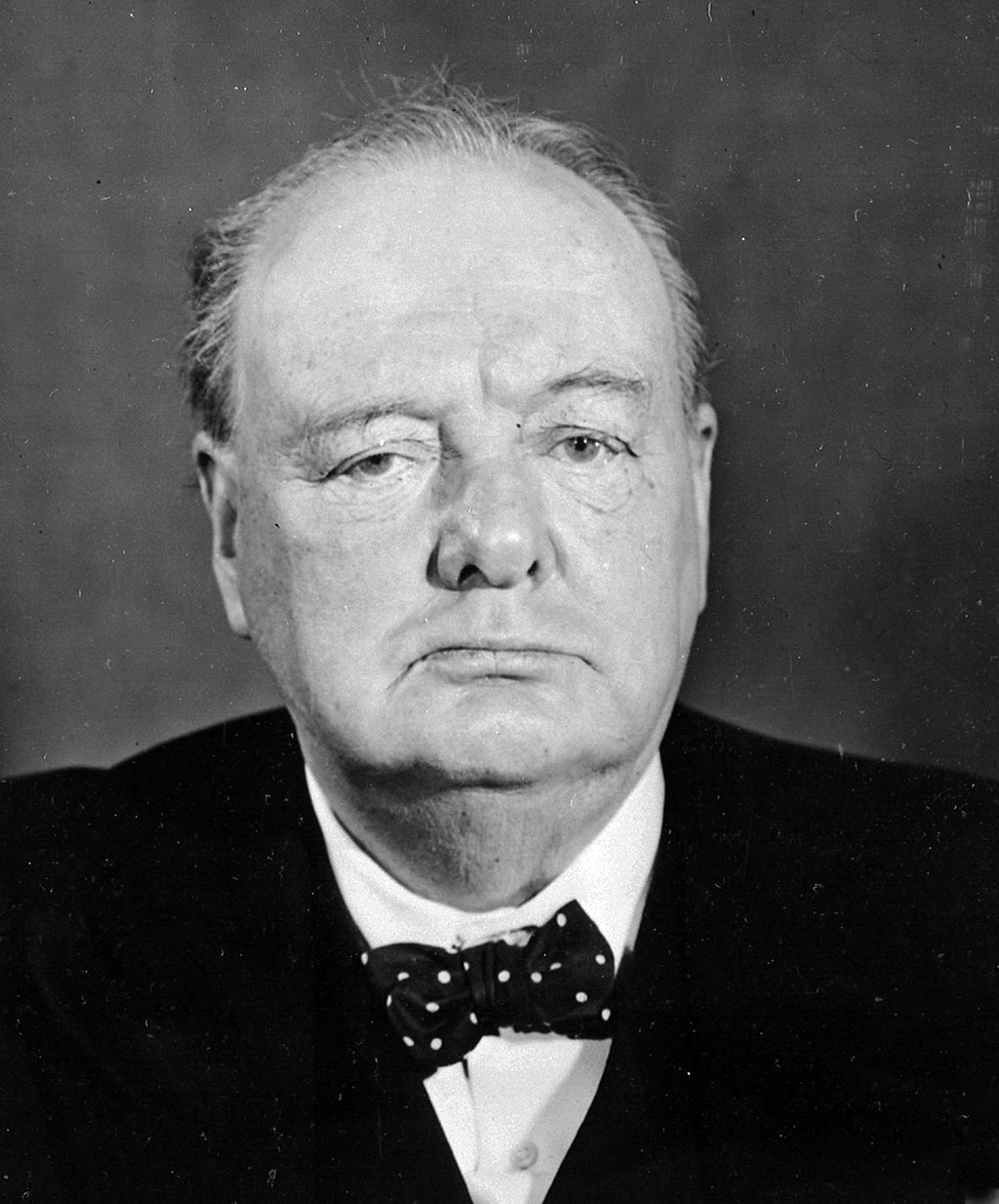
It may seem impossible that one of history’s greatest orators once struggled with a fear of public speaking, but Winston Churchill did. Early in his career, he reportedly froze during speeches and stuttered under pressure. Over time, he meticulously trained himself to overcome this fear, rehearsing for hours and even practicing his pauses. His transformation from a nervous speaker to a commanding presence became one of history’s most inspiring personal triumphs. It’s proof that even those who shape nations must sometimes conquer themselves first.
Phobias remind us that greatness doesn’t mean perfection. Behind the bold speeches, inventions, and conquests are fragile humans with their own fears. Whether it’s eggs, pearls, or airplanes, these quirks make history’s giants relatable, and sometimes even endearing. Fear, after all, is universal. What matters most is how we face it.