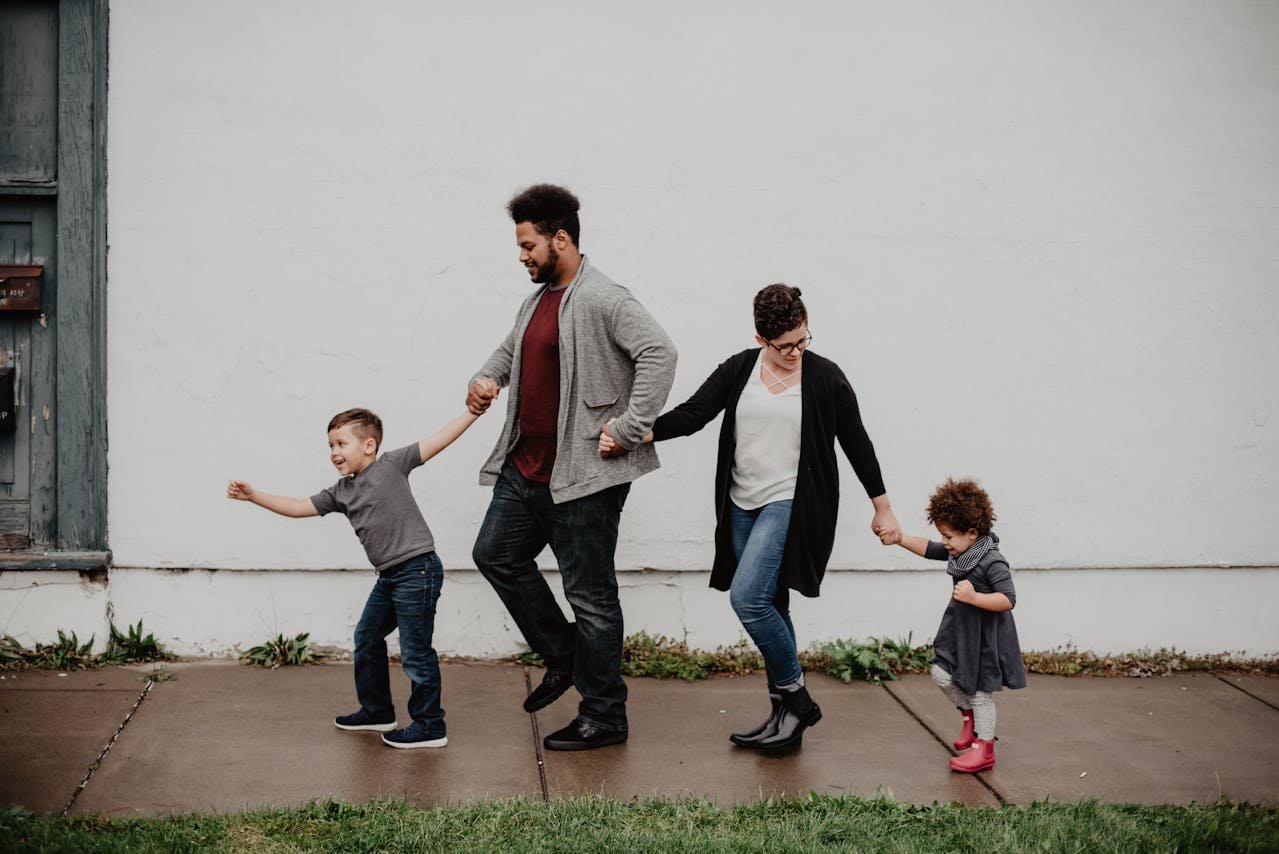
Parenting is full of good intentions. We want to raise kind, smart, successful kids—and so we do what sounds right, what we’ve read, or what others swear by. But not every “good” parenting habit leads to good outcomes. In fact, some well-meaning strategies can unintentionally stunt independence, confidence, or emotional growth. Through experience, reflection, and a few hard-earned lessons, I’ve discovered that doing “what’s best” doesn’t always look the way we expect. Here are 9 parenting habits that seem helpful—but can quietly backfire.
Praising Everything Your Child Does

It’s natural to want to boost your child’s self-esteem with constant encouragement—“Great job!” “You’re so smart!” “Amazing!” But over-praising can actually make kids dependent on external validation. Instead of feeling confident in their efforts, they start performing for approval. As they grow, they may struggle with motivation unless someone is clapping for them. Now, I focus on praising effort over outcomes and asking how they feel about their work. It builds internal motivation—not just a hunger for applause.
Always Stepping In to Help

It’s hard to watch your child struggle, whether it’s with homework, tying shoes, or managing a tough friendship. The instinct to jump in and fix things feels loving—but when we solve every problem, we rob them of the chance to build problem-solving skills and emotional resilience. They learn that someone will always save them. Now, I let my kids wrestle with things—offering support when needed but not doing it for them. Growth doesn’t happen without a little discomfort.
Shielding Kids from All Failure

Nobody wants to see their child disappointed. But preventing every failure—by intervening, making excuses, or inflating success—can actually undermine their confidence. If they never experience a loss or mistake, they don’t learn how to recover, reflect, or adapt. Life will hand them setbacks eventually, and they need the tools to navigate that. I’ve learned to sit with them through failures, not erase them. That’s where real growth begins—when they realize falling doesn’t mean they can’t rise.
Letting Kids Avoid Difficult Emotions

It feels compassionate to distract a sad or frustrated child: “Don’t cry! Let’s get ice cream!” or “It’s not a big deal.” But this teaches them to avoid uncomfortable feelings instead of working through them. Suppressed emotions don’t disappear—they show up later in unhealthy ways. Now, I name their feelings: “That sounds disappointing,” or “It’s okay to feel mad.” When they learn that all emotions are valid—not just the happy ones—they become more emotionally intelligent and self-aware.
Solving All Their Conflicts for Them
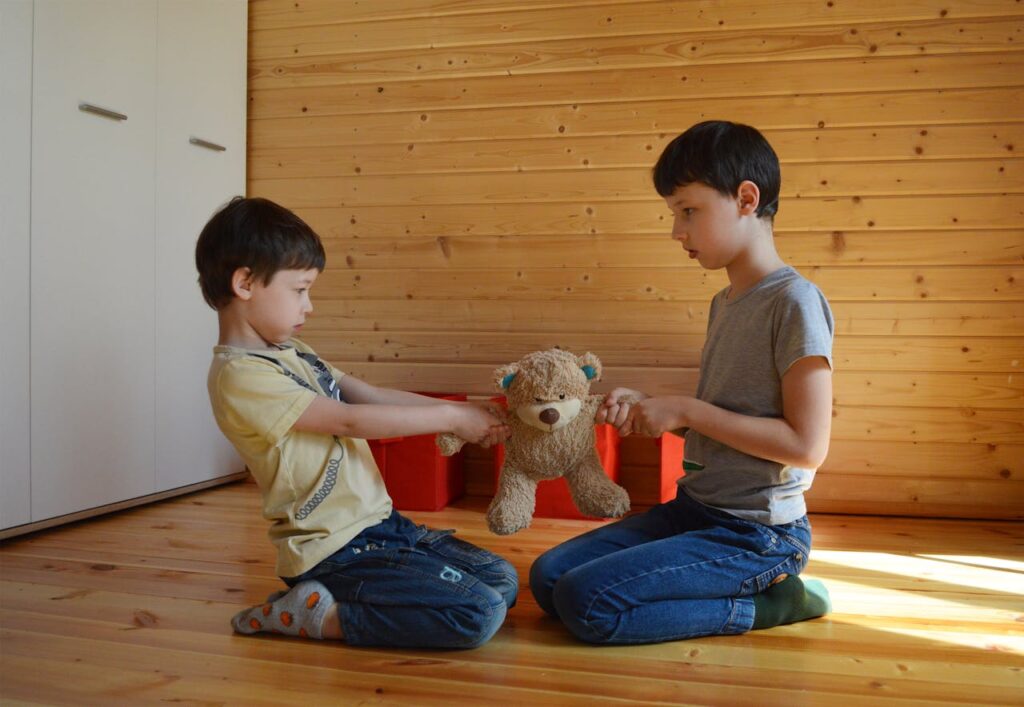
When siblings fight or a playground dispute breaks out, it’s tempting to play judge and jury. But if parents constantly mediate, kids never learn to navigate relationships, advocate for themselves, or consider others’ perspectives. Instead of jumping in, I now ask questions: “What happened?” “How did that make you feel?” “What do you think would make things better?” This way, they learn communication skills and develop the confidence to resolve conflicts on their own.
Over-Scheduling Every Hour of the Day

It seems productive to keep kids busy—with sports, classes, enrichment activities—but too much structure can leave them overstimulated, burned out, and disconnected from their own interests. Constant scheduling leaves little space for boredom, and boredom is where creativity is born. I used to worry downtime meant wasted time—but now I protect it. Free play, slow mornings, or just time to lie in the grass have become crucial for my kids’ emotional and mental balance.
Being “Always Available” at the Expense of Yourself

Putting your child’s needs above your own 24/7 feels selfless—but it can lead to burnout and resentment. Worse, it teaches kids that others don’t have boundaries. I used to think saying, “I’m busy right now” made me a bad parent. Now, I see that modeling self-care, rest, and personal limits is part of raising emotionally intelligent kids. When they see me caring for myself, they learn it’s okay to prioritize their needs in healthy ways too.
Focusing Only on Success and Achievement

Encouraging ambition sounds great—but if praise is only tied to success, kids can become afraid to take risks, lest they fail. They may equate self-worth with performance and avoid anything where they might fail. Through my journey, I’ve learned to celebrate effort, progress, and even brave mistakes. Instead of saying, “I’m proud of your A,” I say, “I’m proud of how hard you worked.” That way, success becomes a journey, not a requirement for love or approval.
Doing Things “For Their Own Good” Without Listening

It’s easy to fall into the habit of making decisions for our kids—especially when we think we know better. And sometimes, we do. But consistently overriding their preferences or shutting down their voice (“because I said so”) can breed resistance, not respect. I’ve learned the value of listening, even if the final decision is mine. When kids feel heard, they’re more likely to cooperate and trust us. Parenting with them, not just at them, builds long-term respect and connection.
Good parenting isn’t about doing everything “right”—it’s about staying aware, adaptable, and willing to grow. Many of these habits came from love, but love doesn’t always equal wisdom. The most powerful thing we can do as parents is reflect honestly, course-correct when needed, and lead with humility. Sometimes, the best parenting isn’t about doing more—it’s about doing differently.