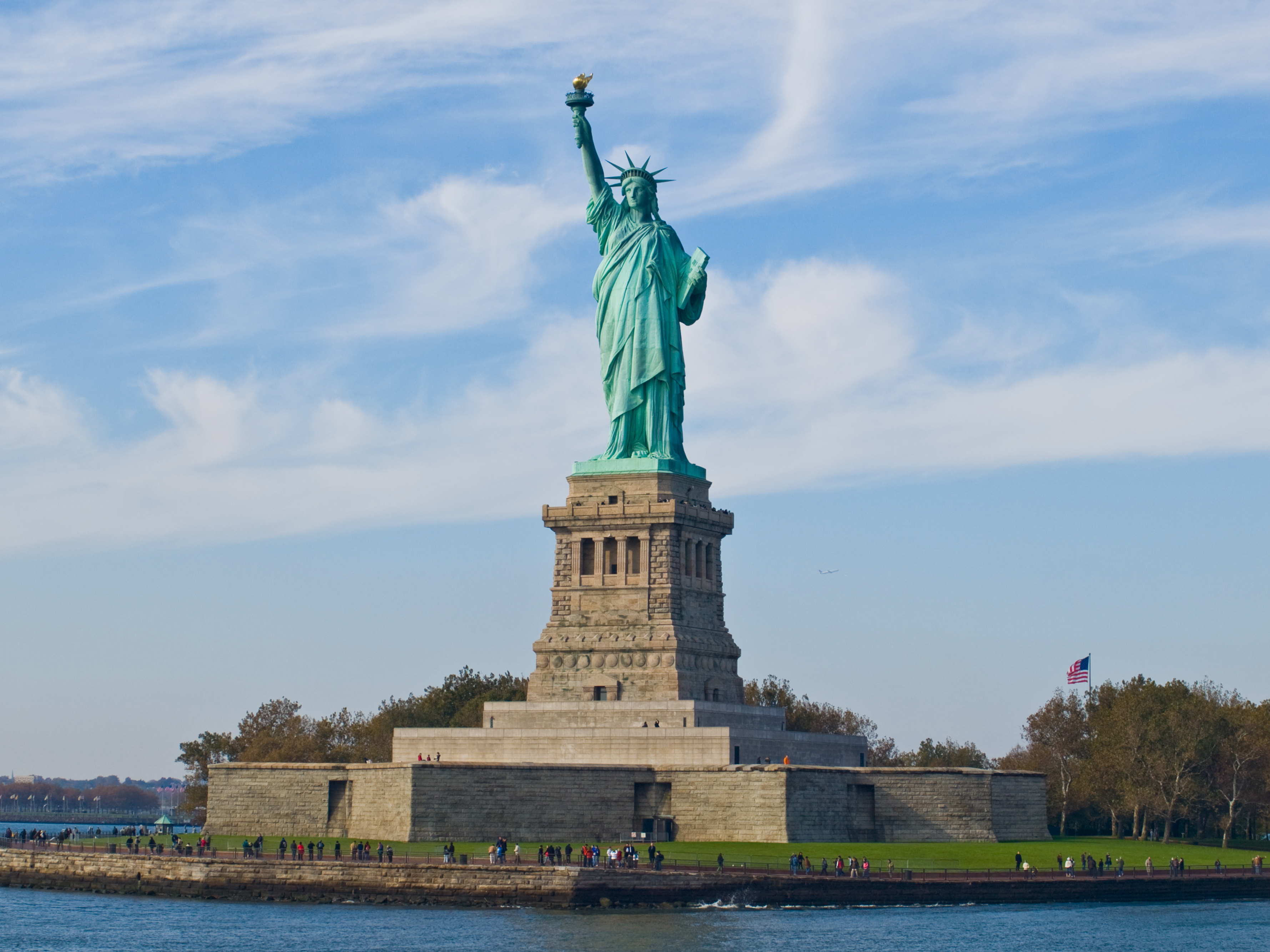
History often highlights wars and elections, but America’s most defining moments sometimes unfold quietly. Beneath the headlines and behind the curtains, subtle shifts in policy, technology, and culture have altered the nation’s direction. These forgotten turning points reveal how fragile and fascinating the American story truly is.
The Erie Canal’s Opening
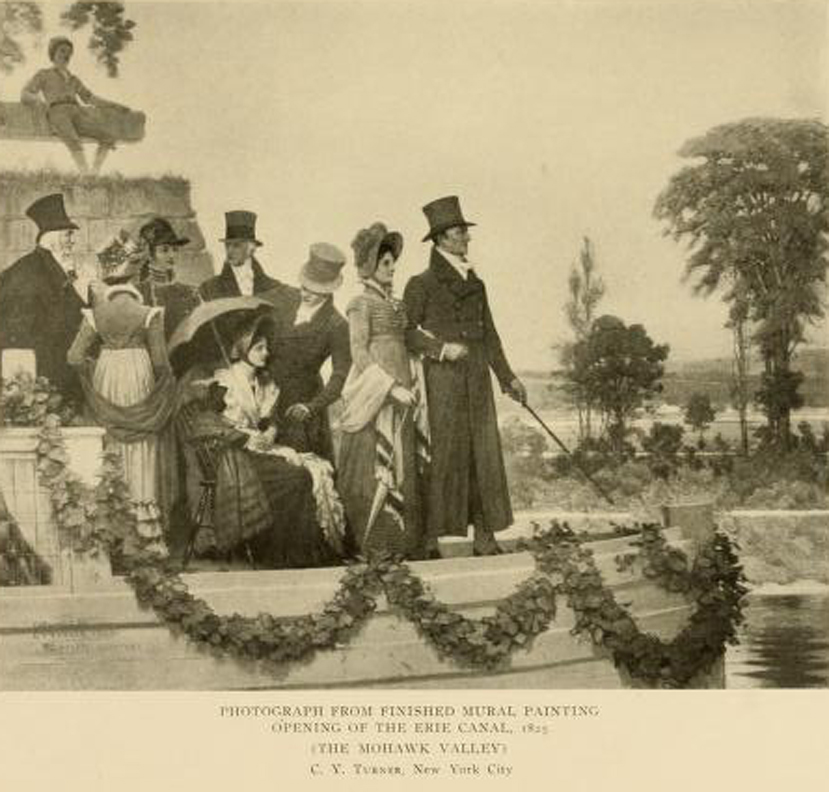
Completed in 1825, the Erie Canal connected the Great Lakes to the Atlantic Ocean, turning New York into a trade empire. It slashed transport costs, fueled westward expansion, and transformed the U.S. economy overnight. Without it, the industrial revolution in America would have been delayed by decades.
The Invention of Barbed Wire
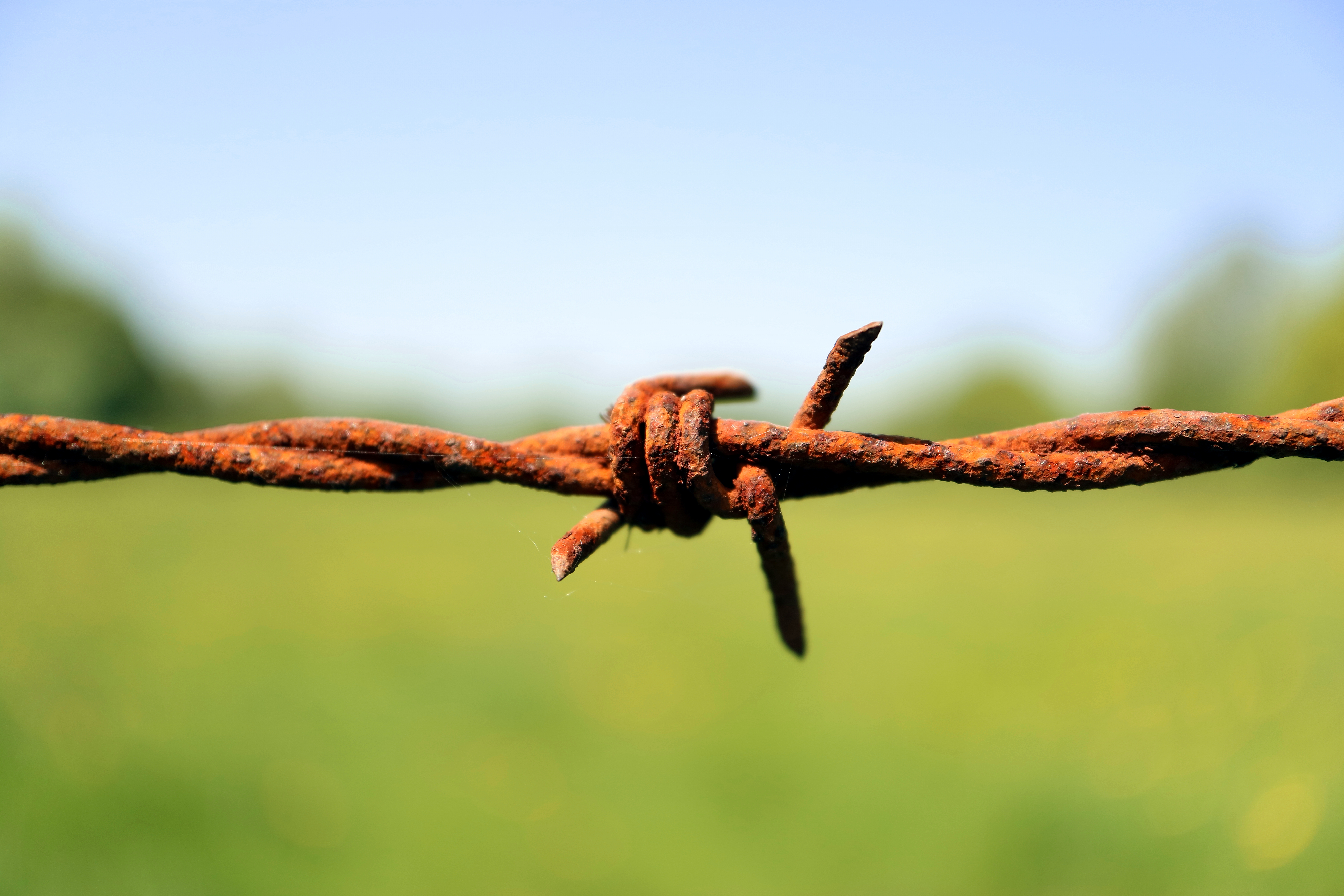
When barbed wire was patented in 1874, it quietly ended the open range era of the American West. This cheap fencing solution allowed settlers to protect land and livestock, leading to conflict but also modernization. It symbolized America’s shift from untamed frontier to agricultural powerhouse.
The Telegraph’s First Message
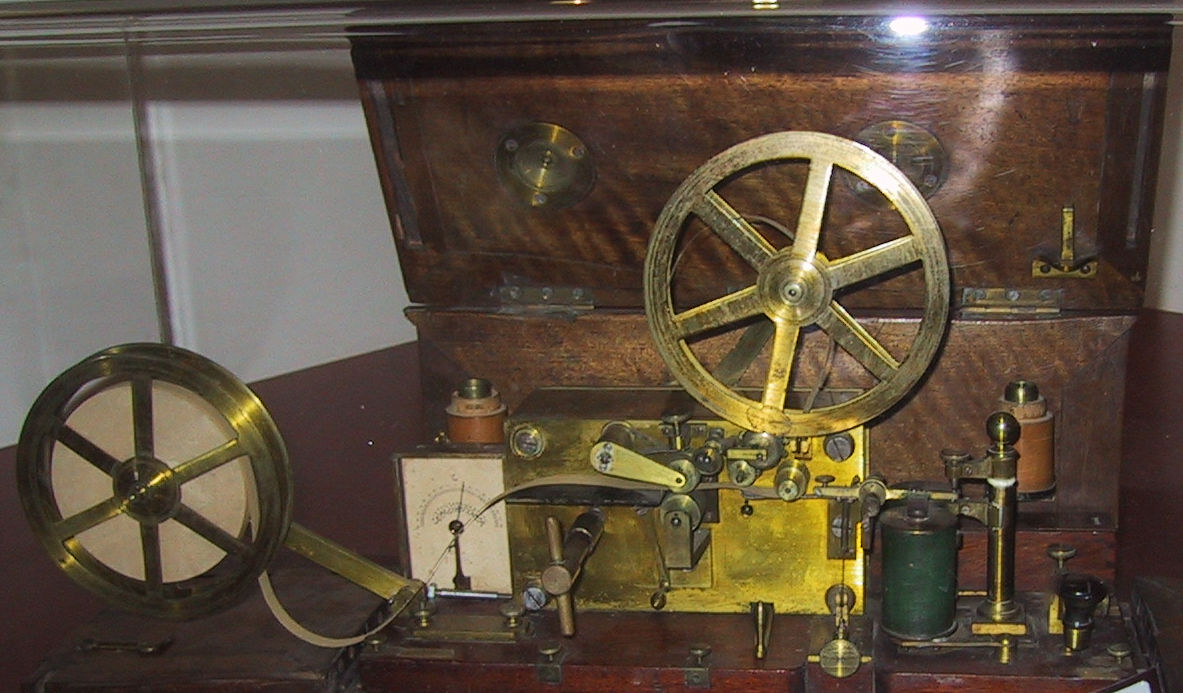
When Samuel Morse sent “What hath God wrought” in 1844, communication changed forever. The telegraph erased distance, uniting a nation that stretched across vast territories. It enabled rapid news transmission during wars and elections, reshaping journalism and governance alike.
The Dust Bowl Migration
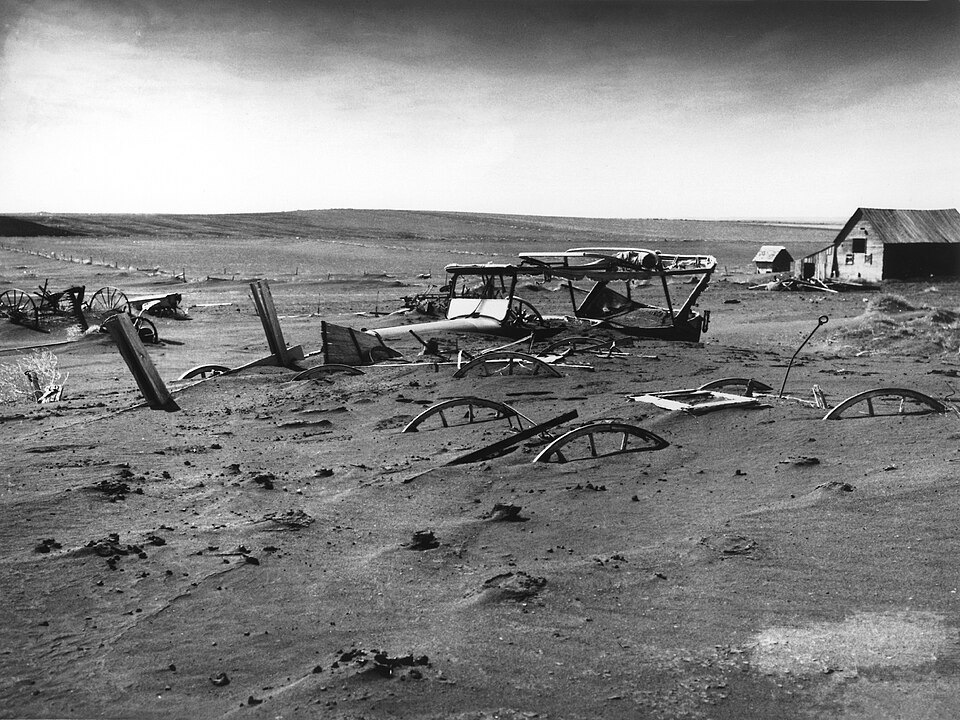
The Dust Bowl of the 1930s drove hundreds of thousands from the Great Plains to California. This migration redefined labor patterns, fueled industrial growth, and inspired federal reforms in agriculture. It also left deep cultural marks, immortalized in Steinbeck’s The Grapes of Wrath.
The G.I. Bill’s Hidden Revolution
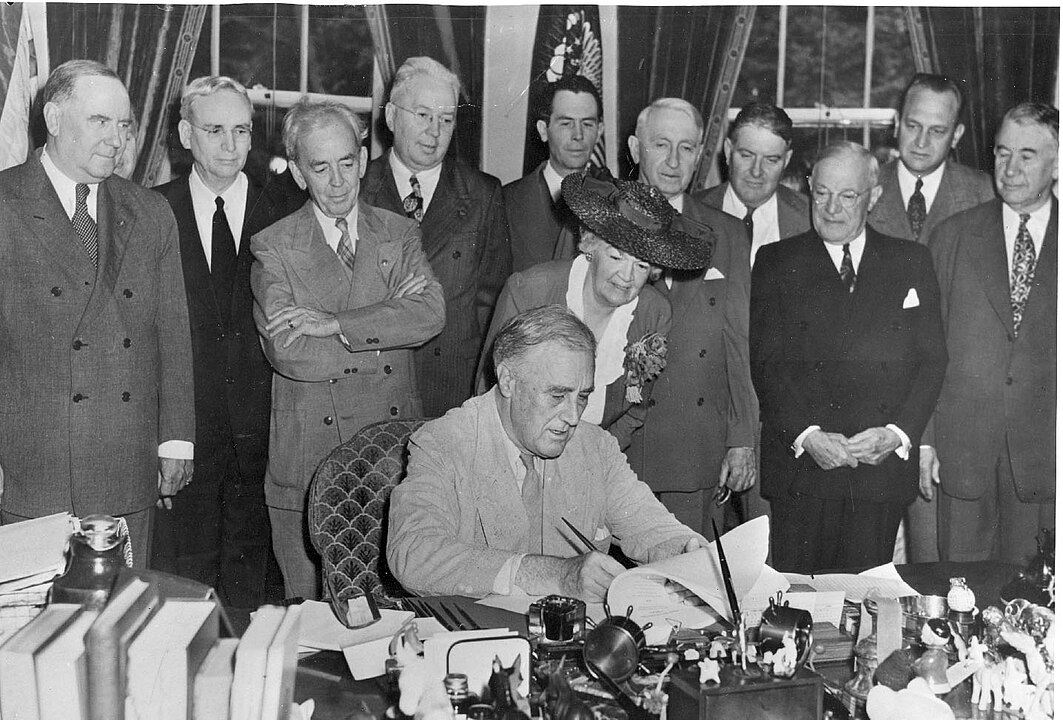
After World War II, the G.I. Bill quietly built the American middle class. By funding education, housing, and business loans, it gave millions of veterans opportunities once reserved for the elite. This single policy turned America into a land of homeowners, college graduates, and suburban dreamers.
The 1965 Immigration and Nationality Act
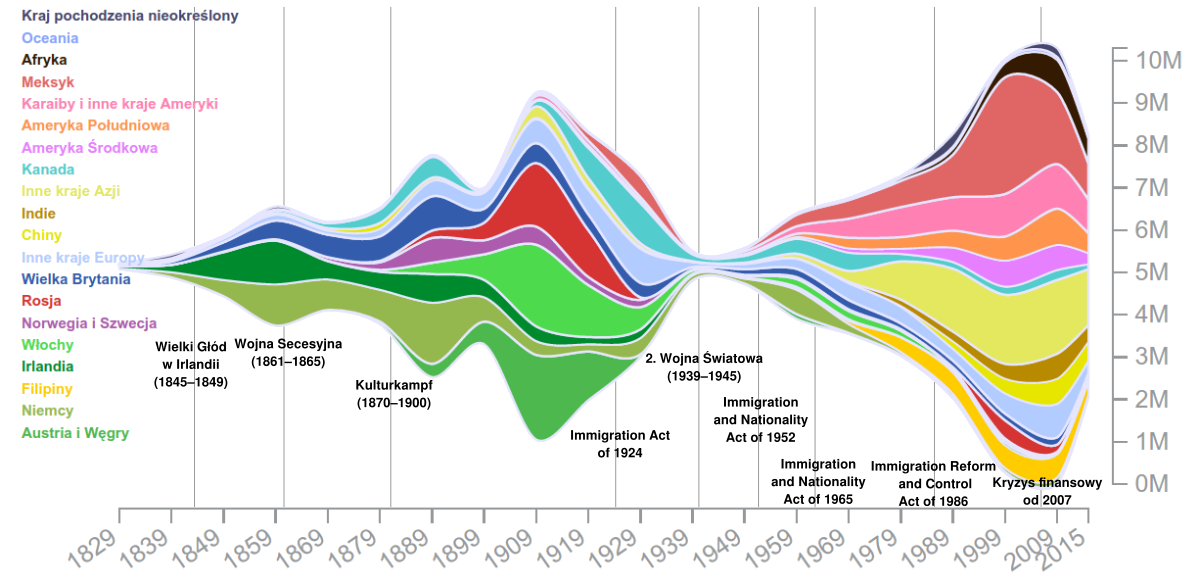
Before 1965, U.S. immigration was heavily restricted by race. This law overturned discriminatory quotas, opening doors to immigrants from Asia, Africa, and Latin America. It reshaped America’s demographic identity and global cultural influence for generations to come.
The Fall of the Berlin Wall’s Economic Echo
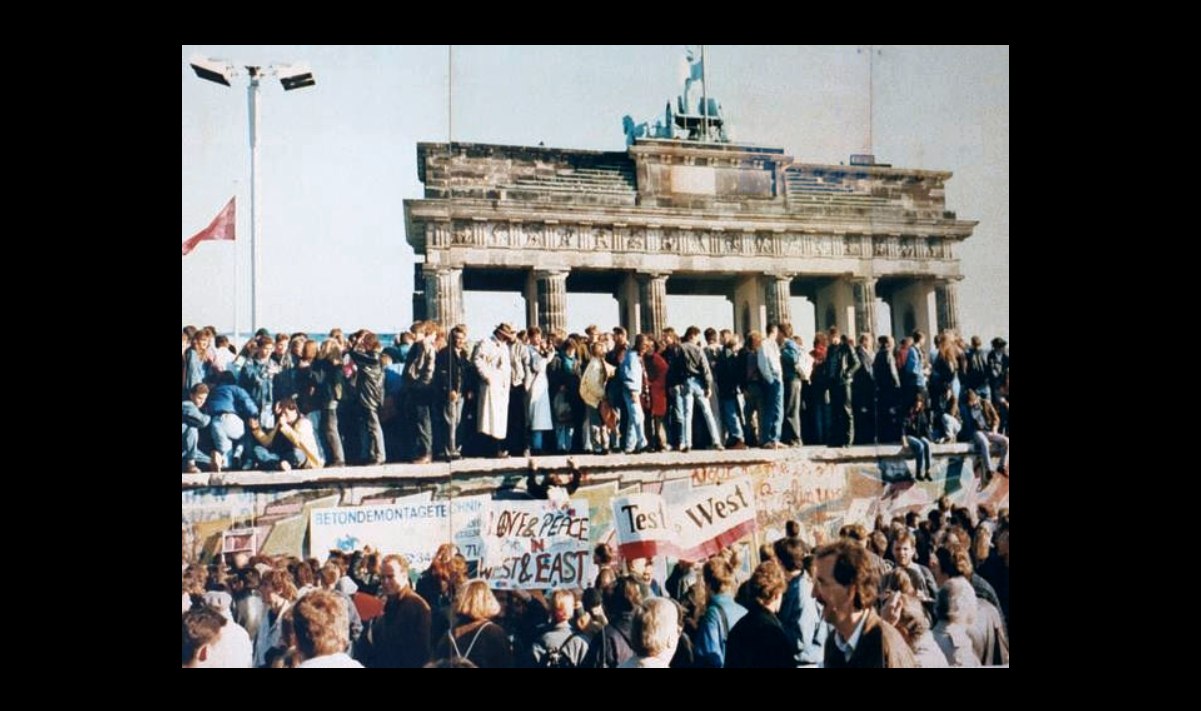
When the Berlin Wall fell in 1989, the Cold War ended — but it also triggered a wave of globalization that deeply affected the U.S. economy. American companies expanded abroad while manufacturing declined at home. The resulting shifts in labor and politics are still felt today.
The Rise of Silicon Valley
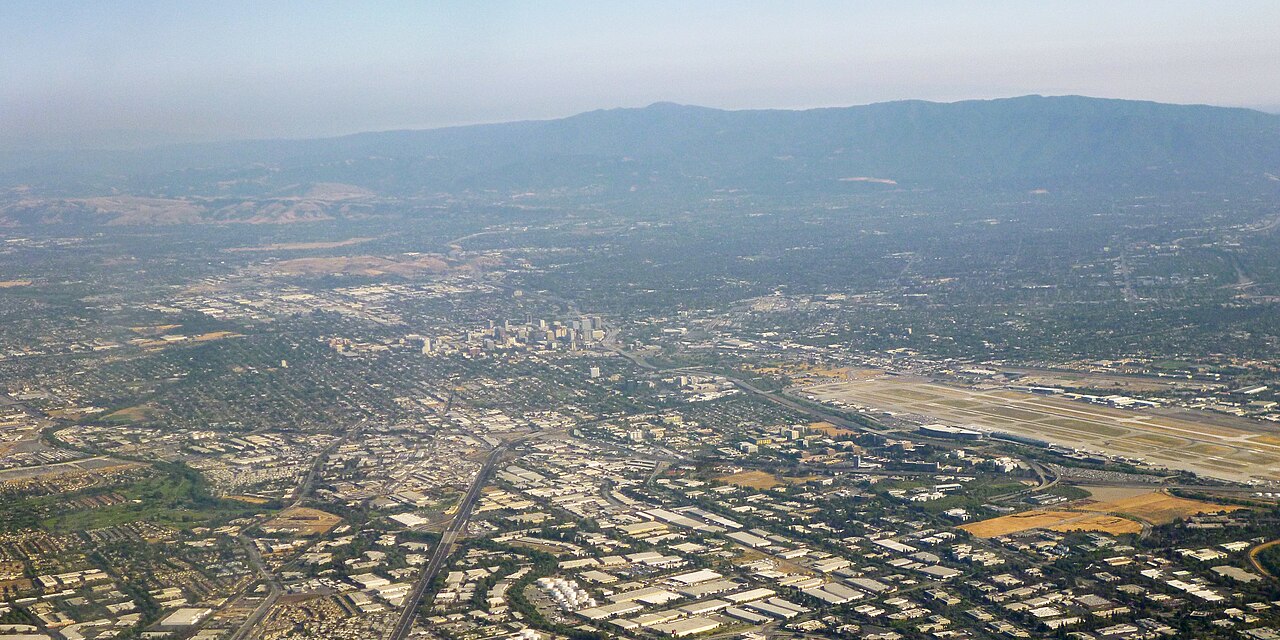
In the mid-20th century, defense contracts and Stanford innovation transformed quiet California orchards into a technology hub. The rise of Silicon Valley didn’t just create gadgets, it reshaped global power structures. The tech-driven economy that defines the 21st century was born there.
The COVID-19 Remote Work Revolution

While recent, the pandemic’s shift to remote work has permanently changed American life. It redefined cities, family dynamics, and corporate culture. For the first time in history, millions of people realized that “work” could exist anywhere, a quiet revolution that will echo for decades.