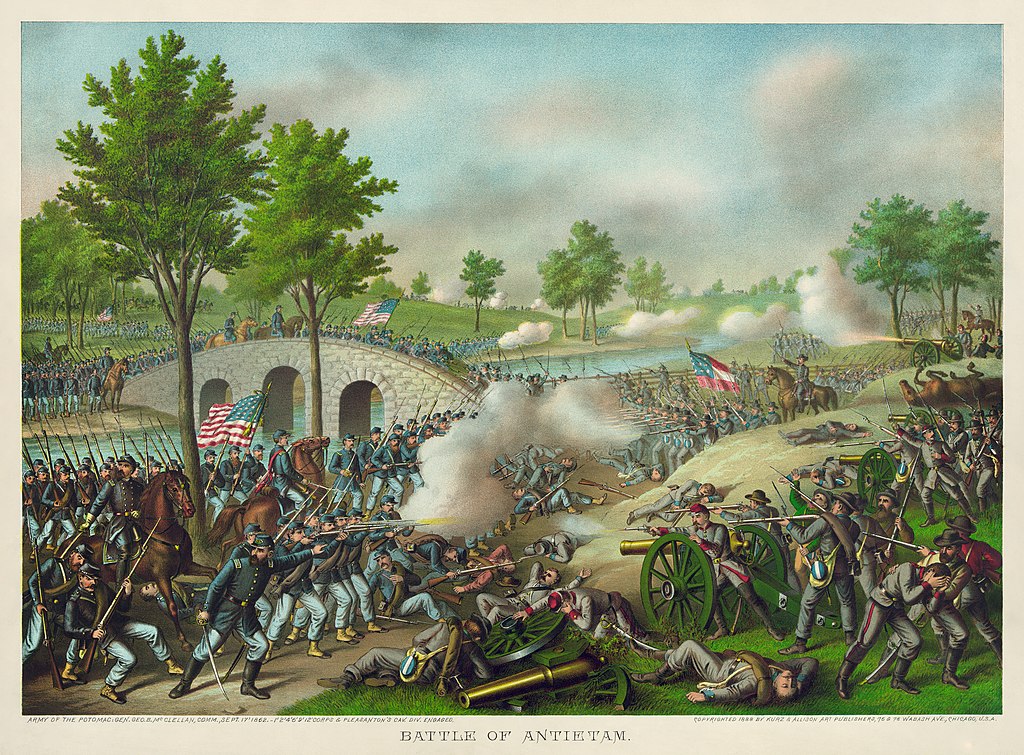
When people think of American history, they usually picture famous battles like Gettysburg or D-Day. But the United States has been shaped just as much by smaller, often overlooked clashes that rarely make it into textbooks. These forgotten battles may not get the spotlight, but their outcomes influenced politics, borders, and the direction of the country. From the early frontier to the far reaches of the Pacific, these moments of conflict played important roles in building the nation we know today.
Battle of Fallen Timbers (1794)
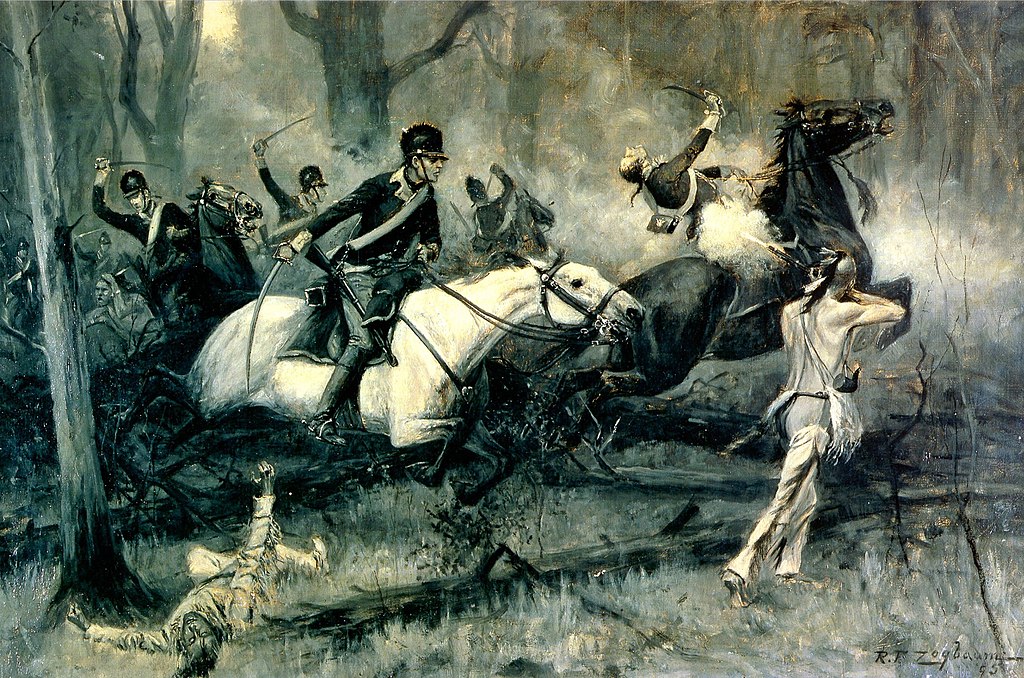
Fought in present-day Ohio, this clash between U.S. forces and a confederation of Native American tribes determined control of the Northwest Territory. The U.S. victory forced the tribes to sign the Treaty of Greenville, opening much of the Midwest to American settlement. Without this outcome, the expansion westward would have been delayed or reshaped entirely. Though not widely remembered, it was one of the most decisive battles of the early republic and secured ground for future growth.
Battle of New Orleans (1815)
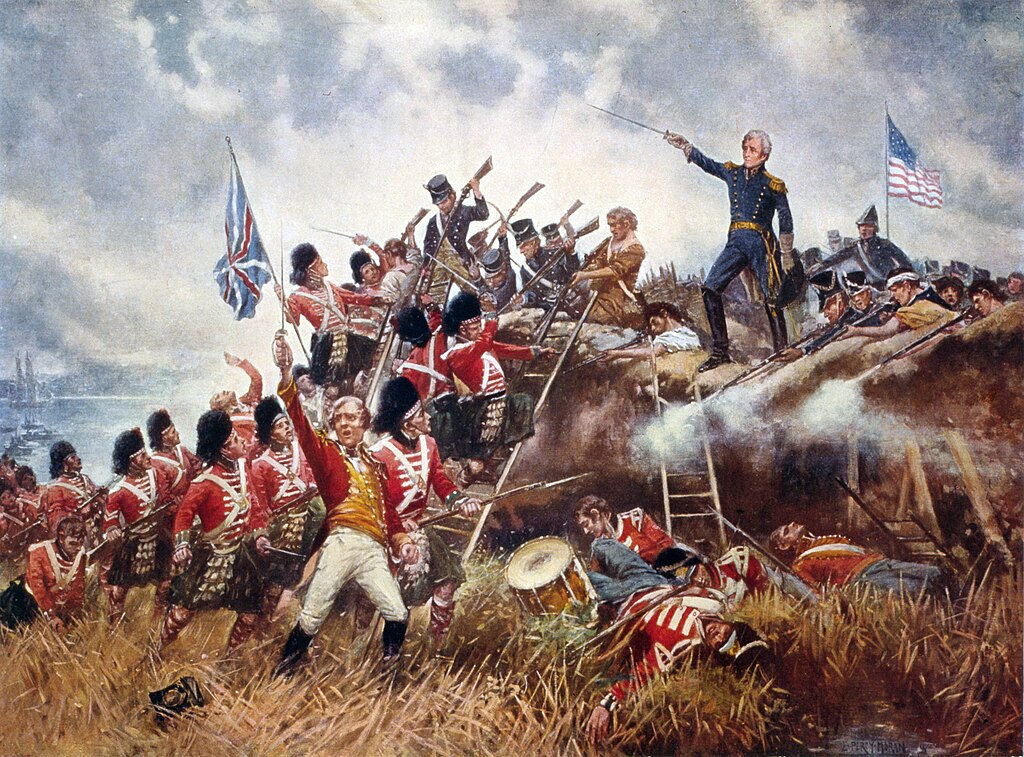
This battle technically occurred after the War of 1812 had already ended with the signing of the Treaty of Ghent, but news traveled slowly, and no one in New Orleans knew it yet. General Andrew Jackson’s forces crushed the British, giving Americans a surge of pride and establishing Jackson as a national hero. The victory reshaped how people viewed the war and gave the young nation confidence on the world stage. Today, it is more of a footnote than a headline, but its impact was enormous.
Battle of Horseshoe Bend (1814)
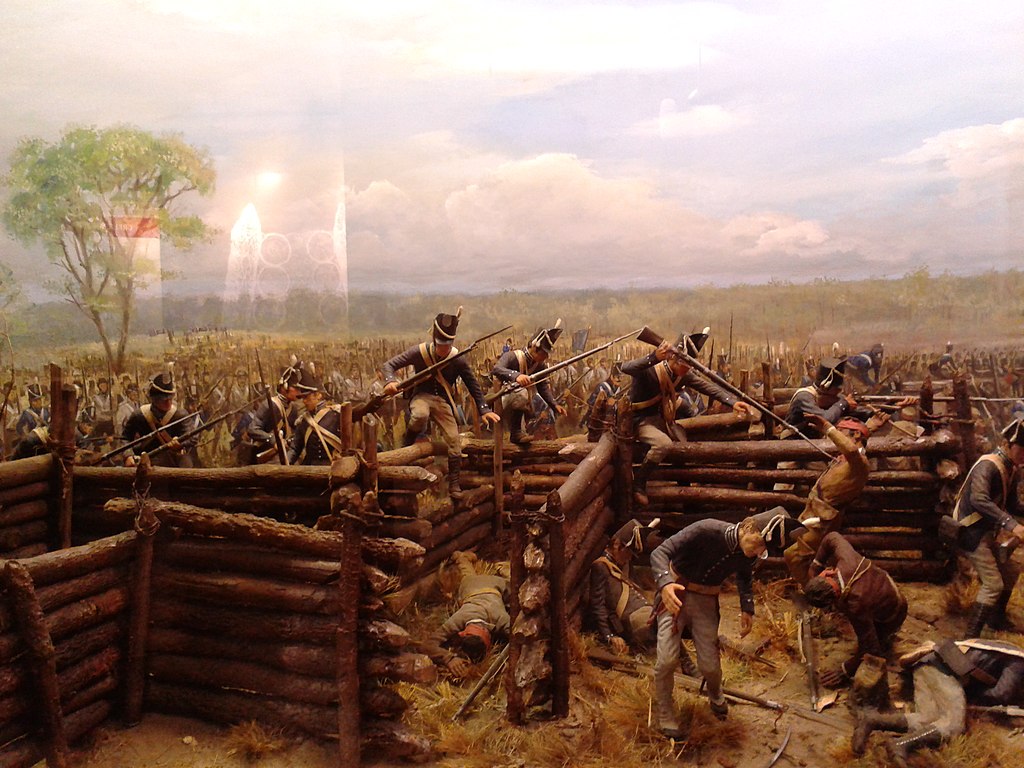
Part of the Creek War, this brutal battle in Alabama saw Andrew Jackson’s troops, allied with Cherokee warriors, defeat the Creek Red Stick faction. The result forced the Creek to cede millions of acres of land in the South, fueling U.S. expansion. It also marked Jackson’s rise as a military leader, setting the stage for his presidency. Though overshadowed by later events, the outcome transformed the map of the Southeast and left a permanent mark on Native American communities.
Battle of Lake Erie (1813)
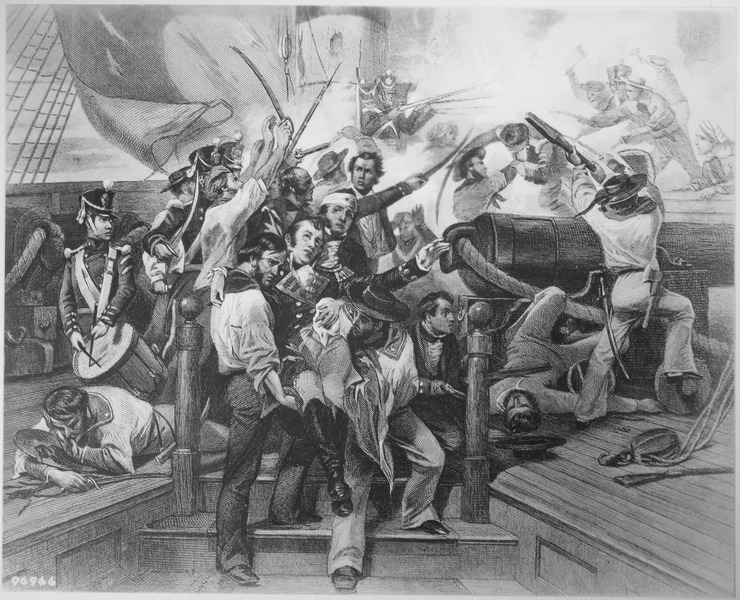
Fought during the War of 1812, this naval clash gave the United States control of Lake Erie. Oliver Hazard Perry’s famous report, “We have met the enemy and they are ours,” made headlines, but the battle’s significance often fades behind land campaigns. The victory allowed the U.S. to secure the Northwest frontier and forced the British to retreat from Detroit. Without it, American forces might have lost ground in the region, altering the trajectory of the war and its aftermath.
Battle of Palo Alto (1846)
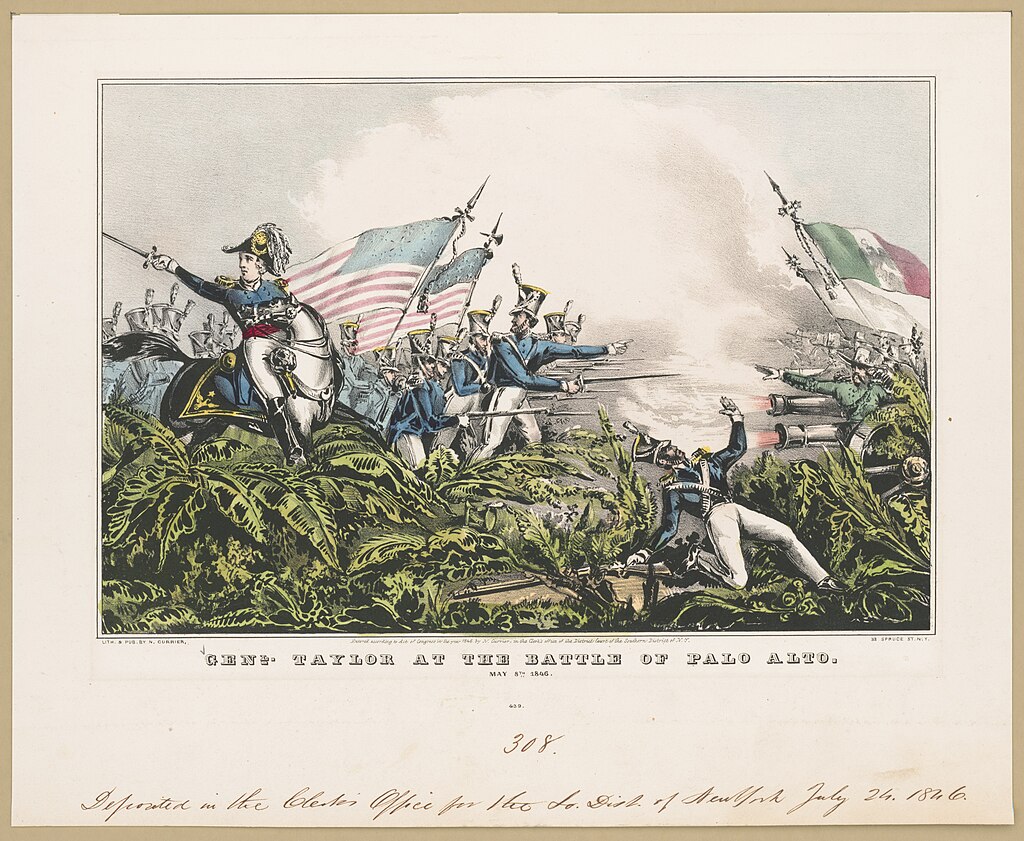
This was the opening clash of the Mexican-American War, fought in what is now Texas. Though not as well known as later battles, it set the tone for the conflict. The U.S. Army’s use of mobile artillery overwhelmed Mexican forces and signaled a new kind of battlefield strategy. The victory boosted morale and gave Americans confidence that they could win the war. The land gained from the larger conflict reshaped the map of the United States, adding vast new territories to the nation.
Battle of Fort Wagner (1863)
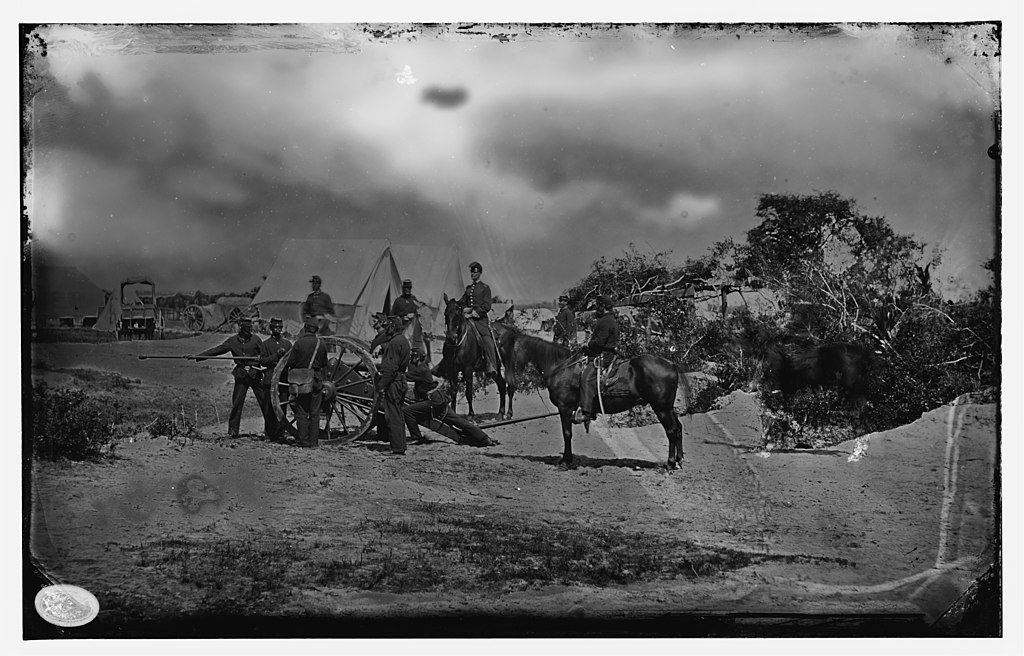
Best remembered for the bravery of the 54th Massachusetts, one of the first African American regiments in the Civil War, the Battle of Fort Wagner in South Carolina was both a defeat and a turning point. Though the Union did not capture the fort, the courage displayed by the 54th challenged stereotypes and helped win support for greater use of Black soldiers. This shift strengthened Union forces and marked a step toward recognition and equality, shaping the war’s social as well as military outcome.
Battle of Mobile Bay (1864)
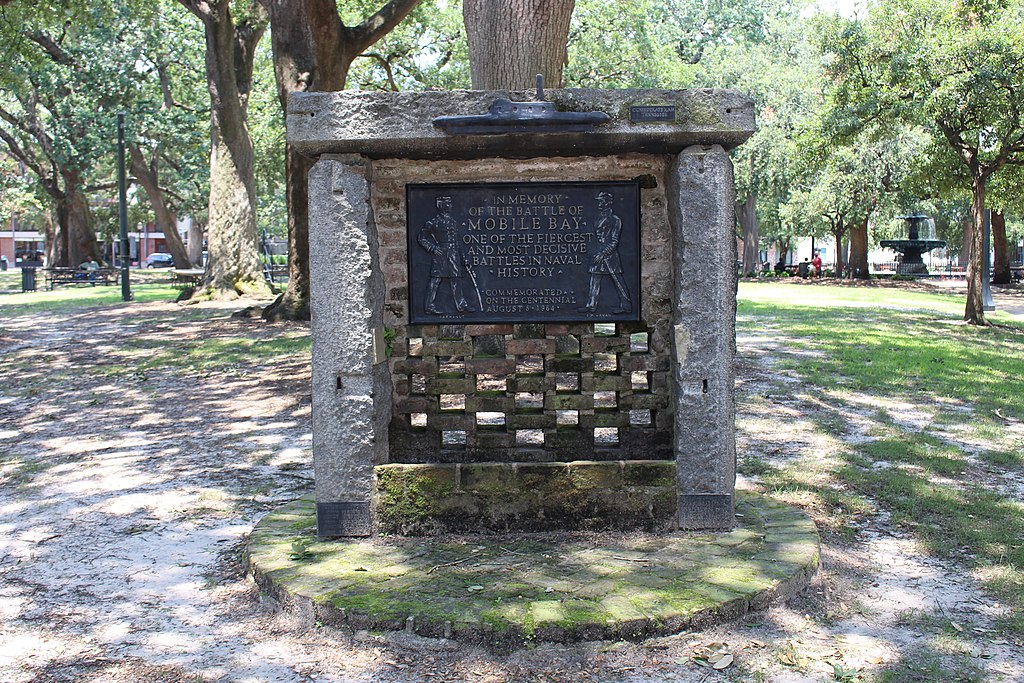
This naval battle during the Civil War gave the Union control of one of the last major Confederate ports. Admiral David Farragut’s command, “Damn the torpedoes, full speed ahead,” became legendary, but the battle itself often gets overlooked. Securing Mobile Bay choked off vital Confederate supplies and hastened the collapse of the South. Without this victory, the war might have dragged on longer, costing more lives and delaying the Union’s final push toward victory and reunification.
Battle of Manila Bay (1898)
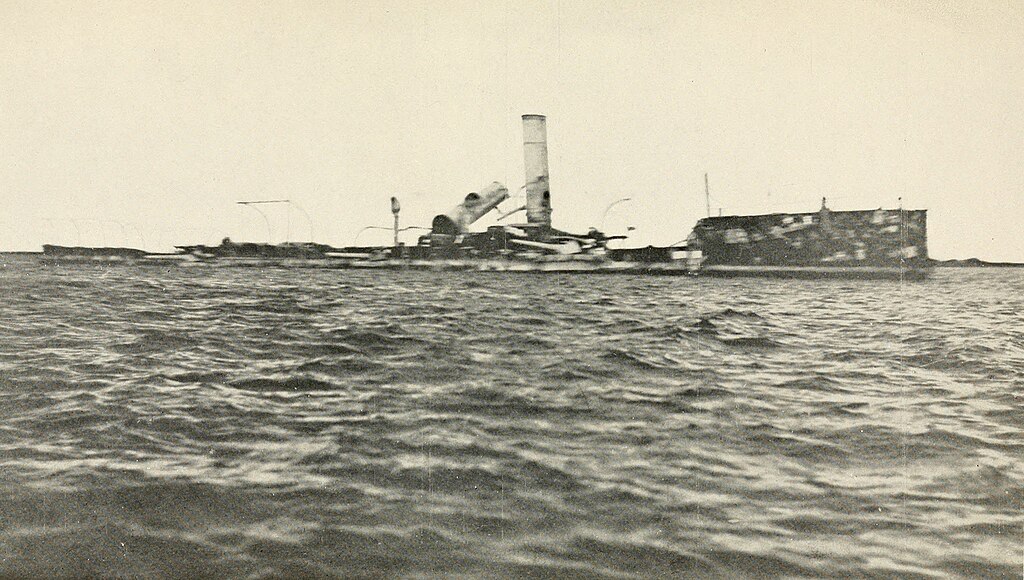
At the start of the Spanish-American War, Commodore George Dewey’s fleet destroyed the Spanish Pacific Squadron in Manila Bay. The stunning victory gave the United States control of the Philippines and signaled the nation’s arrival as a global power. While the war is often remembered for Cuba and Teddy Roosevelt’s Rough Riders, this naval triumph reshaped America’s role in international affairs. It marked the beginning of overseas expansion and the birth of a more assertive U.S. foreign policy.
Battle of Guadalcanal (1942)
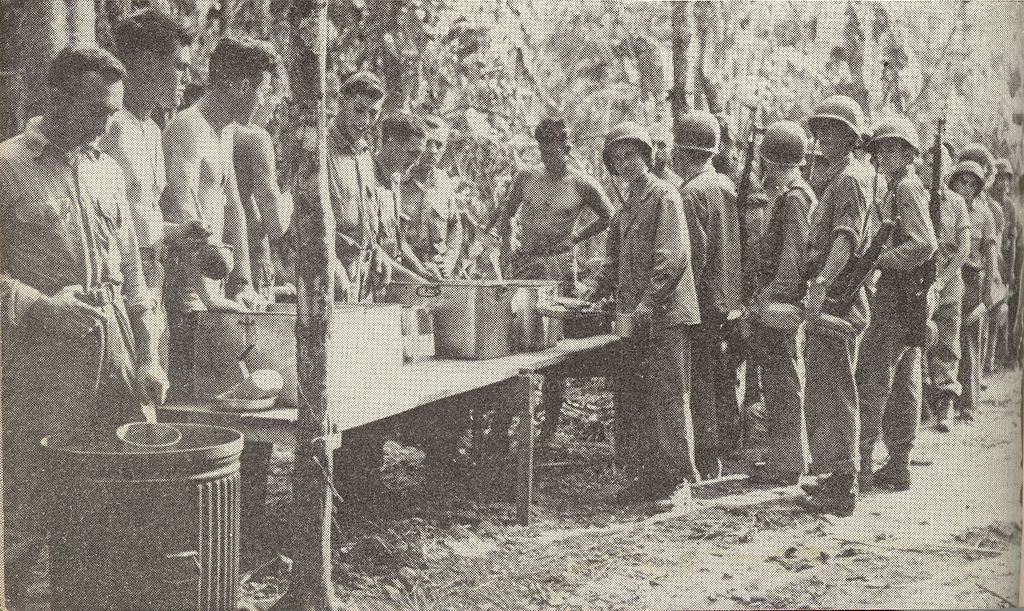
Part of World War II’s Pacific campaign, Guadalcanal was the first major offensive by U.S. forces against Japan. The battle dragged on for months and tested American resolve in brutal conditions. Securing the island gave the Allies a foothold to push westward and shift the momentum of the war in the Pacific. Though less famous than Pearl Harbor or D-Day, the victory at Guadalcanal was critical. Without it, the path to eventual victory over Japan would have been far longer and bloodier.
These nine battles may not dominate history classes, but they quietly shaped the United States in profound ways. Each one altered the nation’s borders, politics, or international standing. Remembering them highlights how even lesser-known clashes can steer the course of history. They remind us that history is not just written in the big moments everyone knows, but also in the forgotten fights that changed the nation’s direction forever.