Many foods look familiar only after they have been washed, trimmed, peeled, or packed for sale. Before harvest, some appear so different that even regular shoppers would not connect the plant in the field with the item in a kitchen. Shape, color, texture, and growth habit all change how a food is recognized.
That gap exists because harvesting removes the parts people do not usually see. Leaves, stalks, husks, shells, and roots are often stripped away before produce reaches stores. What remains is only the final edible portion, not the whole plant.
These nine foods are among the easiest to misidentify before harvest. Seeing how they grow offers a clearer view of how everyday ingredients begin long before they reach a basket or plate.
1. Peanuts Grow Underground Instead of on Trees
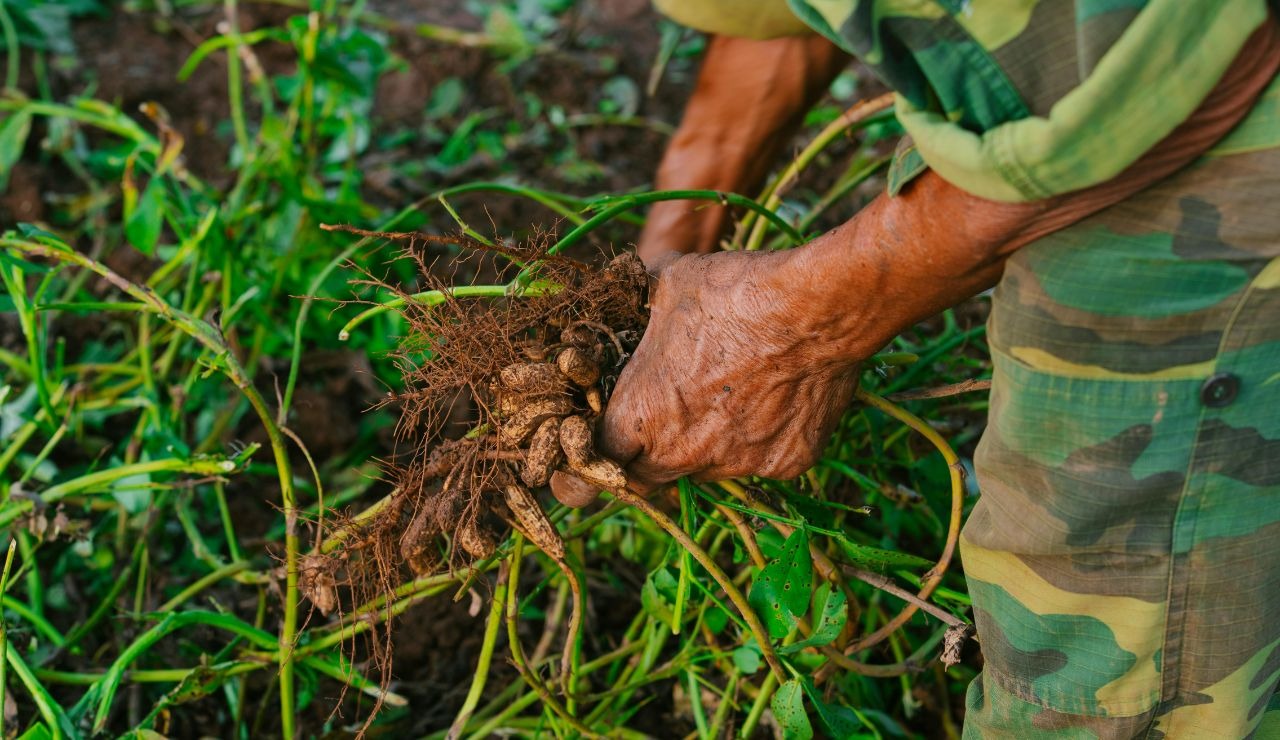
Peanuts confuse many people because they are often grouped with tree nuts, even though they develop in a very different way. After the plant flowers above ground, the fertilized stem bends downward and pushes into the soil, where the pods mature underground.
Before harvest, the plant looks low, leafy, and fairly ordinary from the surface. There is little sign that the edible pods are attached below unless the whole plant is pulled up. That hidden pattern makes peanuts easy to misread in a field.
Most shoppers only see peanuts after they have been dried, shelled, and separated from the rest of the plant. Without that full picture, many never realize the crop grows more like an underground pod than a nut hanging from a branch.
2. Cashews Form Below a Fruit Called the Cashew Apple
Rogério Rodrigues/Pexels
Cashews look unusual before harvest because the edible part develops below a swollen, colorful fruit called the cashew apple. In stores, people only see the cleaned kernel, but on the tree the full structure looks more like a fleshy tropical fruit with a curved shell attached at the bottom.
That appearance often causes confusion because the fruit draws attention first. The actual cashew sits outside it in a hard shell that must be processed carefully before it is safe to eat. The raw form does not resemble the familiar snack most people know.
Once the shell is removed and the nut is roasted, the link becomes clearer. On the tree, though, cashews are one of the easiest foods to mistake for something entirely different.
3. Brussels Sprouts Line Up Along a Thick Central Stalk
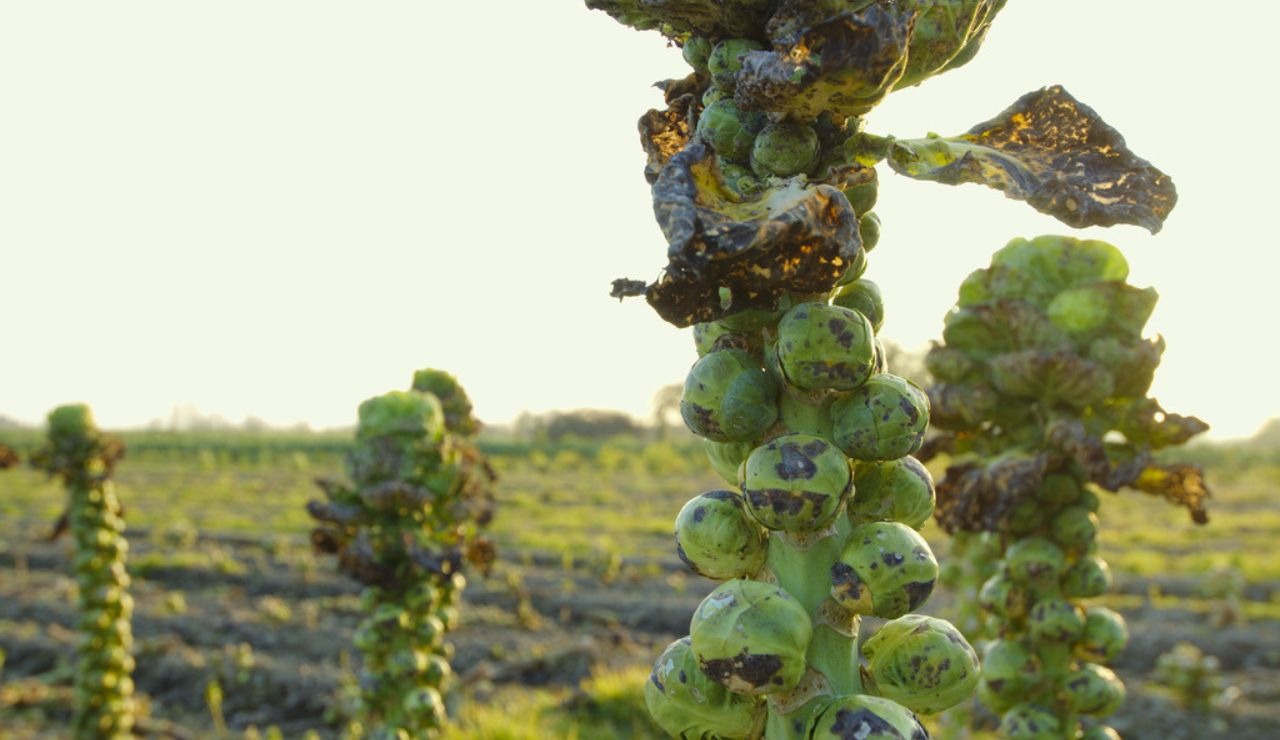
Brussels sprouts do not begin as loose little vegetables in a bag or tray. They grow as compact buds along a thick upright stalk, with each sprout forming where the leaf joins the stem. Before harvest, the plant looks tall, structured, and far less familiar than the trimmed sprouts sold in stores.
That growth pattern surprises many people because the edible part stays attached in rows from top to bottom. Seen whole, the plant has more in common with a sturdy garden stalk than a pile of round green vegetables ready for cooking.
Once the sprouts are removed, cleaned, and packed, the original structure disappears. Without the stalk, leaves, and height of the plant, it becomes much harder to imagine how Brussels sprouts actually develop.
4. Artichokes Are Picked Before the Flower Opens
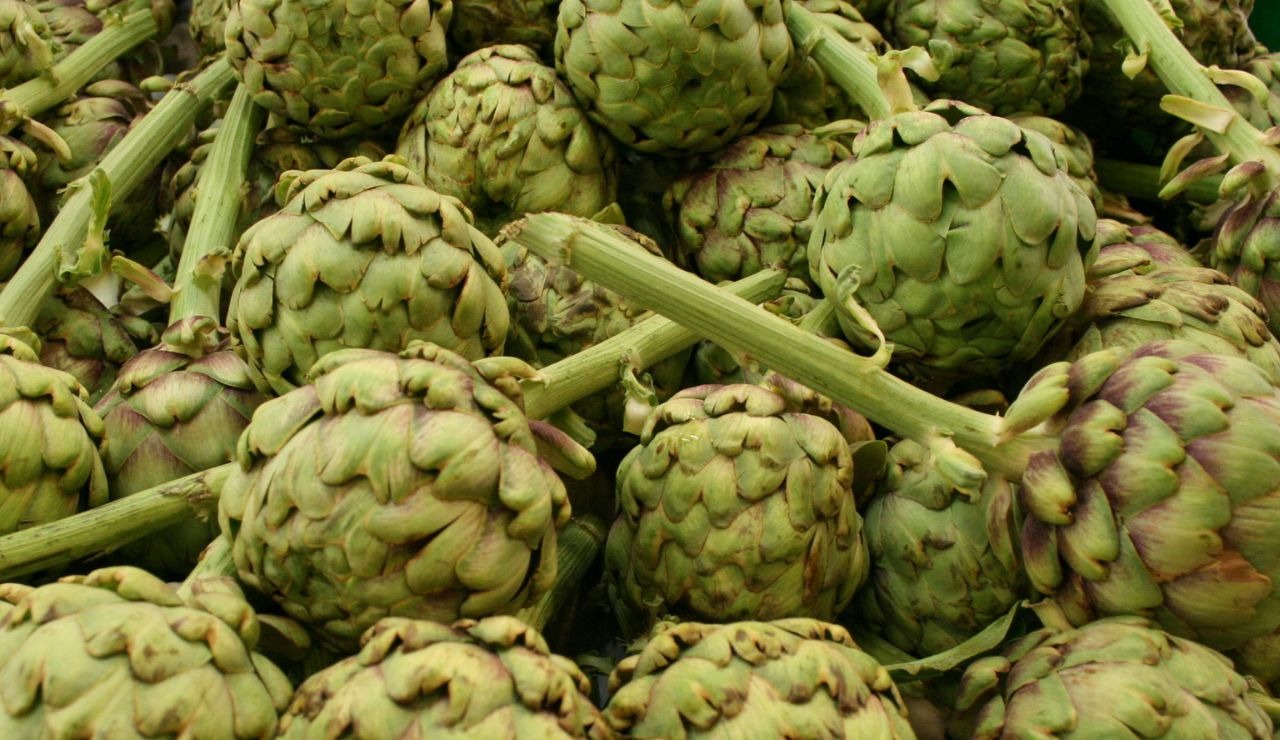
Artichokes are picked before they open, which is why many people do not realize they are flower buds. Growing on a broad, silvery-green plant, the edible bud looks ornamental in the field and can seem more like a garden bloom than a vegetable headed for a kitchen.
If left unharvested, the bud opens into a large purple thistle-like flower. That later stage makes the plant even more surprising for people who only know artichokes as something steamed, grilled, or served trimmed on a plate.
The food sold in stores is only one moment in the plant’s growth cycle. Seeing the bud on the plant helps explain why artichokes look so different before harvest than they do after cleaning, trimming, and cooking.
5. Vanilla Begins as a Green Pod on an Orchid Vine
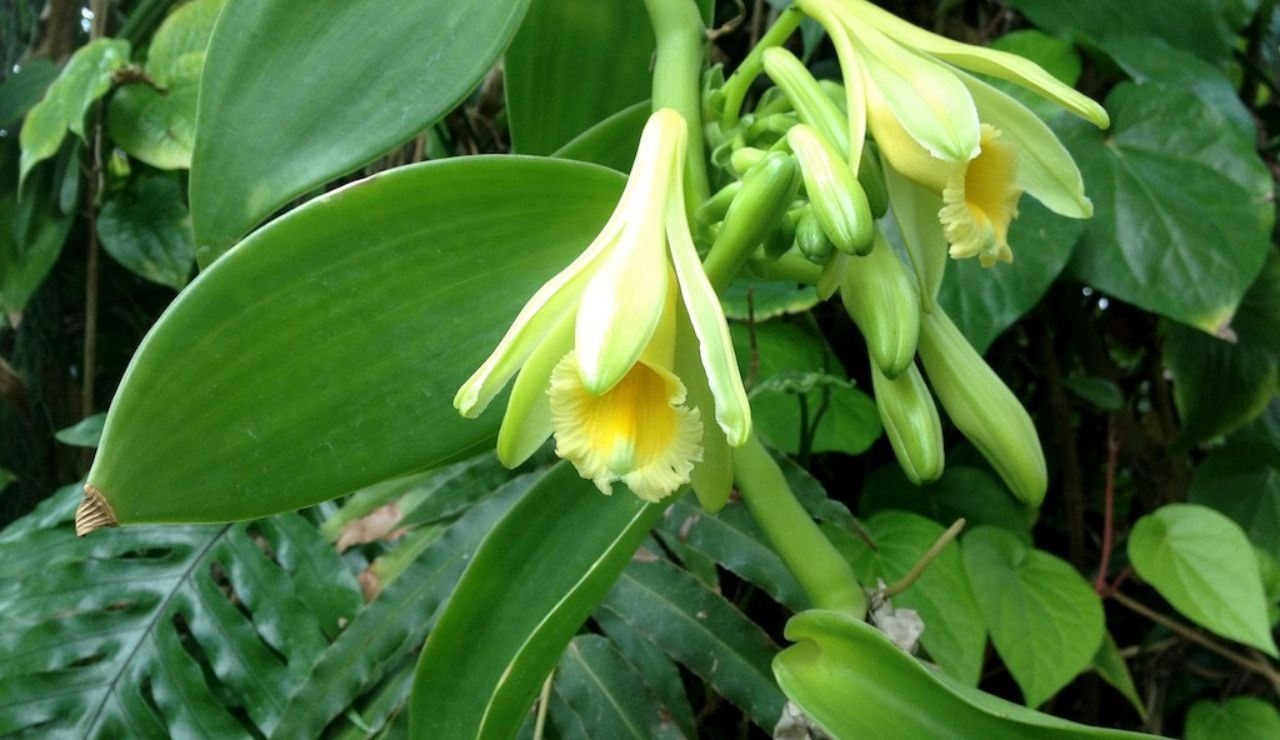
Vanilla is one of the least recognizable foods before harvest because it begins as a long green pod on an orchid vine. Most people know vanilla as a dark bean, liquid extract, or familiar baking flavor, not as the fresh fruit of a climbing tropical plant.
At harvest, the pod does not yet have the deep color or strong aroma many expect. Those features develop later through a careful curing process that changes the pod’s texture, scent, and appearance over time. Fresh vanilla looks plain by comparison.
That difference is what makes the crop so surprising in person. Without the curing stage, many people would not connect a smooth green pod hanging from a vine with the rich vanilla used in desserts, drinks, and baked goods.
6. Turmeric Hides Its Bright Color Beneath the Soil
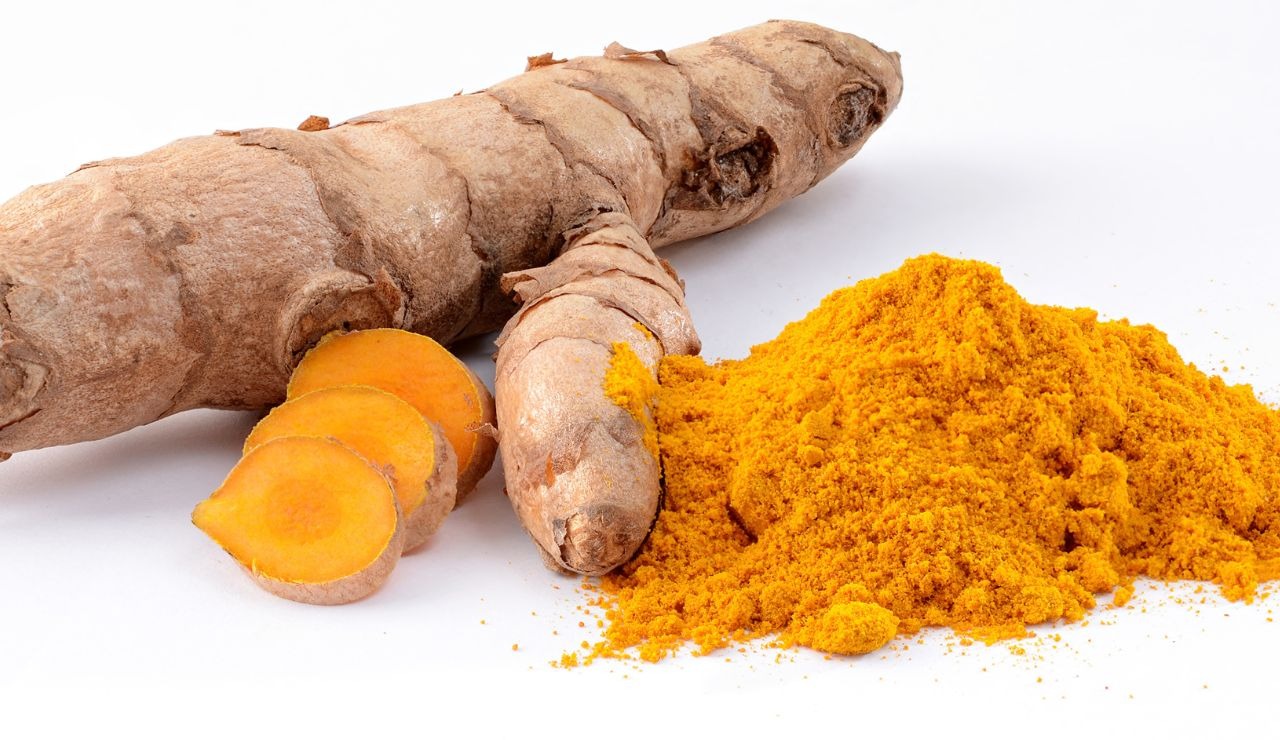
Turmeric remains hard to identify before harvest because the edible part grows underground. Above the soil, the plant produces broad green leaves and a flower spike that give little hint of what is hidden below. The familiar orange interior stays concealed inside the rhizome until it is dug up and cut open.
Most shoppers know turmeric as a powder or as a cleaned, root-like piece in the produce section. That finished form reveals almost nothing about the plant’s leafy appearance or the way it spreads beneath the ground.
Because the strongest visual clue is hidden inside, the crop looks ordinary at first glance. Only after harvest does turmeric show the bold color that makes it so recognizable in kitchens and spice jars.
7. Sesame Comes From Upright Pods, Not Loose Seeds
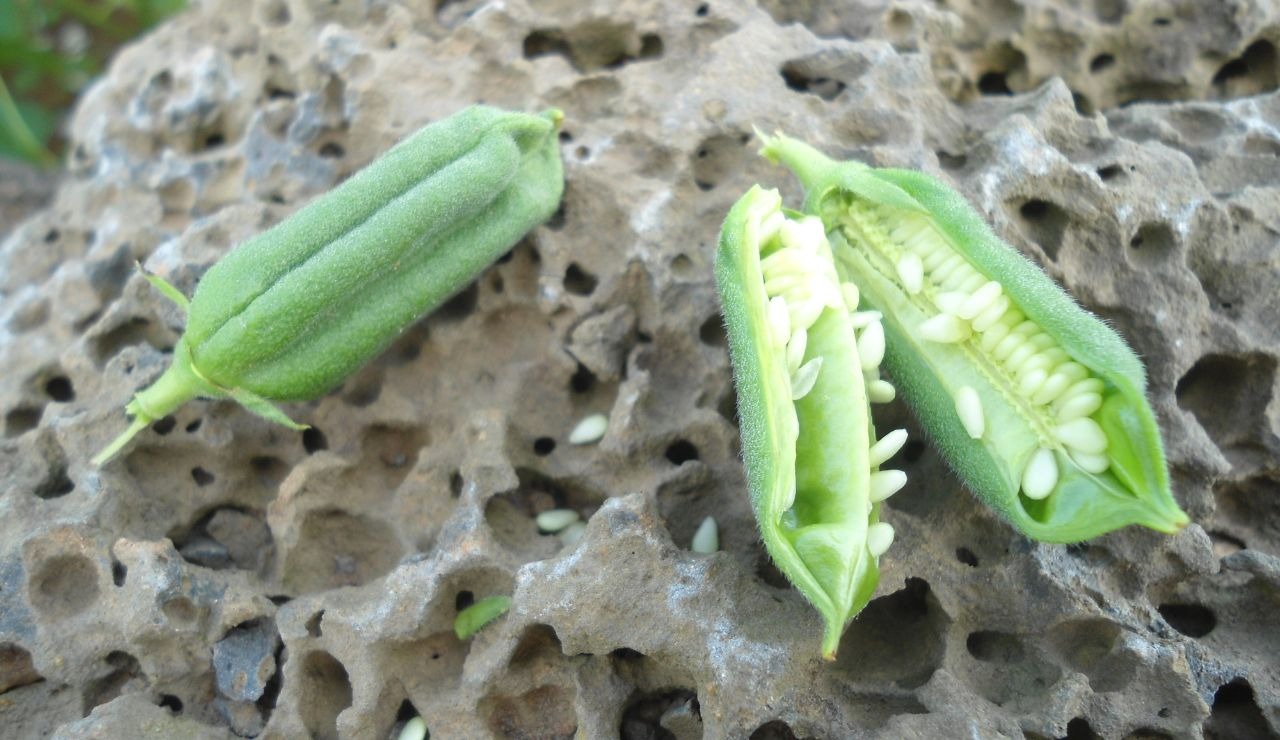
Sesame is usually seen as a loose seed sprinkled over bread, noodles, or snacks, which is why the plant surprises so many people before harvest. Instead of appearing as exposed seeds, sesame develops inside narrow upright pods that grow along the stems of a flowering plant.
Before the pods dry and split, there is little visual connection to the tiny seeds people recognize in food. The crop looks more like a row of green capsules than the source of a common topping or cooking ingredient.
That difference makes sesame easy to misidentify in a field. Only after the pods mature, open, and release their seeds does the familiar form appear. Until then, the plant seems far removed from the finished ingredient used at the table.
8. Pineapples Grow from Low, Spiky Ground Plants
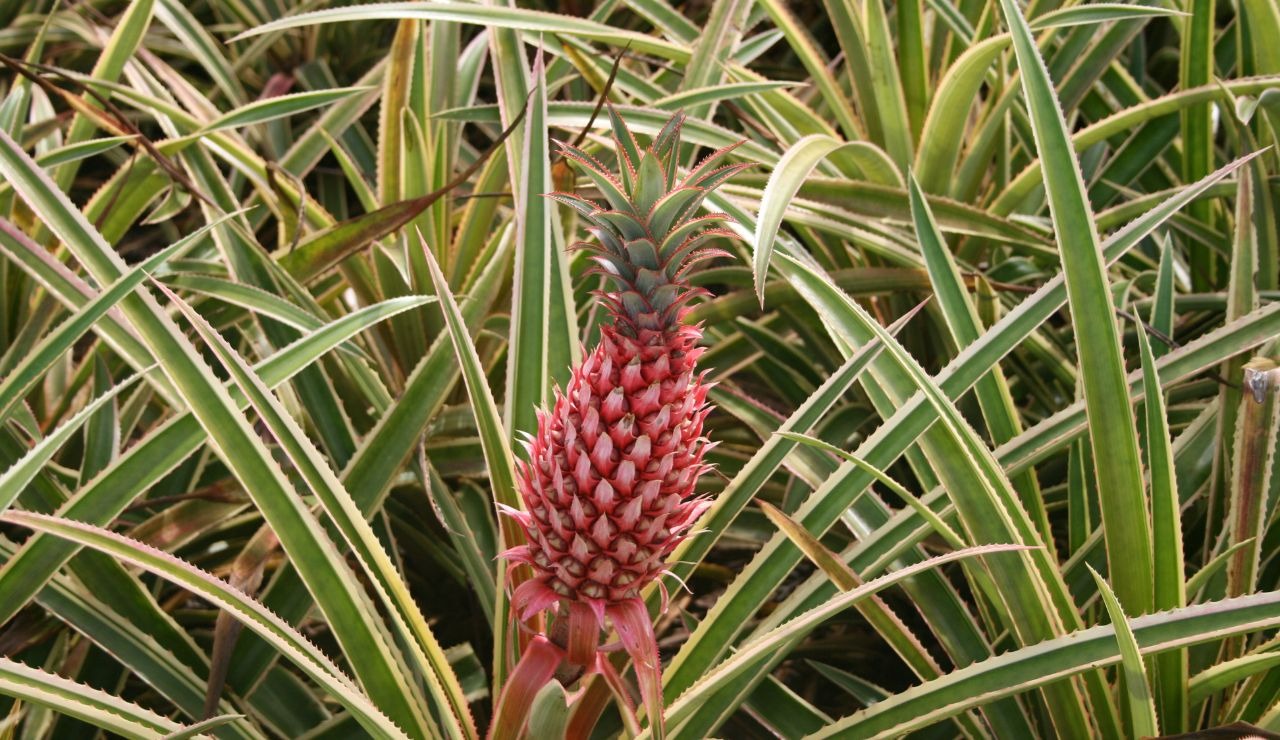
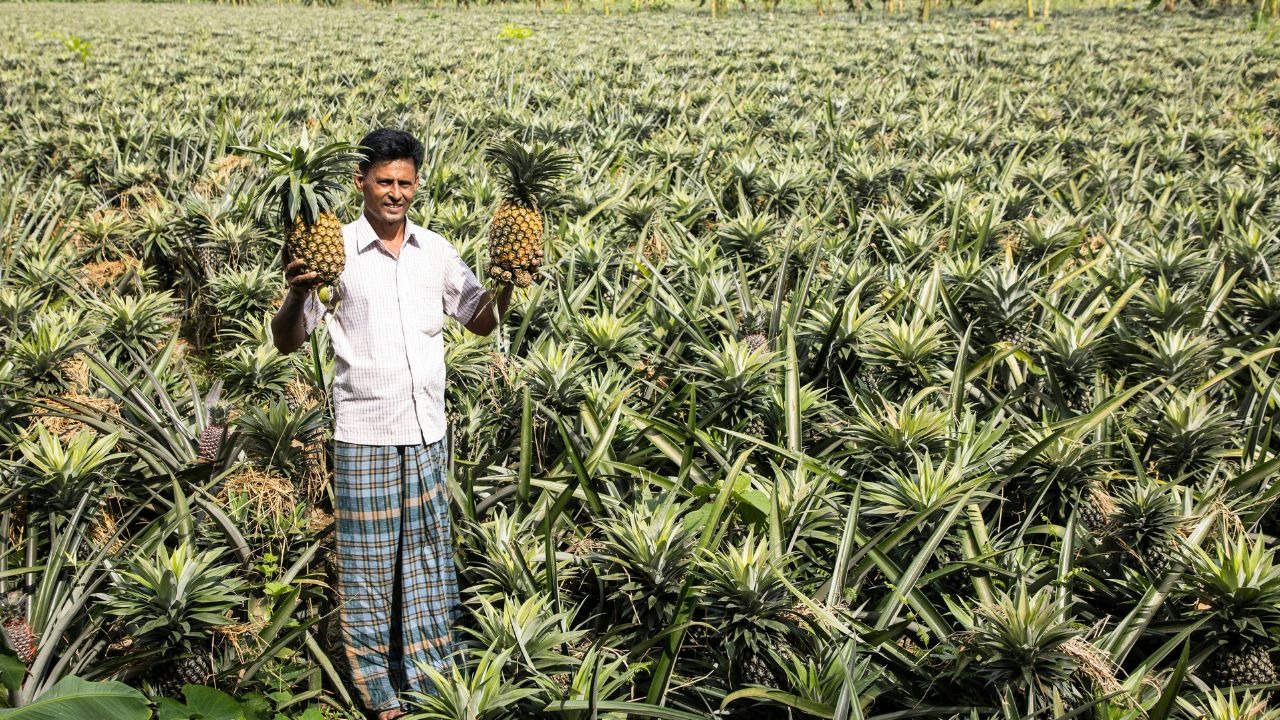
Pineapples do not grow on trees, which is one reason they look so unfamiliar before harvest. Each fruit develops from the center of a low, spiky plant that sits close to the ground. In the field, the crop appears compact and tough rather than tall or branch-filled.
Many people expect a tropical fruit this large to hang from a tree or vine. Instead, the pineapple rises from a rosette of stiff leaves, with one fruit forming per plant. That structure looks very different from the trimmed version stacked in grocery displays.
Once harvested, the fruit is separated from the rest of the plant and sold on its own with the crown attached. That presentation hides how low and ground-based the growing plant actually is.
9. Cinnamon Starts as the Inner Bark of a Tree
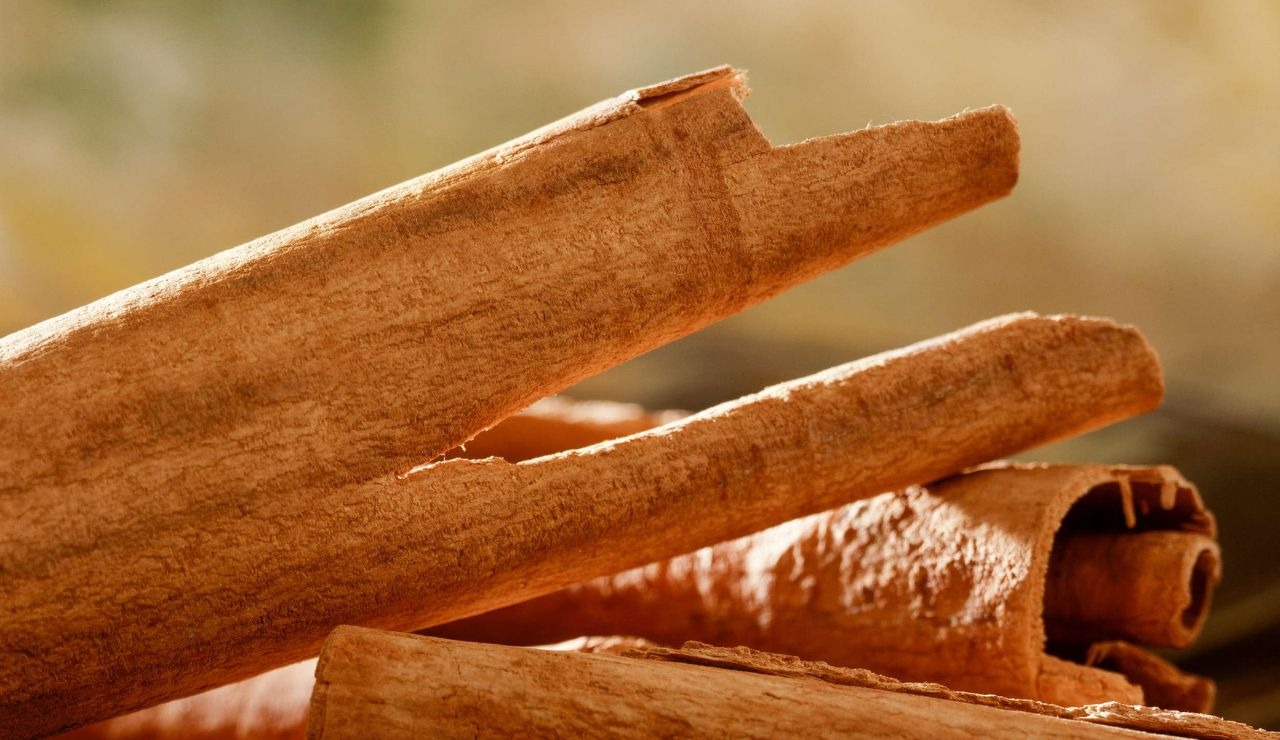
Cinnamon is surprising before harvest because it does not begin as a pod, seed, or dried stick. It comes from the inner bark of certain trees. In raw form, there is little about the living tree that immediately suggests the warm, sweet spice kept in kitchen cupboards.
The bark must be cut, peeled, and dried before it curls into the familiar quills or is ground into powder. That processing stage changes both its appearance and its scent, which become much more recognizable after the bark has dried.
Because so much of cinnamon’s identity appears after harvest, the source is easy to overlook in nature. What begins as tree bark ends up looking and smelling like a finished spice only after careful preparation.