Fashion is always evolving, but not every trend earns a designer’s approval. Some fads catch on quickly with the public, only to make industry professionals cringe. Certain looks are impractical, poorly executed, or simply unflattering, leaving designers hoping they fade from memory. While trends come and go, some stick around far longer than they should. From bizarre footwear to overused prints, the fashion world has its fair share of regrets. Designers often see the behind-the-scenes issues that the public never notices. Here are nine fashion trends that many designers wish would disappear forever.
1. Overly Distressed Denim
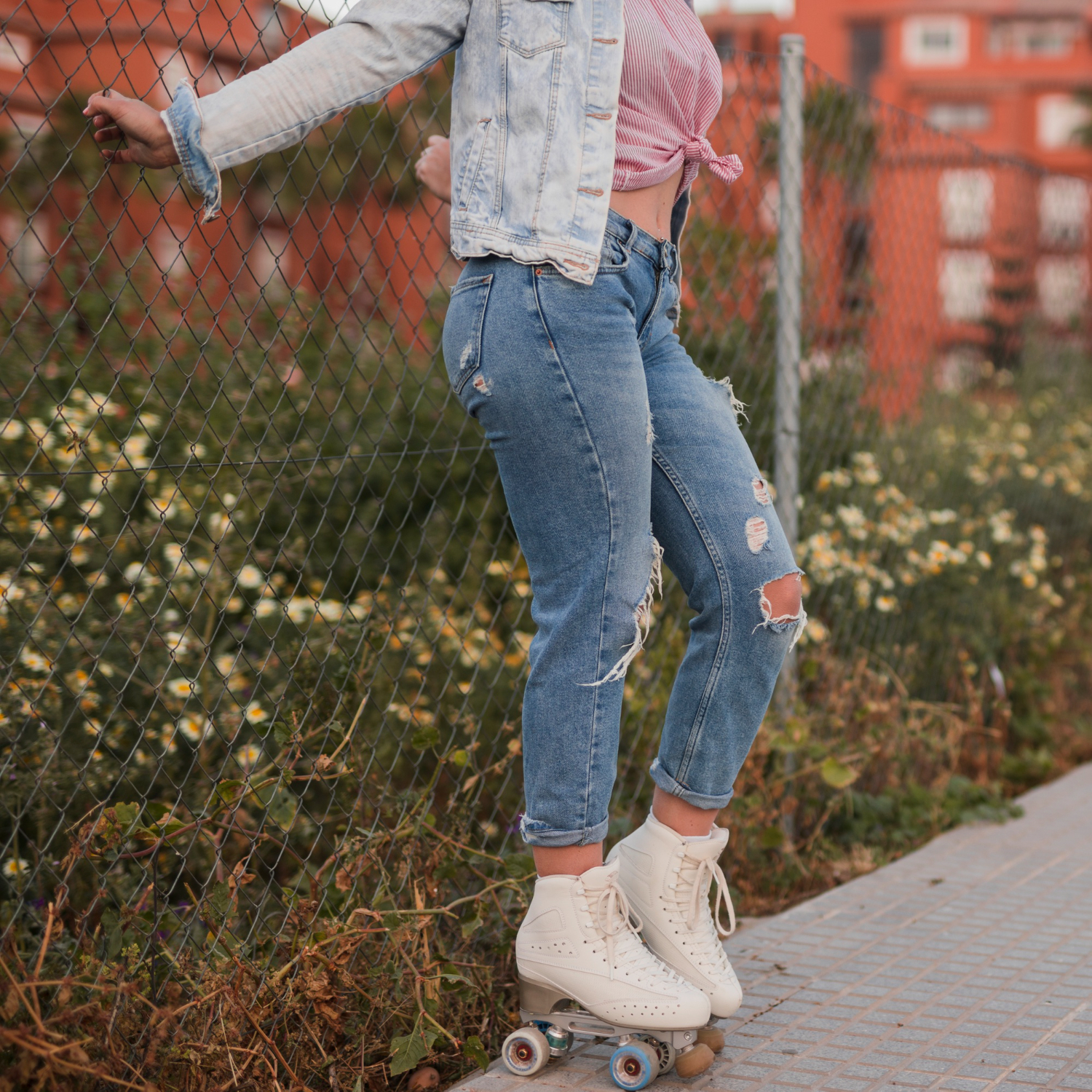
Ripped and shredded jeans have been popular for years, but designers often roll their eyes at the extreme versions. Jeans shredded from thigh to knee can look more messy than stylish. The wear-and-tear effect sometimes feels manufactured rather than authentic. Repairing or recreating these jeans can be expensive and environmentally wasteful. Some designers argue that over-distressed denim lacks versatility. It rarely translates well into polished or professional looks. Consumers may love the rebellious vibe, but industry insiders see it as overdone. Many wish it would quietly fade from mainstream fashion.
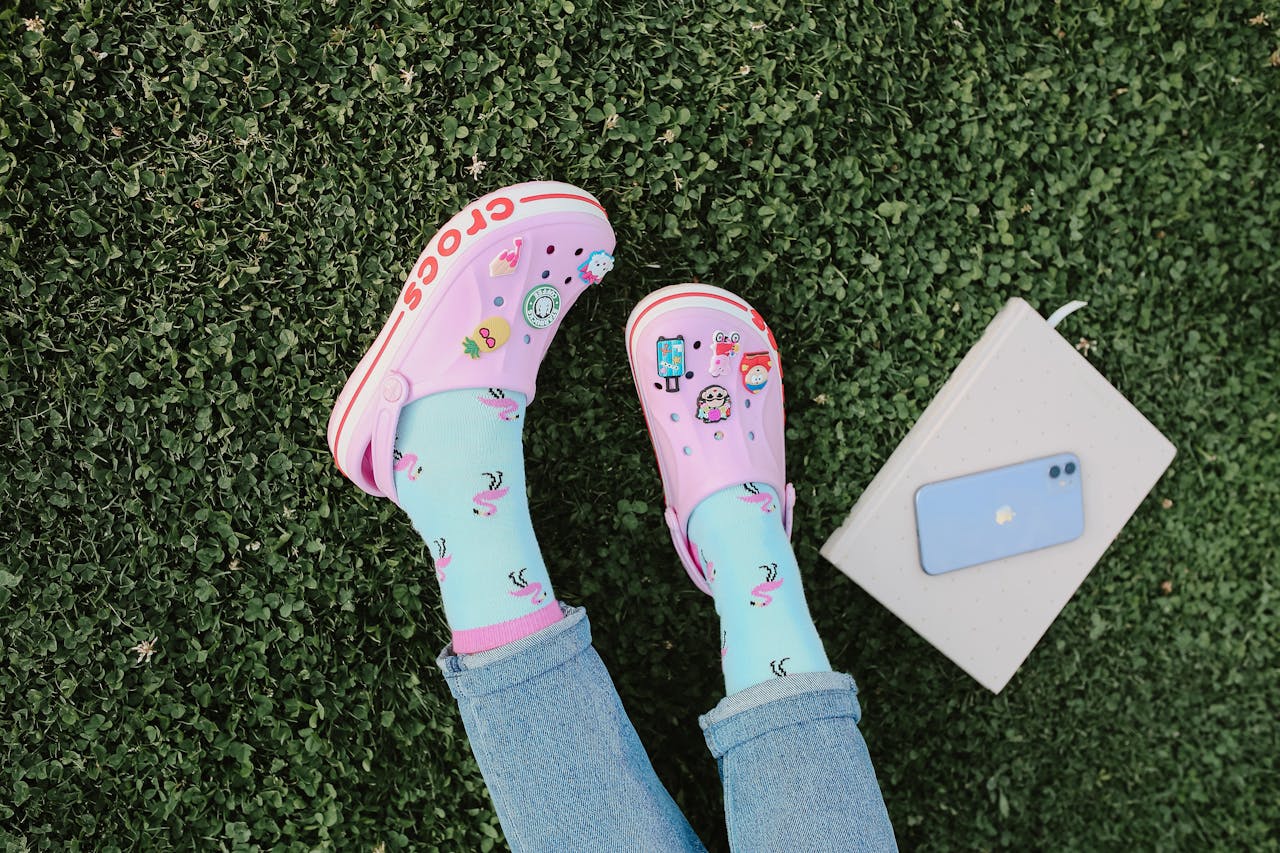
2. Crocs with Accessories
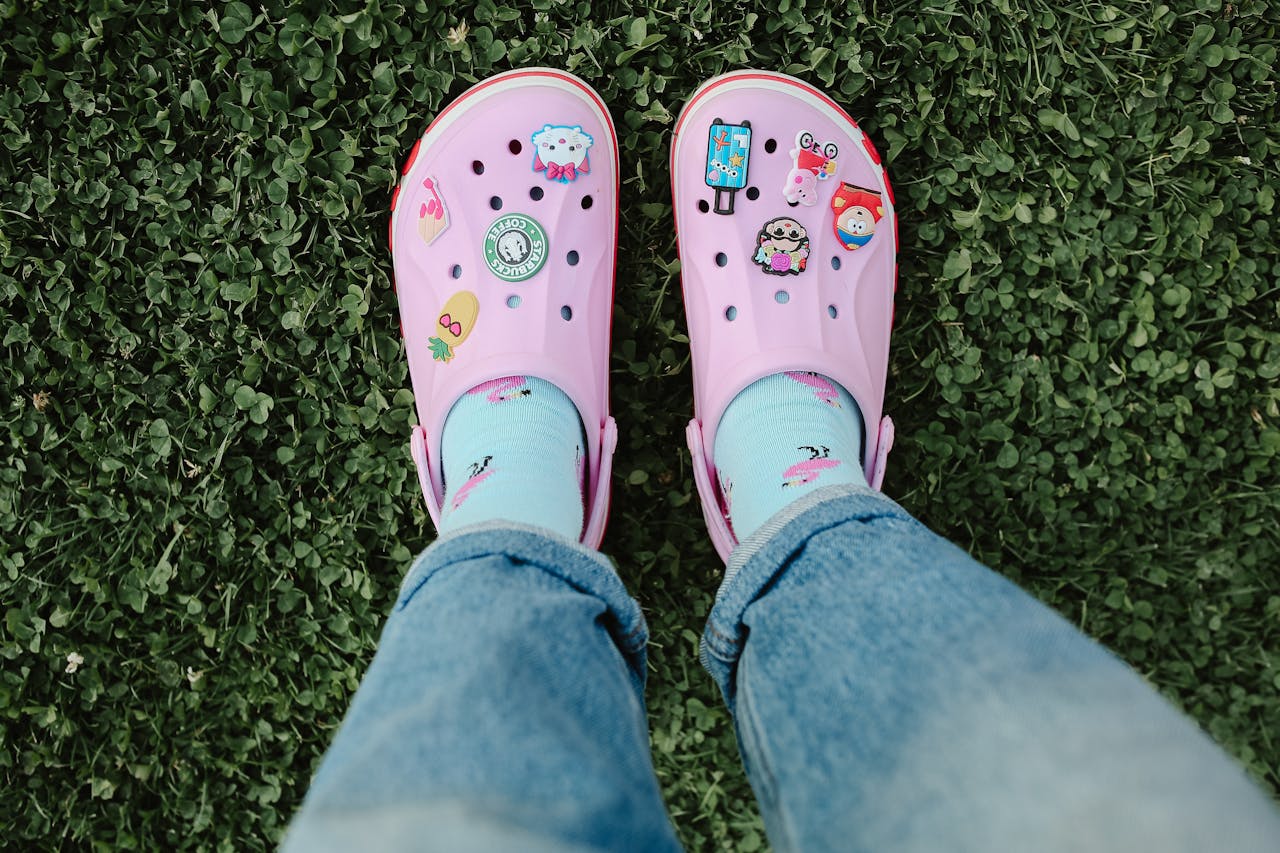
Crocs surged back into popularity as a comfort statement, but many designers see their customizable charms as a step too far. Adding accessories or glittery pins can make the shoes look cartoonish. While comfort is important, style and proportions are often ignored. Designers argue that Crocs with decorations undermine the shoe’s original minimalistic appeal. The look can feel juvenile or kitschy when paired with everyday outfits. Despite being embraced by influencers, many in the fashion world hope the craze doesn’t stick. Crocs themselves are practical, but over-accessorizing has polarized opinions. Simplicity could have preserved their appeal.
3. Logo Overload
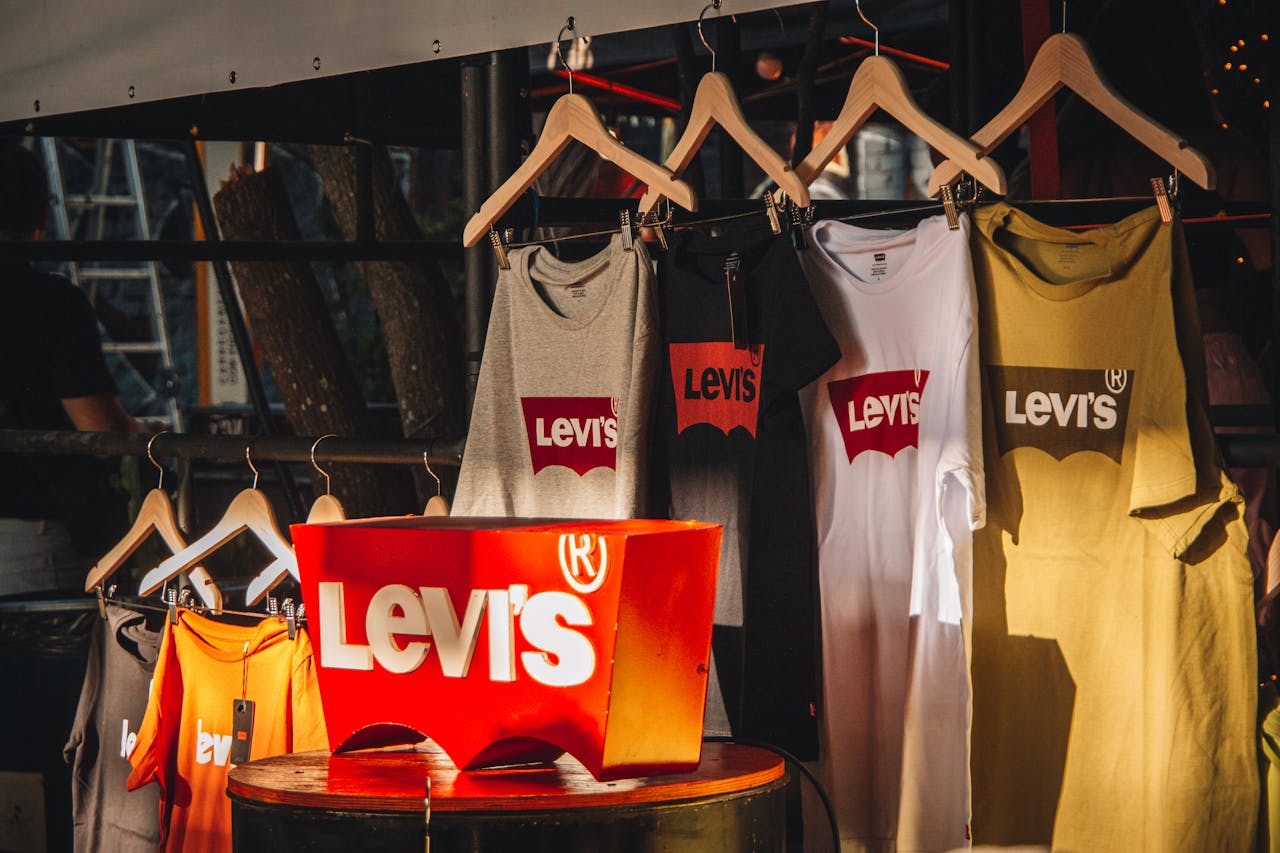
Brands plastering their logos across every piece of clothing has become a signature trend, but it annoys many designers. Excessive branding can make garments look gaudy or inauthentic. Instead of subtle elegance, outfits feel like walking billboards. Designers argue this trend emphasizes ego and status over craftsmanship. Overly branded pieces also limit versatility in styling. Consumers may enjoy the immediate recognition, but industry professionals see it as a tired gimmick. Many wish logos were scaled back or used more creatively. Minimalism, they believe, will always outlast excessive branding.
4. Tiny Sunglasses
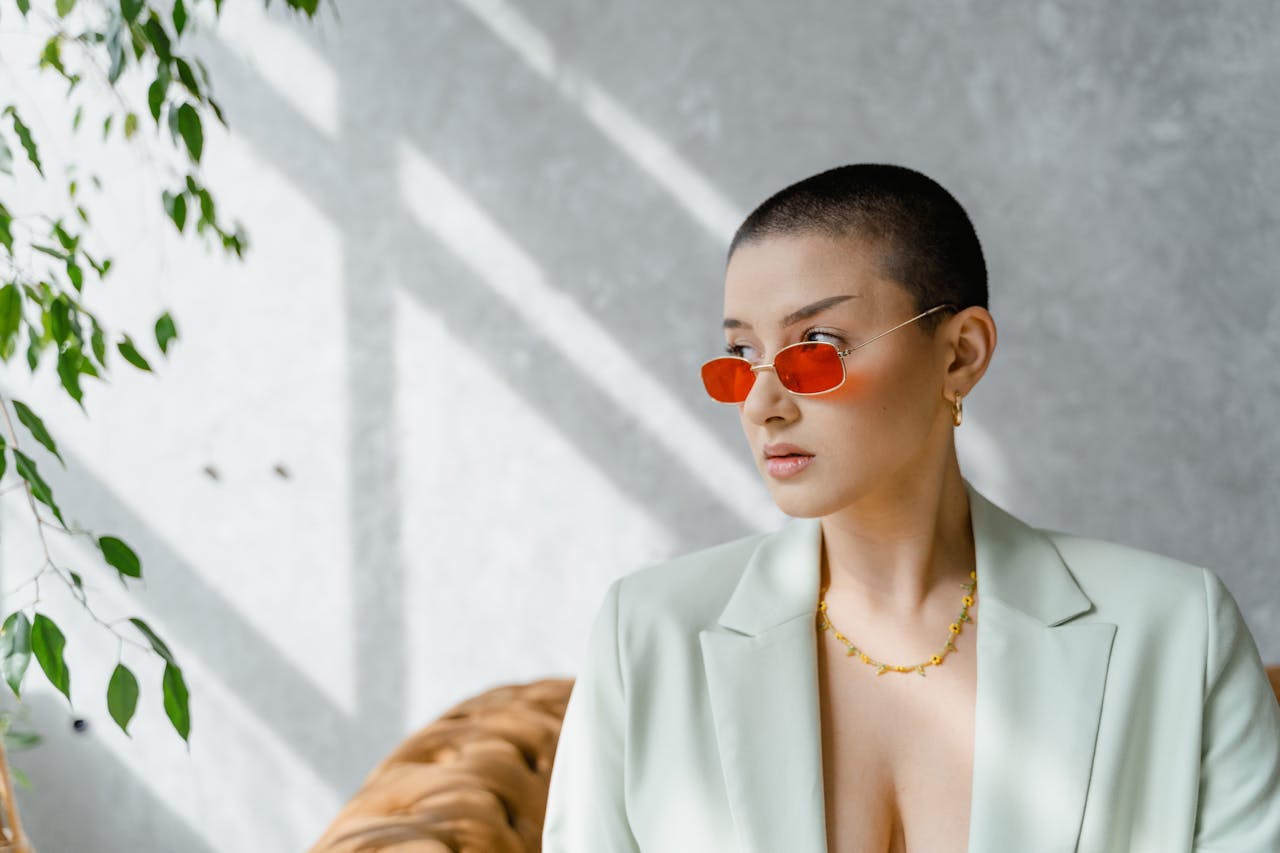
Micro sunglasses may look edgy in photos, but most designers question their practicality. Frames so small that they barely cover the eyes often serve only as a statement piece. Functionality is sacrificed for aesthetics, leaving wearers unprotected from the sun. The trend can appear ridiculous when worn in everyday settings. While celebrities make it look fashionable, designers argue it won’t stand the test of time. Tiny sunglasses often overshadow the outfit rather than complement it. Many industry professionals hope larger, more wearable styles return to popularity. Functionality and style, they insist, should go hand in hand.
5. Excessive Animal Prints
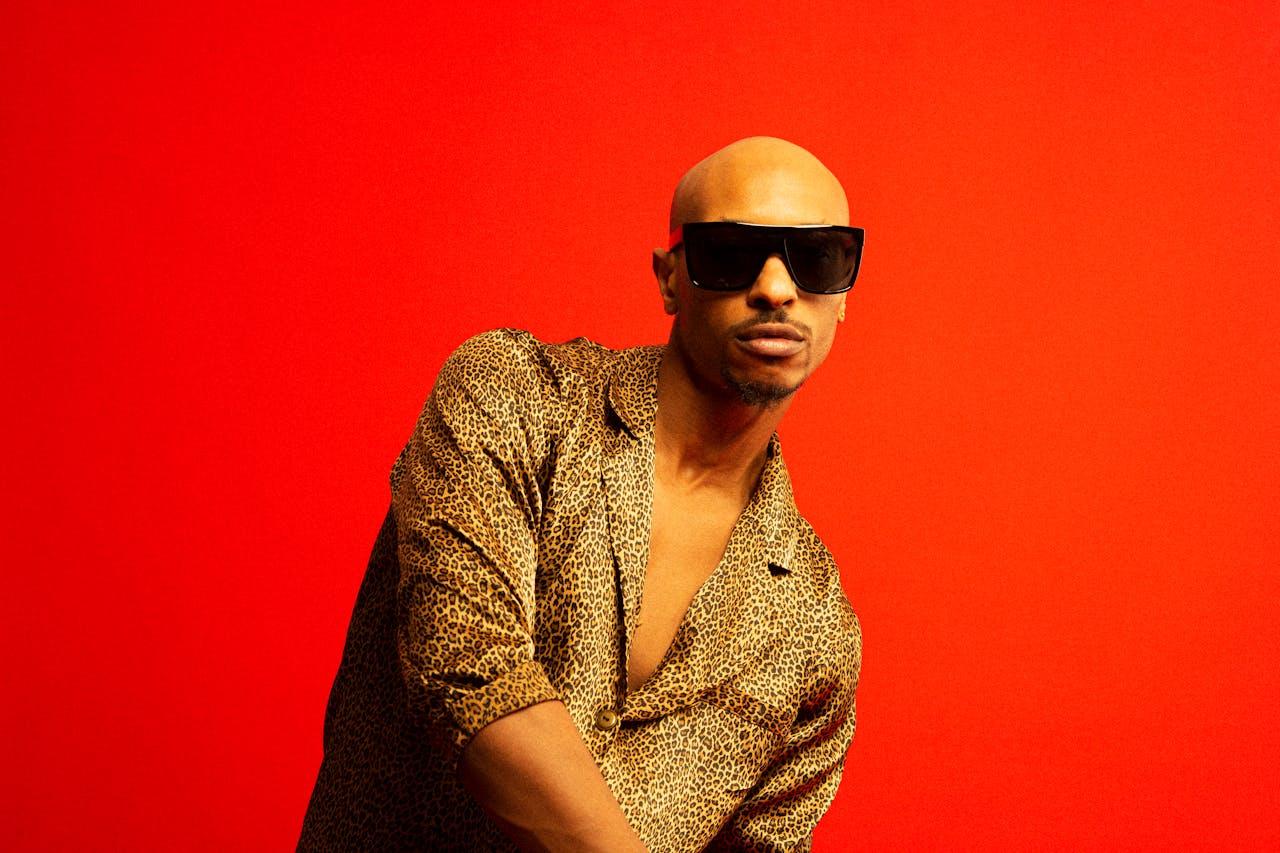
Animal prints have cycles of popularity, but too much can overwhelm an outfit. Designers caution that combining multiple prints often results in chaos rather than cohesion. Leopard, zebra, and snake patterns together rarely create elegance. The trend can feel aggressive or dated when overdone. Some brands try to refresh it with muted tones, but extremes persist on runways and in retail. Overuse also risks the impression of being loud rather than luxurious. Designers argue moderation makes prints versatile and timeless. Excessive animal prints are one of the trends they hope won’t return.
6. Platform Sneakers
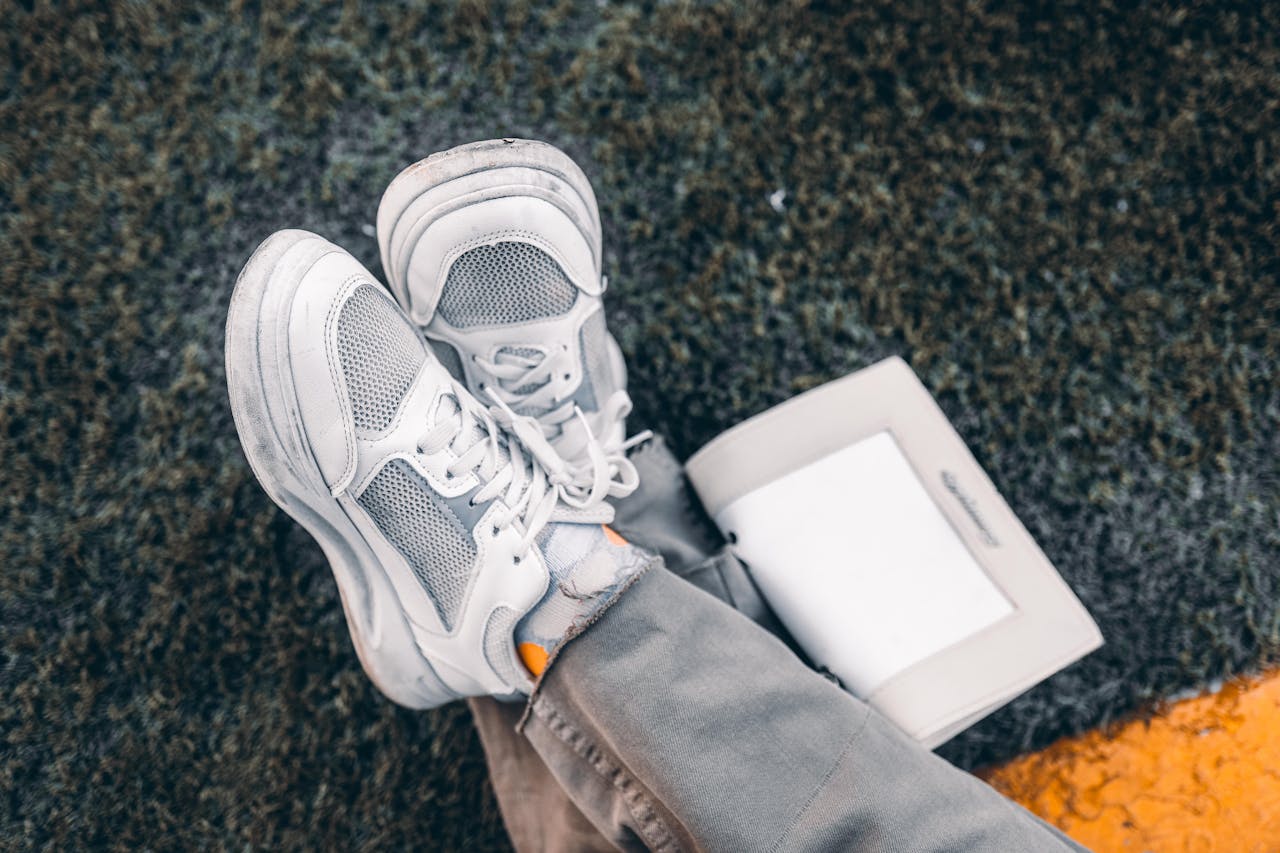
High-platform sneakers rose to popularity as a retro statement, but many designers dislike the exaggerated proportions. They can make outfits look bulky and awkward. Practicality suffers when walking or navigating crowded spaces. Designers argue that shoes should balance comfort, functionality, and style. Platforms are often overused by influencers and fast fashion brands. While they provide height, they rarely complement modern tailoring or silhouettes. Industry professionals worry the trend prioritizes novelty over elegance. Many hope lower-profile designs regain favor for longevity and sophistication.
7. Overly Baggy Pants
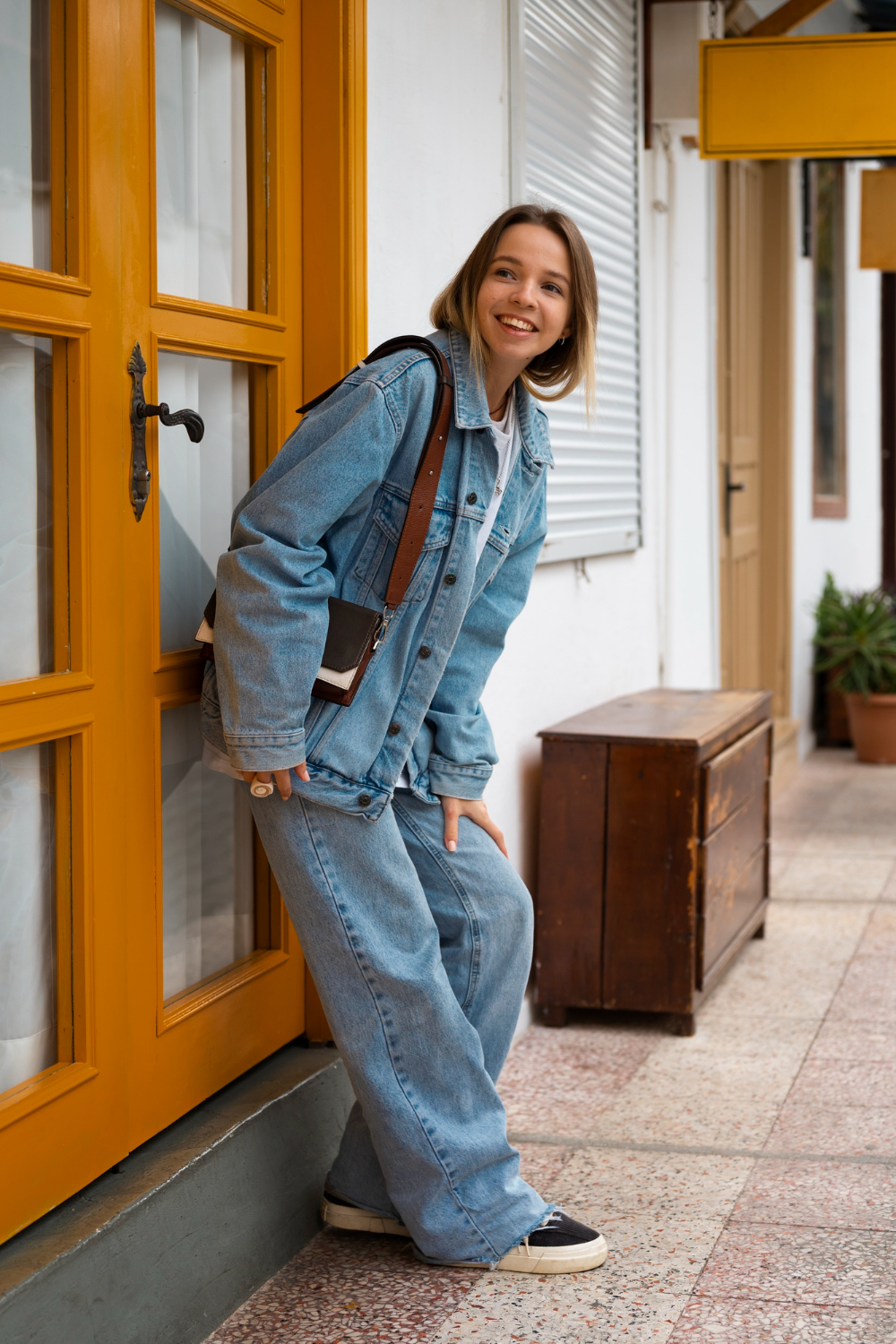
Baggy pants once symbolized rebellion, but oversized silhouettes can overwhelm most body types. Designers note that excessive fabric often drowns the wearer’s shape. Styling these pants requires careful balance, making them inaccessible for many consumers. The trend can feel dated if not executed with intention. Baggy pants dominate some streetwear collections, but professionals argue for proportion and tailoring. Comfort alone does not justify unflattering cuts. Many designers hope for a return to structured, well-fitted bottoms. Balance and proportion remain key to modern silhouettes.
8. Extreme Cut-Outs
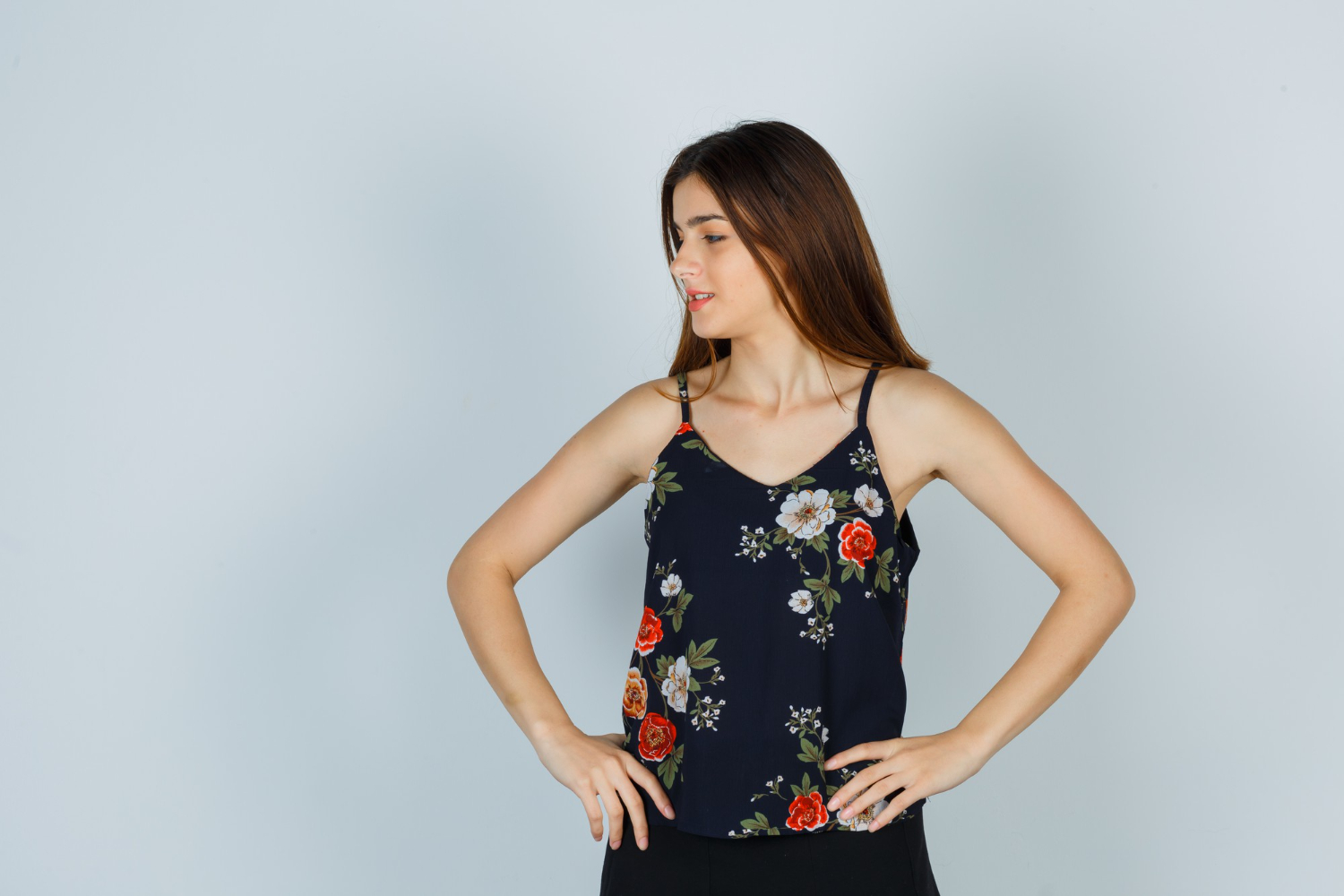
Cut-out tops and dresses can be edgy, but designers see many versions as impractical. Strategic openings can highlight style, but extreme placements often look unwearable. Garments with multiple cut-outs sacrifice comfort and versatility. The trend can feel forced or attention-seeking rather than chic. Runway versions rarely translate well to everyday fashion. Designers argue that subtlety achieves sophistication more effectively. Extreme cut-outs risk dating an outfit very quickly. Many hope the fashion world embraces more timeless, wearable designs.
9. Excessive Chain Accessories
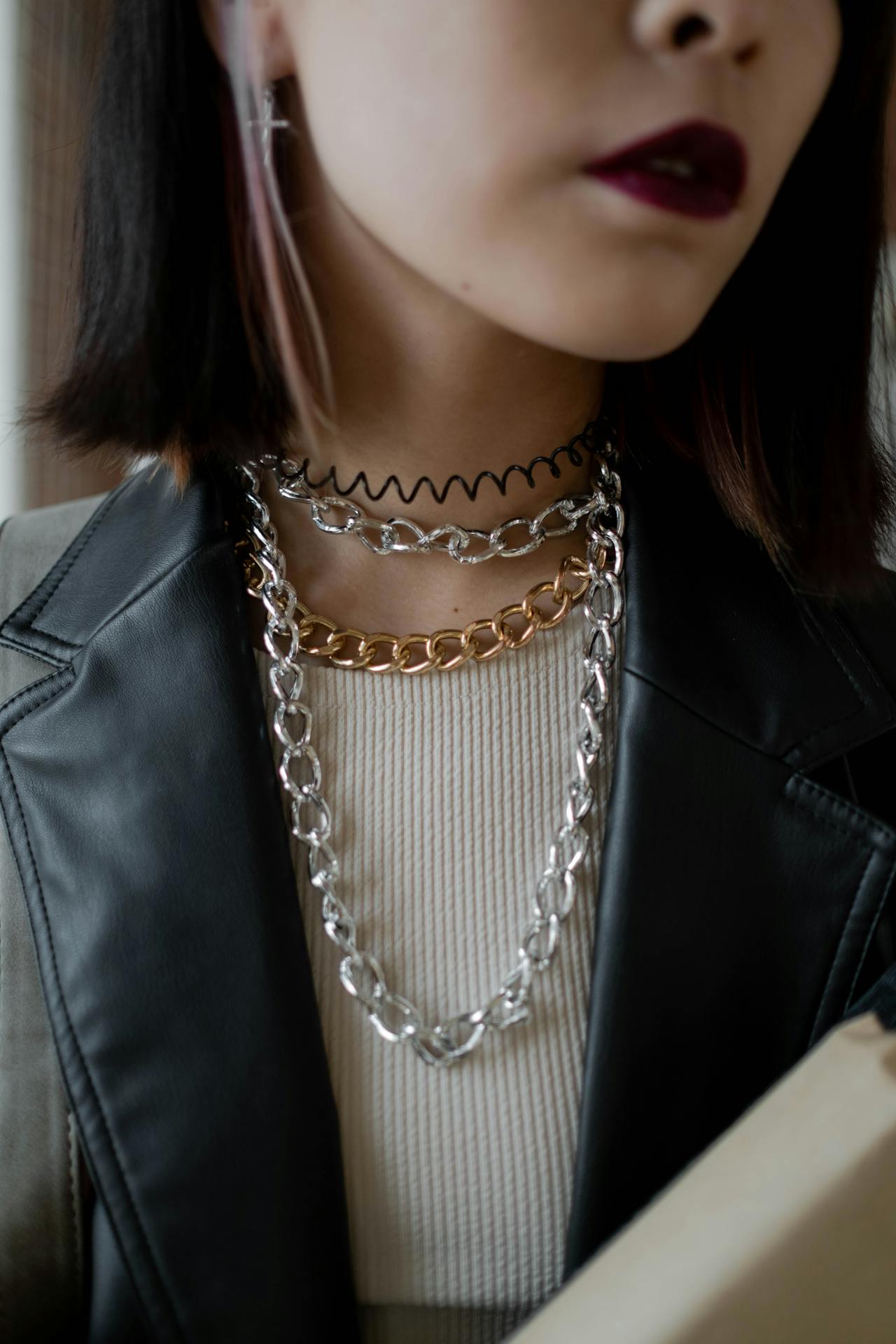
Chains on handbags, belts, and clothing can add texture, but overuse has designers groaning. Layering multiple chains often results in a cluttered or heavy look. The aesthetic can distract from the overall outfit rather than enhancing it. Some fast-fashion brands overdo chains to appear edgy, but professionals prefer restraint. Over-accessorizing also reduces versatility in styling pieces. Many designers hope future trends focus on clean lines and thoughtful detailing. Simple accents often outlast extreme hardware in both appeal and elegance. Chains, when used sparingly, remain stylish; excess is not.
Fashion trends come and go, but not all leave a positive impression on designers. From tiny sunglasses to extreme cut-outs, some fads seem more about shock value than lasting style. Professionals in the industry prioritize functionality, proportion, and subtlety over gimmicks. While consumers may embrace these trends temporarily, many designers hope these nine will fade into fashion history. Classic pieces and thoughtful design, they believe, will always endure longer than fleeting crazes.