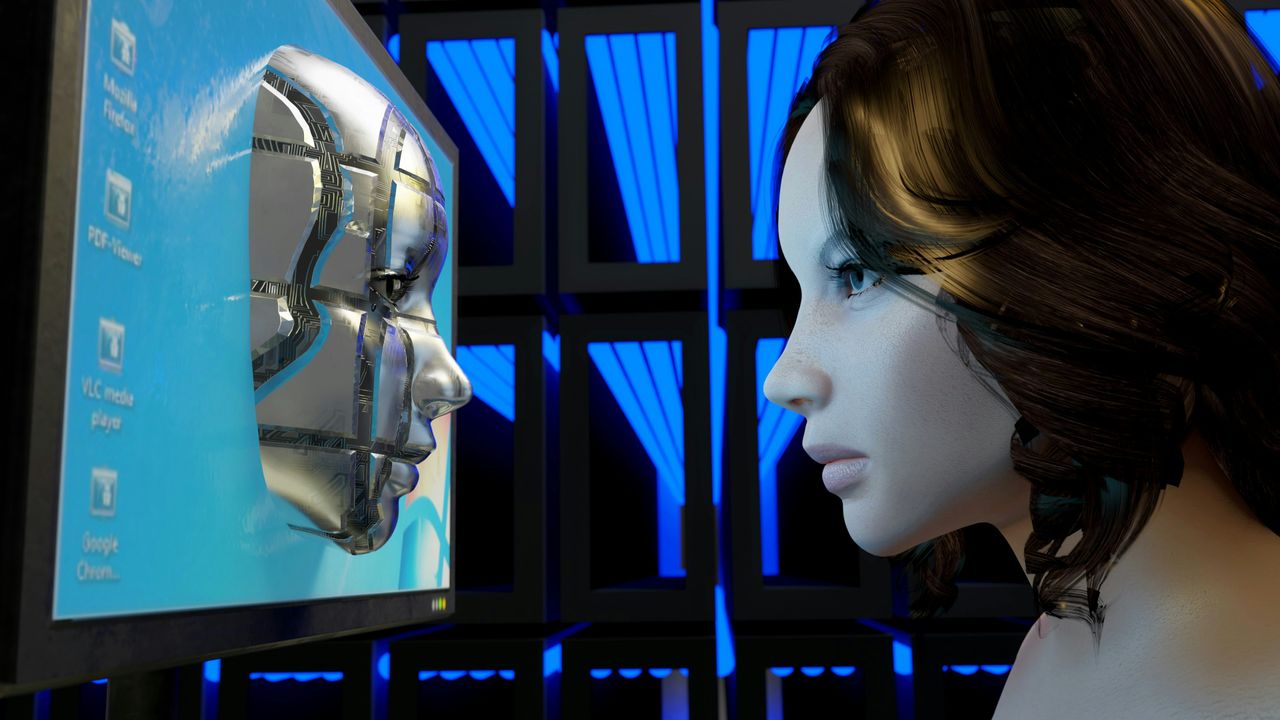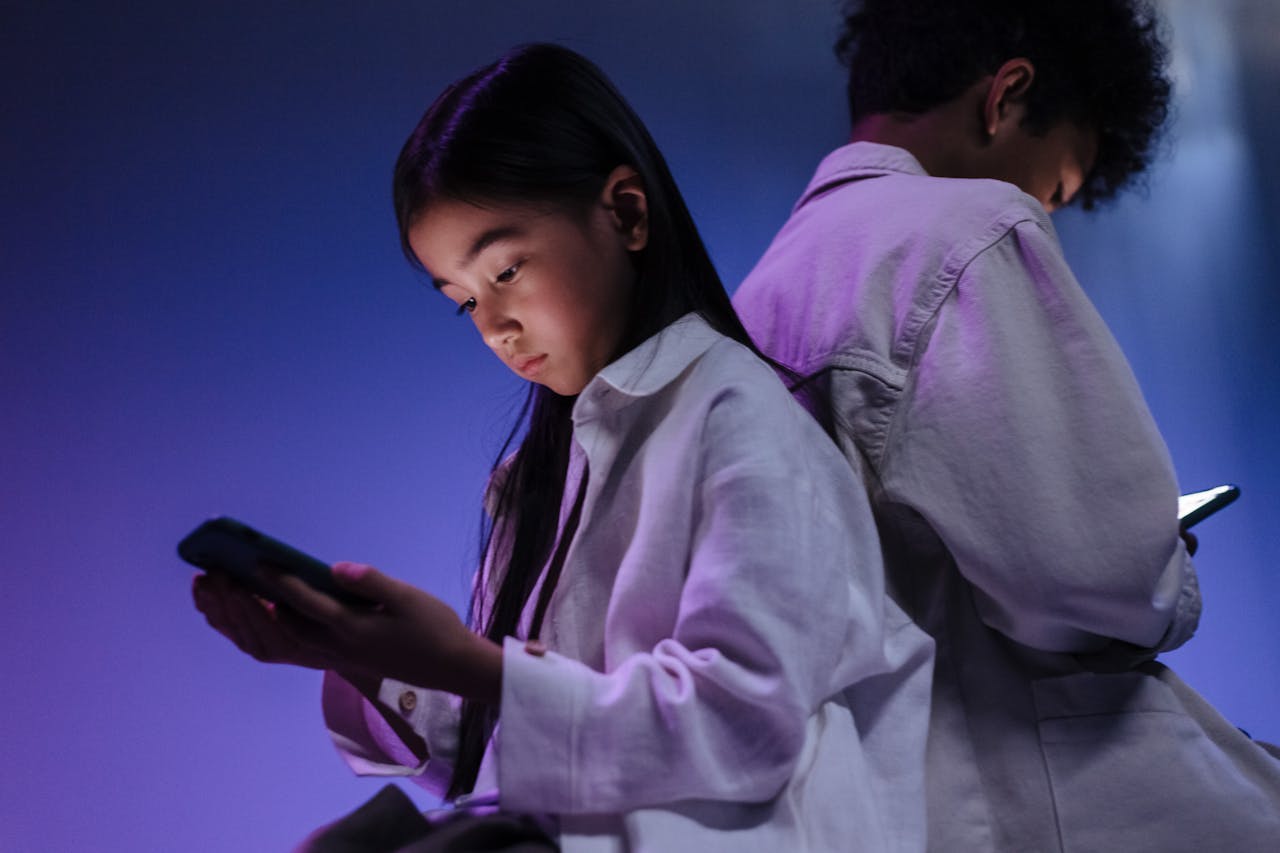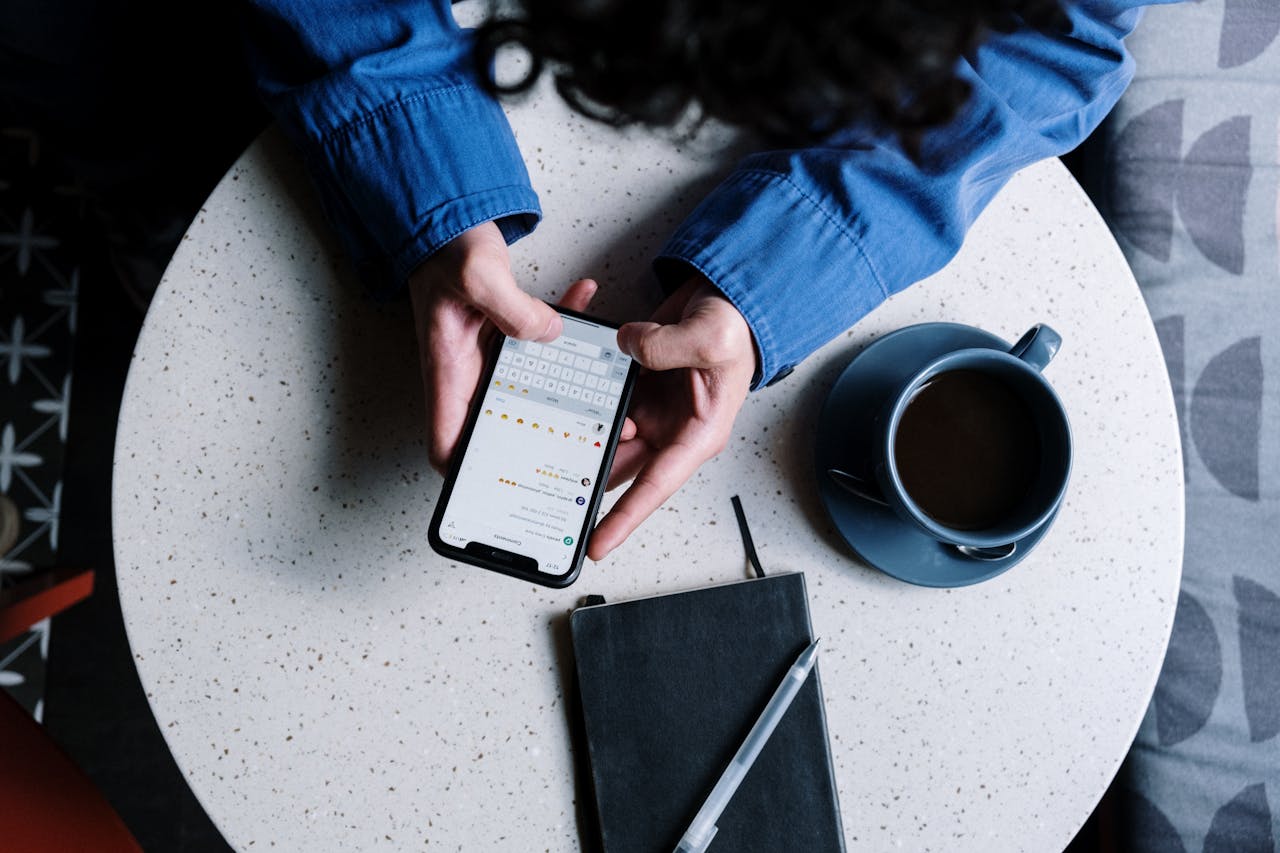
The digital age reshaped everyday life in ways that created a new set of fears far narrower than traditional anxieties. Americans now live in a world where identity, privacy and social presence shift second by second, producing worries earlier generations would not recognize. The smallest technological signals can change how people interpret relationships, intentions or status. These fears emerged quietly, woven into daily routines without formal acknowledgment. They reveal how the modern mind must adapt to constant connection. The digital landscape rewired emotional reflexes in subtle but lasting ways.
The Fear of Silence After a Risky Message
Many Americans feel a sharp anxiety after sending a message that reveals too much or arrives at the wrong moment. When the recipient does not respond, the silence fills with imagined consequences shaped by typing dots that appear and vanish. Technology created micro feedback loops that intensify uncertainty and push people to interpret every pause. This fear arises not from rejection but from ambiguity without closure. It lingers because instant communication magnified hesitation. The moment becomes a psychological echo chamber.
The Fear of a Camera Activating Unexpectedly

The quiet dread of a webcam turning on by itself reflects deeper concerns about visibility without consent. Americans worry that a glitch, a pop up or a malware event might expose private moments to strangers or colleagues. Even with security updates and privacy settings, the doubt persists because digital devices merge personal and public space. The fear thrives on the idea that someone could observe without warning. It reflects a tension between convenience and vulnerability. The device becomes both tool and threat.
The Fear of Joining a Work Call While Unmuted

Remote work created a fear built from seconds of uncertainty before a microphone icon confirms silence. Americans dread broadcasting background noise, private conversations or unguarded comments to an entire meeting. This anxiety formed because digital environments remove natural cues found in physical rooms, making people rely on icons and indicators. The risk feels immediate and irreversible, especially in professional settings. It teaches constant vigilance even during routine tasks. The workplace becomes a stage with invisible walls.
The Fear of Sending a Screenshot to the Wrong Person
Screenshots became everyday communication tools, yet they carry the risk of exposing private commentary if sent to the subject instead of the intended friend. Americans fear this mistake because screenshots capture tone, context and motive all at once, leaving no space for reinterpretation. The speed of messaging increases the chance of error and magnifies the stakes. This fear arises from the collision of impulse and permanence. It reflects how digital sharing can backfire instantly. The gesture becomes loaded with risk.
The Fear of Being Misread by an Algorithm
Americans increasingly worry that one odd click or accidental search could reshape how platforms categorize their identity. Recommendations that feel out of character create a fear that the system misunderstood who they are. Because algorithms influence ads, content and perceived tastes, the stakes feel strangely personal. Users respond by trying to steer the machine back to a version of themselves they recognize. This fear reflects a desire for narrative control. Technology becomes a mirror people try to correct.
The Fear of Losing Access to a Cloud Account
Cloud accounts now store photos, documents, finances and years of personal communication, making a lockout feel like losing a portion of one’s life. Americans fear forgotten passwords, glitches or security flags that might sever access without warning. The anxiety comes from depending on invisible infrastructure to safeguard irreplaceable memories. Earlier generations feared physical loss, but now the danger feels abstract yet deeper. The account becomes a vault for identity. The fear persists because the stakes are personal.
The Fear Triggered by Read Receipts
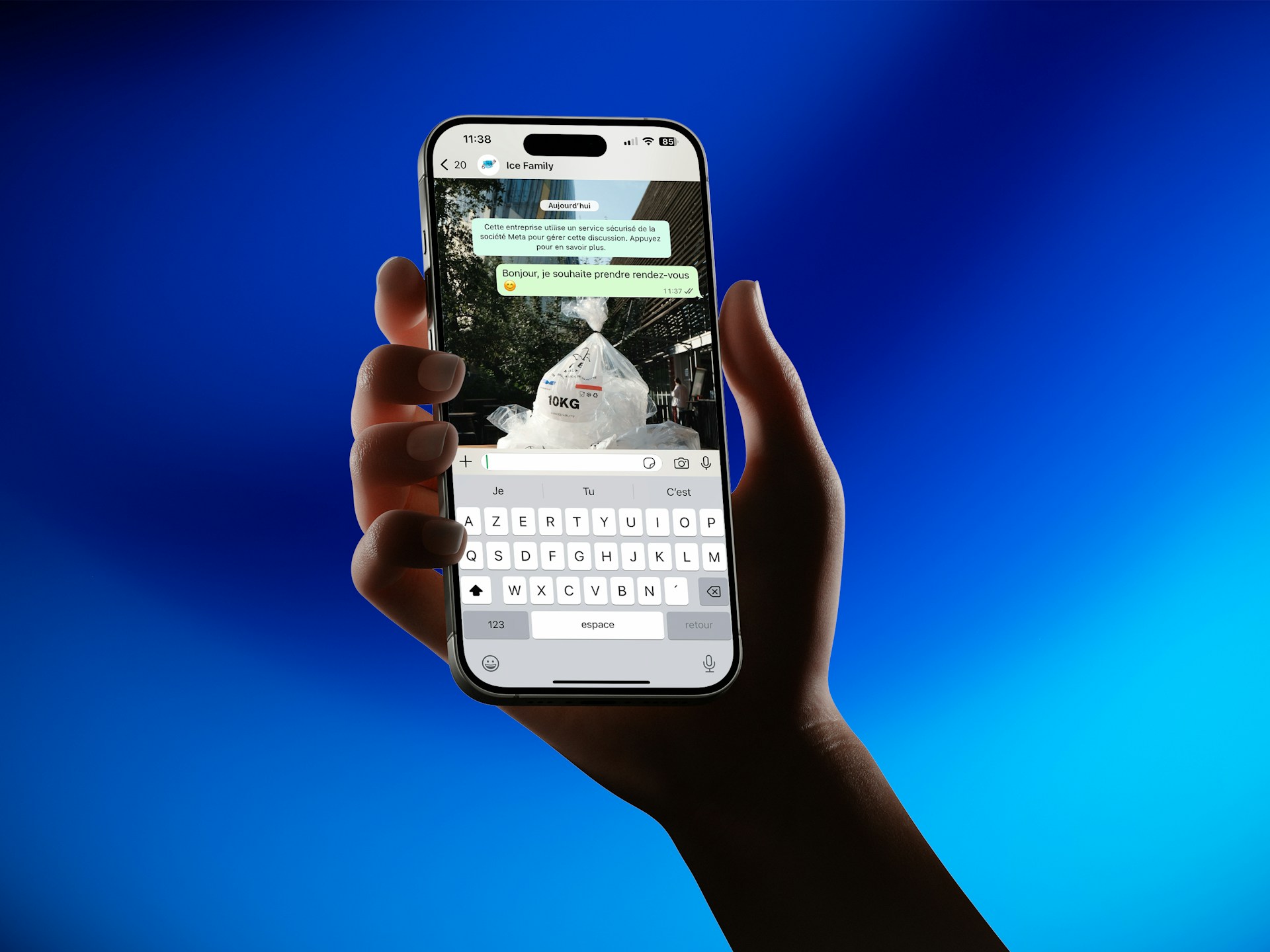
Read receipts introduced a new emotional tension by revealing that a message was seen but unanswered. Americans interpret this pause as judgment, disinterest or conflict even when the reason is mundane. The small timestamp removes ambiguity and forces people to confront delayed responses directly. This fear reflects how digital communication compresses emotional timelines. It turns small delays into perceived rejection. The feature amplified vulnerability in ordinary conversation. The moment becomes heavier than intended.
The Fear of Time Vanishing Into the Endless Scroll
The endless scroll produces a specific dread when Americans realize an hour disappeared without conscious intention. The fear comes from losing control of attention rather than from the content itself. Platforms designed to hold focus create loops that override personal pacing, leaving users feeling detached from their own choices. This anxiety reflects a broader worry about autonomy in digital life. It pushes people to question whether they direct their tools or follow them. The scroll becomes both escape and trap.
The Fear of a Digital Past Reappearing
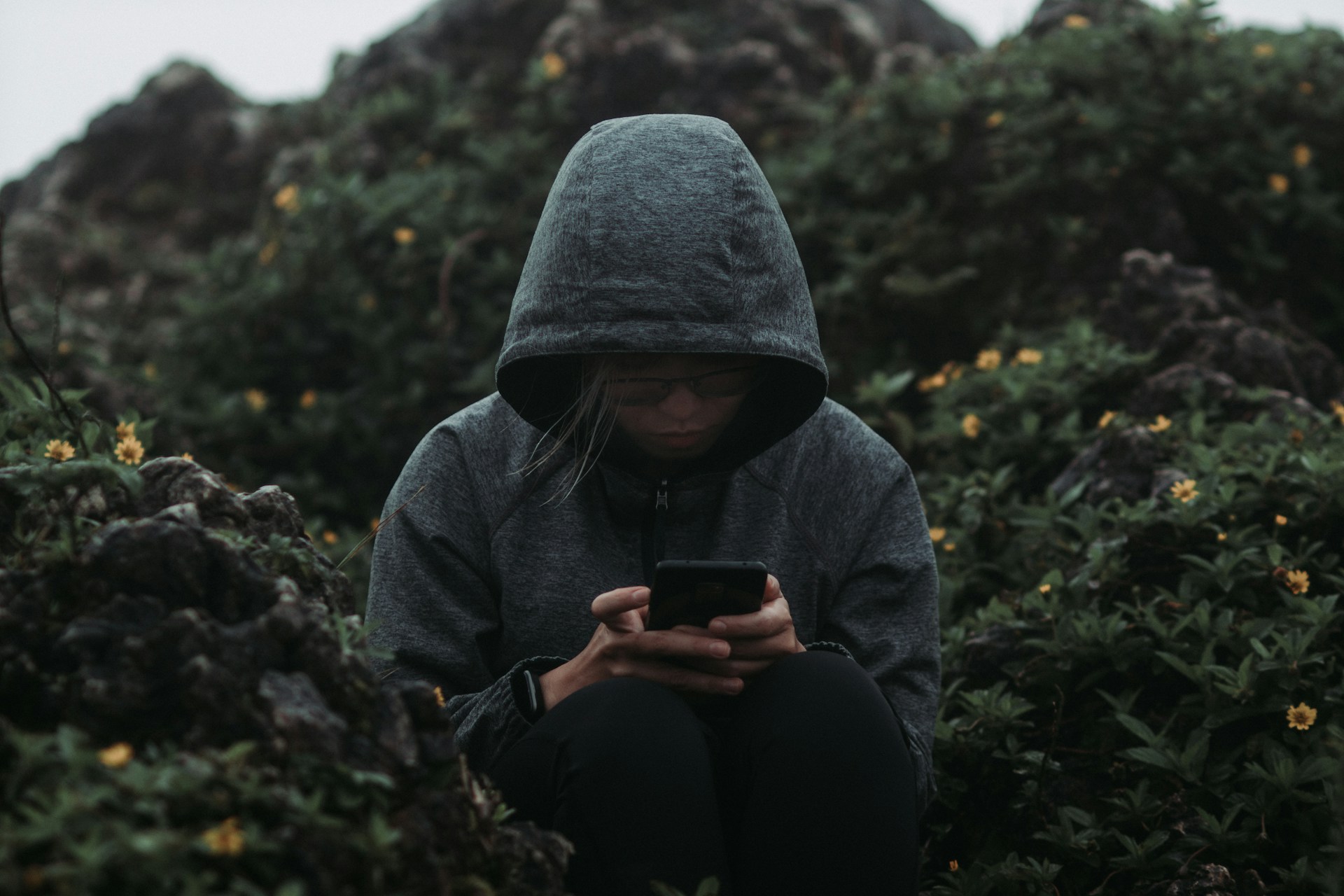
Americans now fear that an old photo, post or comment might resurface at the worst possible moment, stripped of context and measured by present standards. The internet made memory permanent and searchable, turning youthful mistakes or outdated views into potential risks. This fear blends self preservation with uncertainty about how others will interpret the past. Technology reshaped reputation management into ongoing vigilance. The digital archive becomes both record and hazard. The past never fully stays behind.
These nine fears emerged because technology intensified visibility, accountability and speed in daily life. Americans navigate a world where small signals carry large emotional weight and where privacy feels both possible and fragile. The digital age did not replace old anxieties but layered new ones that reflect constant connection and shifting identity. Understanding these fears helps reveal how deeply technology reshaped emotional reflexes. The future will likely generate even more specific worries as digital life expands. Awareness becomes the first tool for balance.