
Millennials rarely announce themselves, but their everyday habits often do the talking. Shaped by early internet culture, economic instability, rapid technological change, and shifting social expectations, this generation developed behaviors that feel subtle yet unmistakable. These habits are not trends or jokes. They are adaptive patterns formed by growing up during transition years, when analog and digital worlds collided and certainty was never guaranteed. Once you notice these behaviors, they become hard to ignore. Here are nine everyday habits that quietly but instantly reveal a millennial way of moving through the world.
Explaining Yourself Before Anyone Even Asks

Millennials often provide context, disclaimers, or reasoning before stating a preference or decision. This habit formed in environments where misunderstanding felt costly, from early internet forums to performance driven workplaces. Explaining became a form of self protection rather than insecurity. It signals awareness of multiple viewpoints and an effort to prevent conflict before it starts. Over time, this instinct became automatic. Emails, messages, and conversations arrive pre packaged with justification, not because it is required, but because it feels safer. The habit reflects a generation trained to anticipate judgment and manage perception carefully.
Quietly Documenting Ordinary Life Moments

Millennials often photograph coffee cups, books, sunsets, or daily routines without framing it as documentation. This habit grew during the shift from private memory keeping to digital archiving. The intention is rarely performance alone. Many images stay unposted or receive little engagement. The act itself matters. Capturing small moments provides emotional grounding and a sense of continuity. Life felt unstable during formative years, so preserving fragments became comforting. This behavior reflects a desire to hold meaning in everyday life rather than only highlighting milestones.
Using Humor as an Immediate Emotional Regulator

When conversations become tense, awkward, or uncertain, millennials often reach for humor instinctively. This is not humor to dominate or deflect responsibility, but humor to stabilize emotional temperature. Online communication taught millennials that tone is fragile and mistakes linger. Humor became a way to soften edges and keep dialogue open. Sarcasm, irony, and self awareness act as social cushioning. The habit reveals emotional intelligence shaped by trial and error. Laughter often arrives before confrontation, not to avoid truth, but to make truth survivable.
Researching Even Small Decisions Intensely

Millennials are known for researching products, services, and choices far beyond what seems necessary. Headphones, skincare, travel, groceries, and even everyday tools are evaluated carefully. This habit formed during years when money was limited and mistakes were expensive. Information became protection. Research does not feel like anxiety to millennials. It feels like responsibility. The habit reflects a generation taught that smart choices require effort and preparation. Impulse buying feels risky, while informed decisions feel grounding. Knowledge replaces certainty.
Maintaining Separate Versions of Yourself Online

Millennials instinctively separate online spaces by purpose. One platform holds professional identity, another humor, another personal vulnerability, often locked down. This behavior emerged during early social media years when privacy rules were unclear and mistakes were permanent. Millennials learned to compartmentalize to survive visibility. The habit is not duplicity but contextual awareness. Identity becomes layered rather than singular. Comfort exists in choosing which version appears where. This careful curation reflects learned caution rather than inauthenticity.
Feeling a Low Level Guilt While Resting

Rest for many millennials comes with a background sense of unease. Productivity culture taught them that worth must be earned continuously. Even leisure is often reframed as self care or recovery to justify its presence. Doing nothing without explanation feels uncomfortable. This habit reflects growing up with economic pressure, hustle narratives, and constant comparison. Rest is allowed, but only conditionally. The guilt is subtle but persistent. It reveals how deeply productivity became tied to identity rather than survival alone.
Valuing Experiences Over Possessions While Still Budgeting Carefully

Millennials often express preference for experiences like travel, dining, or events rather than accumulating things. Yet these experiences are rarely impulsive. They are researched, compared, and justified financially. This habit reflects growing up during economic uncertainty while being sold a narrative of freedom and fulfillment. Desire and caution coexist. Joy is planned rather than assumed. The habit shows how millennials balance aspiration with realism. Pleasure is intentional, not careless, shaped by limits rather than abundance.
Choosing Asynchronous Communication Over Phone Calls
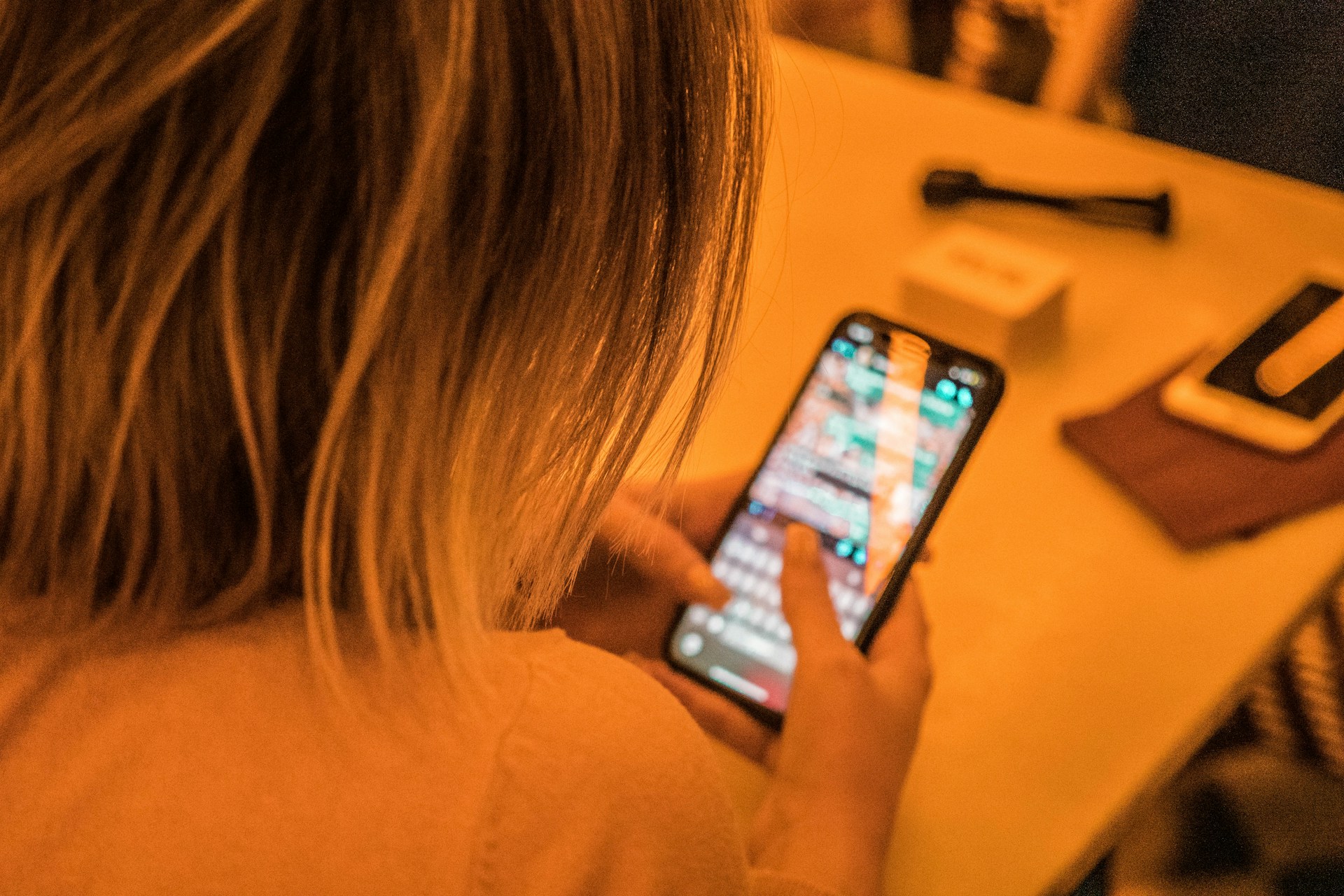
Millennials often avoid spontaneous phone calls, preferring texts, voice notes, or messages that allow time to respond. This habit developed in early digital spaces where communication was permanent and misinterpretation was common. Asynchronous communication offers control over tone, pacing, and emotional delivery. Silence does not signal avoidance. It signals thoughtfulness. This preference reflects comfort with delayed interaction rather than real time performance. Communication becomes considered rather than immediate.
Casually Referencing Emotional and Existential Topics

Millennials often mention burnout, therapy language, purpose, or mortality in everyday conversation without dramatic framing. These topics entered their vocabulary early through online communities and cultural shifts. Emotional literacy became practical rather than philosophical. Discussing inner states feels normal, not heavy. This habit reflects a generation that learned to name internal experiences to survive instability. Depth does not require ceremony. It appears naturally alongside jokes, logistics, and daily life.
Millennial habits are not about trends or aesthetics. They are adaptive responses to uncertainty, transition, and constant change. These behaviors reveal how deeply timing shapes identity. You may not consciously identify with a generation, but patterns tell stories words do not. Once noticed, these habits quietly but clearly reveal a millennial way of being in the world.