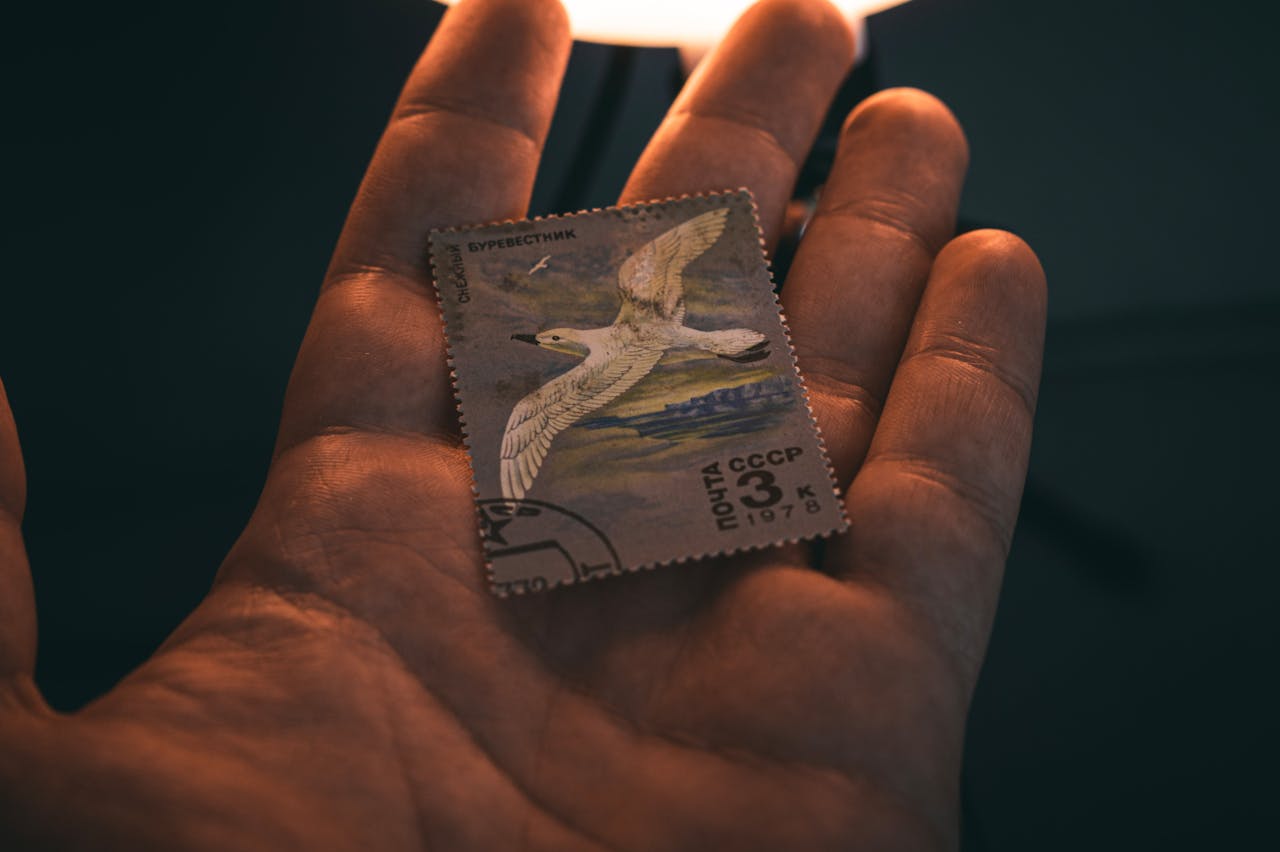
Many valuable collectibles were never rare, special, or treated as important when families owned them. They were ordinary objects used daily, stored casually, or discarded during cleanups, moves, and downsizing. What gives these items value today is not extravagance, but survival. Small design changes, limited production years, and overlooked details quietly turned everyday objects into sought-after collectibles. In many households, these items were thrown away long before anyone imagined they would matter. Looking back reveals how easily cultural and monetary value can be lost when familiarity disguises significance.
Wheat Pennies
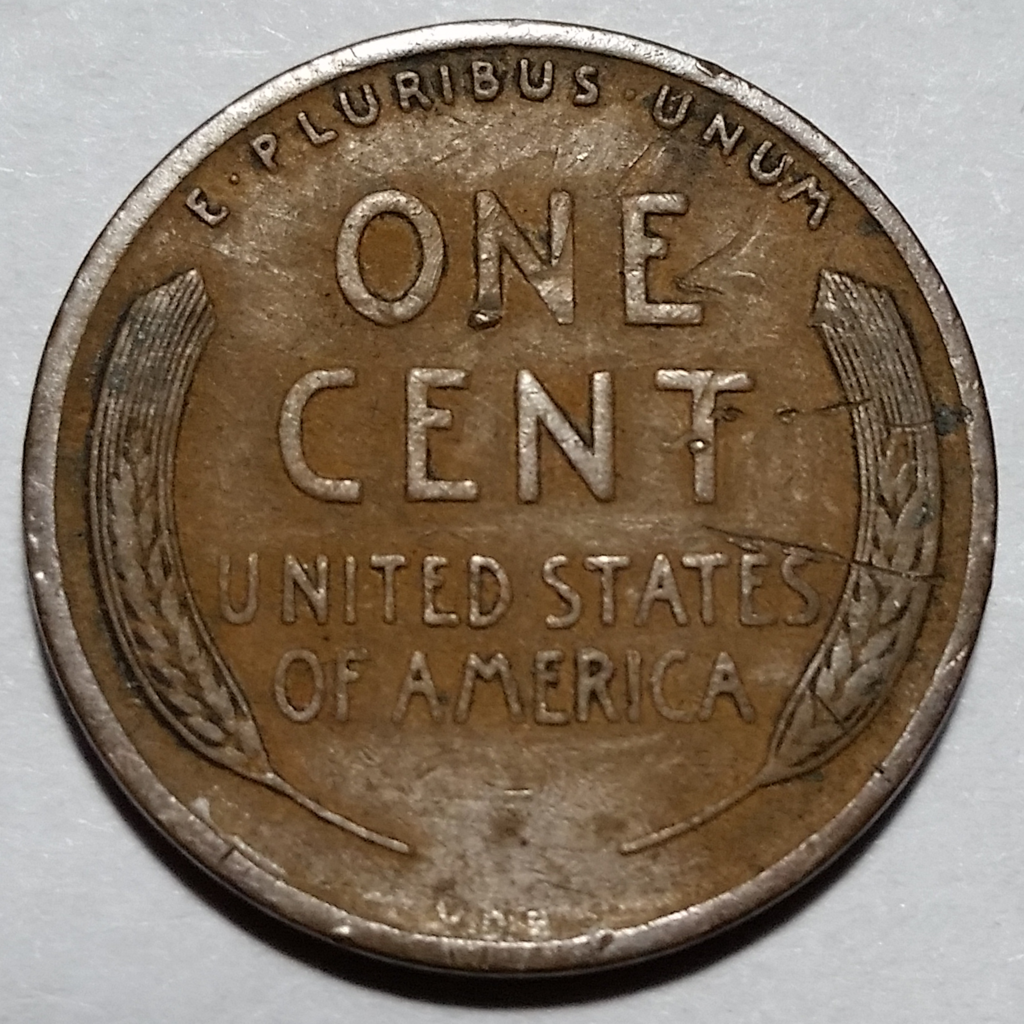
Wheat pennies were once so common that families rarely thought twice about spending or discarding them. Minted from 1909 to 1958, they circulated heavily and often accumulated in jars without scrutiny. Over time, certain years and mint marks became valuable, especially those in good condition. Because they looked ordinary and held little spending power, many were thrown out during cleanups or ignored entirely. Today, collectors value them for historical context and scarcity within specific runs, making their casual disposal a quiet loss for many families.
Silver Roosevelt Dimes
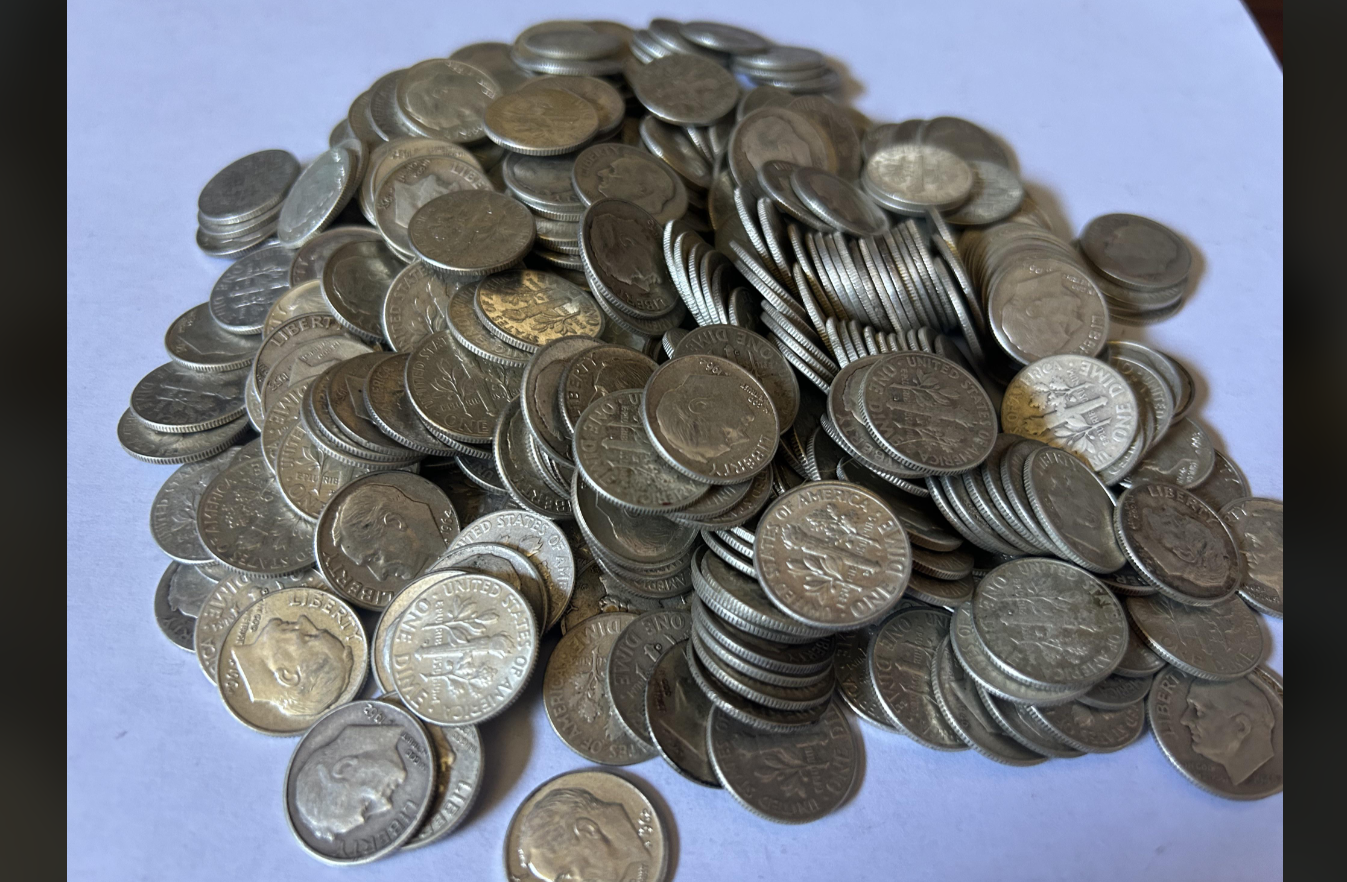
Before 1965, Roosevelt dimes were made from 90 percent silver, but most people treated them no differently than modern coins. Families spent them freely, unaware that their metal content alone would later give them intrinsic value. When silver prices rose and coin composition changed, many of these dimes were already gone. Because they looked identical to later versions, they were rarely saved intentionally. Their loss reflects how subtle material changes can transform everyday currency into overlooked collectibles.
Buffalo Nickels
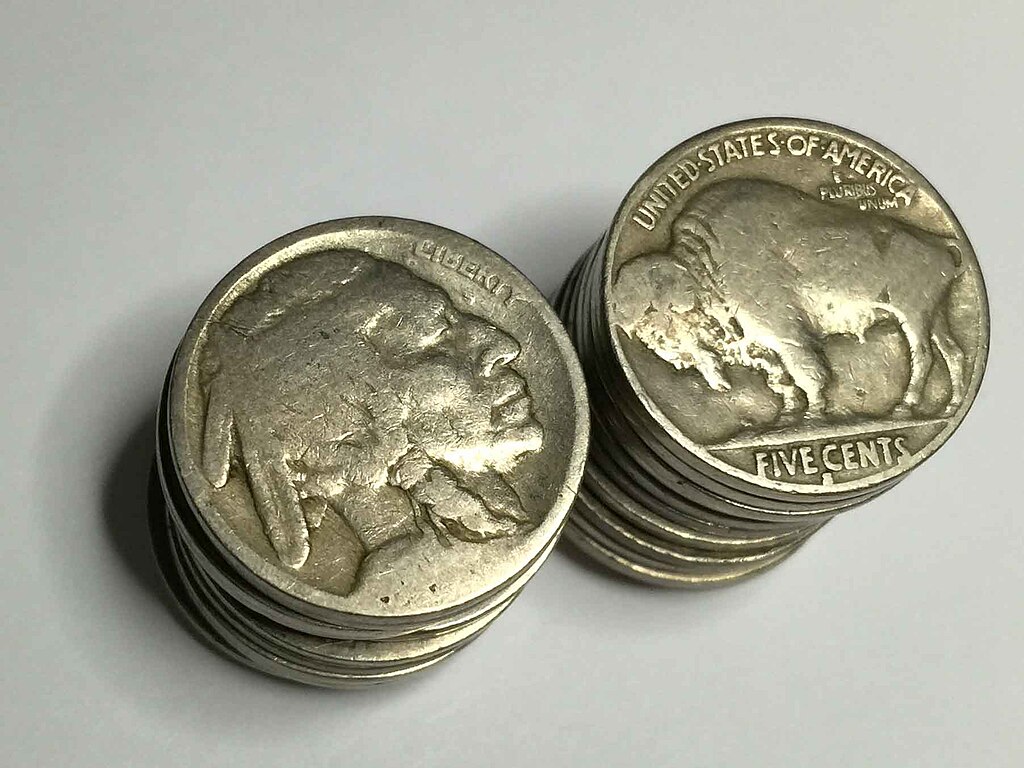
Buffalo nickels circulated widely between 1913 and 1938 and were handled roughly during their lifespan. Their soft design wore down quickly, causing dates to fade. Families often tossed worn nickels into general change or discarded them entirely. Over time, surviving examples with readable dates and details became far more valuable. What once felt like damaged spare change is now a key piece of American numismatic history. Their disappearance highlights how durability affects long-term collectibility.
Old Baseball Cards
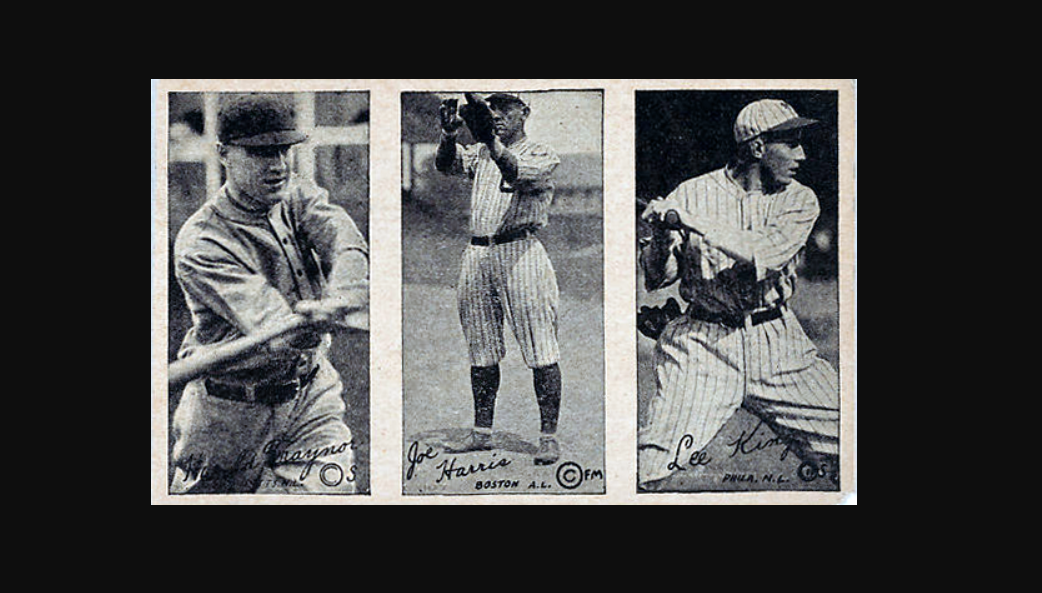
For decades, baseball cards were viewed as disposable entertainment for children. Families cleaned out attics and closets, throwing away boxes of cards without checking their contents. Early cards from the mid twentieth century gained value as sports culture matured and nostalgia increased. Condition, rarity, and player legacy transformed forgotten collections into assets. Many of the most valuable cards today survived purely by accident. The ones that didn’t were lost during routine household cleanouts.
Early Comic Books
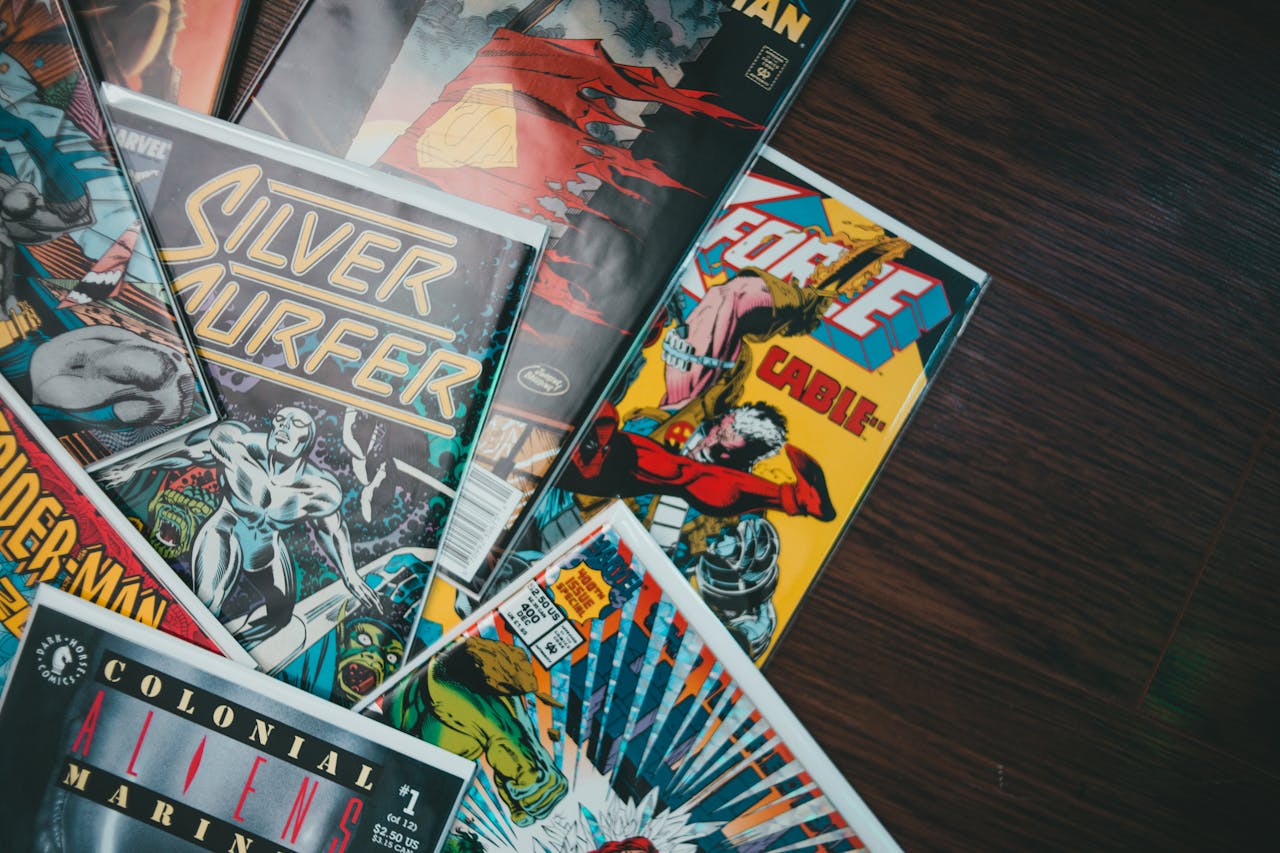
Comic books were originally treated as cheap reading material rather than cultural artifacts. Families often discarded them after use or stored them poorly. Exposure to moisture, sunlight, and folding destroyed countless early issues. As comic characters became global franchises, early editions gained enormous value. What makes these losses significant is how unremarkable comics once felt. Their transformation into collectibles reflects changing views on storytelling, media, and popular culture.
Vintage Postage Stamps Used for Everyday Mail
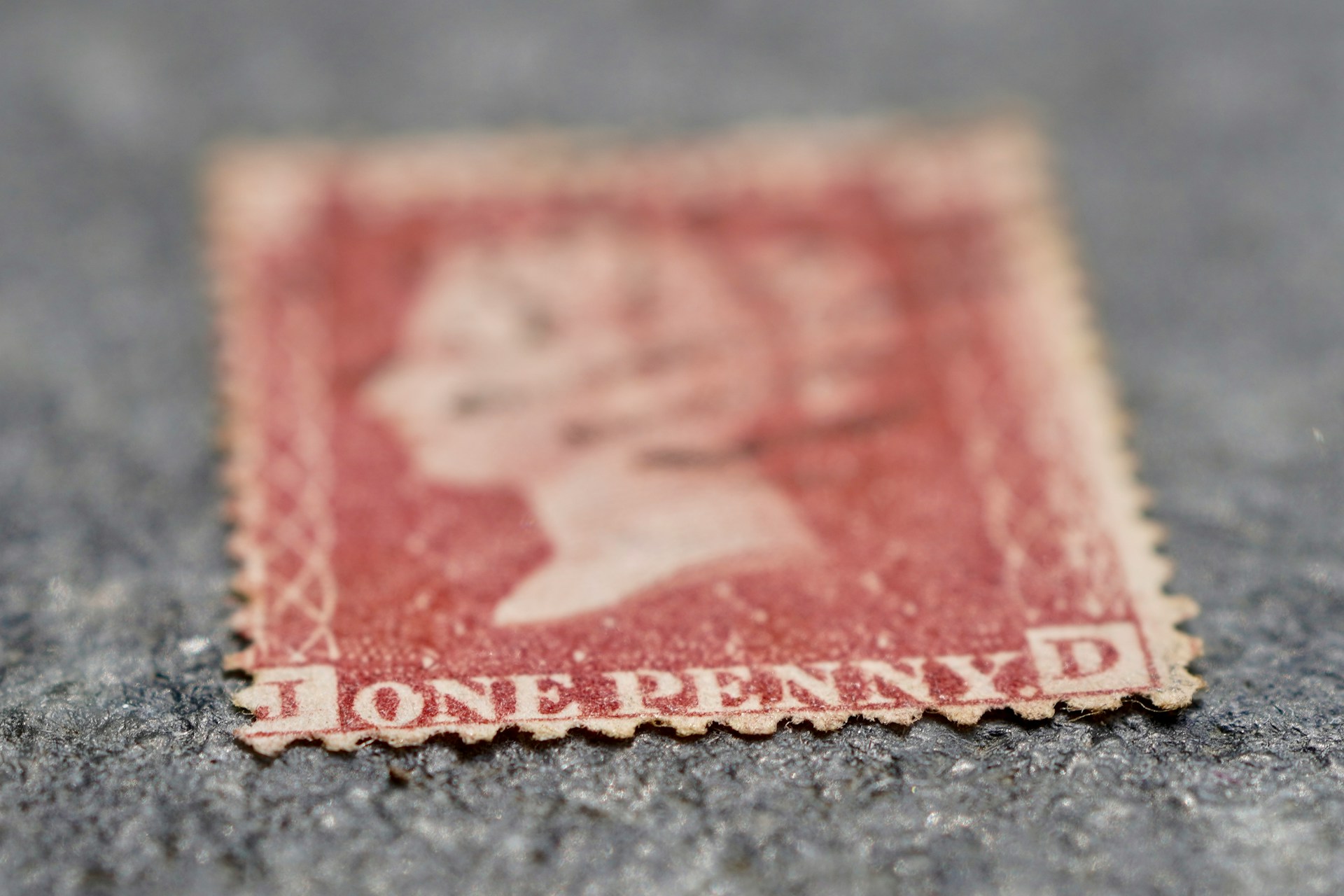
Postage stamps were once strictly functional, and families treated them as disposable. Sheets were used up, envelopes were tossed, and no one considered saving stamps once they served their purpose. Certain early twentieth century stamps, printing variations, and short-run designs later became highly collectible. Because stamps were designed to be used, very few survived in good condition. What gives them value today is not artistic beauty alone, but rarity through everyday destruction. Countless potentially valuable stamps were lost simply because they did exactly what they were meant to do.
Old Holiday Ornaments and Decorations
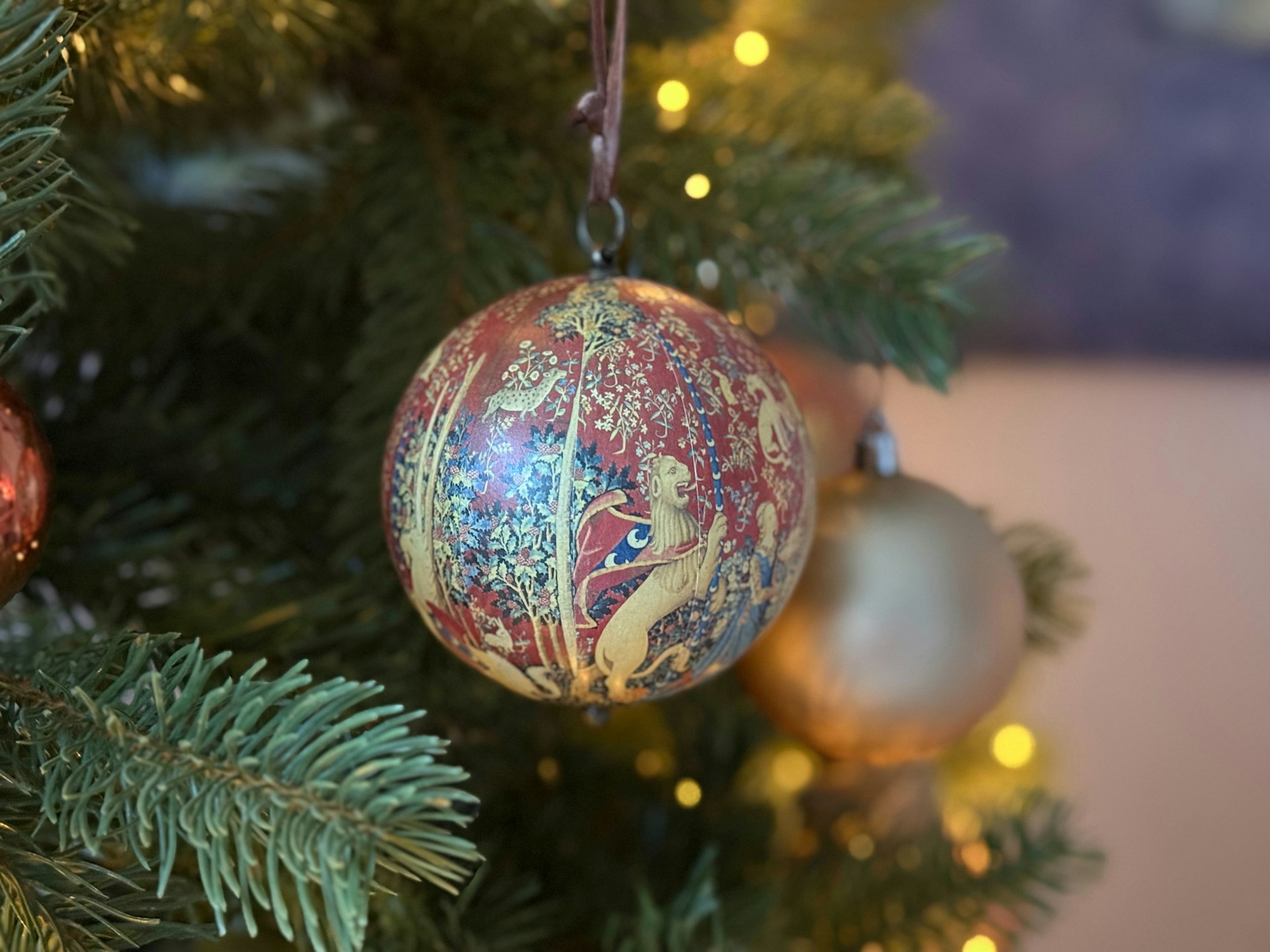
Glass ornaments, paper decorations, and early plastic holiday items were often fragile and replaced without hesitation. Families upgraded decorations regularly, discarding older pieces that cracked, faded, or felt outdated. Over time, mid-century holiday décor became desirable for its craftsmanship, design, and nostalgia. Surviving examples gained value precisely because so many were thrown away. What once felt disposable now represents a specific cultural moment. Their loss reflects how seasonal objects are rarely preserved with long-term value in mind.
Vintage Toys Still in Use
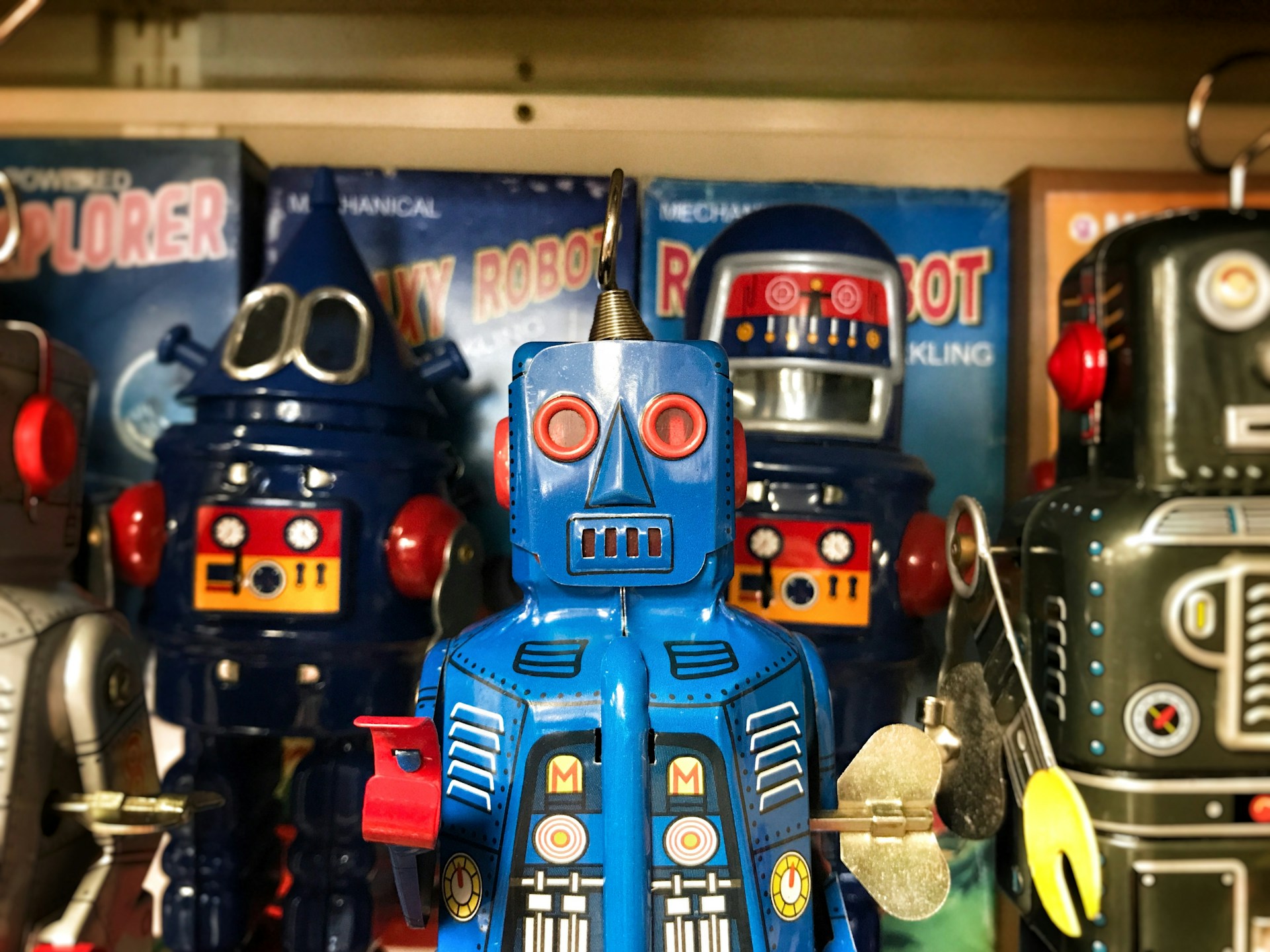
Toys were meant to be played with, not preserved. Families passed them down, repaired them, or discarded them once they broke. Early action figures, board games, and toy vehicles gained collectible status only decades later. Condition became everything, and heavy use erased value. Many toys now considered rare disappeared simply because they fulfilled their purpose. Their transformation into collectibles shows how childhood objects often gain importance only after their original context has faded.
Everyday Kitchenware
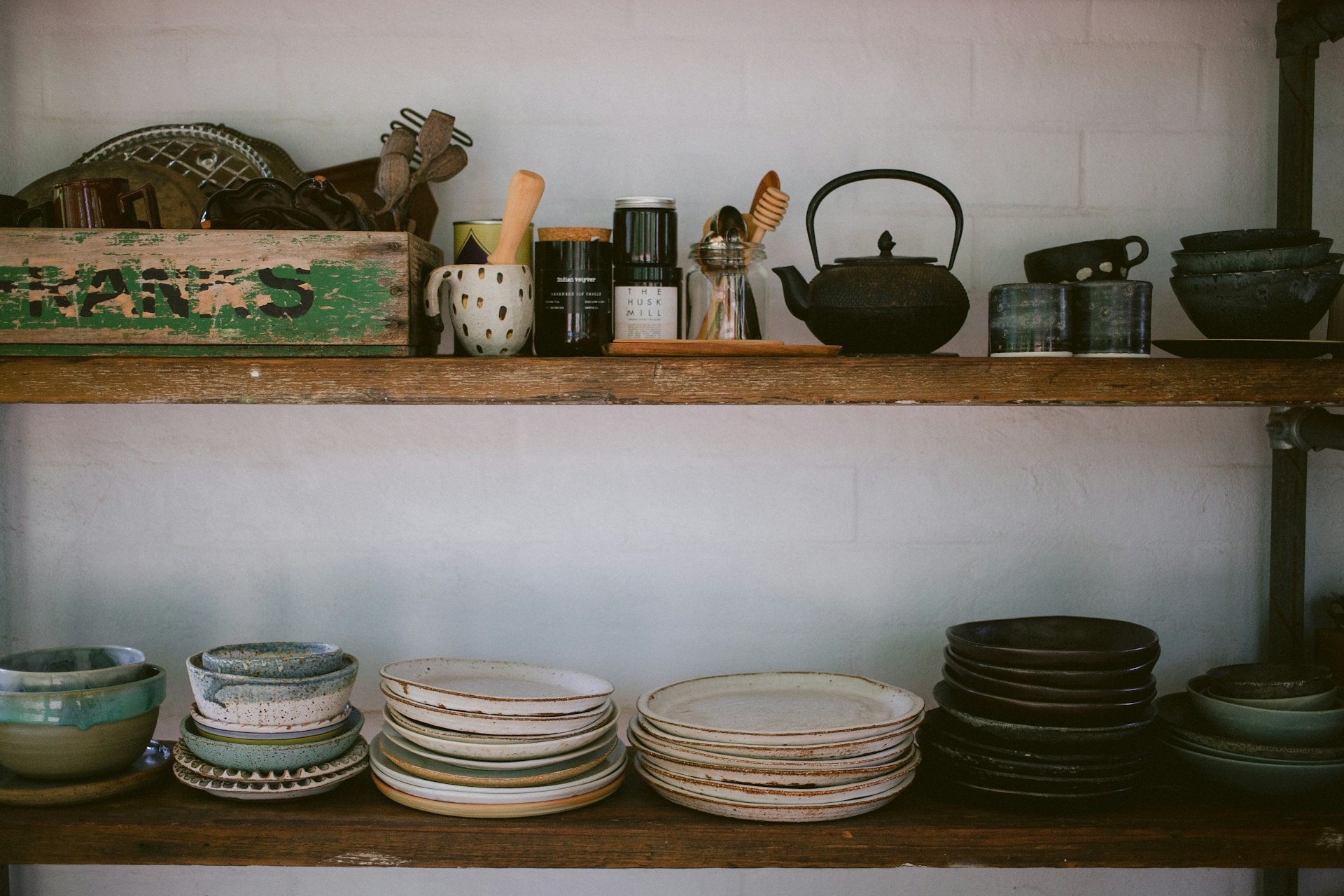
Old kitchen items, branded glassware, and everyday cookware were rarely saved intentionally. Companies produced them in large quantities, and families used them until they broke or styles changed. Over time, certain designs and logos became valuable to collectors. Survival, not initial prestige, created scarcity. What once cluttered cabinets now appears in auctions and displays. These losses demonstrate how ordinary household objects can quietly gain significance long after they are discarded.
What these losses share is not neglect, but normal use. Families did nothing wrong by treating everyday objects as everyday objects. Value emerged later, shaped by scarcity, nostalgia, and cultural change. Looking back reveals how easily historical and monetary significance can be erased by routine cleanup. These stories serve less as regret and more as reminders that today’s ordinary items may quietly become tomorrow’s collectibles.