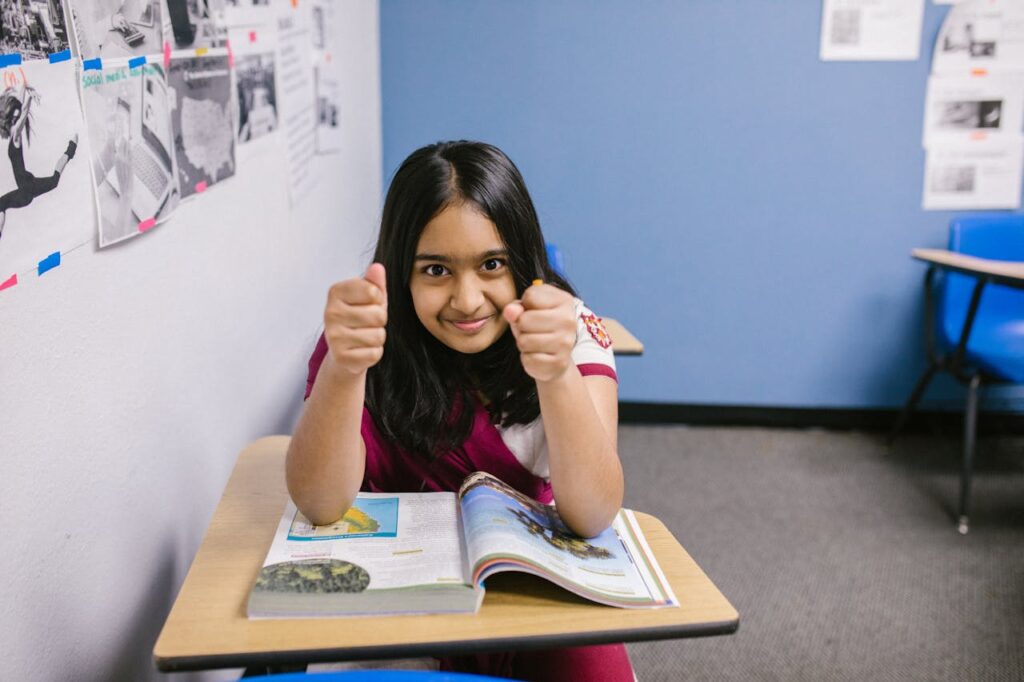
Resilience is one of the most valuable traits a child can develop, shaping how they face challenges, adapt to change, and navigate life with confidence. While some aspects of resilience may be innate, many can be nurtured through daily habits and consistent parental guidance. Moms play a pivotal role in modeling behaviors, offering support, and creating an environment where children feel safe to take risks and learn from mistakes. By focusing on practical habits and emotional growth, parents can help their kids build the foundation for resilience that will serve them throughout life.
Encourage Problem-Solving and Independence
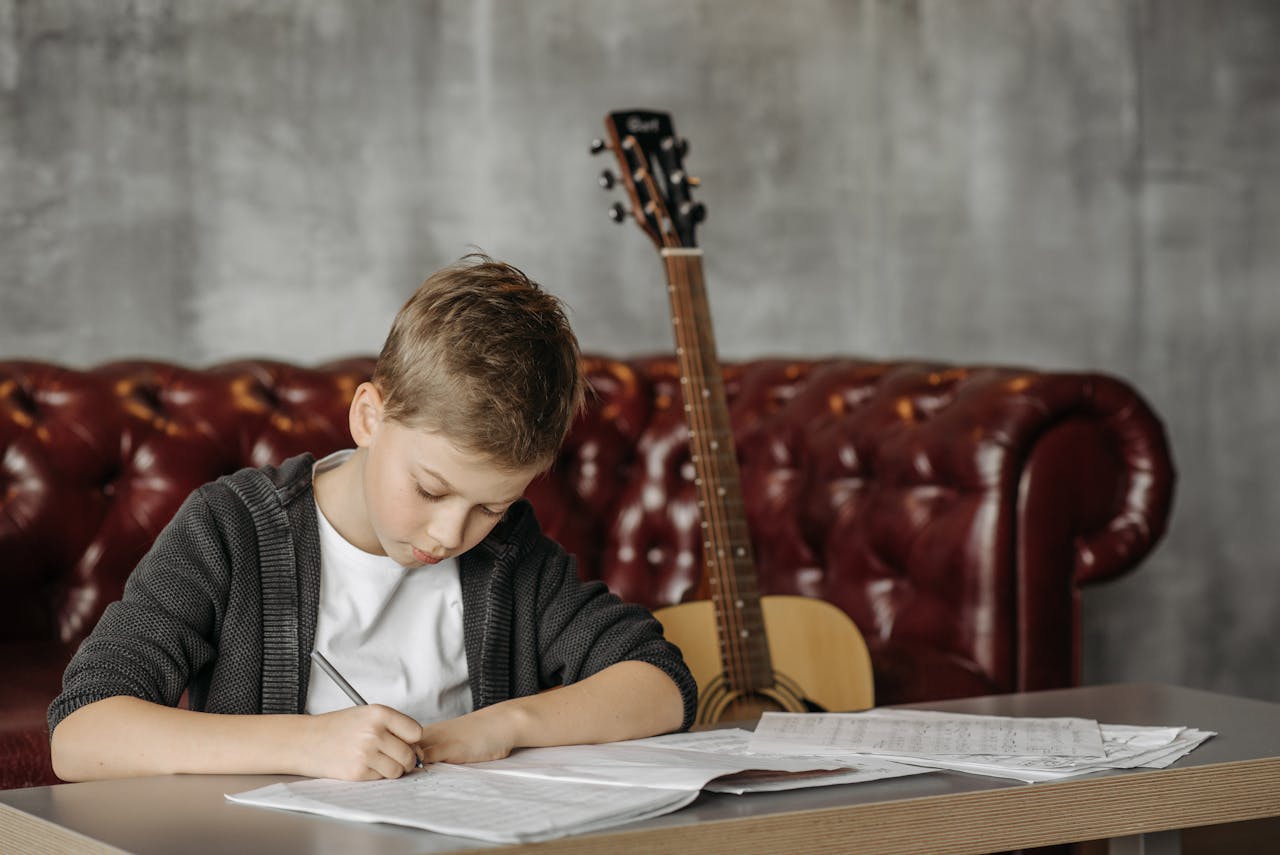
One key habit of resilient children is learning to solve problems on their own. Moms can support this by allowing kids to make small choices or tackle minor challenges without immediately intervening. For example, letting a child figure out how to organize their schoolwork or resolve a disagreement with a sibling encourages critical thinking. Over time, children develop confidence in their own abilities, learning that setbacks are opportunities for growth rather than failures. This habit fosters a sense of agency that strengthens resilience in everyday situations.
Foster Emotional Awareness

Resilient kids are able to recognize and process their emotions effectively. Parents can help by encouraging children to name what they feel and explore why those emotions arise. Simple routines, like discussing feelings during dinner or journaling about the day, create a safe space for emotional expression. When children understand their emotions, they are better equipped to cope with stress, disappointment, and change. Emotional awareness also promotes empathy, allowing kids to respond thoughtfully in social situations.
Celebrate Effort Over Outcome
A strong resilience habit is learning to value persistence rather than just results. Moms can model this by praising effort, focus, and problem-solving rather than only celebrating achievements. For instance, acknowledging a child’s dedication to completing a challenging project reinforces that persistence is meaningful. This mindset encourages children to take on challenges without fear of failure. Over time, they develop a growth mindset, understanding that setbacks are a normal part of learning.
Build Consistent Routines

Daily routines provide children with a sense of structure and security, which is essential for resilience. Regular meal times, bedtime rituals, and homework schedules help children feel grounded. Moms can involve kids in creating routines, giving them a sense of ownership and responsibility. Predictable habits make it easier for children to handle change, as they know there are stable aspects of their day they can rely on. A structured environment fosters confidence and reduces anxiety.
Promote Healthy Risk-Taking

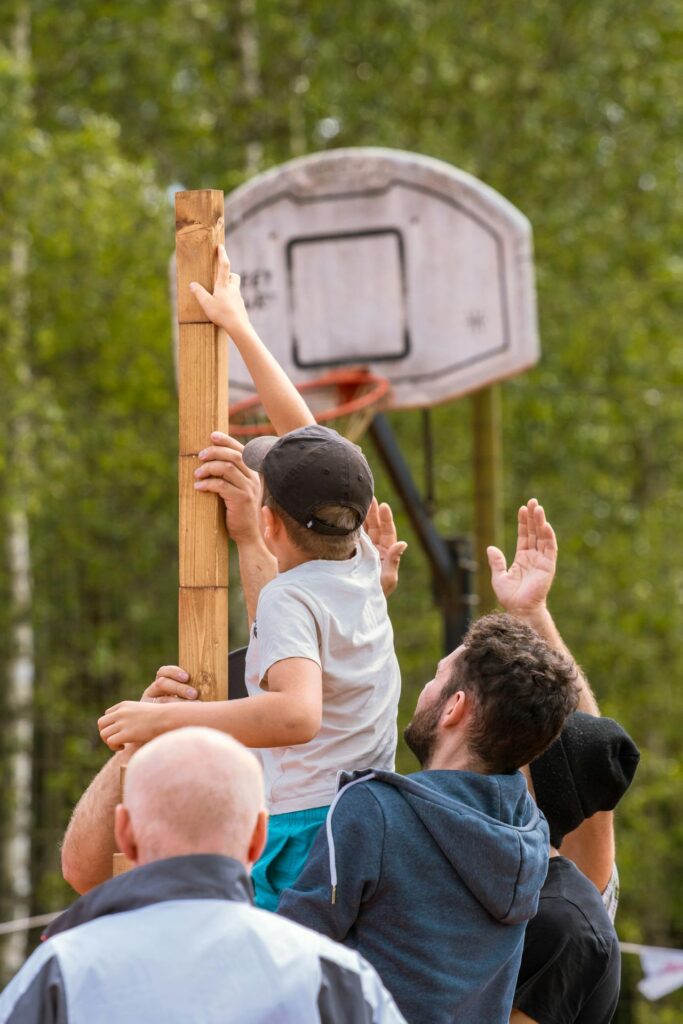
Resilient children learn to take calculated risks and face challenges without fear. Moms can encourage this by letting kids try new activities, explore hobbies, or participate in sports where failure is possible but growth is guaranteed. Supportive guidance, rather than overprotection, helps children understand that mistakes are part of learning. Gradually facing challenges builds courage, problem-solving skills, and adaptability. This habit prepares children to handle uncertainties with confidence.
Encourage Reflection and Self-Assessment

Taking time to reflect on experiences helps children understand what worked, what didn’t, and how to approach future challenges. Moms can create reflection moments by asking questions like, “What did you learn today?” or “How could you handle that differently next time?” Reflection fosters self-awareness and accountability, empowering children to make informed decisions. It also reinforces that setbacks are opportunities for growth rather than personal shortcomings.
Support Social Connections

Resilient children maintain strong, supportive relationships with peers, family, and mentors. Moms can encourage social skills by facilitating playdates, group activities, and collaborative projects. Children learn to communicate, negotiate, and resolve conflicts, which strengthens emotional resilience. Positive relationships provide a safety net for coping with difficulties, as kids understand they are not alone in facing challenges. Social support is a cornerstone of emotional stability.
Encourage Physical Activity and Healthy Habits
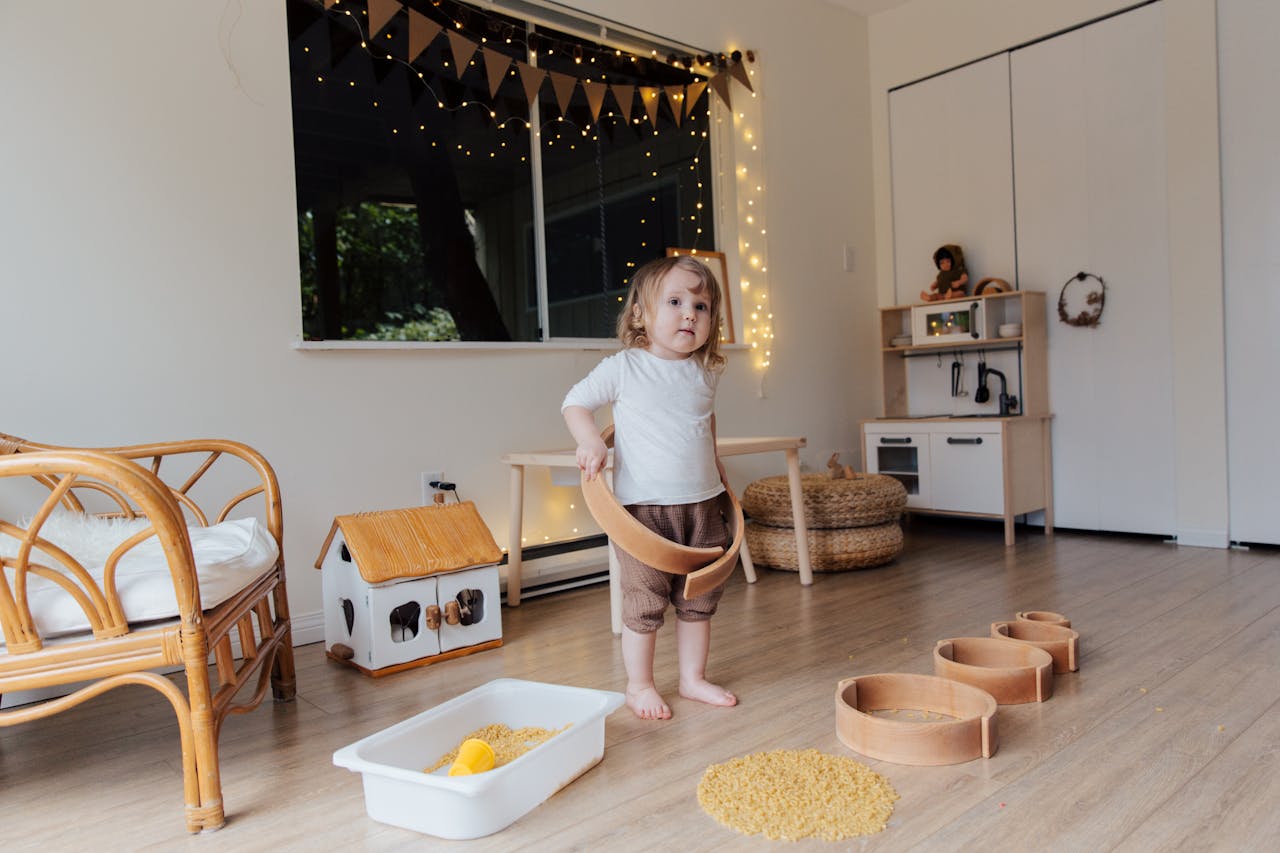
Physical wellness is closely tied to mental resilience. Regular exercise, outdoor play, and balanced nutrition help children manage stress and build stamina for challenges. Moms can integrate daily movement into family routines, making physical activity enjoyable rather than a chore. Healthy habits improve mood, energy levels, and focus, which all contribute to a child’s ability to cope with setbacks. Resilient children often develop routines that balance mind and body wellness.
Model Optimism and Problem-Focused Thinking
Children learn resilience by observing their parents’ responses to challenges. Moms who approach difficulties with optimism, flexibility, and problem-focused thinking provide a powerful example. Discussing how to find solutions instead of dwelling on problems teaches kids how to handle adversity. Modeling calm, constructive behavior in stressful situations shows children that challenges can be overcome with persistence and creativity. Over time, this builds a resilient mindset that guides children through life’s ups and downs.