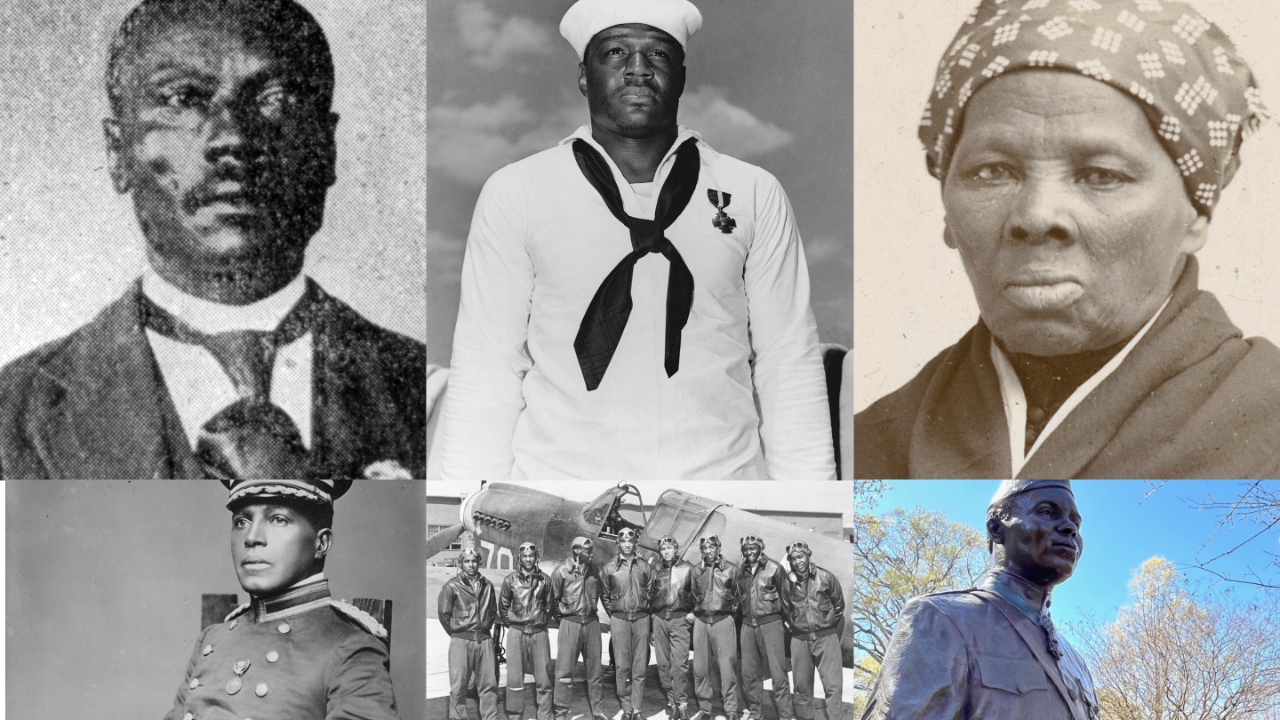
Black men and women have served bravely in every major American conflict, often fighting two battles: one against the enemy and another against racism and discrimination. Yet, many of their stories are missing from textbooks and classrooms, leaving generations unaware of these heroes’ incredible contributions. It’s time to bring these courageous figures into the spotlight, so our kids—and all of us—can honor the full history of bravery and sacrifice. Here are ten Black war heroes your kids probably never learned about in school, but whose legacies deserve to be remembered.
Henry Johnson: The Harlem Hellfighter
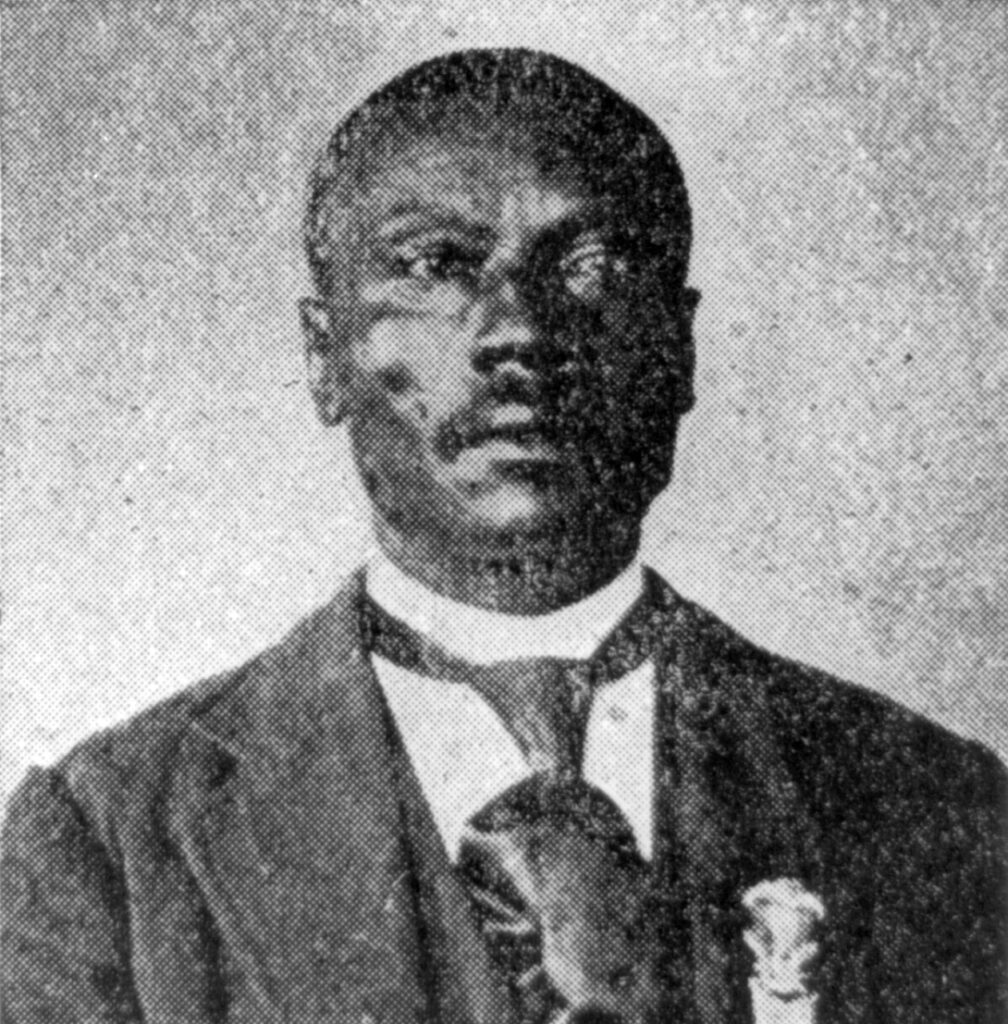
Henry Johnson was a member of the all-Black 369th Infantry Regiment, famously known as the Harlem Hellfighters, during World War I. One night in 1918, he single-handedly fought off a German raiding party, saving a fellow soldier while sustaining severe injuries himself. Despite his heroic actions, he returned home to discrimination and poverty, receiving little recognition during his lifetime. Decades later, Johnson was posthumously awarded the Medal of Honor for his valor. His story is a powerful reminder of the courage Black soldiers displayed even while facing systemic injustice.
Harriet Tubman: Civil War Spy and Nurse
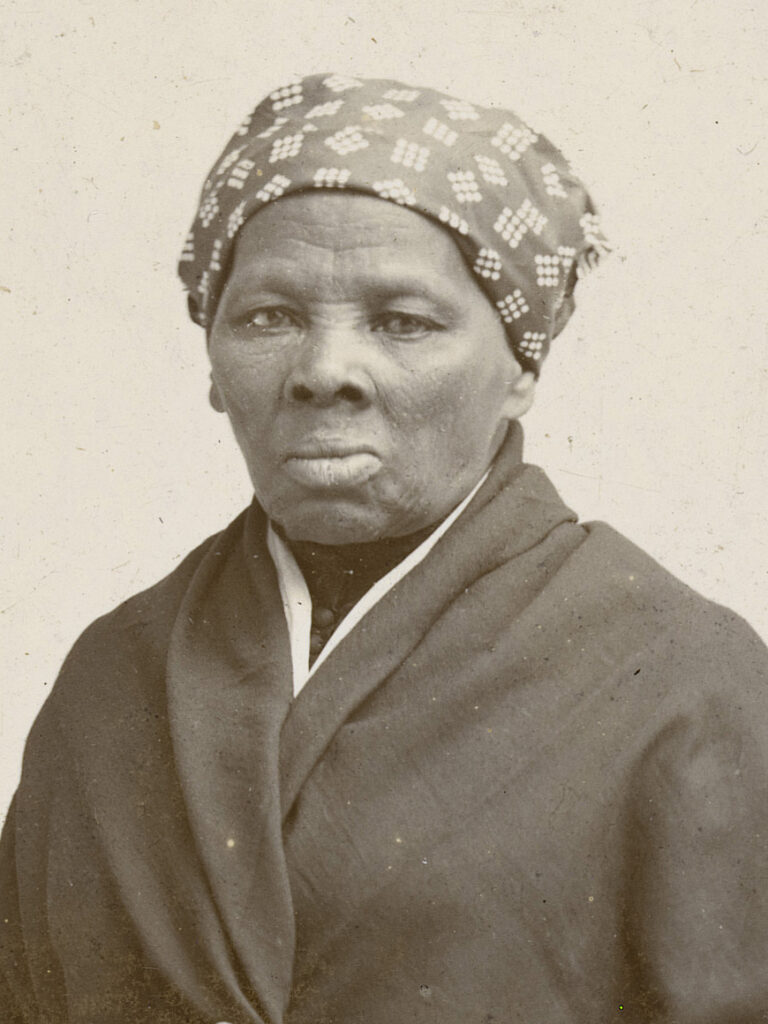
Most know Harriet Tubman as the brave conductor of the Underground Railroad, but few realize she was also a Civil War hero. During the war, Tubman served as a nurse, cook, and spy for the Union Army, gathering crucial intelligence behind Confederate lines. She even led a raid in South Carolina that freed more than 700 enslaved people—the first woman in U.S. history to command a military operation. Despite her invaluable service, Tubman struggled for years to receive a government pension. Her life proves that heroism isn’t limited to the battlefield—it also thrives in acts of resilience and justice.
Doris Miller: Pearl Harbor Hero
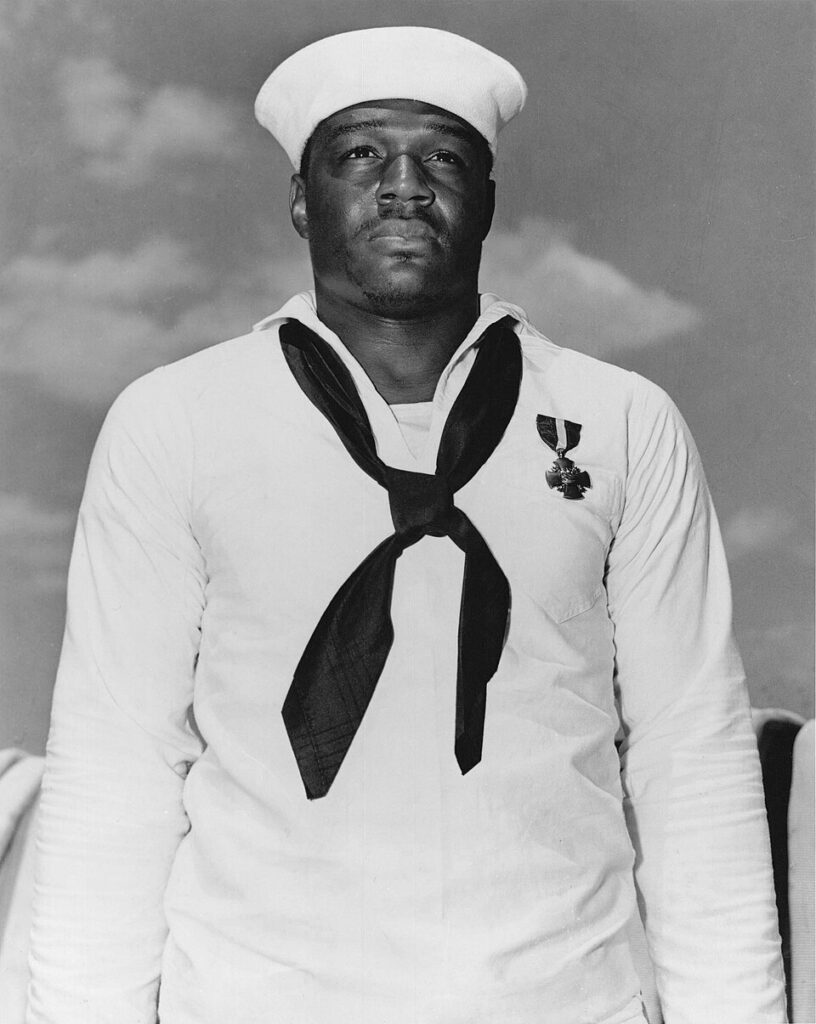
On December 7, 1941, when the Japanese attacked Pearl Harbor, Doris “Dorie” Miller, a Navy mess attendant, sprang into action. Though not trained on weapons, he manned an anti-aircraft gun and fired at enemy planes, earning the Navy Cross for his bravery. His courageous actions shattered racial stereotypes and inspired calls to integrate the armed forces. Yet for years, Miller’s heroism went largely unrecognized outside the Black community. Today, he is celebrated as one of the first Black American heroes of World War II.
Cathay Williams: The Female Buffalo Soldier
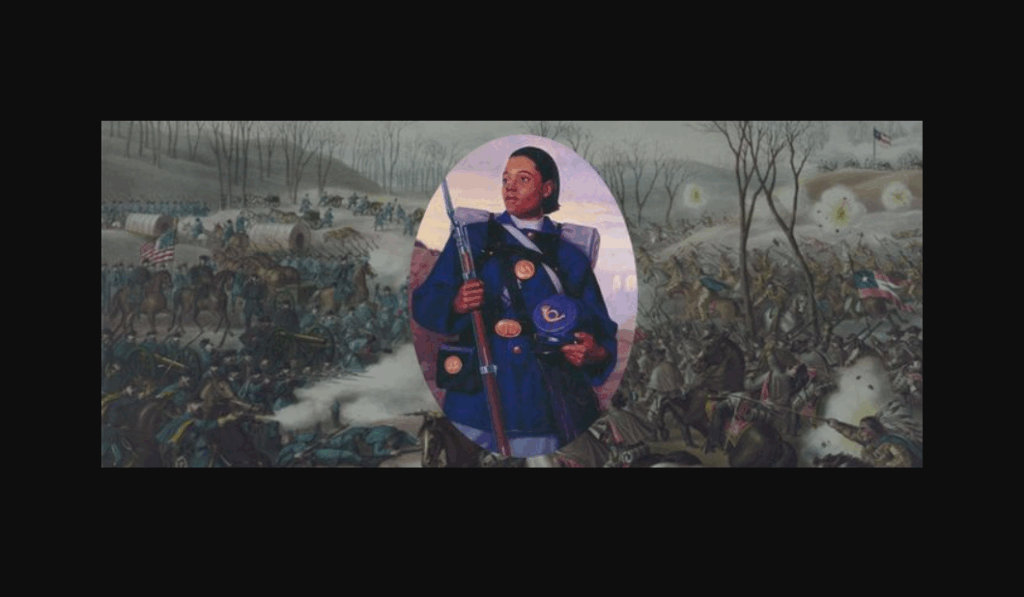
Cathay Williams was the first and only documented Black woman to serve as a Buffalo Soldier in the U.S. Army. Disguised as a man, she enlisted under the name William Cathay after the Civil War, determined to support herself and seek adventure. Despite harsh conditions and frequent illness, she served for nearly two years before her identity was discovered. Williams faced incredible challenges both in the army and afterward, struggling to receive benefits due to her gender and race. Her story is a testament to courage and determination in the face of overwhelming odds.
Charles Young: Trailblazing Army Officer
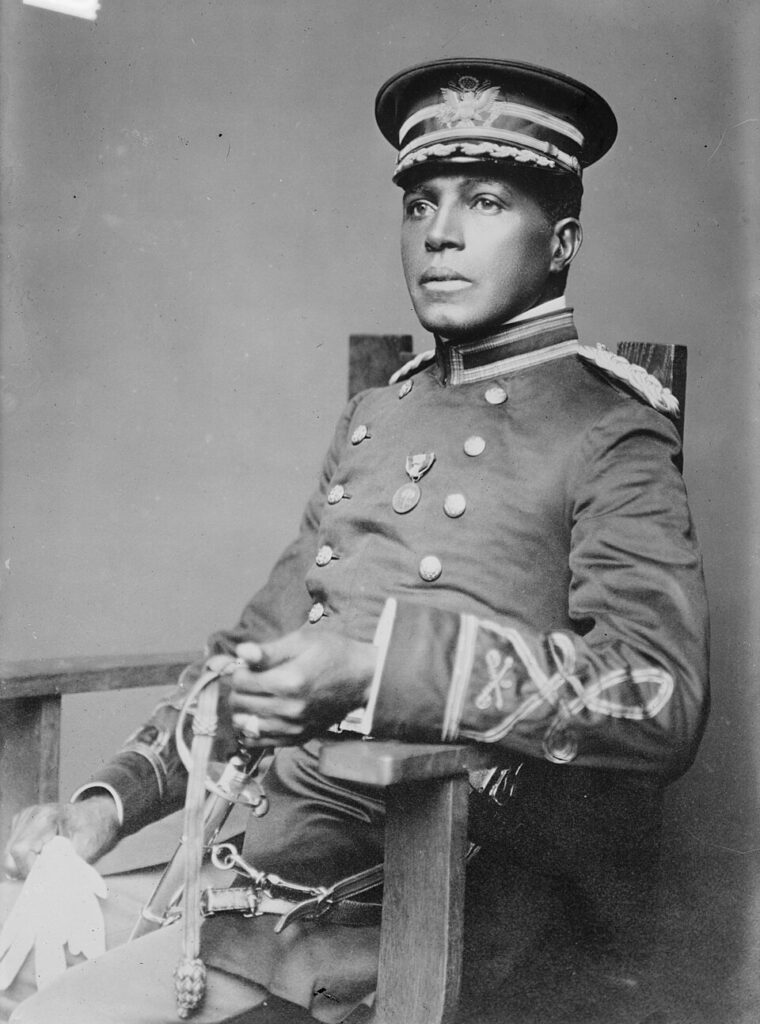
Charles Young was the third Black graduate of West Point and went on to become the first African American to achieve the rank of colonel in the U.S. Army. He served in multiple conflicts, including the Spanish-American War and the Philippine-American War, and was also an early leader of the Buffalo Soldiers. Beyond his battlefield contributions, Young worked to improve race relations and mentor younger Black officers. Despite facing career obstacles due to racism, he paved the way for future generations of Black military leaders. His distinguished service has earned him a place among America’s greatest soldiers.
The Tuskegee Airmen: Red Tails of World War II
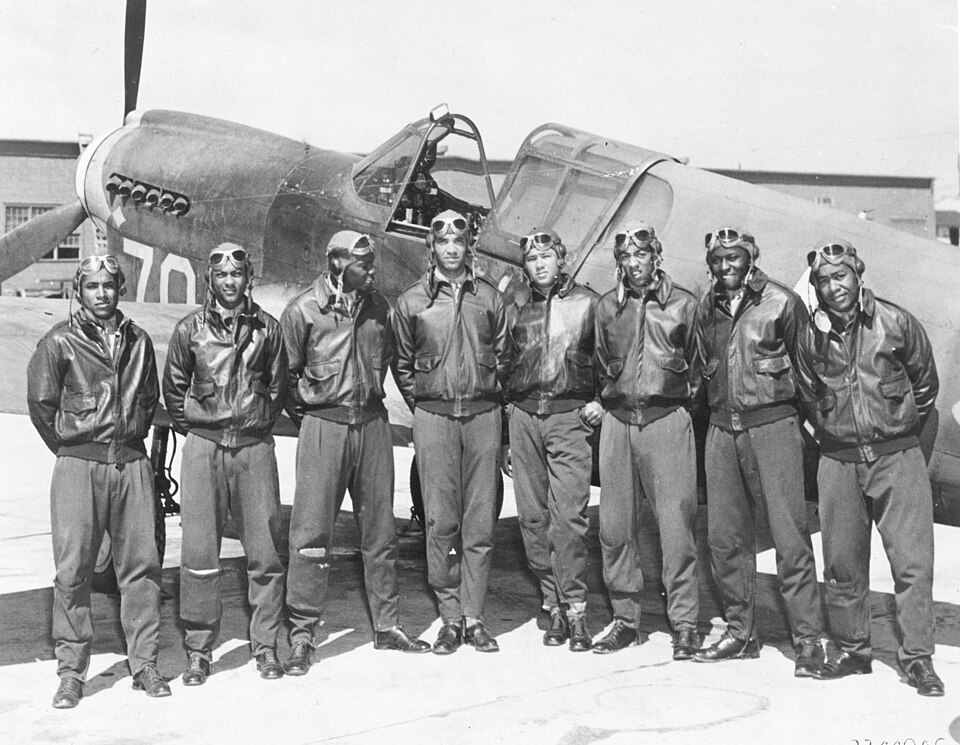
The Tuskegee Airmen were the first Black military pilots in the U.S. armed forces, trained at the Tuskegee Army Airfield in Alabama during World War II. Despite facing fierce discrimination, they flew more than 15,000 sorties and earned over 150 Distinguished Flying Crosses. Their skill and bravery helped challenge racist myths about Black pilots’ abilities. Many of them returned home to continue fighting for civil rights. Their legacy endures as a symbol of excellence and perseverance in the face of prejudice.
Robert Smalls: Civil War Naval Hero
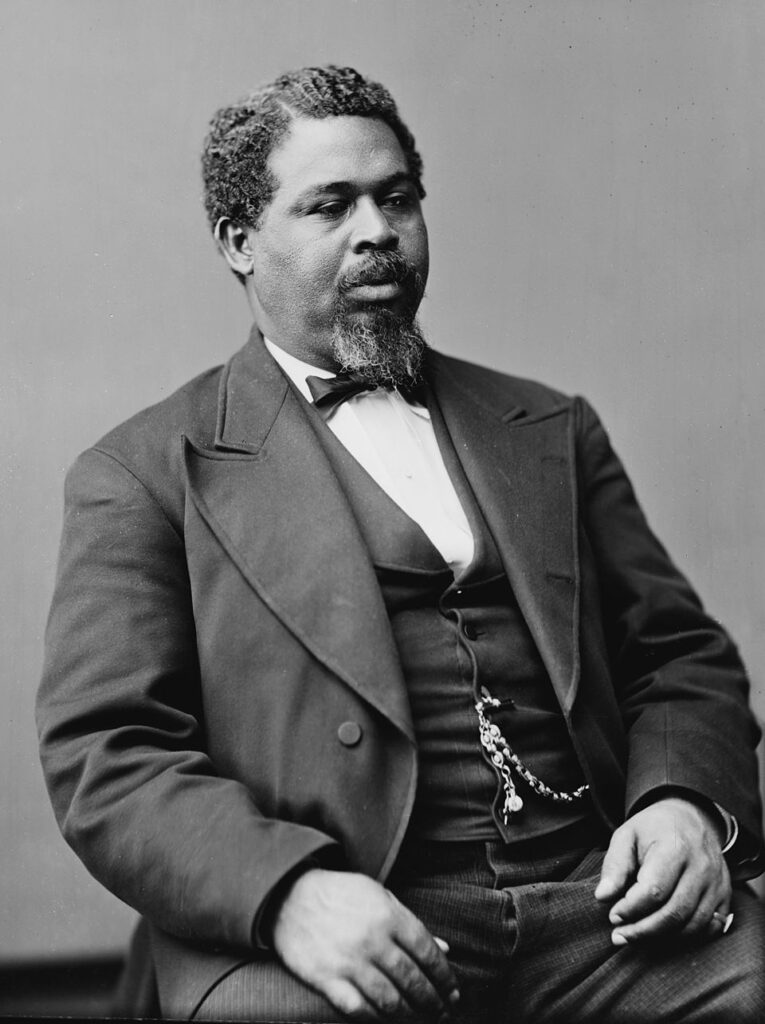
Robert Smalls was born enslaved but became a Civil War hero when he commandeered a Confederate ship, the CSS Planter, in 1862. He sailed it past Confederate defenses and delivered it to Union forces, securing freedom for himself and his family. After the war, Smalls became a successful businessman and U.S. congressman, advocating for civil rights and education. His daring escape made national headlines, but his political career was equally groundbreaking. Smalls’ life story is one of bravery, leadership, and a relentless quest for freedom.
Freddie Stowers: World War I Medal of Honor Recipient
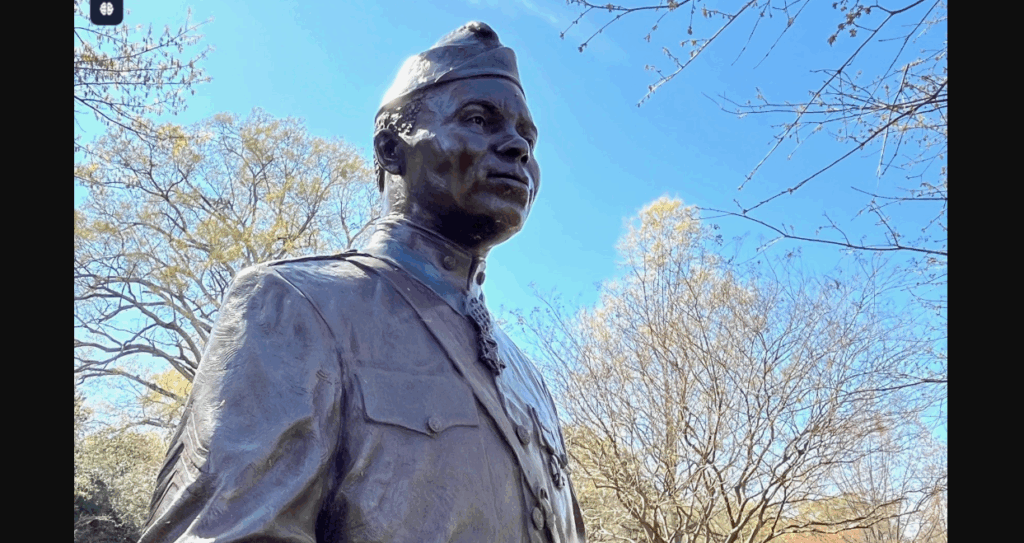
Freddie Stowers served in the 371st Infantry Regiment during World War I, leading his men through heavy enemy fire in France. Despite being mortally wounded, he urged his unit forward, helping them capture a critical enemy position. Stowers’ heroism went unrecognized for decades due to racial discrimination. In 1991, he was posthumously awarded the Medal of Honor, becoming the only Black American to receive it for World War I service. His courage and sacrifice symbolize the overlooked contributions of Black soldiers in the Great War.
Mary Elizabeth Bowser: Union Spy
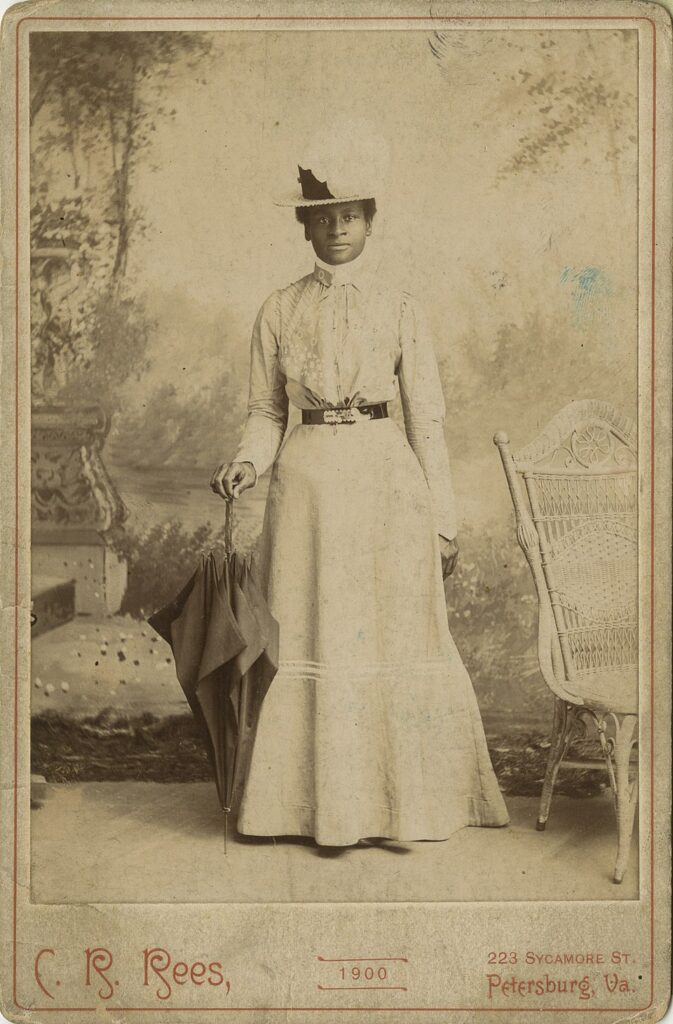
Mary Elizabeth Bowser was born enslaved but became a crucial spy for the Union during the Civil War. Placed as a servant in the Confederate White House of Jefferson Davis, she gathered valuable secrets and passed them to Union forces. Her photographic memory allowed her to recall critical documents she saw while working undercover. Despite the dangers, she risked her life for freedom and justice. Her story, long hidden from mainstream history, showcases the powerful role Black women played in America’s fight for liberation.