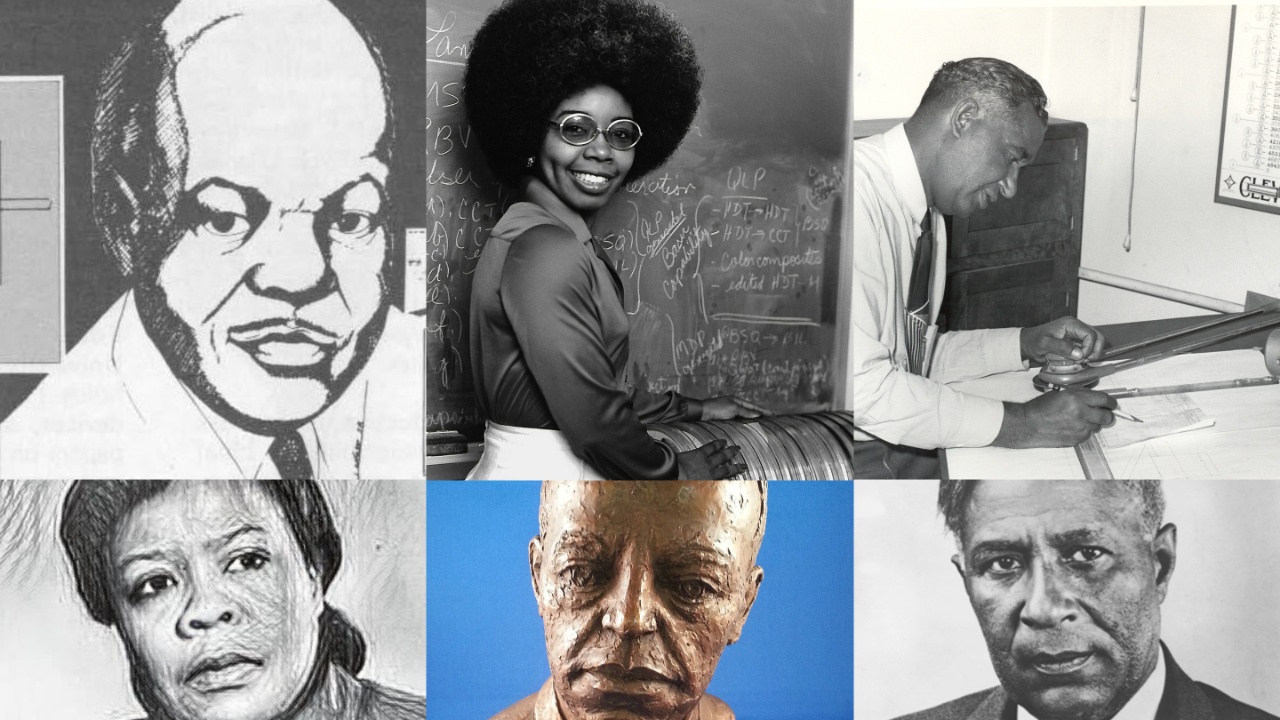
History books often highlight a few well-known names, but many groundbreaking Black inventors remain underrepresented or completely left out of school curriculums. These innovators made important contributions that shaped everyday life—from traffic safety to space exploration. Learning about their work not only inspires kids of all backgrounds but also gives credit where it’s long overdue. Here are 10 Black inventors your kids should know, even if their textbooks don’t mention them.
Lewis Latimer
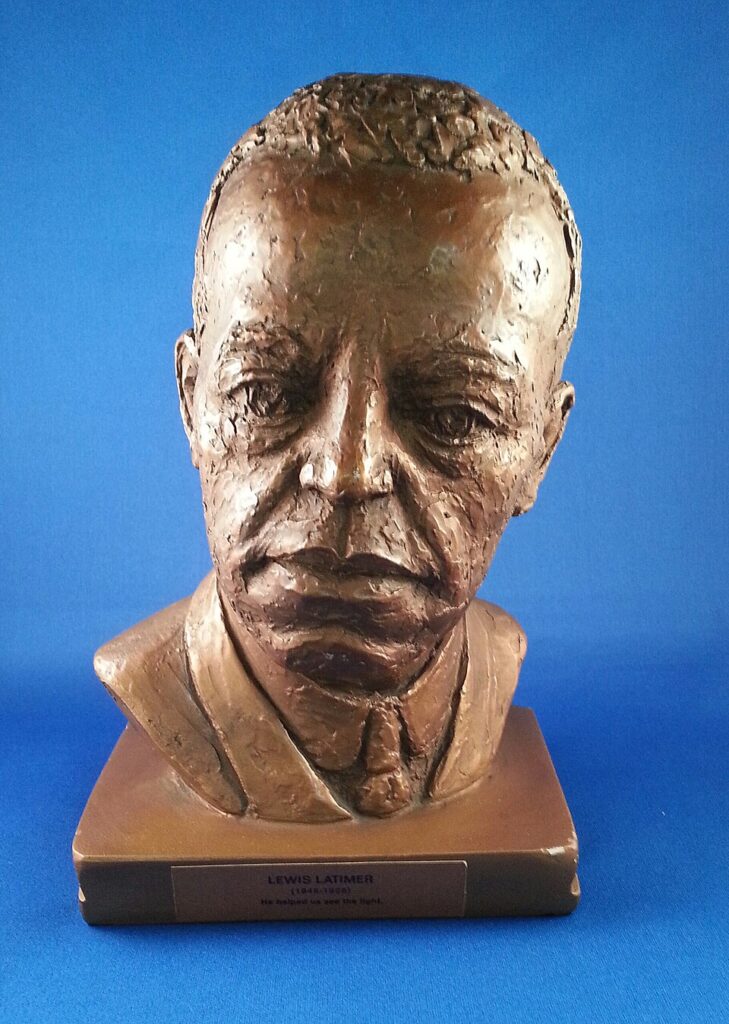
Lewis Latimer played a crucial role in the development of the electric light bulb. While Thomas Edison is often credited, it was Latimer who created a longer-lasting carbon filament that made bulbs practical and affordable. He also worked with Alexander Graham Bell on the telephone. As an inventor and skilled draftsman, his contributions helped shape the world we live in today. Latimer’s story shows the power of innovation and teamwork.
Sarah Boone
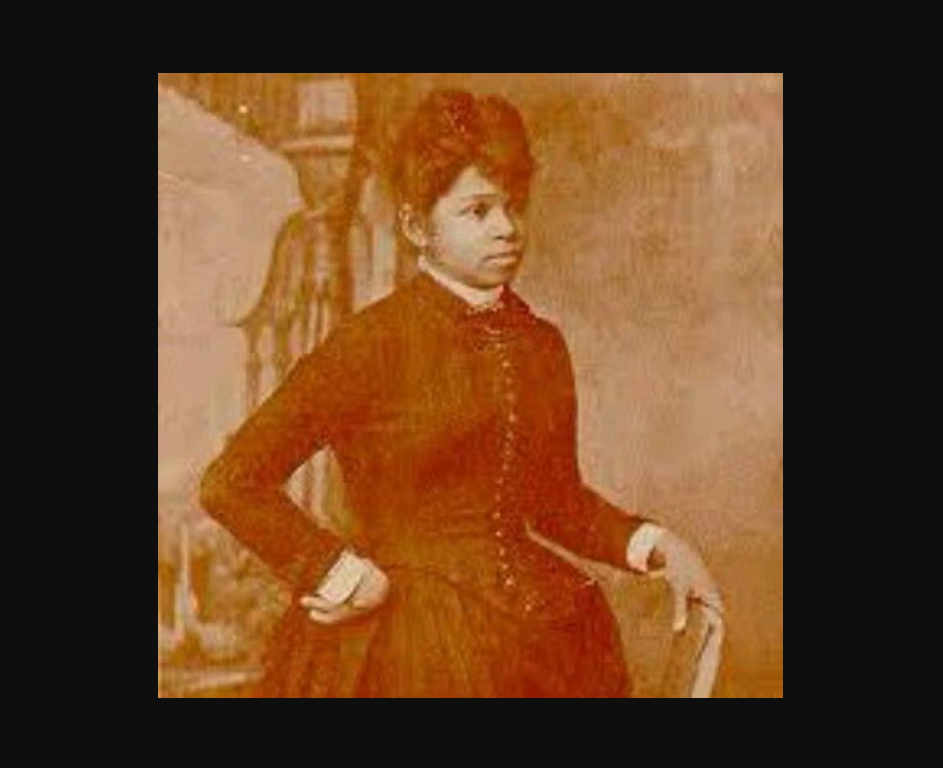
Sarah Boone improved the design of the ironing board, making it easier to iron women’s garments. Her invention was especially useful for sleeves and fitted clothing, solving a common household problem. Boone received a patent for her design in 1892, becoming one of the first Black women in U.S. history to do so. Her legacy proves that even everyday items have stories worth telling. Kids can learn that creativity often comes from solving everyday challenges.
Granville T. Woods
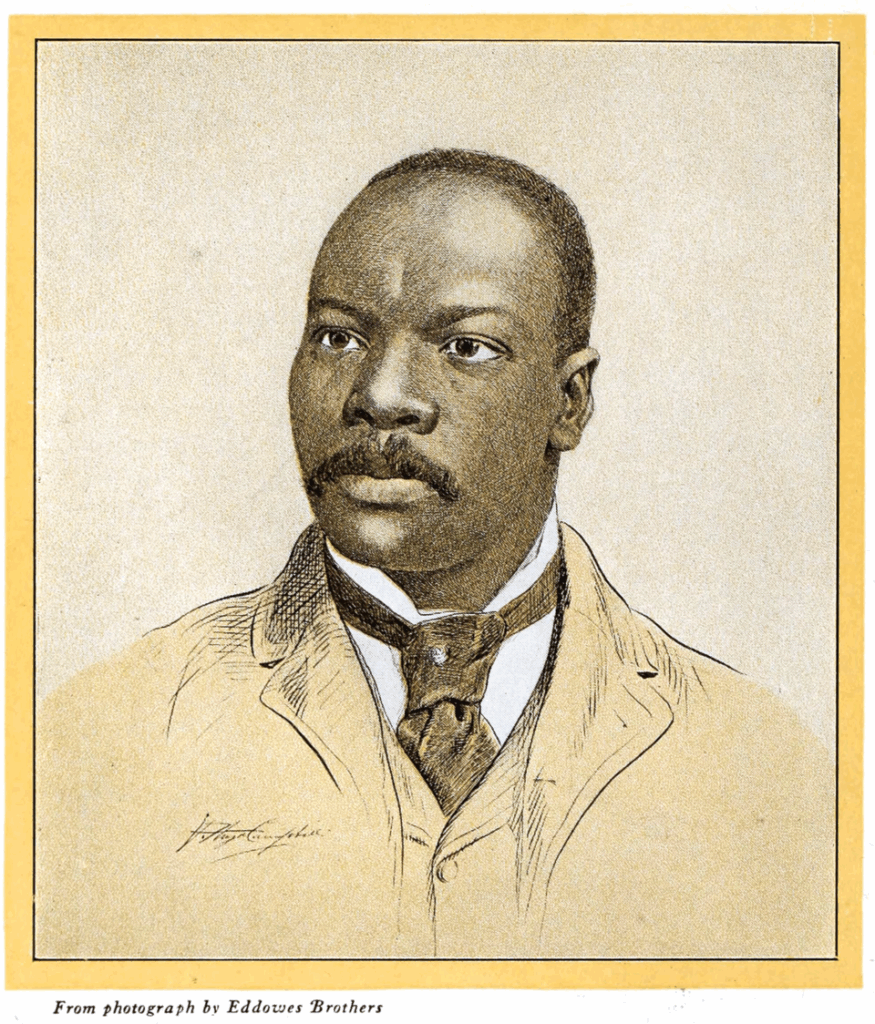
Granville T. Woods was often called “Black Edison” for his numerous inventions in the field of electrical engineering. He developed devices that improved railway safety, including a telegraph system that allowed trains to communicate with stations. This helped prevent accidents and changed the way transportation worked. Woods held more than 60 patents during his lifetime. He showed that innovation could improve public safety on a massive scale.
Dr. Shirley Jackson
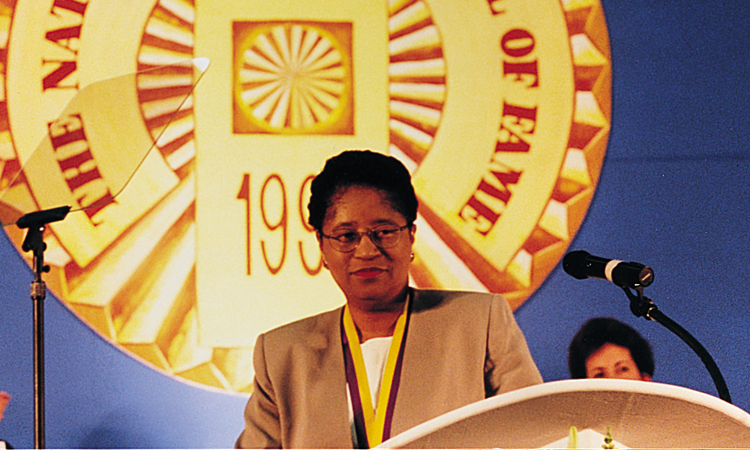
Dr. Shirley Jackson’s research in physics helped lead to the development of technologies like caller ID and call waiting. She was the first African American woman to earn a Ph.D. from MIT and has had a lasting impact in both science and policy. Her groundbreaking work in telecommunications helped shape the way we communicate today. Jackson also served as chair of the U.S. Nuclear Regulatory Commission. Her story is one of persistence, brilliance, and breaking barriers.
Garrett Morgan
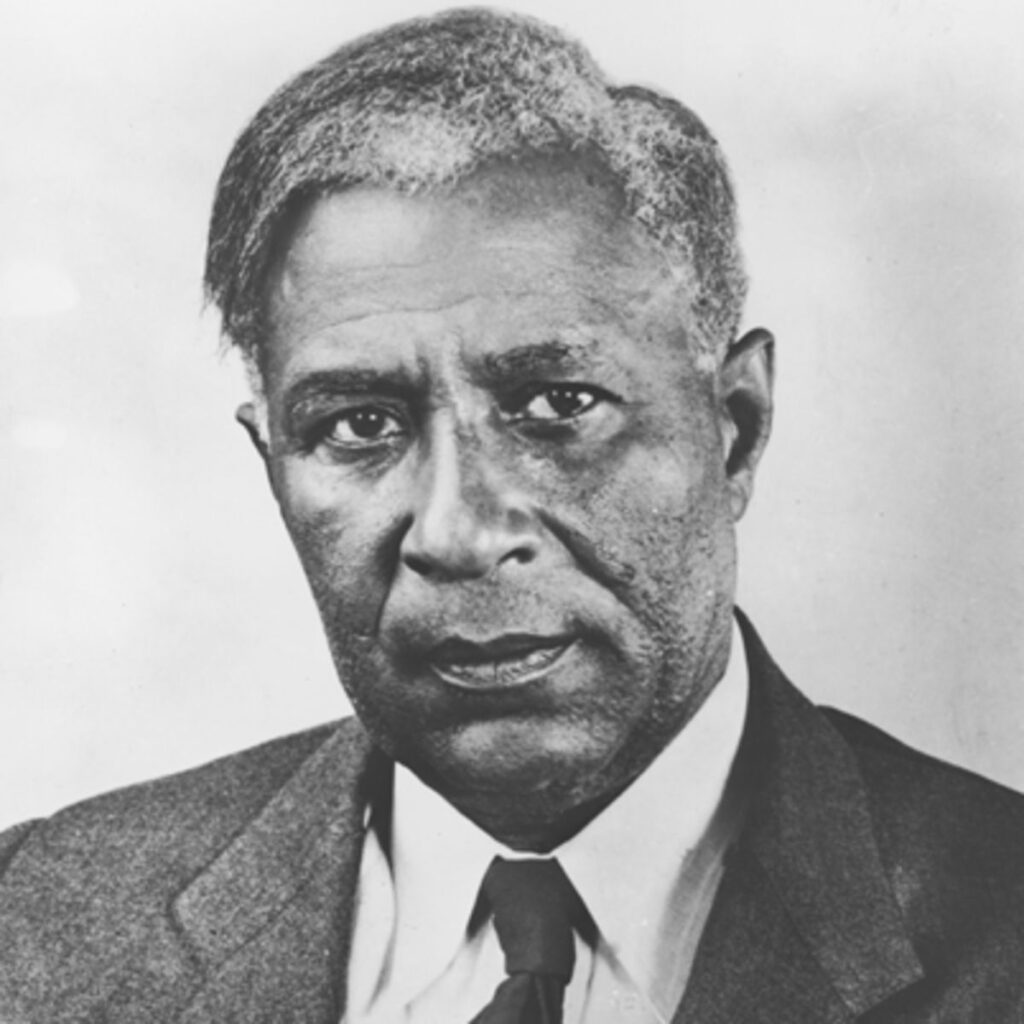
Garrett Morgan invented the three-position traffic signal, which made roads safer for drivers and pedestrians alike. Before his design, traffic lights only had “stop” and “go” signals, which led to accidents. Morgan’s invention introduced a warning phase to help prevent collisions. He also created a safety hood that was an early version of the gas mask. His inventions have saved countless lives and remain part of modern safety systems.
Otis Boykin
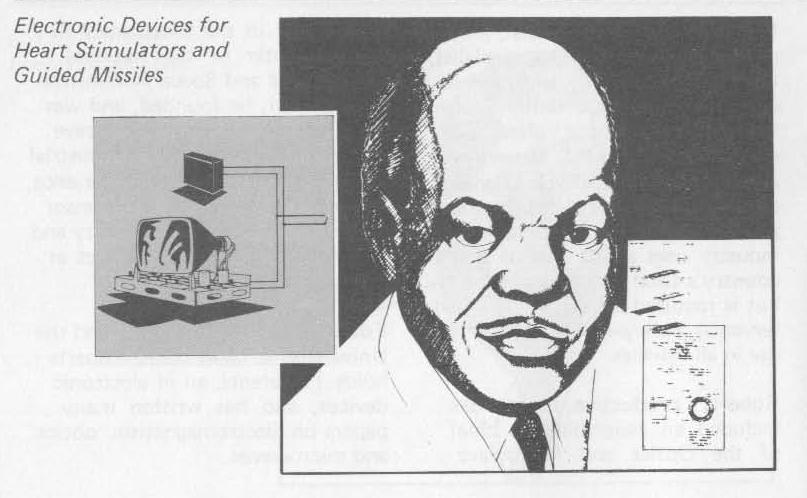
Otis Boykin made significant improvements to electrical resistors used in a wide range of devices, including computers, TVs, and radios. One of his most notable contributions was in the development of the pacemaker, a life-saving device for heart patients. Boykin held more than 25 patents in his lifetime. His work made technology more reliable and accessible. He turned curiosity into inventions that improved everyday life and even saved lives.
Valerie Thomas
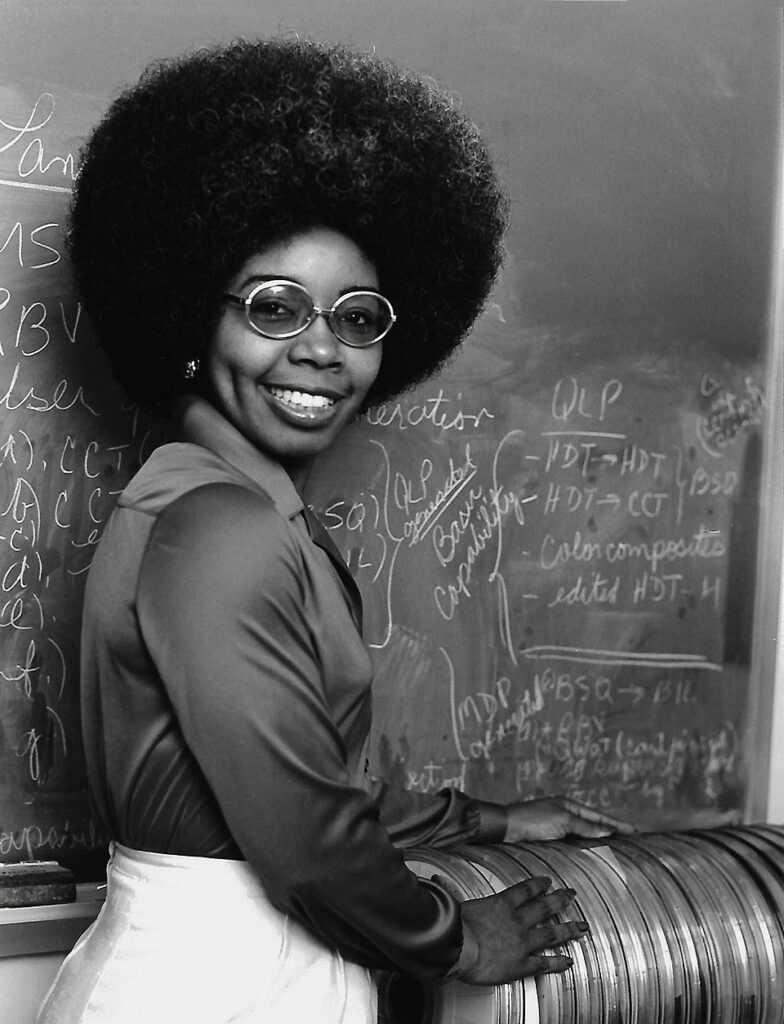
Valerie Thomas invented the illusion transmitter, a device that creates 3D images used by NASA and in medical imaging. She worked as a scientist at NASA for over 30 years and helped lead major satellite projects. Her work laid the foundation for the 3D technologies we use today. Thomas was also a strong advocate for STEM education, especially for girls and minorities. She proved that science and imagination can go hand in hand.
Frederick McKinley Jones
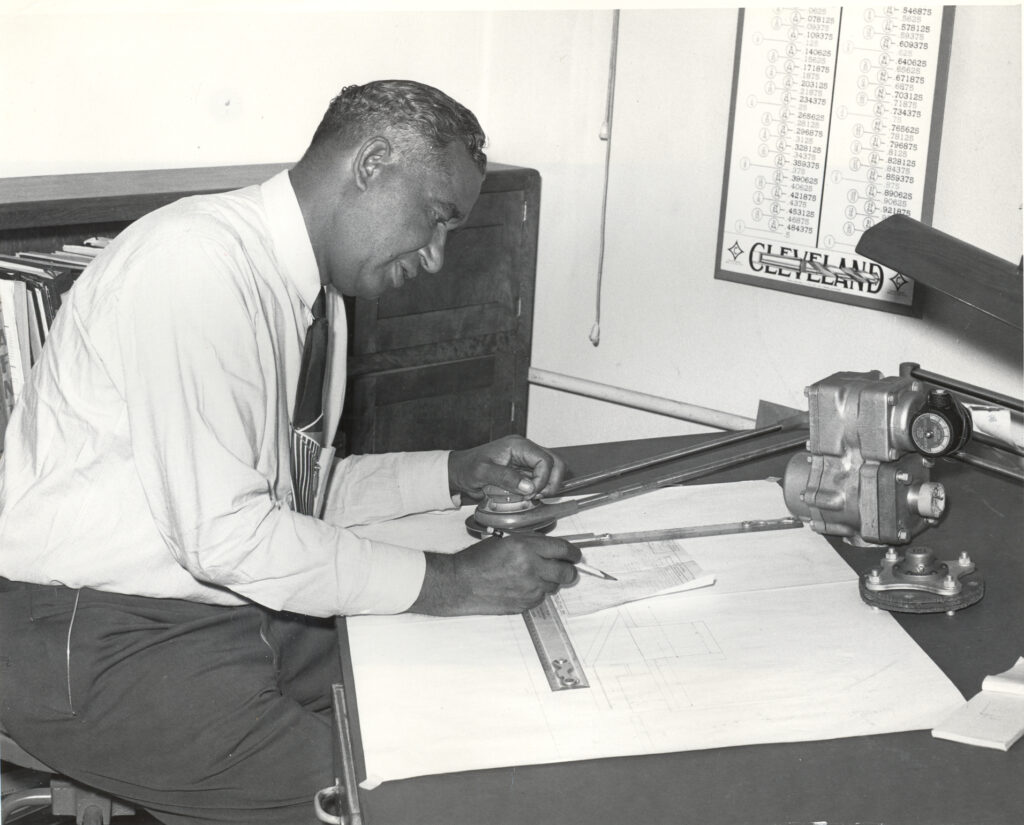
Frederick McKinley Jones revolutionized refrigeration by inventing a portable cooling system for trucks. His design allowed perishable goods to be transported long distances, transforming the food and medical industries. Jones held over 60 patents and was the first African American to receive the National Medal of Technology. His invention made fresh food more widely available and helped save lives through better medicine transport. His legacy keeps goods fresh around the world today.
Marie Van Brittan Brown
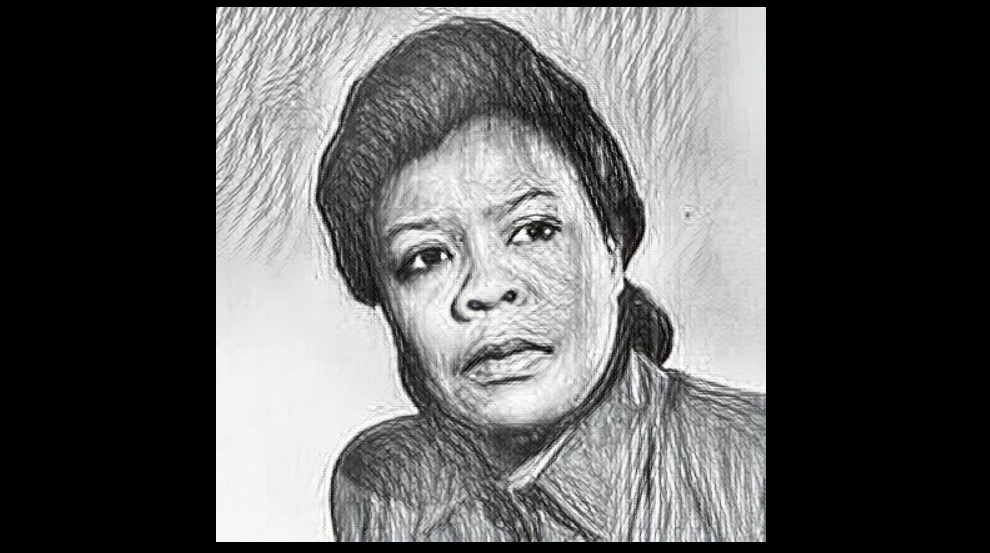
Marie Van Brittan Brown invented the first home security system with a camera that could monitor and record visitors. Her invention was developed in the 1960s and led to modern-day home surveillance technologies. Brown’s system also included a microphone and a button to call the police instantly. As a nurse who often worked late, she wanted to feel safe at home—and her solution helped millions do the same. Her story shows that safety innovation can start with personal needs.