Teaching children gratitude can feel daunting in a busy world, but small, intentional steps can make the process both natural and rewarding. Gratitude is not just about saying “thank you”; it is about cultivating an attitude of appreciation and kindness that carries through life. For parents, the challenge is finding ways to weave thankfulness into daily routines without making it feel forced. By using simple practices that fit naturally into family life, kids can learn to recognize blessings big and small.
Daily Gratitude Check-Ins
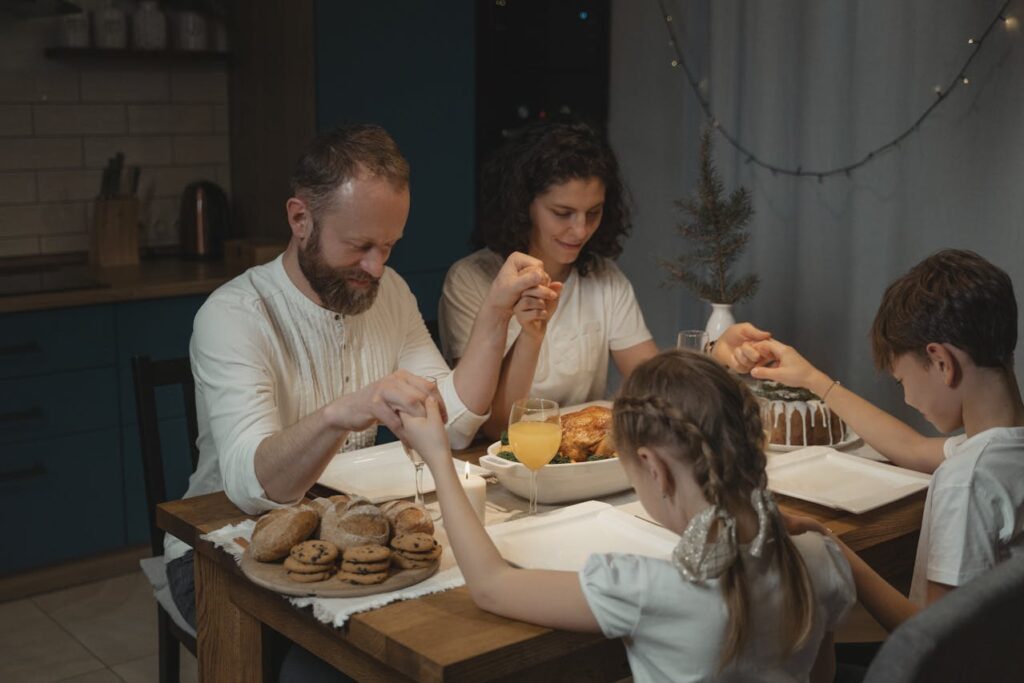
One of the simplest ways to teach gratitude is by encouraging kids to name one thing they are thankful for each day. This can be done at the dinner table, before bed, or during a family car ride. By making it a daily habit, children begin to see that gratitude does not require a special occasion, it is part of everyday life. These short check-ins teach kids to reflect on their experiences and identify moments that brought them joy. Over time, this practice helps children recognize the positive aspects of their lives more naturally.
Lead by Example

Children often learn more from what parents do than from what they are told. When parents openly express gratitude, whether for a meal, a kind gesture, or a simple family moment, children absorb this behavior. Saying “I’m so thankful we had time together today” models how gratitude can be genuine and specific. This consistent example teaches children that appreciation is not just polite, it is meaningful. Parents who lead with authenticity show that gratitude can be an integral part of daily life.
Encourage Acts of Kindness
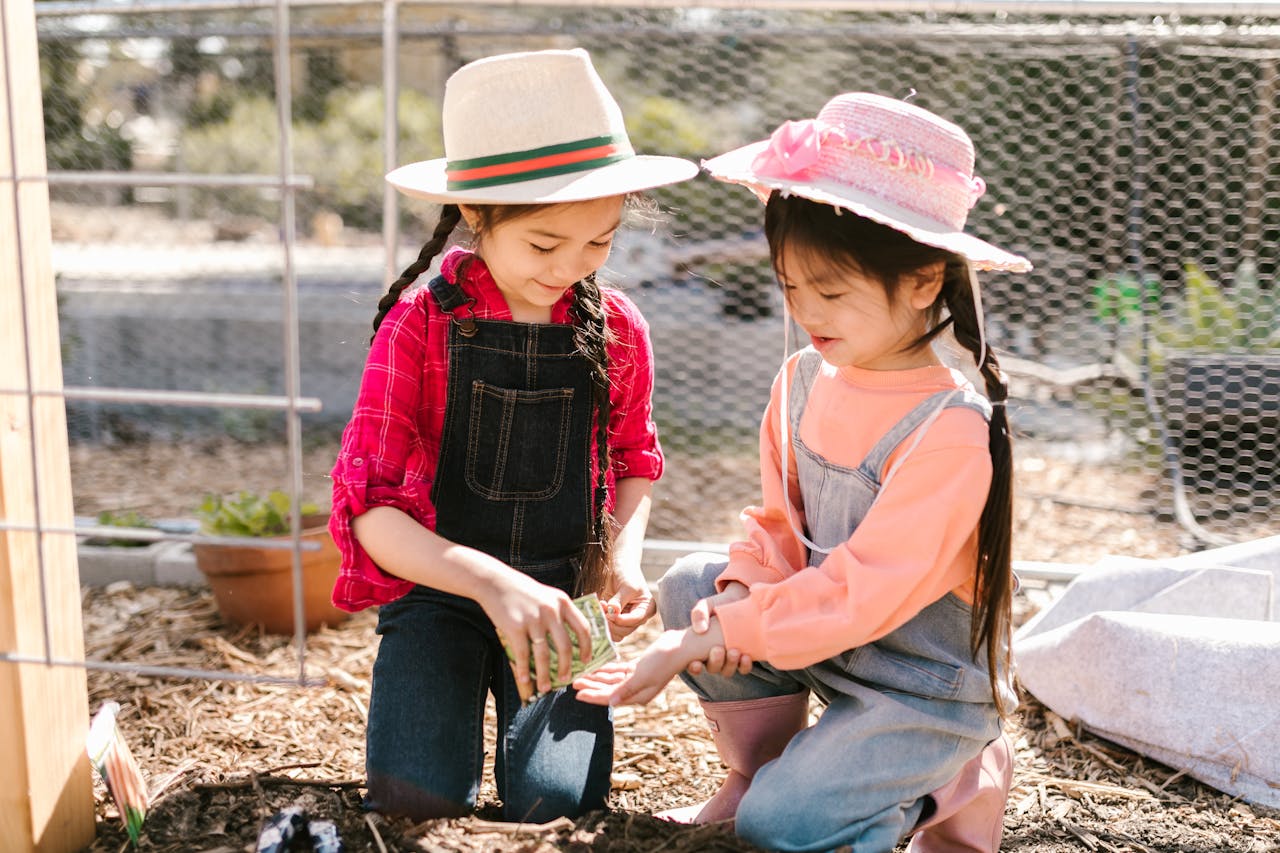
Small acts of kindness are an active way to teach children how gratitude extends beyond words. Helping a neighbor, sharing with a sibling, or writing thank-you notes all demonstrate appreciation through action. Parents can encourage these gestures by suggesting small tasks that bring joy to others. When children see the positive effects of their kindness, they naturally begin to appreciate the connections it creates. Gratitude then becomes a cycle of giving and receiving that strengthens relationships.
Create a Gratitude Journal

Keeping a gratitude journal helps children record moments they value and reflect on them later. Parents can provide notebooks where kids draw or write about things they are thankful for, whether it is a fun day with friends or a favorite meal. This practice allows children to revisit their entries and see a collection of positive memories. Journaling builds mindfulness and helps kids notice the good in their lives, even during challenging times. As they grow older, this habit can become a powerful tool for maintaining perspective and optimism.
Connect Gratitude to Nature
Nature provides endless opportunities for children to appreciate beauty and abundance. Families can take walks together, pointing out things like blooming flowers, birdsong, or colorful sunsets. Parents can encourage children to express gratitude for fresh air, clean water, and the natural world that sustains life. This practice helps kids develop a deeper respect for the environment while reinforcing the idea that gratitude is not limited to material things. Appreciating nature nurtures both mindfulness and stewardship in young hearts.
Use Storytelling and Books
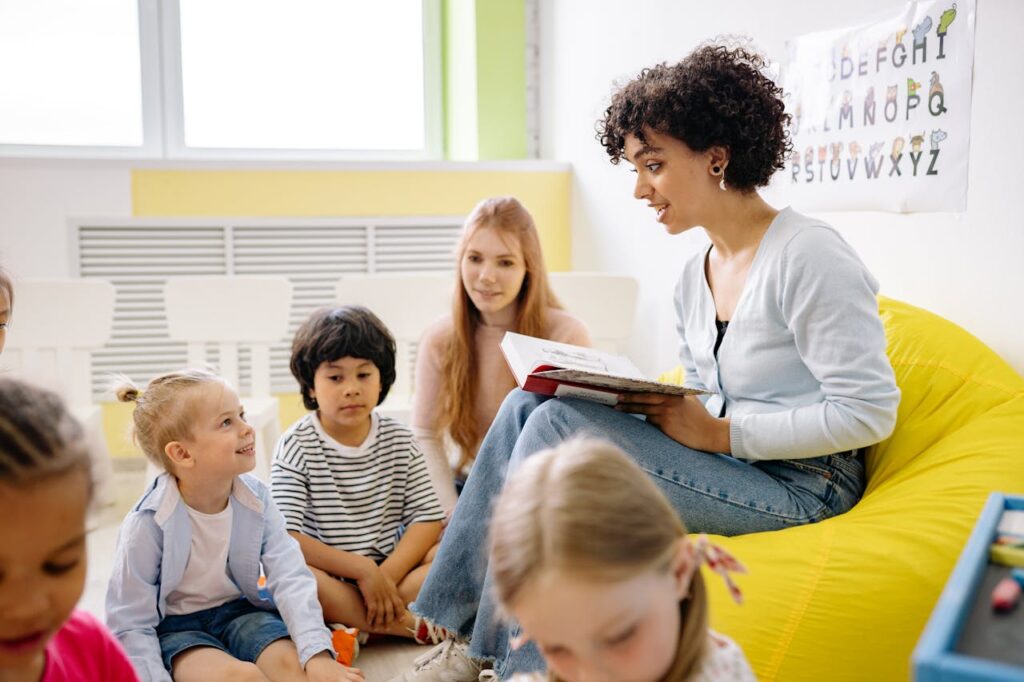
Stories are a powerful way to help children understand gratitude from different perspectives. Picture books or family stories about generosity, kindness, and appreciation can illustrate how others express thankfulness. Parents can pause during reading to ask children how they might feel in the same situation or what they would be grateful for. These conversations build empathy and connect gratitude to real-life scenarios. By weaving thankfulness into storytelling, children learn values in a way that feels natural and enjoyable.
Celebrate Effort, Not Just Results

Teaching children to appreciate their efforts rather than focusing only on outcomes helps them value the process. Parents can praise persistence and dedication, reminding kids that working hard is something to be proud of. This approach teaches children to be grateful for their abilities, opportunities, and the support they receive along the way. Recognizing effort also builds resilience, as children see challenges as opportunities rather than obstacles. Gratitude becomes tied to growth and learning instead of only success.
Practice Gratitude as a Family Tradition
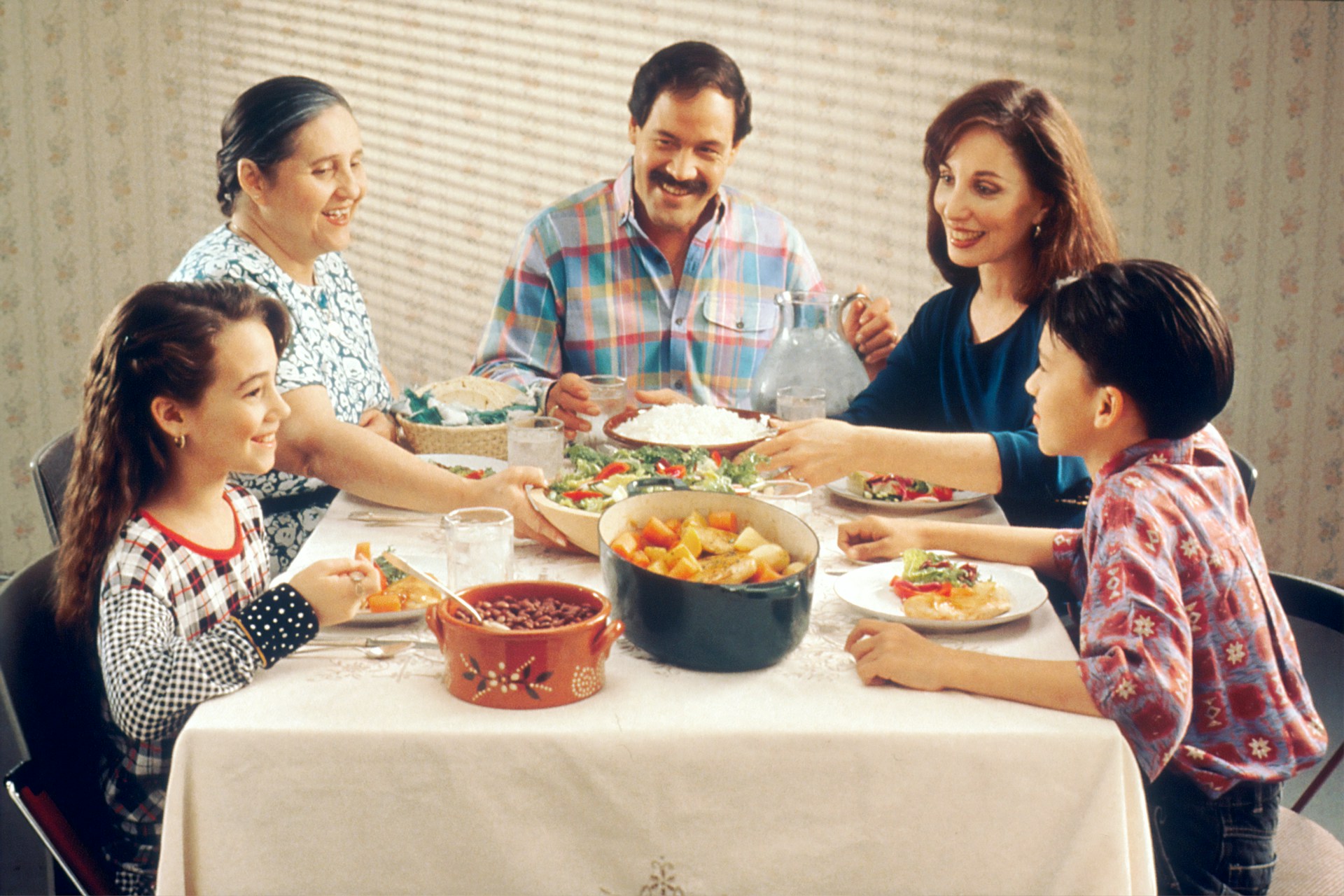
Making gratitude a family tradition creates shared moments that strengthen bonds. This can include rituals like sharing thankfulness around the dinner table on Sundays, creating gratitude jars where family members add notes, or hosting small acts of service together. These traditions show children that gratitude is not an individual practice but a collective value that unites families. Kids feel included and empowered when they participate in shaping these rituals. Over time, such traditions become treasured family memories built on appreciation.