Feelings can be big and confusing, especially for kids! When children learn to talk about their emotions openly at home, they build trust, resilience, and stronger bonds with their family. But it’s not always easy for little ones to put big feelings into words. These eight simple and fun ways can help create a safe space for your kids to express themselves and feel heard every single day.
1. Make Feelings Part of Daily Chat

Kids open up when talking about feelings is just a normal part of everyday life. During dinner or bedtime, ask questions like, “What made you happy today?” or “Was anything tricky for you today?” This shows them it’s okay to share both ups and downs. Keeping it casual and consistent helps feelings become less scary to name — and more natural to talk about together.
2. Use a Feelings Chart
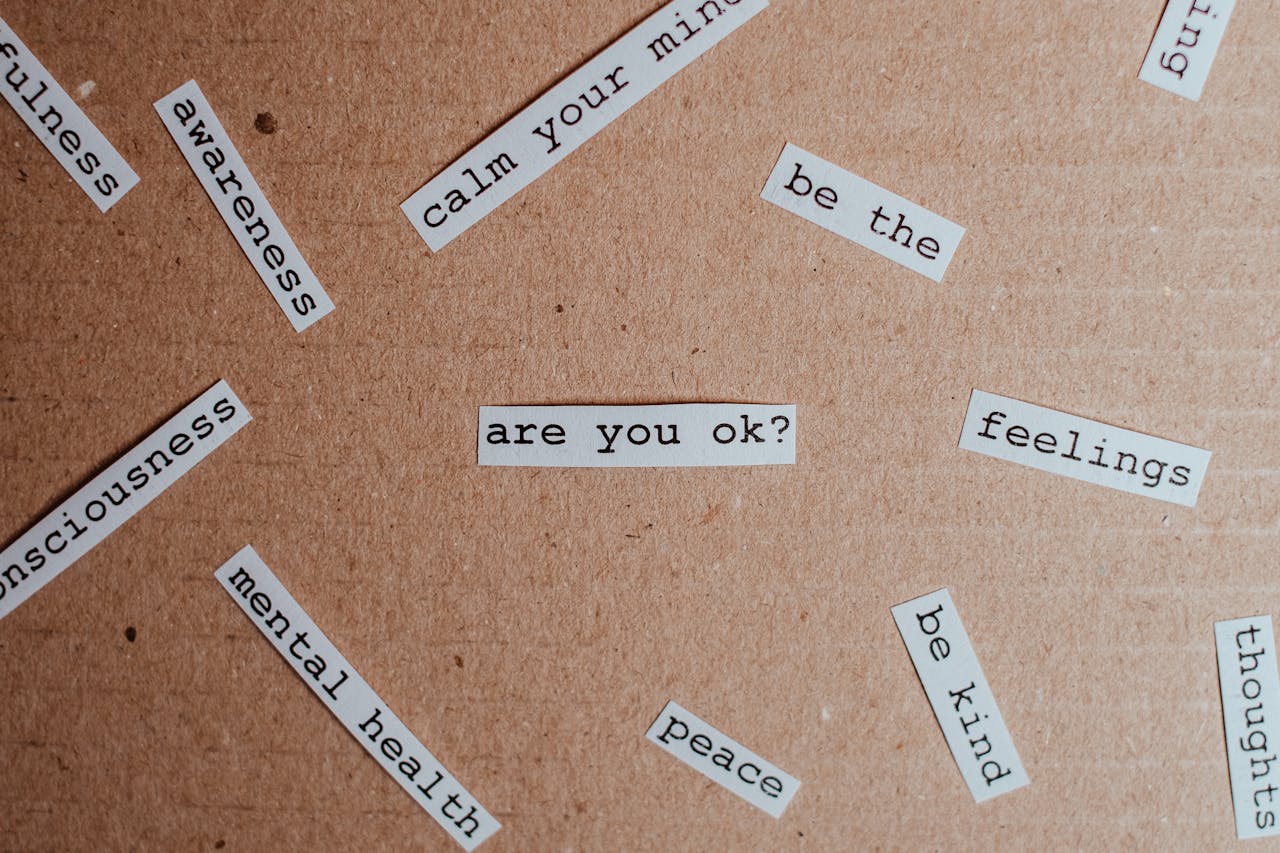
Sometimes kids don’t have the words yet, but they can point! Hang a colorful feelings chart or emotion wheel on the fridge or wall. Ask them to pick a face that matches their mood. It’s a great visual tool that makes feelings less abstract. Over time, they’ll learn to connect the faces with words and grow more confident naming what’s in their hearts.
3. Tell Stories About Your Feelings

One of the best ways to teach kids to share is to model it yourself. Talk about your day — the good, the bad, and the silly. “I felt proud when I finished my project” or “I felt sad when it rained.” When kids hear grown-ups name their emotions, they learn that feelings are normal and worth sharing. Plus, it builds trust and shows them you’re human, too.
4. Draw It Out

Not every child wants to talk — but many love to draw! Keep paper, crayons, or a whiteboard handy and invite them to draw how they feel. Ask them about their picture gently. You’ll be amazed at what they reveal through colors, shapes, and scenes. Art gives them a safe way to express what they might not have the words for yet — and you get a peek into their inner world.
5. Play Feelings Games

Turn emotional expression into playtime! Try charades with feelings instead of movie titles: act out “excited,” “nervous,” or “proud” and have everyone guess. Or use dolls and stuffed animals to role-play different emotions and scenarios. Games like these help kids practice recognizing and naming feelings in a fun, pressure-free way that doesn’t feel like a lecture.
6. Create a Feelings Journal

For older kids, a simple notebook can become a powerful tool. Encourage them to write or doodle their thoughts and feelings every day or when something big happens. You can offer to read it together — but only if they’re comfortable. This gives kids space to reflect, process, and find words for emotions that can feel overwhelming when stuck inside.
7. Celebrate Honest Sharing

When your child does open up, celebrate it! No matter how small or big the feeling, thank them for trusting you with their heart. Avoid dismissing or jumping straight to “fixing” — just listen, nod, and hug if they want one. This positive reinforcement builds a safe emotional space where they know they can always come to you when feelings get big.
8. Read Books About Feelings
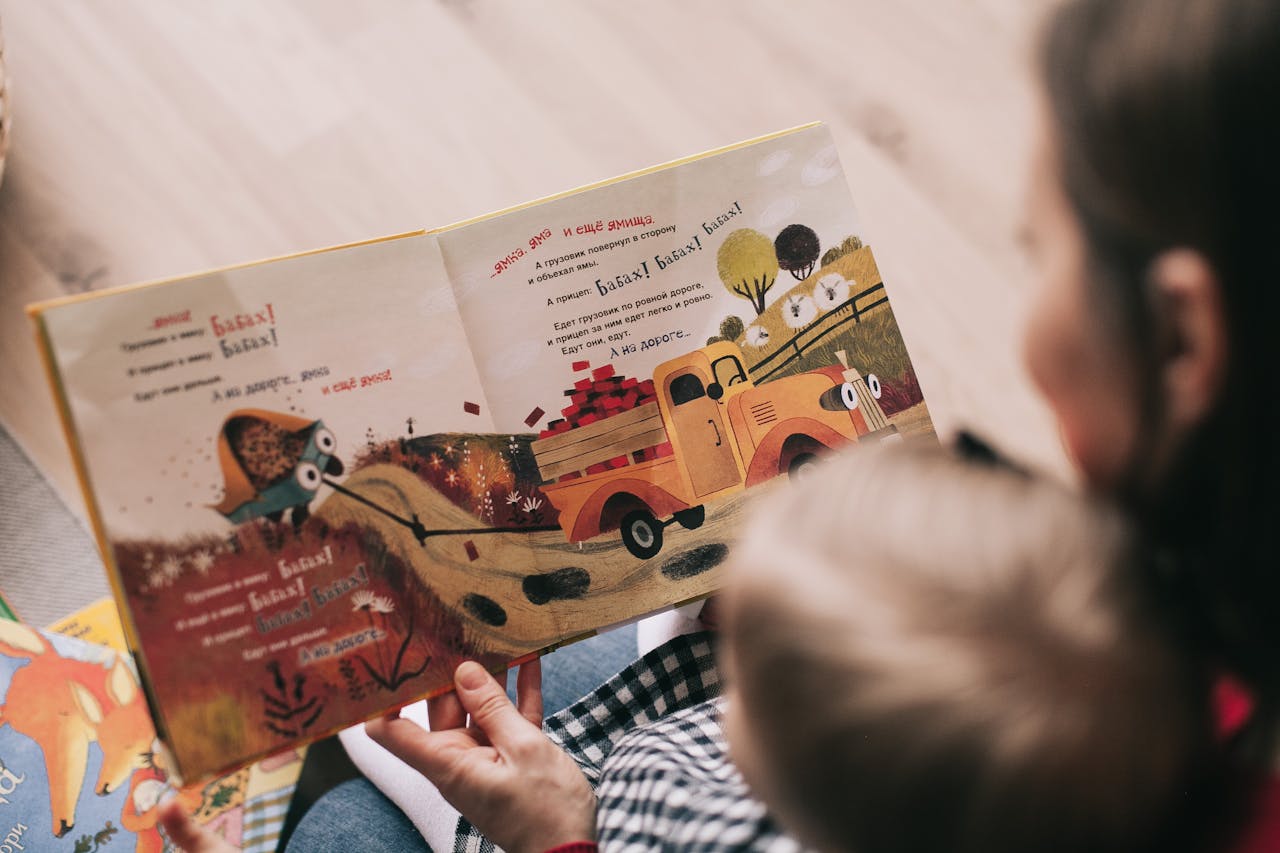
Kids love stories — so use them to spark conversations! Read picture books that talk about emotions, like being scared, angry, or proud. Pause and ask, “Have you ever felt that way?” or “What would you do?” Books make feelings relatable and help children see that everyone experiences tough emotions — and that talking about them can help them feel less alone.