Teaching kids about kindness isn’t just about encouraging good manners—it’s about raising compassionate humans who understand empathy, respect, and the value of treating others well. While some children may naturally show kindness, it’s a trait that grows stronger with guidance, consistency, and example. Parents play a vital role in nurturing this behavior by making it part of everyday life. Here are eight effective ways to help your kids understand and live out true kindness.
Model Kindness in Your Daily Life

Children learn best by watching what their parents do. If they see you helping neighbors, speaking kindly to strangers, or showing patience in tough moments, they’re more likely to mirror that behavior. Use small moments—like thanking a cashier or holding a door open—to show what kindness looks like in action. Talk about your actions afterward so your kids can connect the dots. The more kindness they witness from you, the more natural it becomes for them.
Praise Kind Acts When You See Them
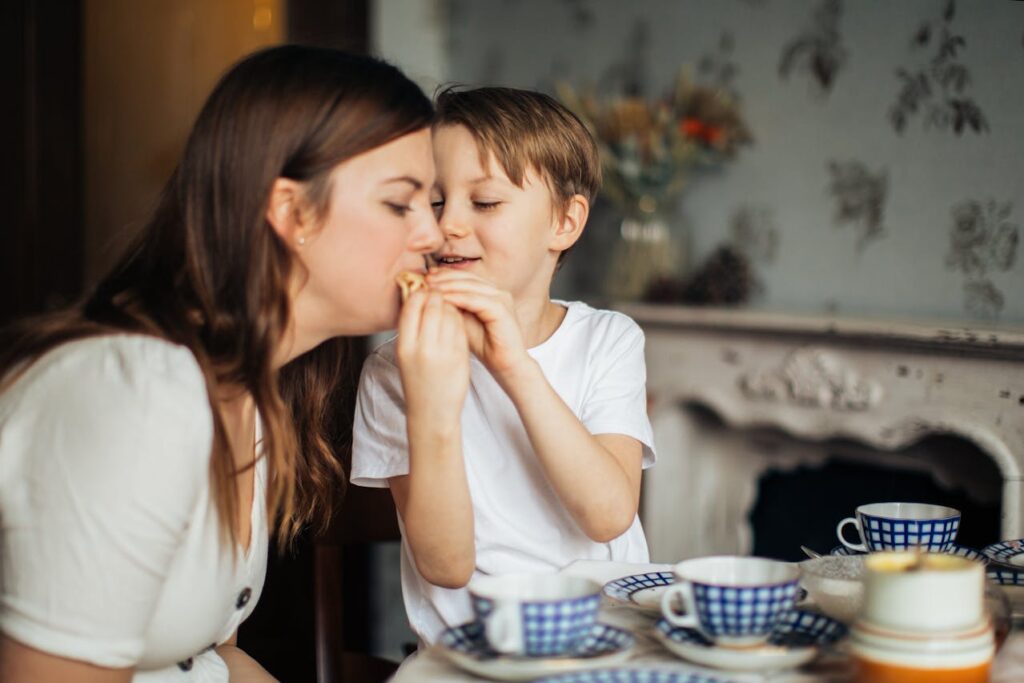
When your child shares a toy, comforts a friend, or helps a sibling, acknowledge it. Positive reinforcement helps children recognize the value of their kind behavior. Instead of general praise, be specific: say things like, “That was thoughtful of you to help your sister with her backpack.” This helps them understand what kindness looks like and feel proud of their efforts. Celebrating these moments encourages them to repeat the behavior.
Read Books That Highlight Kindness

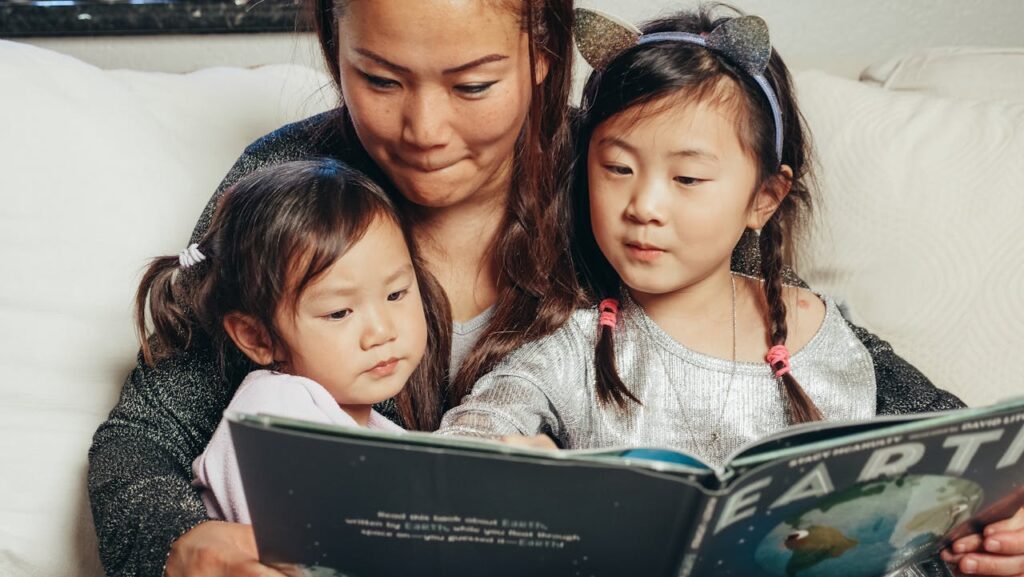
Children’s books are powerful tools for teaching big lessons in a simple way. Look for stories where characters show compassion, stand up for others, or offer help without expecting anything in return. After reading, ask your child how the story made them feel and what they would’ve done in the same situation. These discussions help kids absorb the message and relate it to their own lives. The more they see kindness in stories, the more they’ll want to reflect it.
Practice Empathy Through Role Play
Use pretend play to help your child understand different perspectives. Ask questions like, “How do you think they felt when that happened?” or “What could you say to help someone who’s sad?” These scenarios help kids develop empathy, which is the foundation of kindness. Role-playing teaches them to pause, think about others, and respond with care. The more you practice, the better they’ll become at showing compassion in real life.
Volunteer as a Family

Getting involved in service activities helps kids see kindness in action beyond their own home. Whether it’s donating toys, packing food bags, or writing cards for seniors, volunteering teaches kids that even small acts can make a big difference. When kids actively help others, they begin to understand the joy of giving and the impact of empathy. Make it a regular habit, not just a one-time event. It plants seeds of generosity that can last a lifetime.
Encourage Gratitude Daily

Kindness and gratitude often go hand in hand. Help your child focus on the good in their life by talking about what they’re thankful for each day. This helps them develop a positive mindset and makes them more likely to treat others with appreciation. You can keep a family gratitude journal or share thankful thoughts at dinner. The more they feel grateful, the more they’ll want to spread that feeling to others.
Correct Unkind Behavior Calmly

When your child is unkind—whether through words or actions—it’s important to address it without shame. Explain why the behavior was hurtful and encourage them to think about how the other person felt. Help them come up with ways to make it right, like offering an apology or a kind gesture. This not only teaches accountability but also reinforces that kindness is a choice. Keep your tone calm and focus on teaching, not punishing.
Celebrate Diversity and Inclusion

Teaching your child to be kind means helping them respect and appreciate differences. Talk openly about other cultures, abilities, and backgrounds so they learn that everyone deserves kindness. Watch shows, read books, and attend events that expose them to a wide range of experiences. When kids grow up seeing diversity as something beautiful, they’re more likely to treat everyone with dignity. Encouraging curiosity over judgment is a key step in raising kind, inclusive children.