Travel changes over time—not just because of new destinations, but because once-loved vacation spots lose their popularity, fall into ruin, or are transformed. Many of these vintage places carried strong cultural significance, style, and memories, but today they are largely gone or only shadows of their former selves. Here are eight such spots, and what led to their decline or disappearance.
Grossinger’s Catskill Resort, Liberty, New York
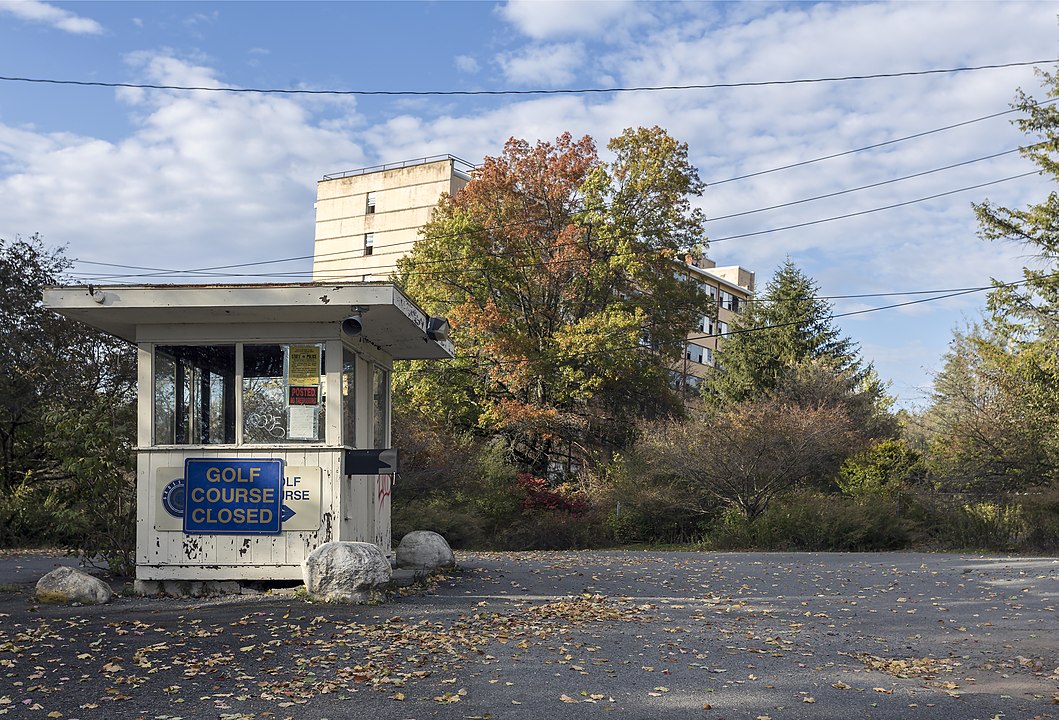
Grossinger’s was part of the famous Borscht Belt resorts in upstate New York, thriving in the 1950s and ’60s as a cultural hub for Jewish-Americans. It combined luxury accommodations, entertainment, swimming pools, fine dining, theater, and a glamorous social life. Over time, economic challenges, changing travel preferences (especially air travel and vacations further afield), social changes after the Civil Rights era, and competition eroded its appeal. The property fell into decline; many of its facilities are abandoned or demolished. Once a place of bright gardens, lavish balls, and busy entertainment schedules, today much of it is derelict.
Salton Sea, California (“Salton Riviera”)
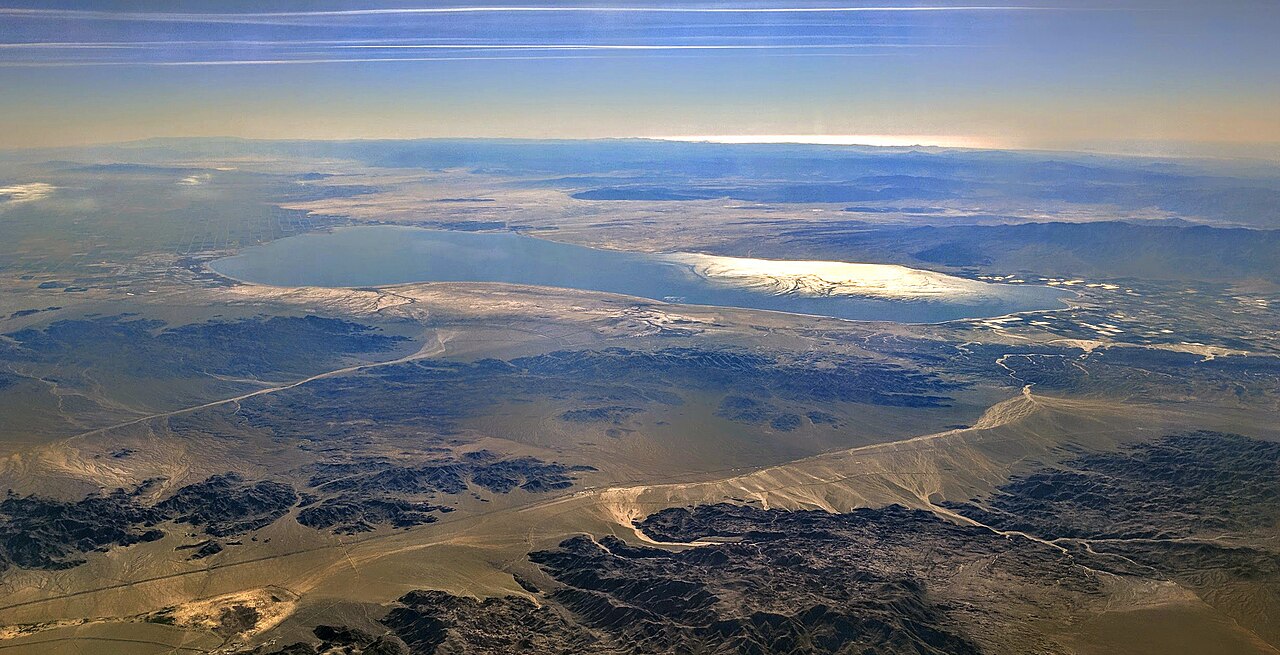
In the 1950s and ’60s, the area around the Salton Sea was promoted as a glamorous desert getaway, with resorts, cabins, and water recreation drawing Hollywood and vacationers. It was seen as potentially the next Palm Springs with boating, fishing, and desert charm. Over time environmental problems—rising salinity, pollution, receding shoreline—and neglect turned it into something very different. Many of the resorts closed or were abandoned, the glamour drained away, and much of the infrastructure is now deteriorated.
Bay Shore Beach, Hampton, Virginia
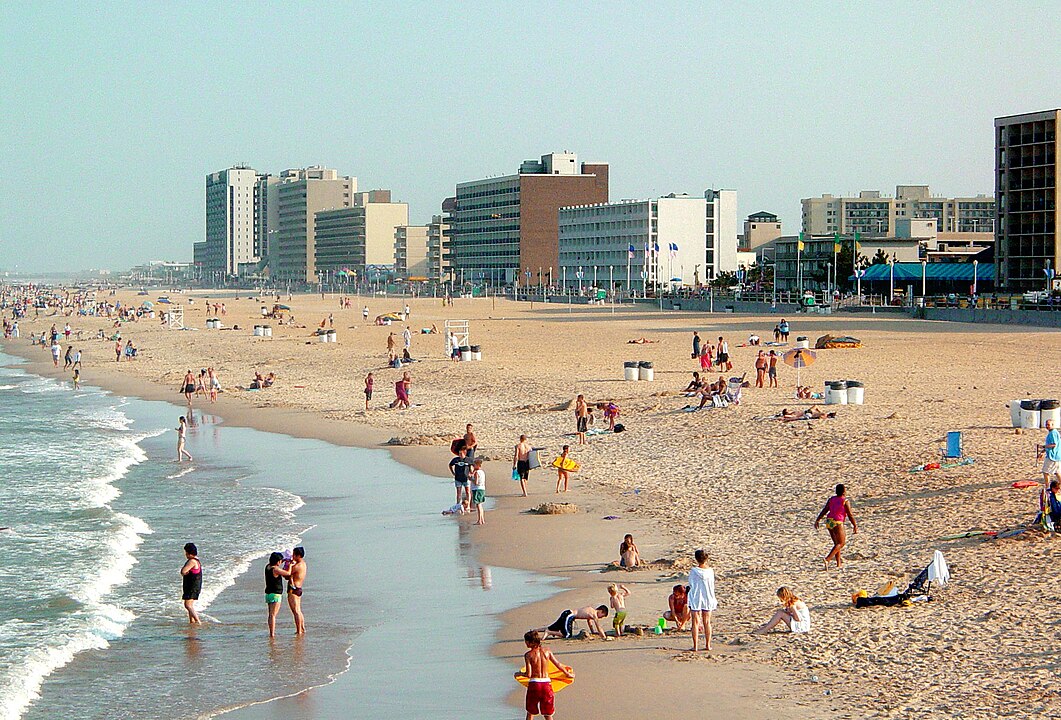
Bay Shore Beach was a beloved beach resort and amusement area, especially for African-American families during segregation and beyond. It had hotels, restaurants, entertainment, and beach recreation, offering leisure opportunities that were otherwise restricted. A hurricane in 1933 significantly damaged parts of it, and over time rebuilding was partial; tourist investment and facilities dwindled. The beach remains but much of its former grandeur—amusement park, hustle, and the full suite of guest amenities—has faded.
Mount Airy Lodge, Poconos, Pennsylvania
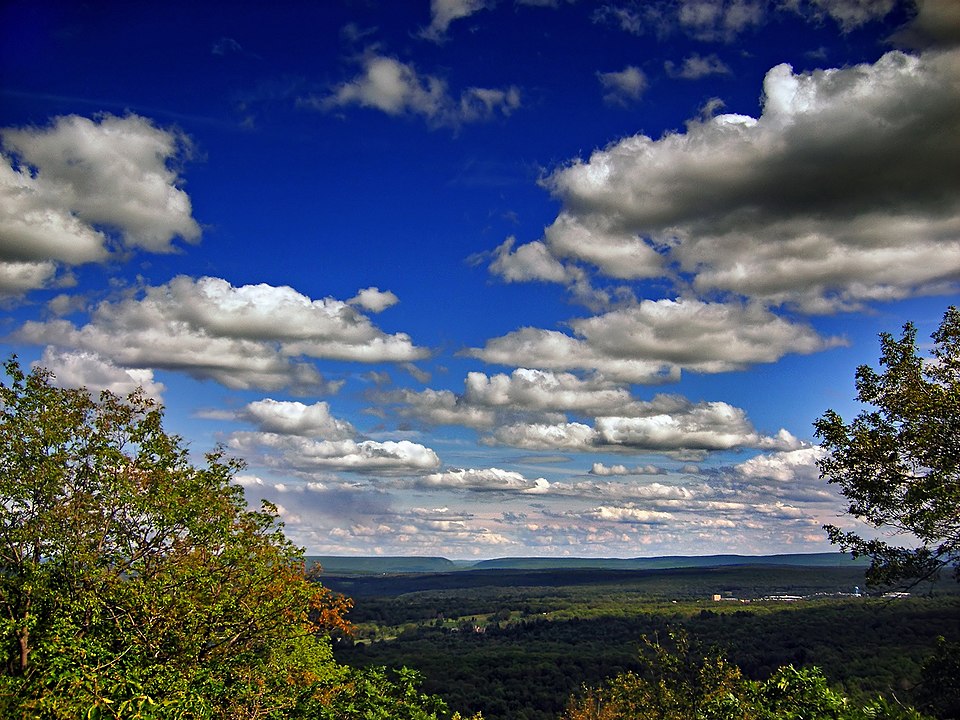
Once a premier honeymoon and vacation resort in the mid-20th century, Mount Airy Lodge boasted ~890 rooms, indoor/outdoor pools, skiing, snowmobiling, and entertainment halls hosting top performers. Its “luxury romantic escape” status made it a hotspot in the 1960s and 70s. Eventually financial troubles, changing tastes, and competition (including global travel, air travel, new resorts) caused decline. It closed and was demolished; today, the site houses a casino resort with little of the original resort’s character preserved.
Monson’s Hoist Bay Resort, Minnesota
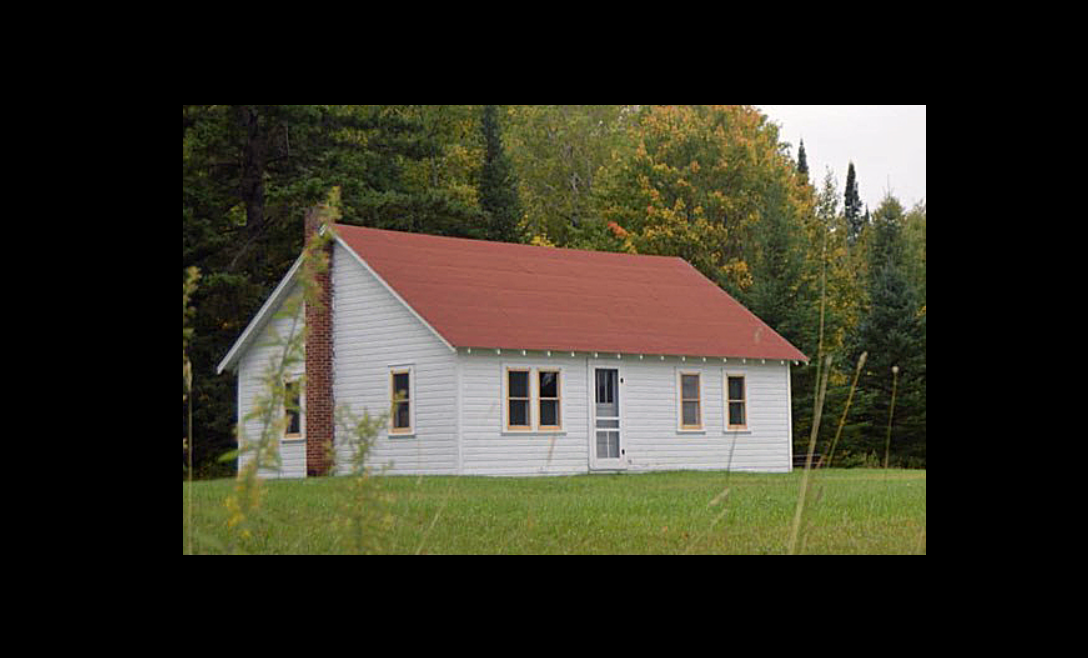
Monson’s Hoist Bay was a family-owned summer resort on a remote lake, accessible only by water. It operated from 1939 through the 60s and early 70s, offering cottages, boathouse, swimming, fishing, and rustic charm. Its appeal was precisely that: remote natural beauty and simplicity. After 1973 the business closed; while the historic buildings remain and are recognized, the full resort experience is no longer operational.
Brightwood Beach Resort, Minnesota
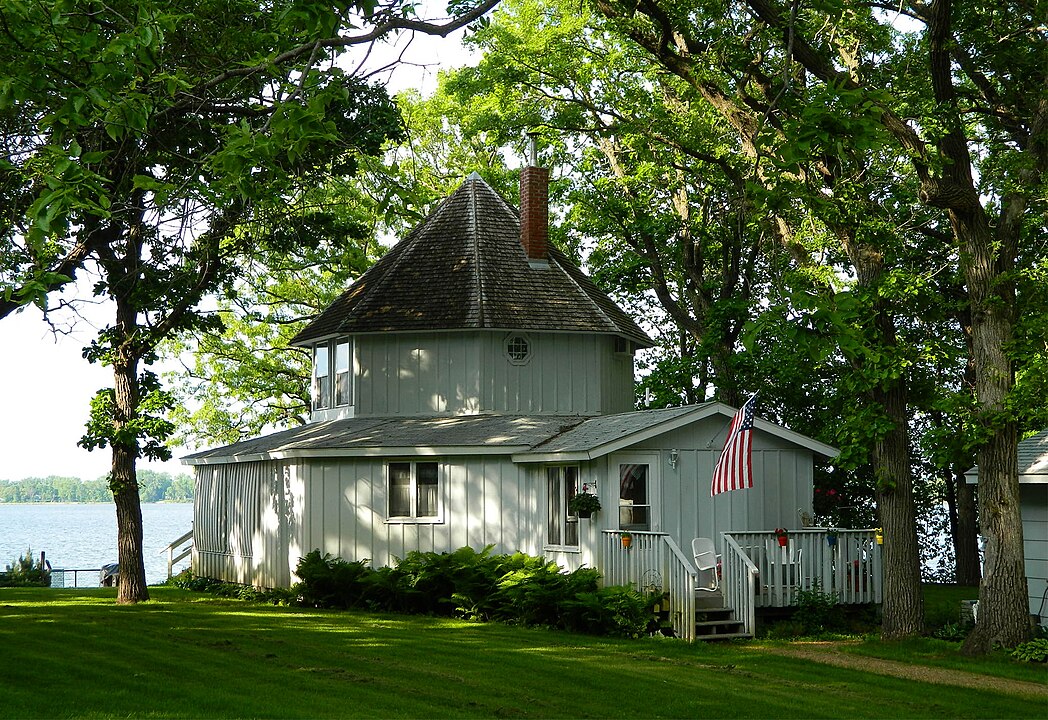
Historically, Brightwood Beach offered lakefront appeals, steamboat excursions, concerts, dancing, and the kind of social entertainments that were central to vacations in the early 20th century. It catered to people who travelled by train or steamboat, had ample communal entertainment, and often dressed up for public events. Over time, economic distress (such as the Panic of 1893) and competition from newer, more accessible resorts made it less viable; it closed after only a few years at its height, and though its cottage remains now mark historic interest, the resort itself does not function.
The Borscht Belt (Collective area of Catskill Resorts)
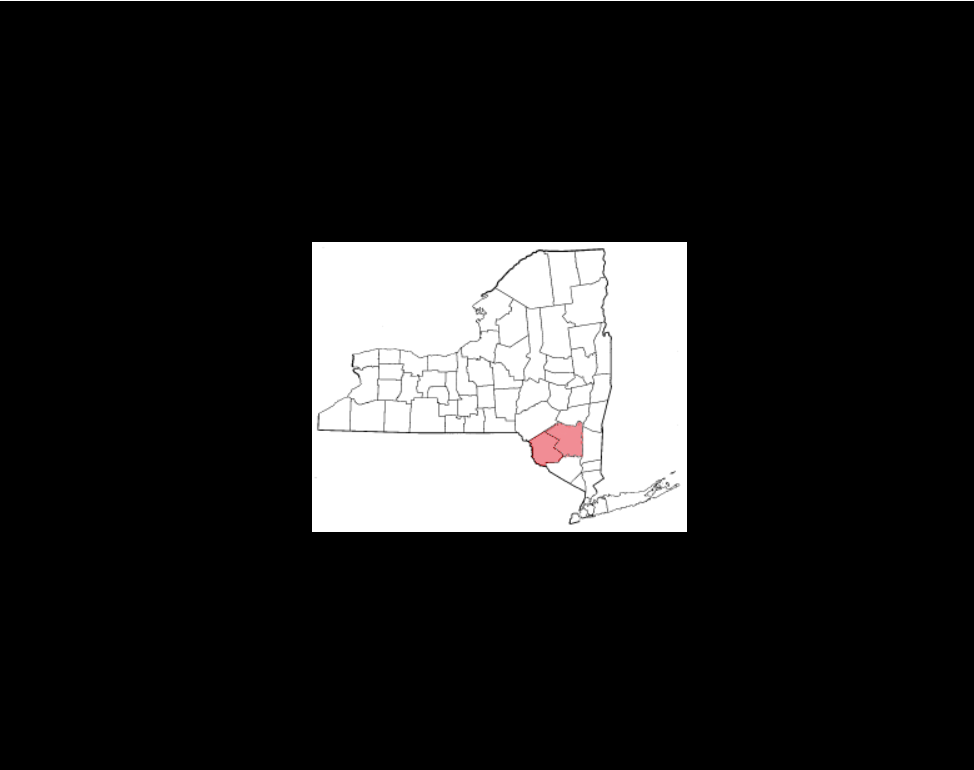
Beyond Grossinger’s, the broader Catskills region was once packed with resorts, bungalow colonies, and hotels for summer vacations among certain communities. They were cultural, social, and entertainment centers, with live performances, communal meals, dance halls. As preferences changed—air travel, hotels in tropical climates, different leisure styles—the region declined. Many resorts have been abandoned or repurposed; the social networks that made them special have dispersed.
Coco Palms Resort, Kauaʻi, Hawaii
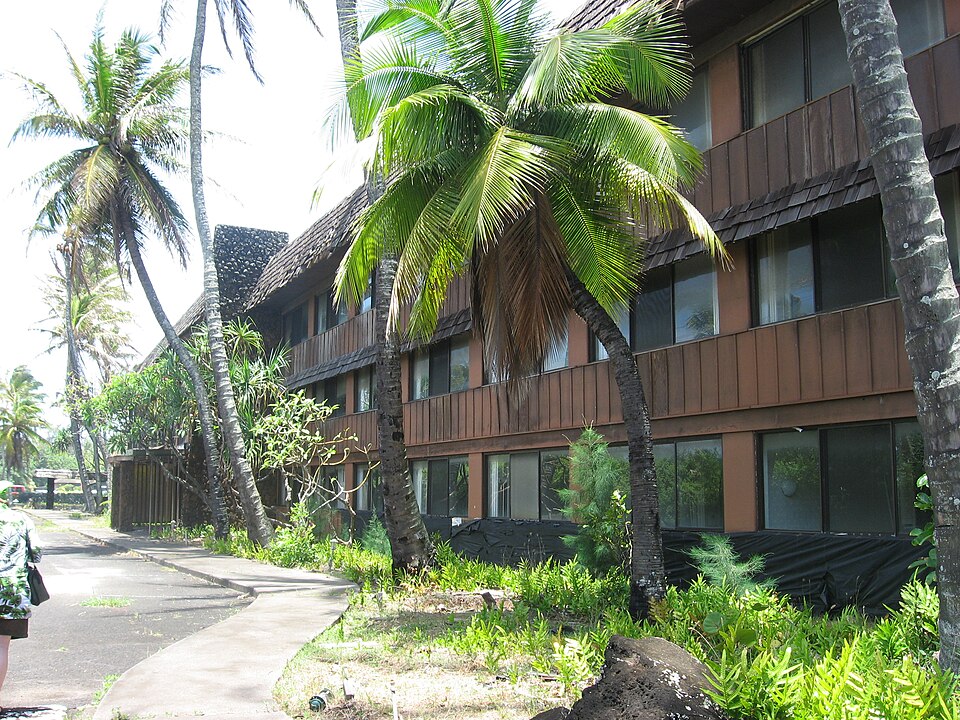
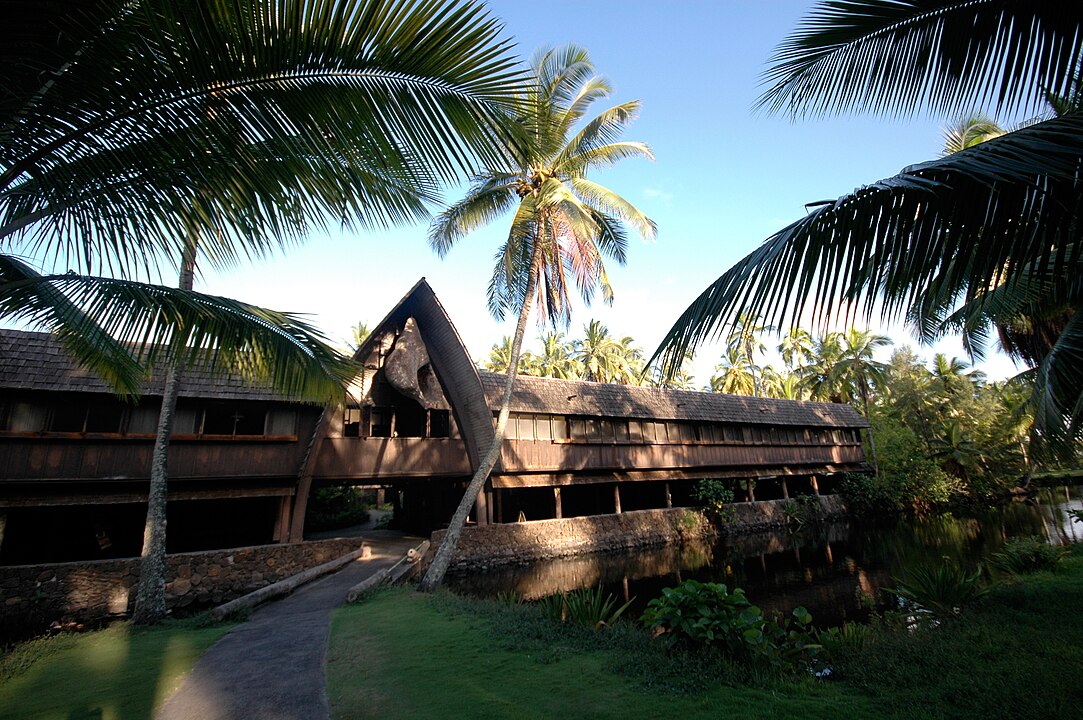
Opened in the mid-1950s, Coco Palms became iconic for its lush tropical setting, weddings, Hawaiian charm, and appearances in films. It was one of the first high-profile luxury resorts in Hawaii, riding the post-war boom in travel. After repeated hurricanes and destruction, the resort has remained abandoned for long stretches; its facilities have deteriorated significantly, and though there are redevelopment plans, its former beauty and prominence are largely lost.