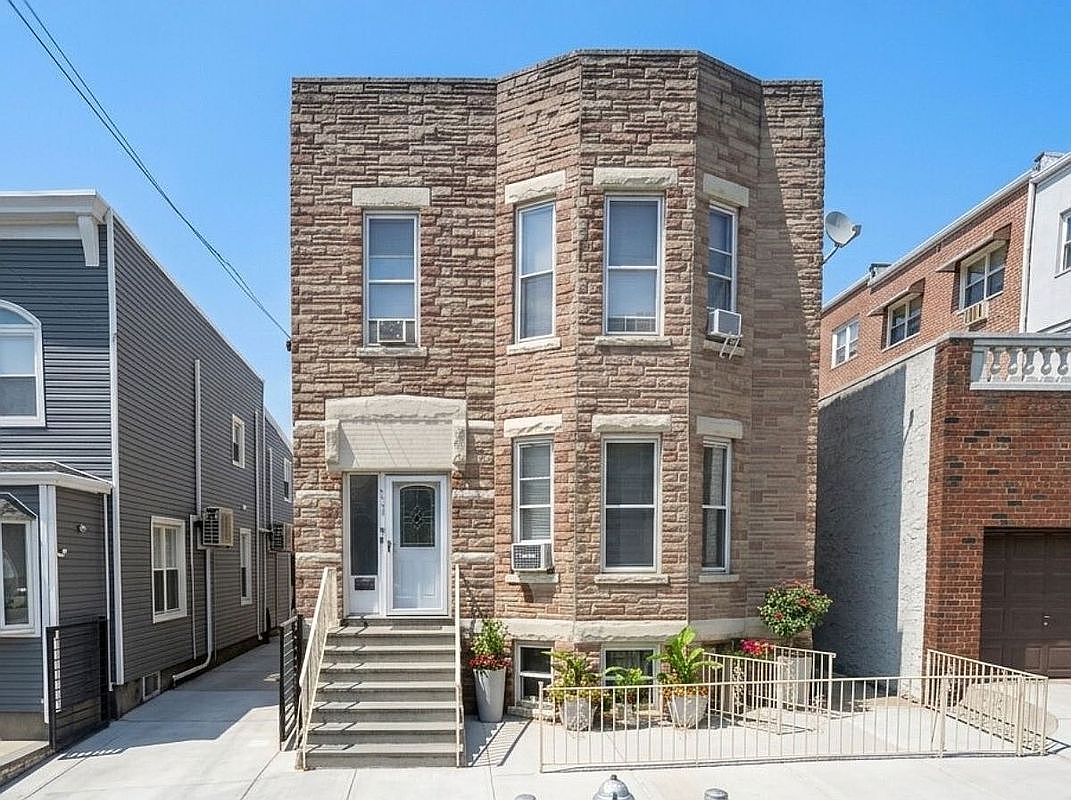

The 1980s housing market looked very different from today’s tightly regulated real estate landscape. Back then, buying a home often involved far fewer restrictions, lighter oversight, and looser lending practices. While some of these freedoms made homeownership more accessible, others left buyers vulnerable or perpetuated inequalities that society has since worked to correct. Looking back, many once-common practices would now be illegal, restricted, or heavily regulated, showing how much the housing market has changed over the past four decades.
Taking Out a Loan Without Proving Income

In the 1980s, some lenders offered “stated income” loans, where borrowers could simply declare their income without extensive proof. While this made the process faster, it also created room for abuse and risky lending. Today, strict federal regulations require verified proof of income and employment before approving a mortgage. Allowing buyers to secure large loans without documentation would be considered reckless and illegal in the current housing market.
Discriminatory Lending Practices

Mortgage lending in the 1980s still reflected practices that discriminated against minority homebuyers. Redlining and bias often denied loans or raised interest rates for certain groups. Since then, laws such as the Fair Housing Amendments Act of 1988 and enforcement of the Equal Credit Opportunity Act have made discrimination illegal. Modern lenders face severe penalties for biased practices that were once common in the 80s.
Skipping Environmental and Safety Disclosures

In the 1980s, sellers weren’t required to disclose hazards such as asbestos, lead paint, or radon. Buyers often moved into homes without knowing about potential health risks. Today, federal and state laws mandate detailed disclosures, ensuring that buyers are aware of environmental dangers. Failure to disclose these risks can result in lawsuits and financial penalties for sellers, making transparency a legal requirement.
Balloon Payment Mortgages Without Clear Disclosure

The 1980s saw widespread use of balloon mortgages, where buyers paid low monthly amounts but faced a massive lump-sum payment at the end of the term. Many buyers didn’t fully understand the risks, leading to financial hardship. Today, strict truth-in-lending laws require lenders to clearly explain loan terms, and balloon payment loans are heavily regulated. What was once standard practice is now restricted to protect consumers.
Inflated Appraisals to Push Sales

Appraisal fraud was easier to pull off in the 1980s, as oversight was minimal and appraisers often had close ties to real estate agents. Some homes were deliberately overvalued to push sales and secure larger loans. Today, federal laws require appraisers to be independent and objective, with standardized training and licensing. Inflated appraisals would be considered mortgage fraud, carrying serious legal consequences.
No Protections Against Predatory Lending

The 1980s mortgage market lacked many of the safeguards that exist today to protect borrowers from predatory practices. Adjustable-rate mortgages with hidden fees, excessive penalties, and deceptive terms were pushed on buyers. After the 2008 financial crisis, laws like the Dodd-Frank Act were implemented to regulate lending more strictly. Practices once common in the 80s would now result in lawsuits and criminal charges.
Using Discriminatory Advertising in Real Estate

Real estate advertising in the 1980s often reflected exclusionary language, such as describing neighborhoods in terms of race or religion. While it was rarely challenged then, today it would be a clear violation of the Fair Housing Act. Agents and sellers now face steep penalties for discriminatory language in marketing materials. This legal change reflects a broader societal shift toward inclusion and fairness in housing.
Overlooking Zoning and Building Codes

In the 80s, enforcement of zoning and building codes was often more relaxed, and some buyers could make renovations or convert spaces without strict oversight. Today, homeowners must follow rigorous codes for safety, energy efficiency, and community planning. Skipping permits or ignoring zoning laws can now lead to fines, lawsuits, or forced demolition of unauthorized work. What was once overlooked is now closely monitored.