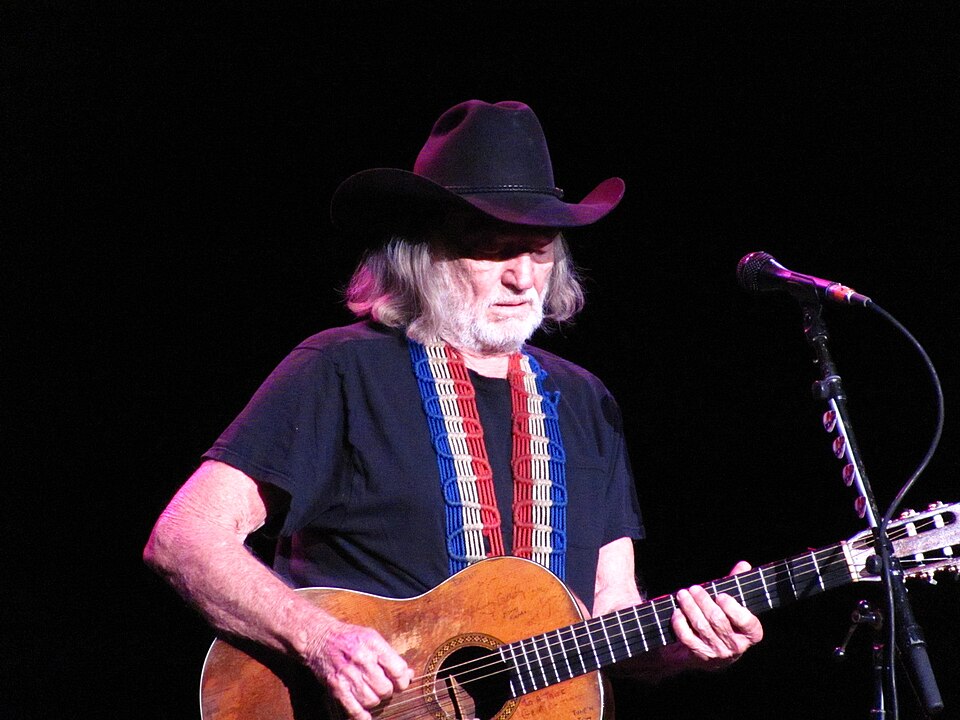
Willie Nelson stands as one of the most influential and recognizable figures in American music, yet much of his long and winding journey remains unknown to casual fans. His career spans decades of evolution—through songwriting struggles, groundbreaking collaborations, personal reinventions, and activism that shaped both music and American culture. While many know him for his distinct voice, braided hair, and outlaw-country image, the full story of Willie Nelson reveals a far more complex creative force. His career is filled with unexpected turns, innovative decisions, and little-known achievements that contribute to his legendary status. These surprising details shed new light on how Nelson became one of the most beloved artists in the country music world.
He Wrote Some of Country’s Biggest Hits Before He Became Famous
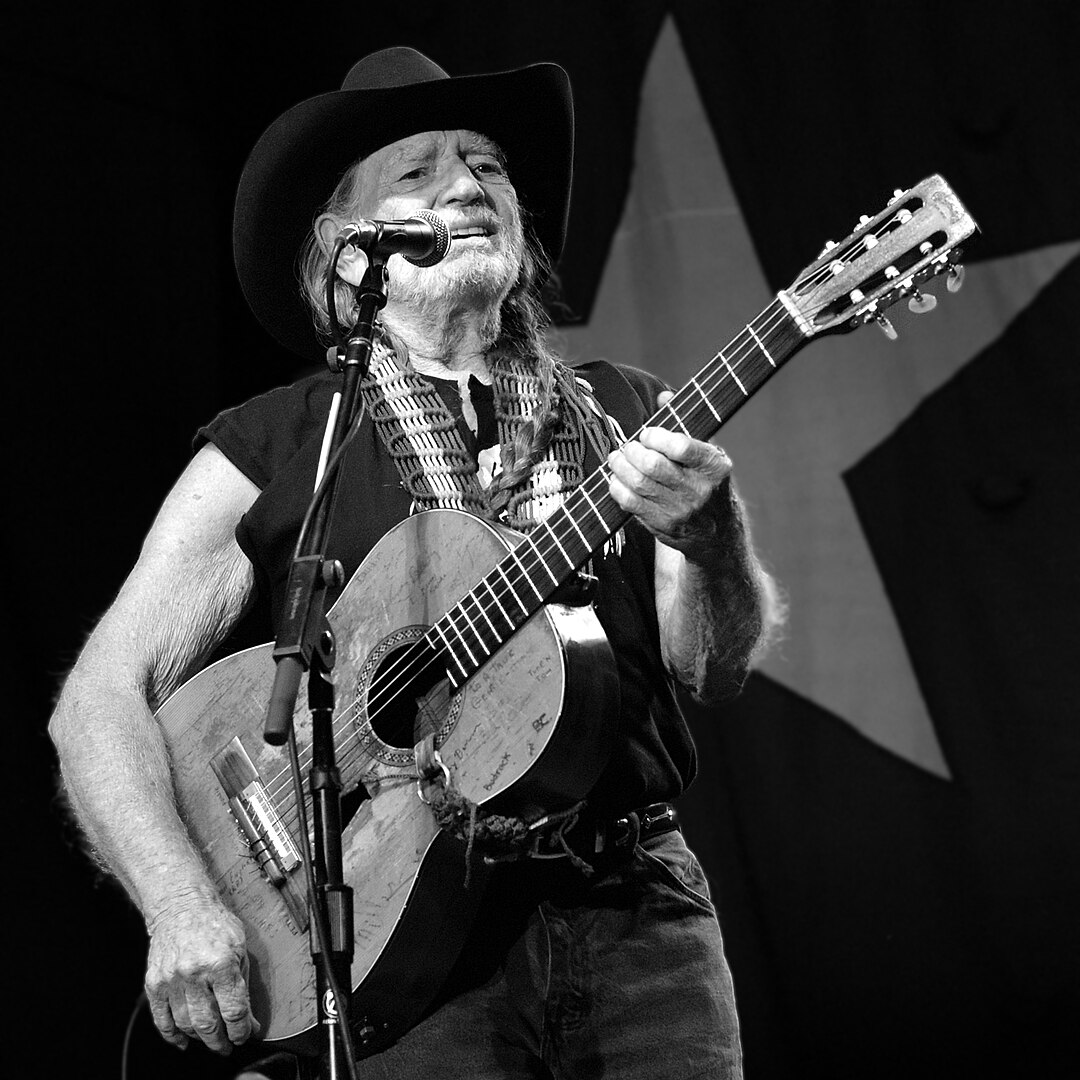
Before Willie Nelson found fame as a performer, he earned respect as a behind-the-scenes songwriter. During the early 1960s, he penned several hits that would become country music standards, including “Crazy,” which Patsy Cline turned into one of the most iconic recordings of all time. He also wrote “Night Life,” “Pretty Paper,” and “Hello Walls,” songs that climbed the charts through other artists’ voices. Nelson’s songwriting ability helped establish his name even before he stepped fully into the spotlight. His success behind the scenes showed the depth of his talent long before the public recognized his signature sound.
His Unique Singing Style Was Considered “Wrong” by Early Producers
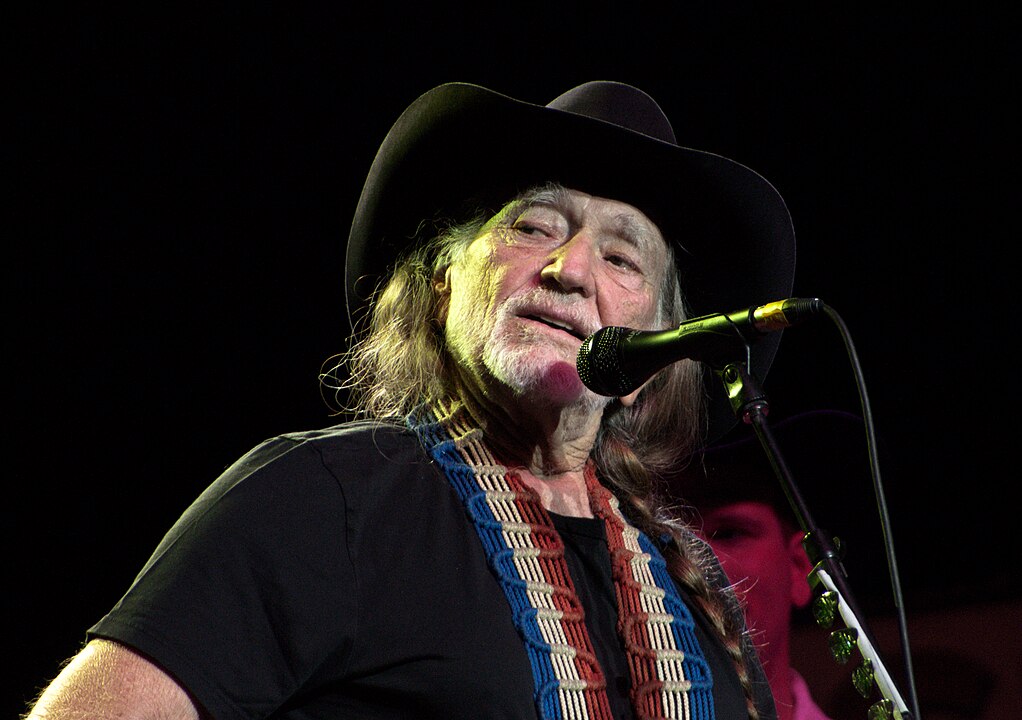
Willie Nelson’s distinctive vocal phrasing, often compared to jazz-like timing, did not align with mainstream country expectations during his early career. Many producers thought his delivery sounded offbeat, and they pushed him to conform to traditional country rhythms. Nelson resisted these pressures, preferring a natural, conversational tone that matched his songwriting. This dedication to authenticity eventually became one of the defining features of his music. Over time, his vocal approach influenced countless artists who admired his willingness to challenge conventions.
He Reinvented Himself by Leaving Nashville for Texas
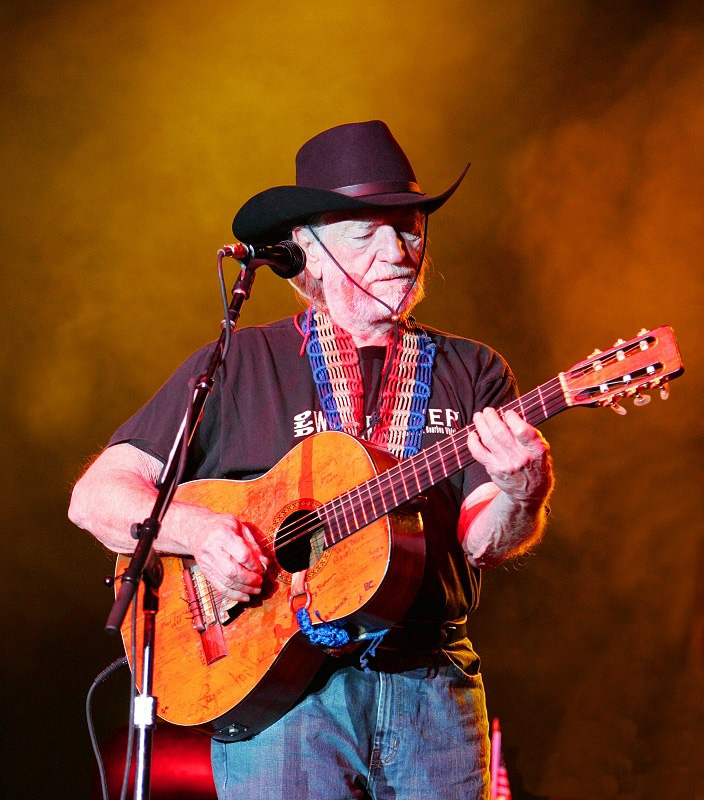
In the 1970s, Nelson reached a pivotal moment when he chose to leave Nashville after years of creative frustration. Moving to Austin, Texas, he found a vibrant musical scene that welcomed experimentation and blurred genre boundaries. This environment helped birth the “outlaw country” movement, where Nelson embraced artistic freedom alongside legends like Waylon Jennings and Kris Kristofferson. The shift allowed him to redefine his image, writing style, and performance energy. This bold move is often credited with revitalizing Nelson’s career and changing the future of country music.
His Landmark Album “Red Headed Stranger” Nearly Didn’t Happen
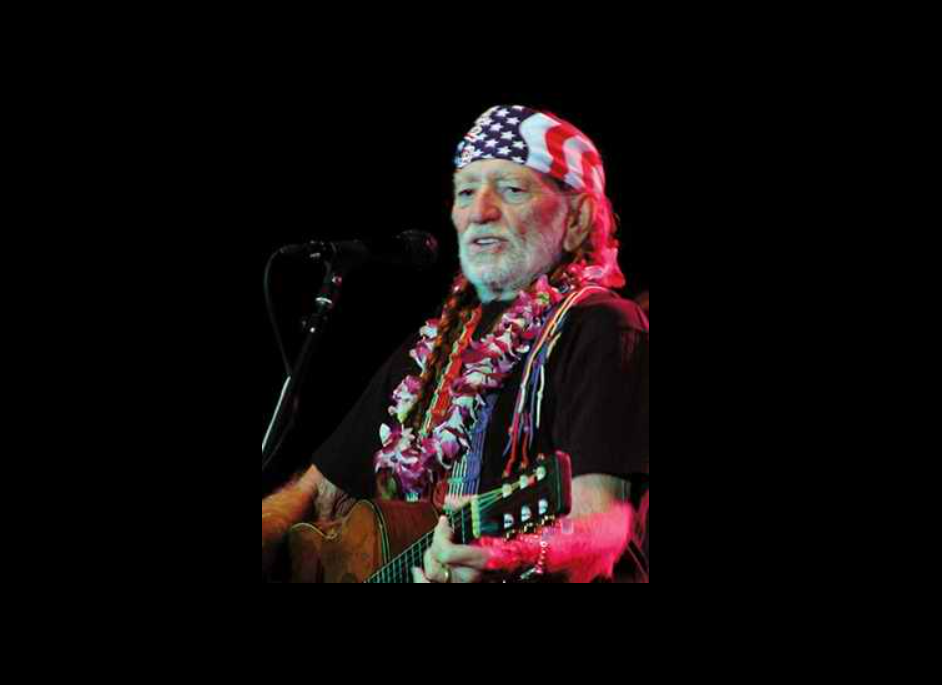
Willie Nelson’s 1975 album Red Headed Stranger is widely regarded as one of the greatest country albums of all time, but its minimalist sound worried record executives. The sparse arrangements and stripped-down production differed sharply from the lush Nashville style of the era. Executives thought the album sounded too simple to succeed commercially and initially doubted its release. Nelson, however, insisted on preserving the raw storytelling he envisioned. His instincts proved right, as the album became a breakthrough success and affirmed the power of artistic independence.
He Helped Launch Farm Aid, One of the Most Influential Charity Concerts
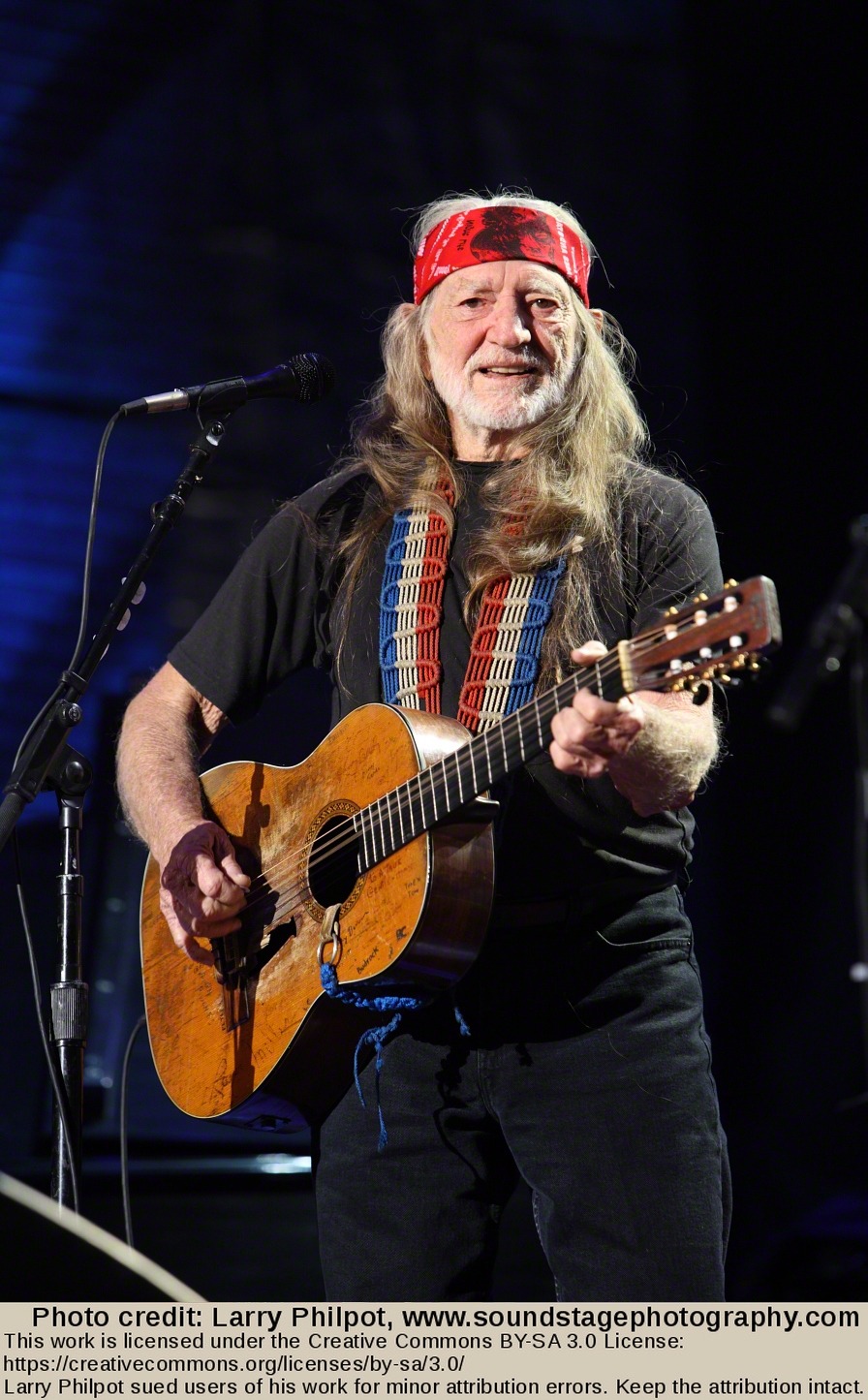
Nelson’s commitment to supporting family farmers is one of the most important but sometimes overlooked parts of his legacy. In 1985, he co-founded Farm Aid with Neil Young and John Mellencamp in response to the financial crisis facing American farmers. The first concert drew massive crowds and national attention, raising millions to support struggling agricultural communities. Farm Aid has continued annually for decades, becoming one of the longest-running benefit concerts in history. Nelson’s dedication to this cause highlights his deep connection to rural America and his belief in using music for social impact.
He Has Acted in More Than 30 Films and Television Shows
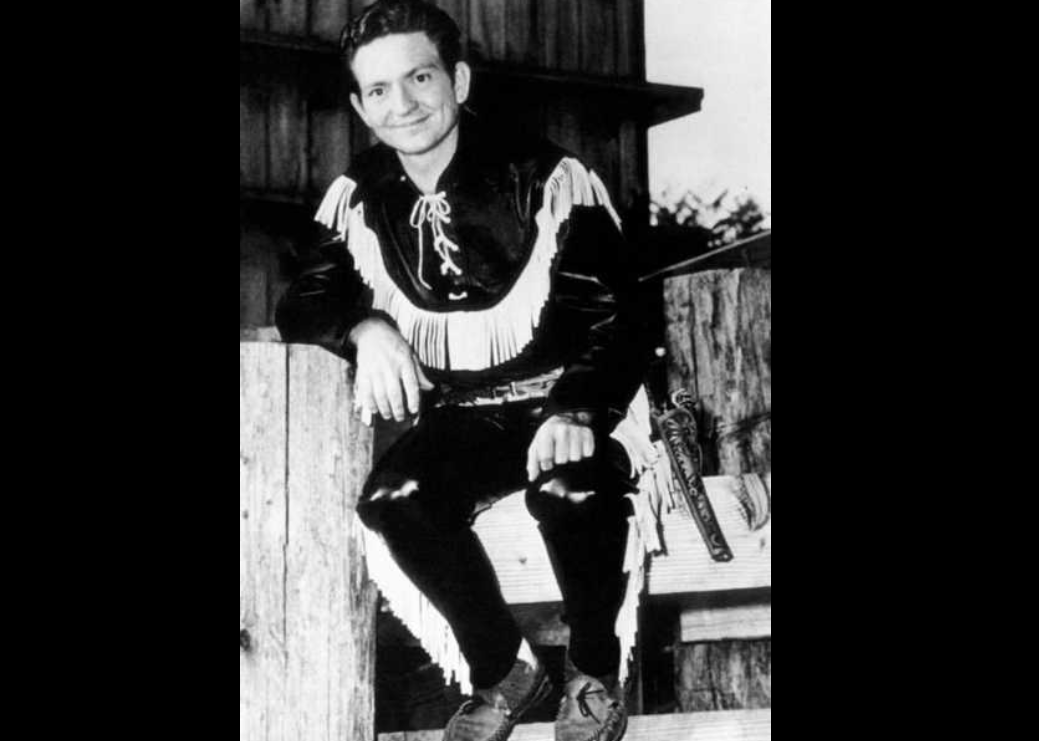
Many fans know Willie Nelson primarily as a musician, but he has built an impressive acting career as well. Nelson has appeared in films like Honeysuckle Rose, The Electric Horseman, and Red Headed Stranger, often playing roles that reflect his free-spirited persona. His natural charisma translated effortlessly to the screen, earning him admiration from directors and co-stars alike. Nelson also participated in television projects and documentaries that showcased both his humor and storytelling talent. Acting became another creative outlet that expanded his cultural influence far beyond the music stage.
His Guitar, Trigger, Is One of the Most Famous Instruments in Music
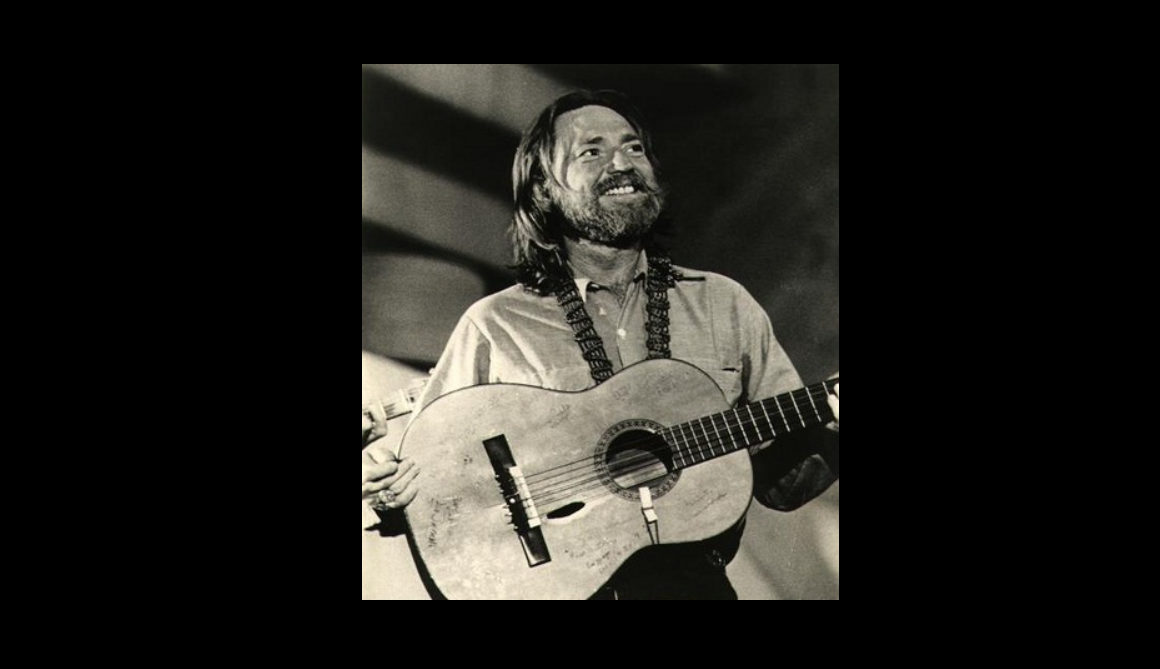
Willie Nelson’s guitar, affectionately named Trigger, is nearly as famous as the musician himself. The instrument—a Martin N-20 acoustic guitar—features a distinctive hole worn into the body from decades of play. Nelson has used Trigger on nearly every album and performance since the late 1960s, treating the guitar as a trusted partner in his artistic journey. Its unmistakable tone, shaped by Nelson’s fingerpicking style, helped define his sound. Trigger has become a symbol of Nelson’s dedication, resilience, and lifelong commitment to music.
He Faced Major Financial Challenges and Rebuilt His Career
Despite his success, Willie Nelson faced a highly publicized financial crisis in the early 1990s when the IRS claimed he owed millions in unpaid taxes. Rather than step away from the spotlight, Nelson approached the challenge with humor and determination. He released an album titled The IRS Tapes: Who’ll Buy My Memories?, using the proceeds to repay his debts. Fans rallied behind him, and Nelson emerged from the ordeal with renewed motivation and public support. His resilience during this time only strengthened his connection with audiences.