
Proper storage is crucial for maintaining a safe and healthy living environment. Many homeowners unknowingly make storage mistakes that can lead to mold growth or fire hazards. Whether it’s overcrowding closets, storing items improperly, or neglecting regular checks, these common storage mistakes can have serious consequences. In this article, we’ll highlight 8 storage mistakes you should avoid to keep your home safe from mold and fire hazards.
Storing Wet or Damp Items in Closets
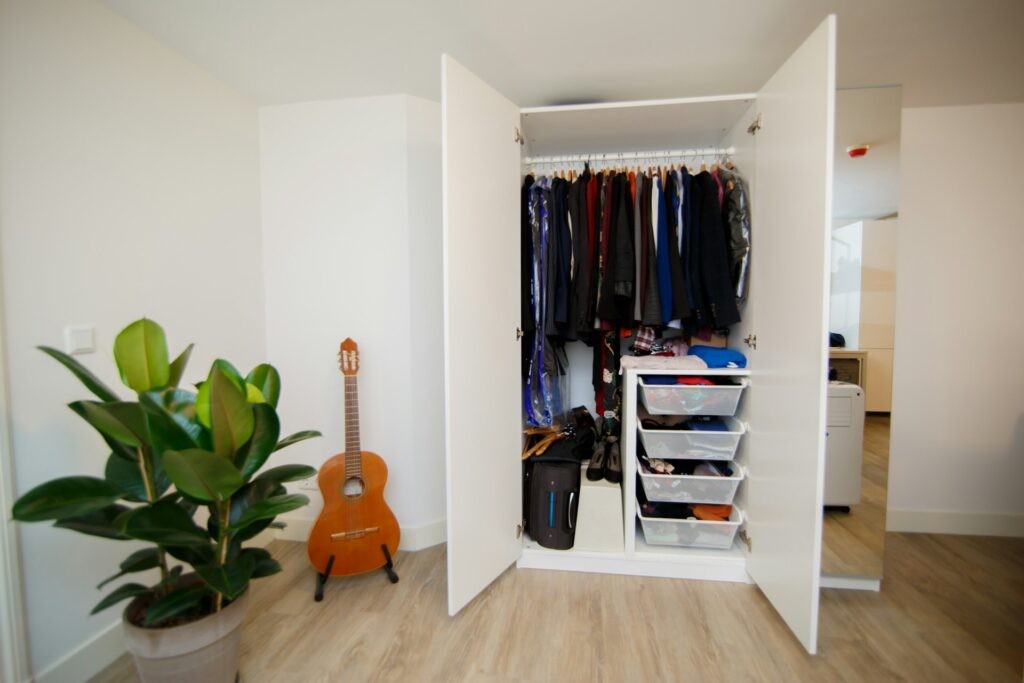
One of the most common storage mistakes that can lead to mold growth is storing wet or damp items in closets. Clothes, towels, or shoes that are still wet from a wash or a rainy day should not be placed in storage spaces until they are completely dry. When moisture is trapped in confined spaces, it creates the perfect breeding ground for mold and mildew. The lack of air circulation in closets makes it hard for wet items to dry out quickly, allowing mold to thrive. To avoid this, always dry clothes and towels fully before storing them, and regularly check for any signs of moisture in storage areas to prevent mold growth.
Blocking Airflow in Storage Spaces

Airflow is essential to maintaining a dry, mold-free environment, especially in basements, attics, or other storage spaces with limited ventilation. Blocking vents, overcrowding storage areas, or stacking items too tightly can prevent proper airflow, leading to moisture buildup and the potential for mold growth. To ensure airflow, avoid overstuffing shelves or cabinets and keep items at least a few inches apart to allow air to circulate freely. Installing ventilation fans or dehumidifiers in areas prone to moisture can also help prevent mold and mildew from forming.
Storing Flammable Materials Near Heat Sources
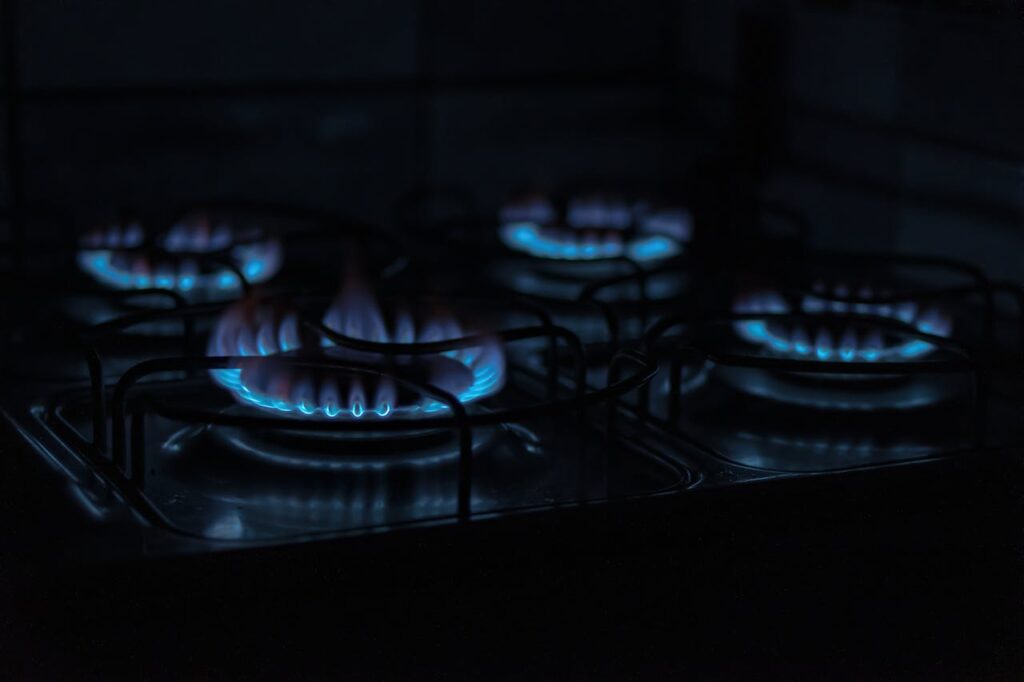
Storing flammable materials, such as cleaning products, gasoline, or paper goods, too close to heat sources is a major fire risk. Items like aerosols, solvents, and certain chemicals can easily catch fire if exposed to heat, sparks, or flames. It’s important to store these materials in designated, cool, dry areas away from any appliances, water heaters, or electrical outlets that may pose a risk. Keep them in tightly sealed containers, and make sure the storage area is well-ventilated to avoid dangerous chemical reactions. Always follow the manufacturer’s safety instructions for proper storage of flammable items to prevent accidents.
Improperly Storing Electrical Cords and Wires
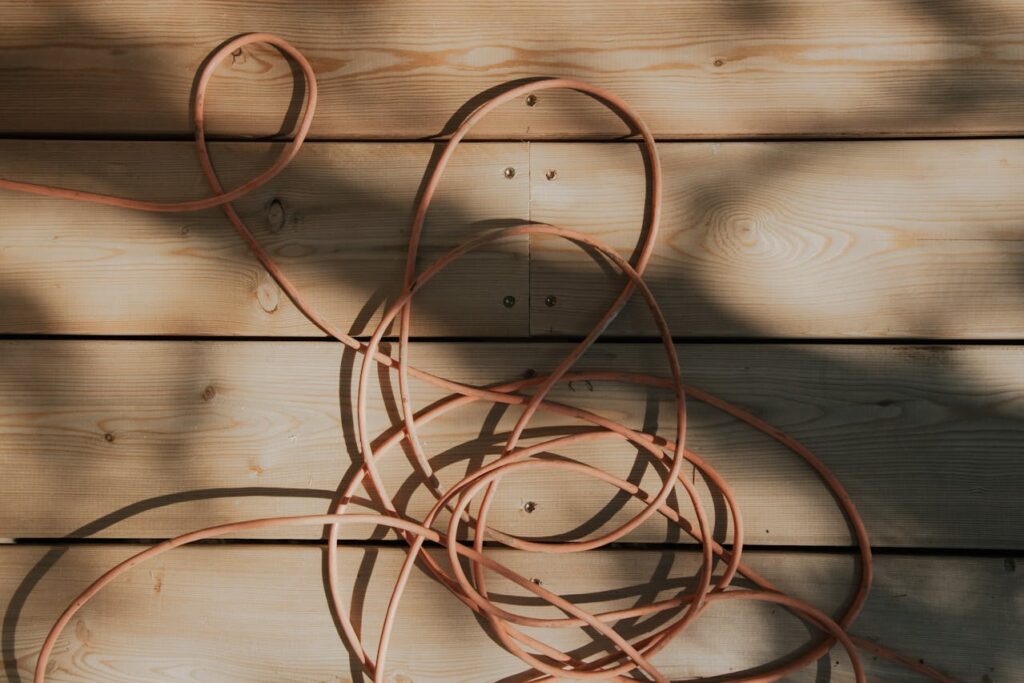
Electrical cords and wires are often stored in places where they can easily get damaged, leading to potential fire hazards. If cords are frayed, tangled, or have exposed wiring, they can short-circuit, overheat, and ignite nearby materials. Storing cords improperly, such as wrapping them too tightly or under heavy objects, can cause them to fray or become damaged. Instead, store cords in a safe, organized manner by using cord organizers or wrapping them loosely. Always check for signs of wear and tear on cords and discard any that appear damaged to prevent dangerous electrical accidents.
Overloading Electrical Outlets in Storage Areas
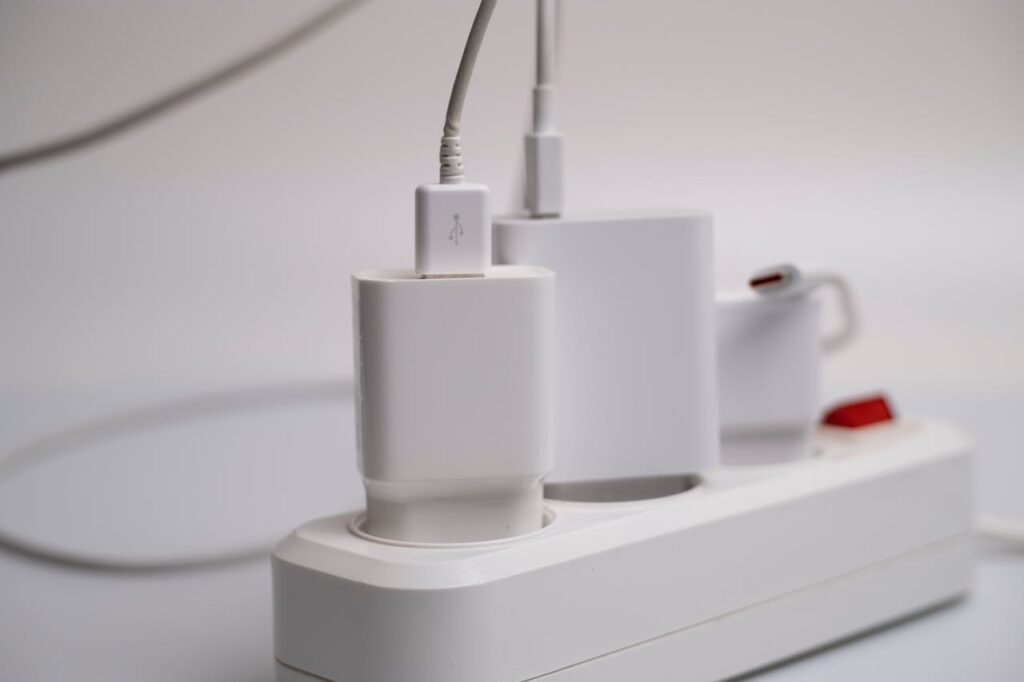
Overloading electrical outlets in storage areas is another common mistake that can lead to serious fire risks. When you plug too many appliances or devices into a single outlet or power strip, it can overheat, causing a fire. This is especially dangerous in storage spaces like basements, garages, or attics, where clutter and flammable materials may already be present. To reduce fire risks, avoid using extension cords for long-term storage of appliances or electronics, and always ensure your outlets can handle the load you’re placing on them. If you need additional outlets, consider hiring an electrician to install more to accommodate your storage needs safely.
Storing Paper Items in Damp Areas
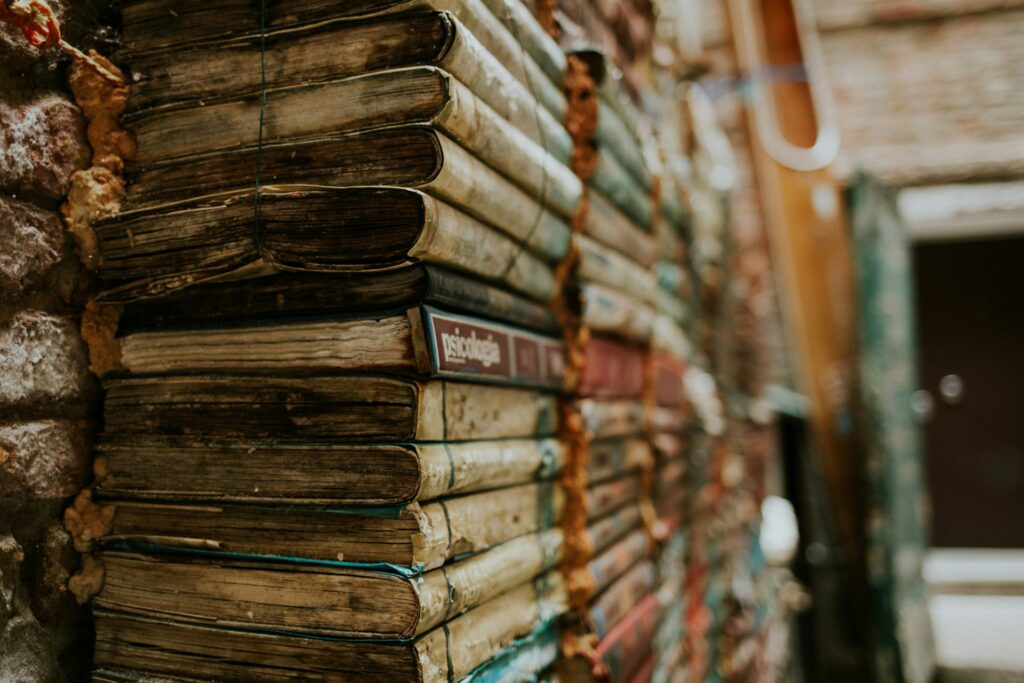
Paper items such as important documents, books, or artwork are particularly vulnerable to mold growth when stored in damp or humid environments. Basements, garages, or attic spaces that experience high humidity are not ideal places to store paper goods. Over time, exposure to moisture can lead to mold and mildew, causing irreparable damage to your paper items. To prevent this, store paper in moisture-resistant containers or file cabinets, and avoid placing them in areas with fluctuating temperatures or humidity. For valuable documents, consider investing in fireproof or waterproof storage solutions to protect against both fire and water damage.
Neglecting to Check for Pest Infestations
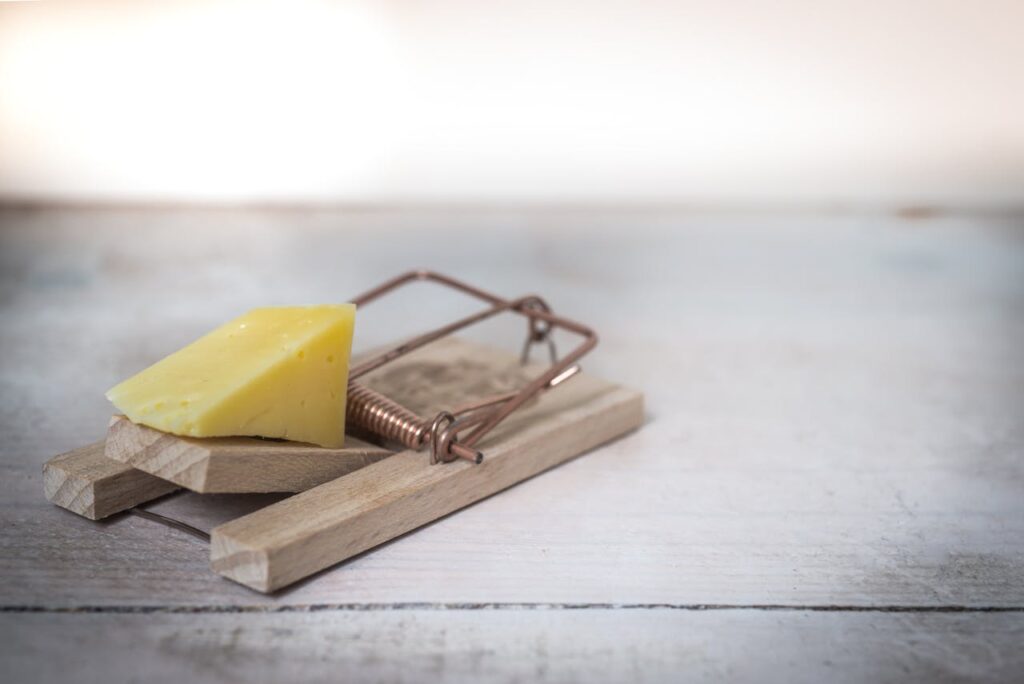
While pests like rodents or insects may not directly cause mold or fire hazards, their presence in storage areas can lead to serious problems. Rodents often chew through electrical wires, and insects can damage paper, fabric, or food items. Additionally, pests can leave droppings or create nests in storage areas, which can promote mold growth if moisture is present. Regularly inspect storage areas for signs of infestations, such as chewed items, droppings, or visible nests. Sealing cracks, using traps, and maintaining a clean storage space will help reduce the risk of pest-related issues that could contribute to fire or mold hazards.
Ignoring Regular Cleaning and Maintenance

One of the most common storage mistakes that can lead to mold or fire hazards is neglecting to clean and maintain your storage areas regularly. Dust, dirt, and debris can accumulate over time, creating a breeding ground for mold and attracting pests. Additionally, items left in storage spaces for long periods can become fire hazards if they are not checked periodically for damage. Make it a habit to clean storage areas at least once every few months. Vacuum or wipe down shelves, check for signs of water damage or mold, and inspect stored items for any signs of wear or damage that could lead to a fire risk.
Storage mistakes may seem minor at first, but they can lead to serious hazards like mold growth and fire risks if left unchecked. By being mindful of where and how you store your belongings, you can avoid these dangers and keep your home safe. Proper airflow, moisture control, regular checks, and proper organization can go a long way in preventing these issues. Take the time to assess your storage practices and make necessary changes to protect your home from mold and fire hazards. A little awareness and organization can go a long way in keeping your home safe and secure.