Respect doesn’t appear overnight; it’s built through small daily habits that shape how kids see and treat others. Parents who model kindness, patience, and empathy help children understand respect as more than just manners. These lessons don’t require grand speeches but consistent practice in everyday life. From listening skills to gratitude, each habit teaches kids how to value themselves and others. Here are eight powerful yet simple habits that every parent can pass on to raise respectful kids.
1. Practice Active Listening
Teaching kids to listen without interrupting shows them how to value other people’s voices. By waiting their turn and making eye contact, they learn empathy and patience. Parents can model this by giving children the same respect during conversations. Kids want to feel heard, and when they see it modeled, they naturally extend that courtesy to others. Listening attentively not only fosters respect but also builds deeper bonds at home, school, and with friends over time.
2. Use Polite Words Regularly
Simple words like please, thank you, and excuse me carry enormous weight in building respect. When parents consistently use polite language, kids understand these phrases aren’t optional but part of everyday interactions. Over time, these small courtesies become second nature, making children more considerate in social settings. Respect grows when kids see that kindness is communicated not only in actions but also in the words they choose to use with others.
3. Show Gratitude Daily
Gratitude helps children see the value in what they have and the people around them. By expressing thanks for meals, help, or even small gestures, parents teach kids to recognize effort and kindness. This habit shifts focus from entitlement to appreciation. Over time, gratitude encourages children to treat others with care, knowing every act deserves recognition. Respect begins with acknowledging the contributions of others and saying thank you becomes a powerful tool for empathy.
4. Respect Personal Space
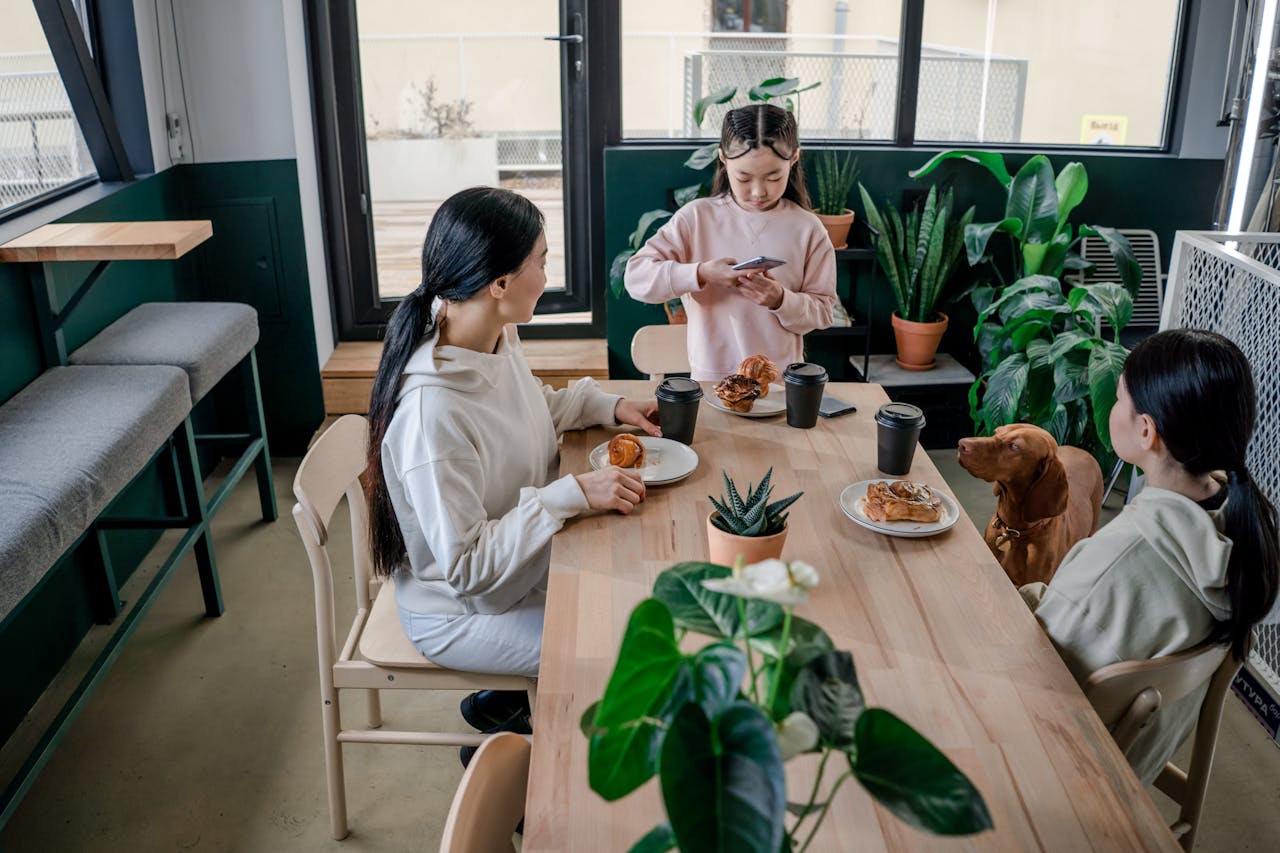
Understanding boundaries is crucial for teaching respect. Parents can guide kids to knock before entering rooms, ask before borrowing items, and honor physical space. These actions show that others’ comfort and privacy matter. Modeling the same behavior toward children reinforces the lesson, proving that respect goes both ways. Kids who learn to value personal space early are more likely to grow into adults who respect relationships, consent, and the individuality of those around them.
5. Share and Take Turns
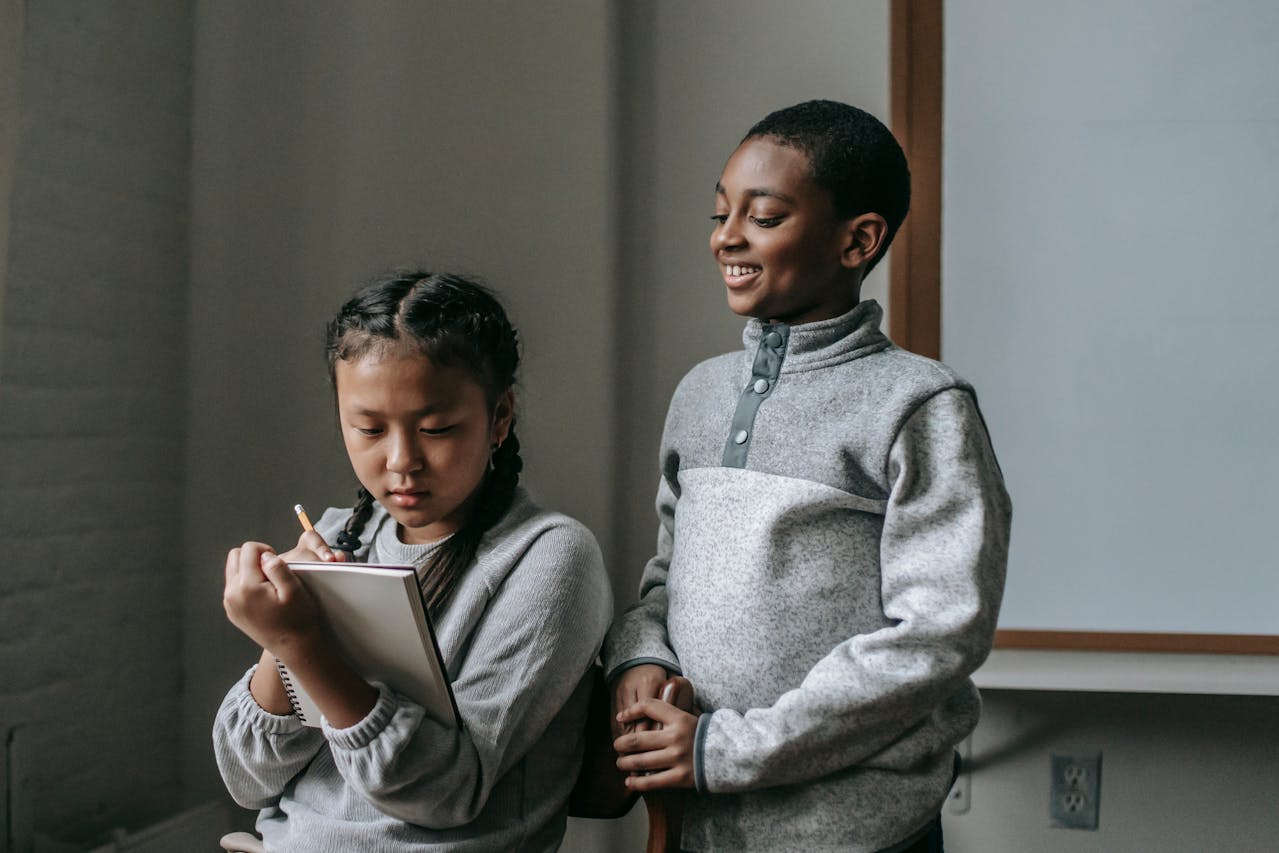
Whether it’s toys, games, or attention, learning to share and wait patiently helps children practice fairness. Parents can encourage turn-taking during family activities and highlight the joy of giving as well as receiving. This habit builds empathy by helping kids understand that others’ needs are as important as their own. Respect becomes a lived experience when children discover that cooperation and generosity bring harmony and strengthen their bonds with others.
6. Admit Mistakes Honestly
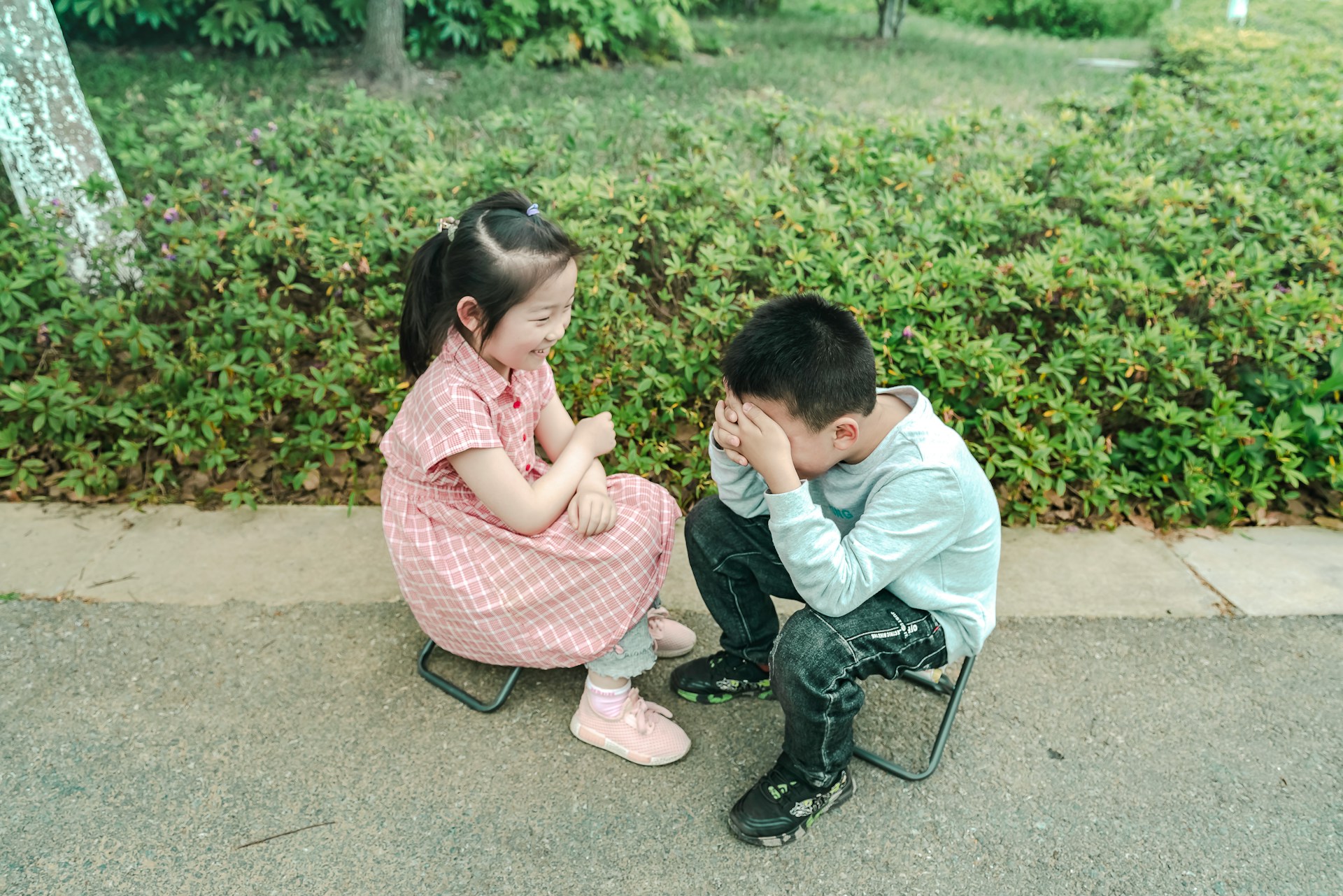
Respect grows when children learn that admitting wrongs is not weakness but strength. Parents can model apologies when they slip up, showing kids the importance of honesty and humility. Encouraging children to take responsibility for their actions helps them understand accountability. This habit teaches them that relationships thrive on trust, not perfection. Kids who learn to say sorry sincerely are more likely to build respectful, lasting connections grounded in mutual understanding.
7. Value Differences in Others
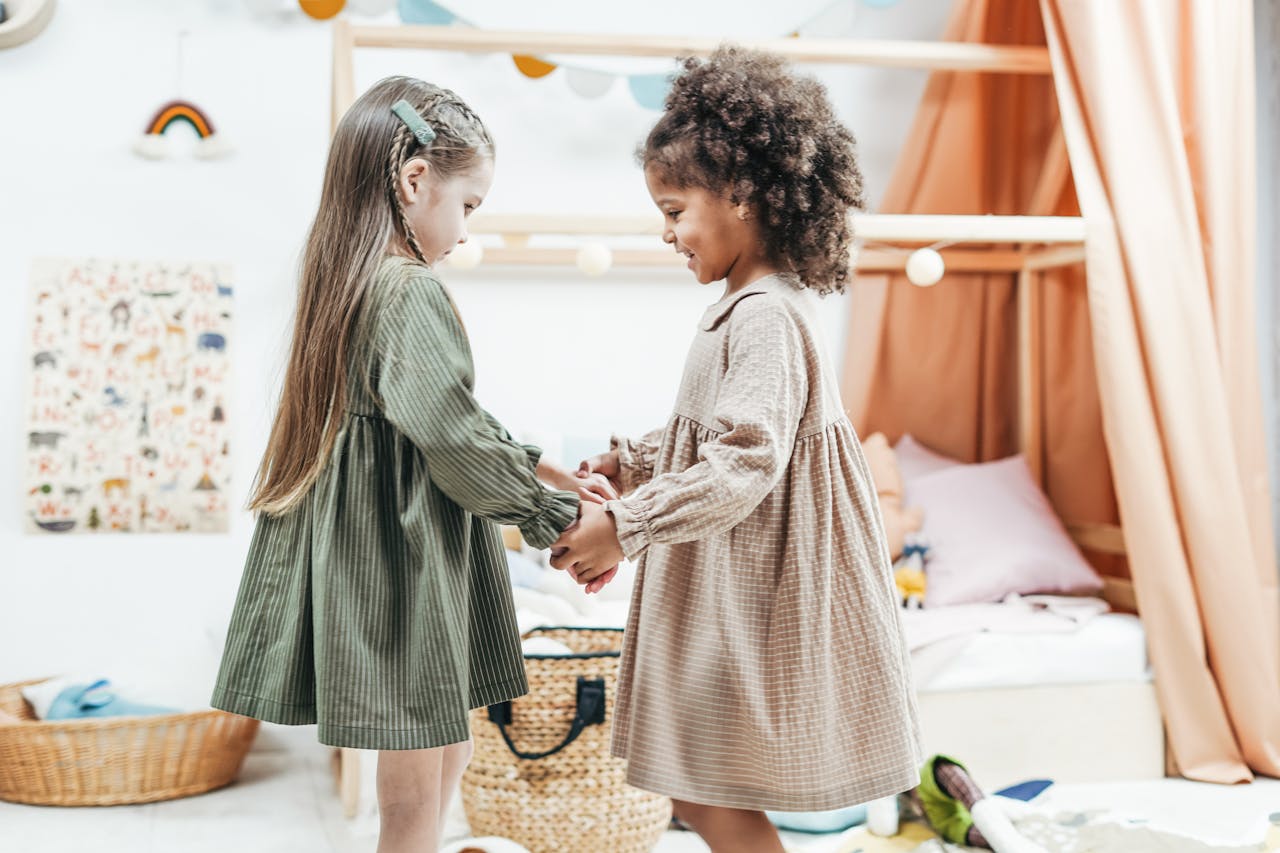
Respect isn’t limited to people who look, think, or act like us. Teaching kids to embrace diversity, whether cultural, personal, or physical, broadens their perspective. Parents can model this by celebrating uniqueness in everyday life and discouraging judgment. Children who learn to appreciate differences become more open, compassionate, and respectful adults. This habit builds inclusivity, ensuring kids grow up treating everyone with dignity, regardless of background or identity.
8. Speak Kindly, Even When Upset
Respect shows most clearly in difficult moments. Teaching kids to use calm, kind words even when angry helps them manage emotions without hurting others. Parents who model this during conflicts show that respect doesn’t vanish when frustrations rise. Over time, children internalize that words have power to heal or harm. By practicing kindness under stress, they build emotional control and empathy, creating respectful communication skills they’ll use throughout life.
Raising respectful kids doesn’t require perfection, but it does demand consistency. When parents model and teach small habits daily, children grow to value kindness, fairness, and empathy as natural parts of life. These lessons don’t just shape childhood behavior; they influence the way kids treat others well into adulthood. Respect is a gift that keeps growing, and the habits you instill today will echo in how your children build relationships tomorrow.