Native American history is rich with stories of leadership, resilience, and cultural preservation. Yet, many of these incredible figures are left out of school textbooks. Teaching children about influential Native American leaders not only honors Indigenous heritage but also helps them understand the broader history of America. Here are eight Native American leaders every child should learn about and remember.
Sitting Bull (Hunkpapa Lakota)
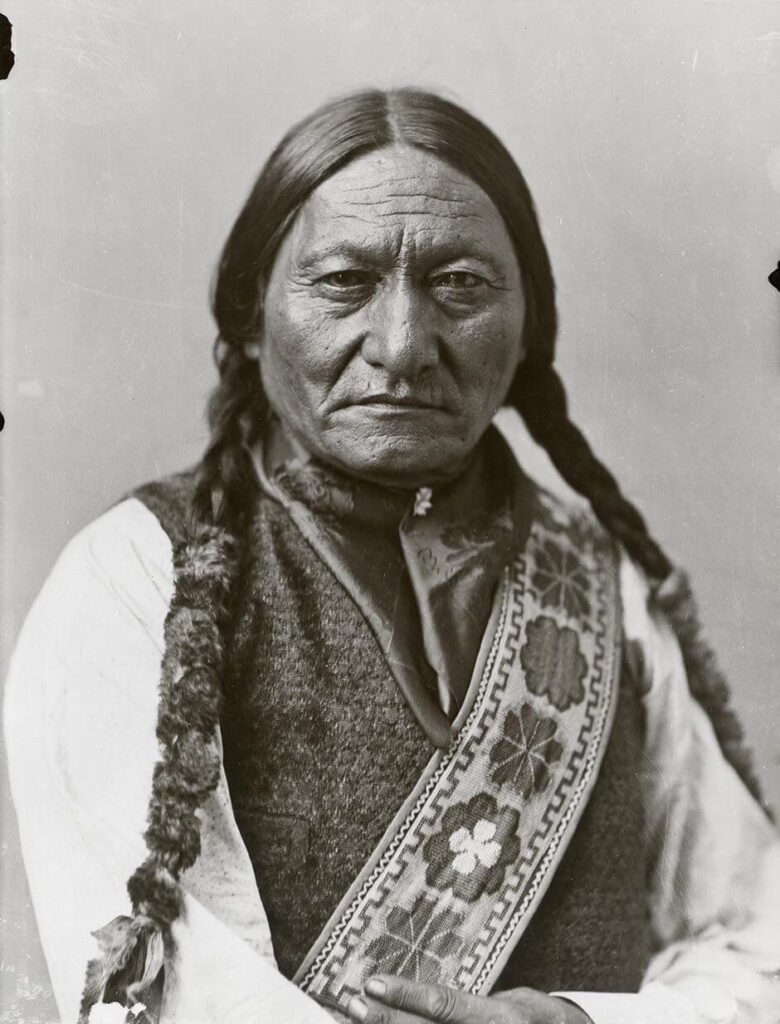
Sitting Bull was a revered leader and holy man who played a crucial role in resisting U.S. government policies during the 19th century. He famously led his people in the Battle of the Little Bighorn, where General Custer’s forces were defeated. A symbol of Lakota resistance, he later joined Buffalo Bill’s Wild West show to share his story with wider audiences. Despite pressure and threats, Sitting Bull remained committed to preserving his people’s land and way of life. His courage continues to inspire Native communities today.
Sacagawea (Lemhi Shoshone)
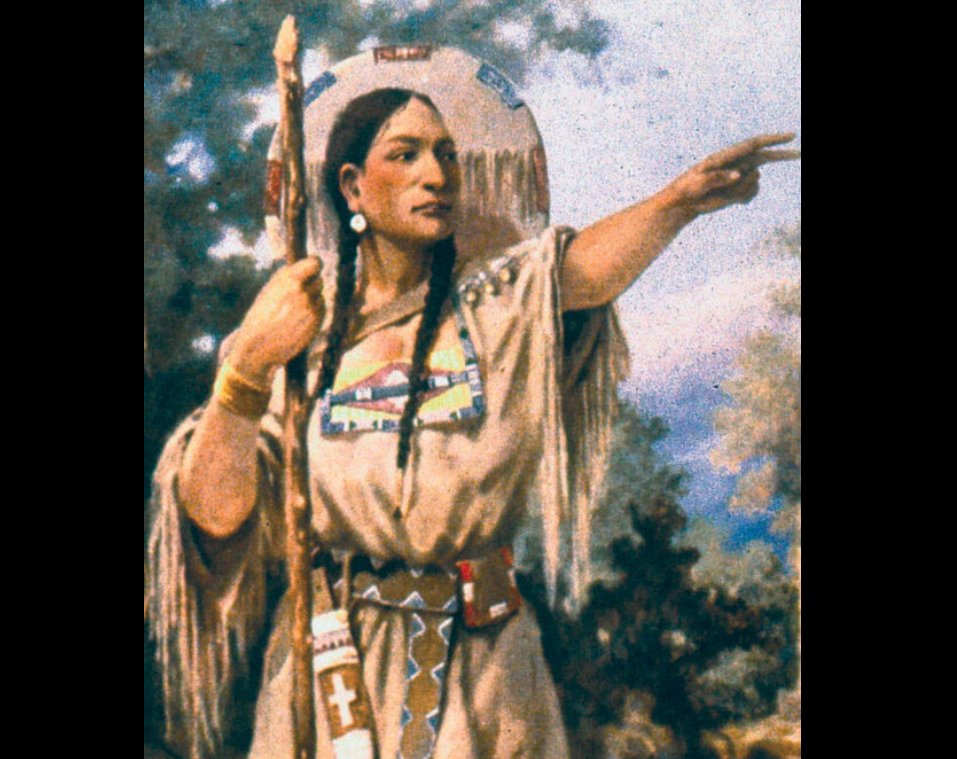
Sacagawea played a vital role in the Lewis and Clark Expedition as a guide and interpreter. She helped the explorers navigate unfamiliar terrain while carrying her infant son, symbolizing peace to many tribes they encountered. Her knowledge of geography and languages was key to the mission’s success. Though little was recorded about her later life, her legacy lives on as a symbol of strength, intelligence, and resilience. Statues and currency bear her image as a tribute to her contributions.
Geronimo (Chiricahua Apache)
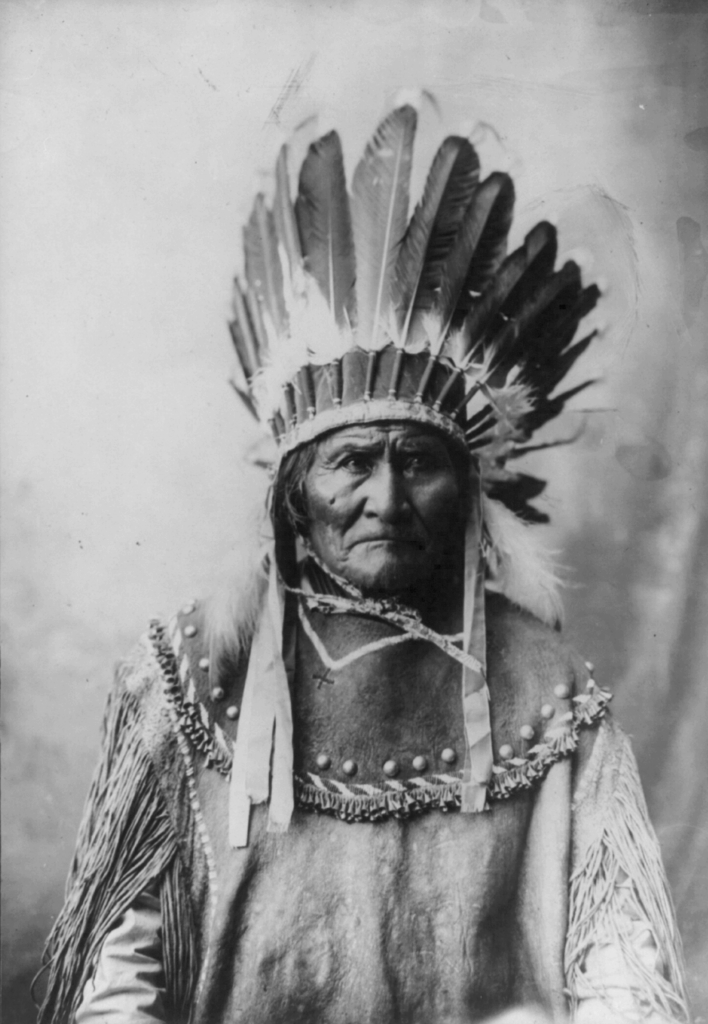
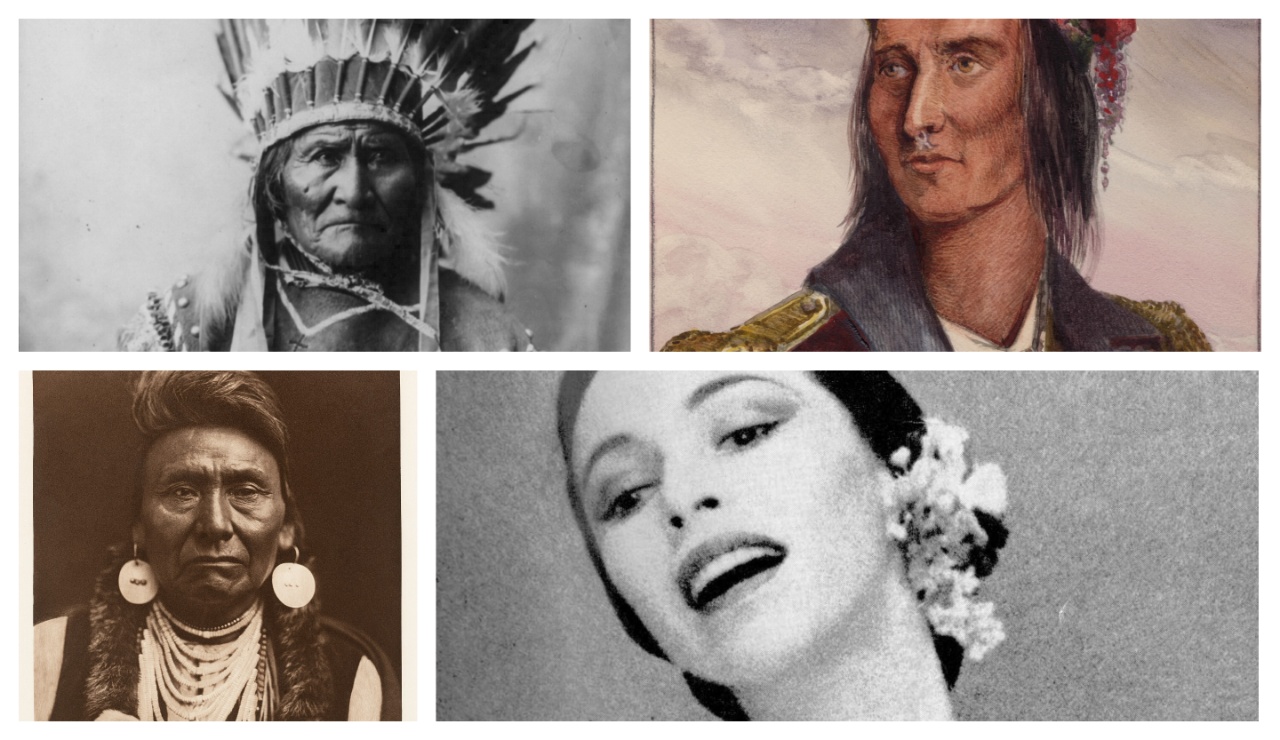
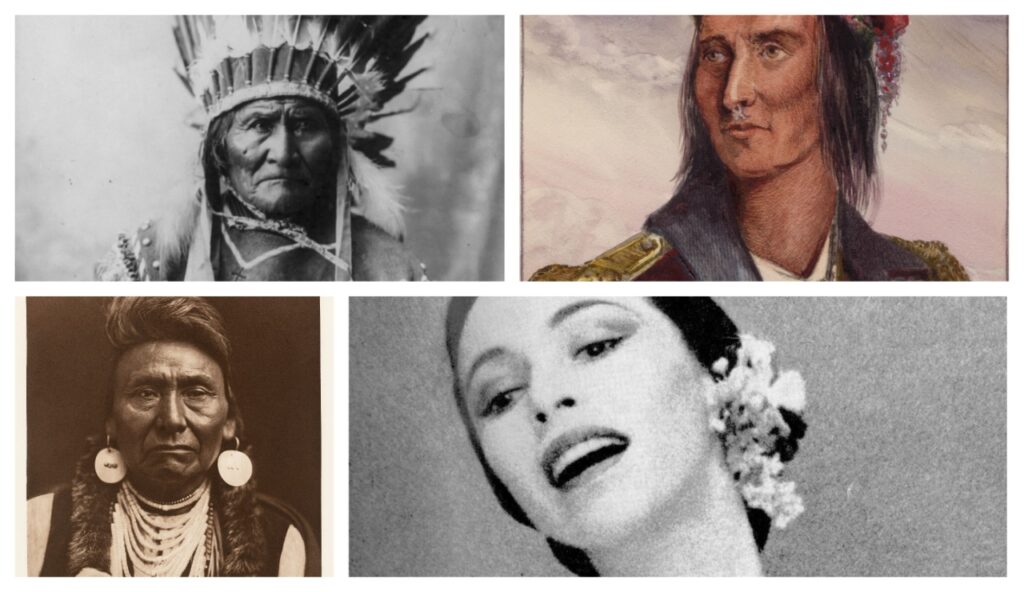
Geronimo was a fearless Apache leader known for his resistance against Mexican and American expansion into tribal lands. For decades, he led raids and resisted capture, becoming a legendary figure among both Indigenous and non-Indigenous people. Though eventually captured, Geronimo remained proud and never abandoned his identity. He later became a symbol of resistance and independence. His name still echoes as a call for bravery and defiance.
Wilma Mankiller (Cherokee Nation)
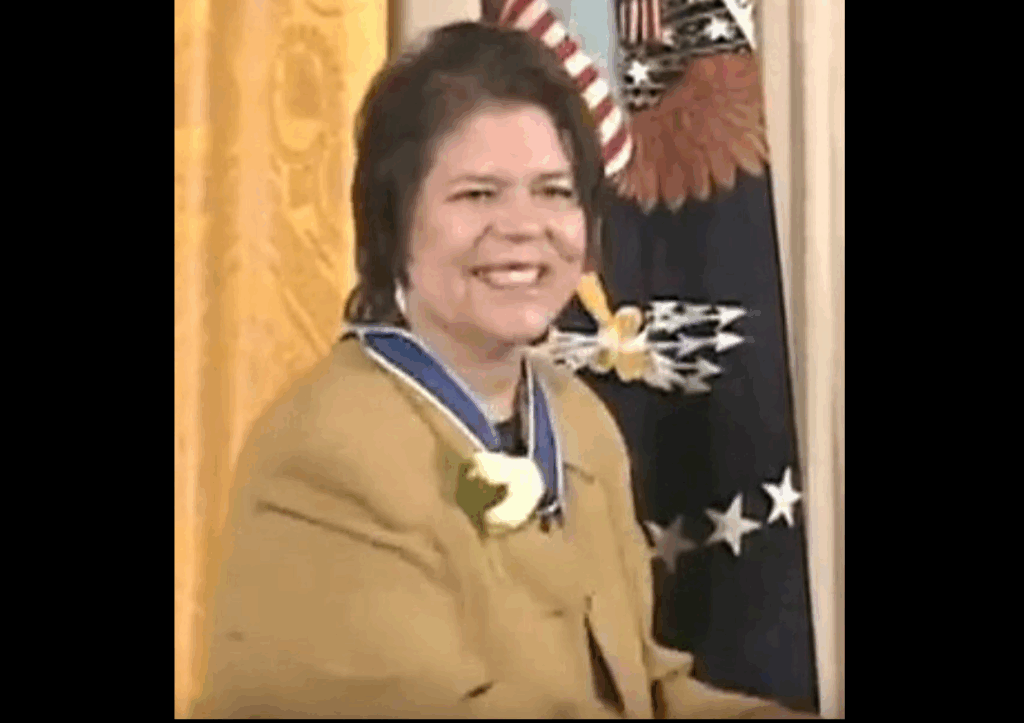
Wilma Mankiller was the first female Principal Chief of the Cherokee Nation, serving from 1985 to 1995. Under her leadership, the tribe experienced major advancements in health care, education, and housing. She was a passionate advocate for Indigenous self-determination and women’s rights. Mankiller broke barriers and redefined what leadership looked like in Native communities. Her legacy is celebrated as a milestone in modern Native American politics.
Tecumseh (Shawnee)
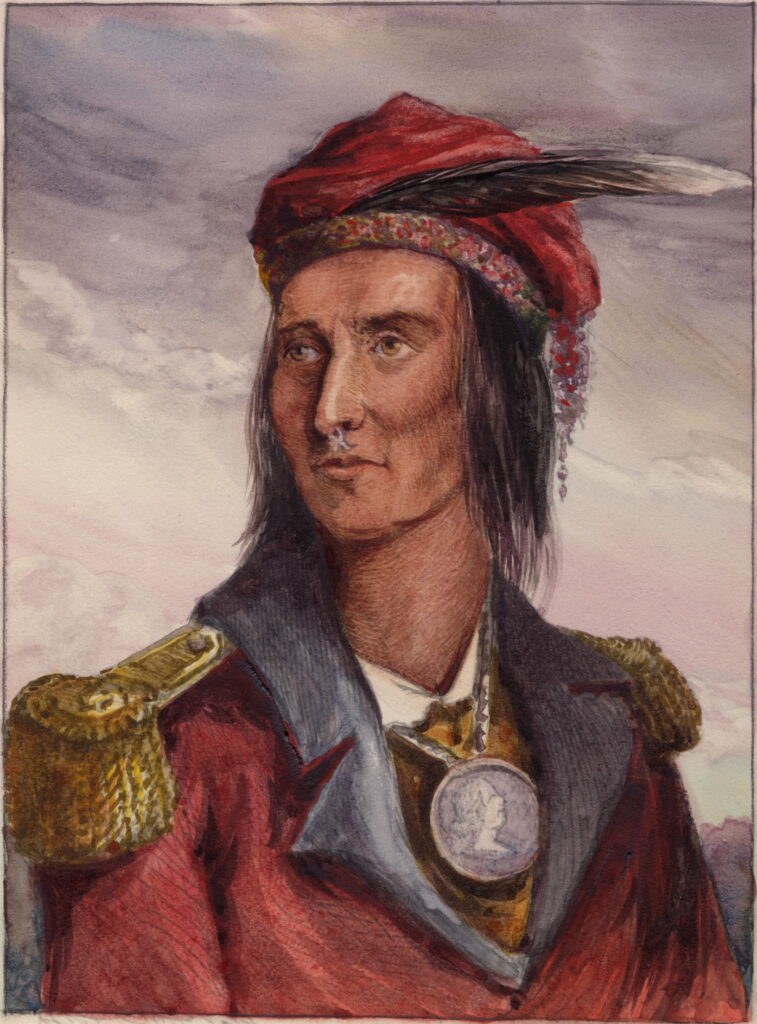
Tecumseh was a skilled warrior and visionary leader who worked to unite various tribes against American expansion in the early 1800s. He believed that Native lands were communal and could not be sold without the agreement of all tribes. Tecumseh’s confederation represented one of the strongest unified efforts to resist U.S. encroachment. Though he died in battle, his dream of unity lives on. His speeches and vision continue to resonate in Native activism today.
Chief Joseph (Nez Perce)
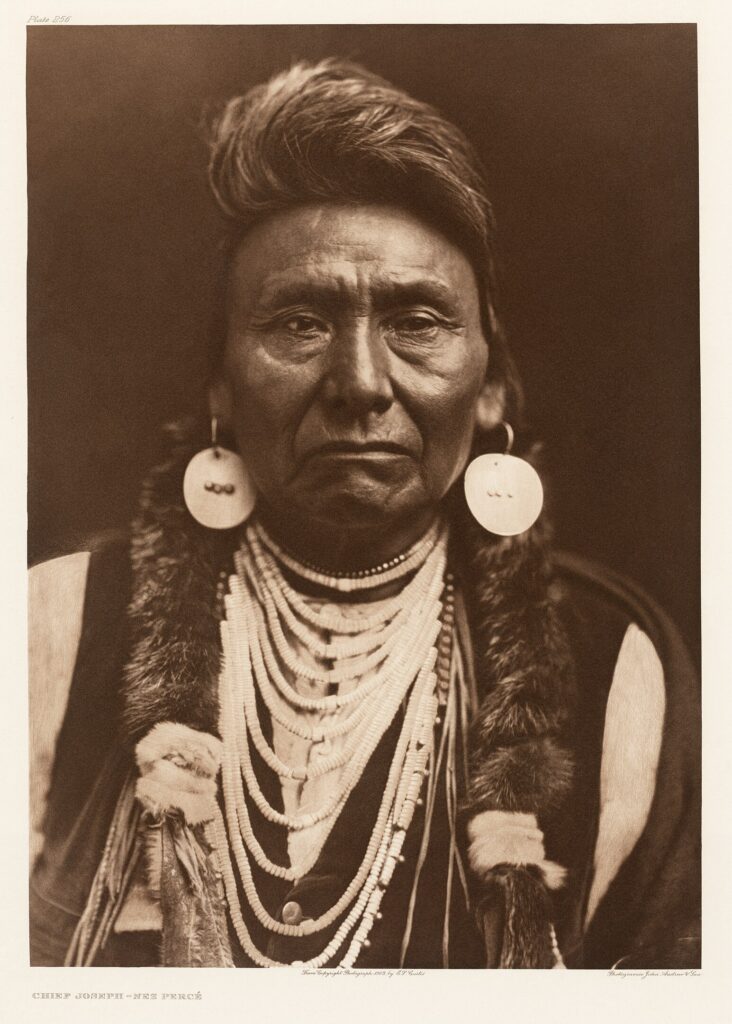
Chief Joseph is remembered for his leadership during the Nez Perce War of 1877 and his deep commitment to peace. After a long and difficult retreat toward Canada, he surrendered to avoid further bloodshed. His famous quote, “I will fight no more forever,” symbolizes the pain of forced displacement. Despite betrayal by the U.S. government, Chief Joseph remained a strong advocate for his people’s rights. His dignity and wisdom are honored across generations.
Maria Tallchief (Osage Nation)
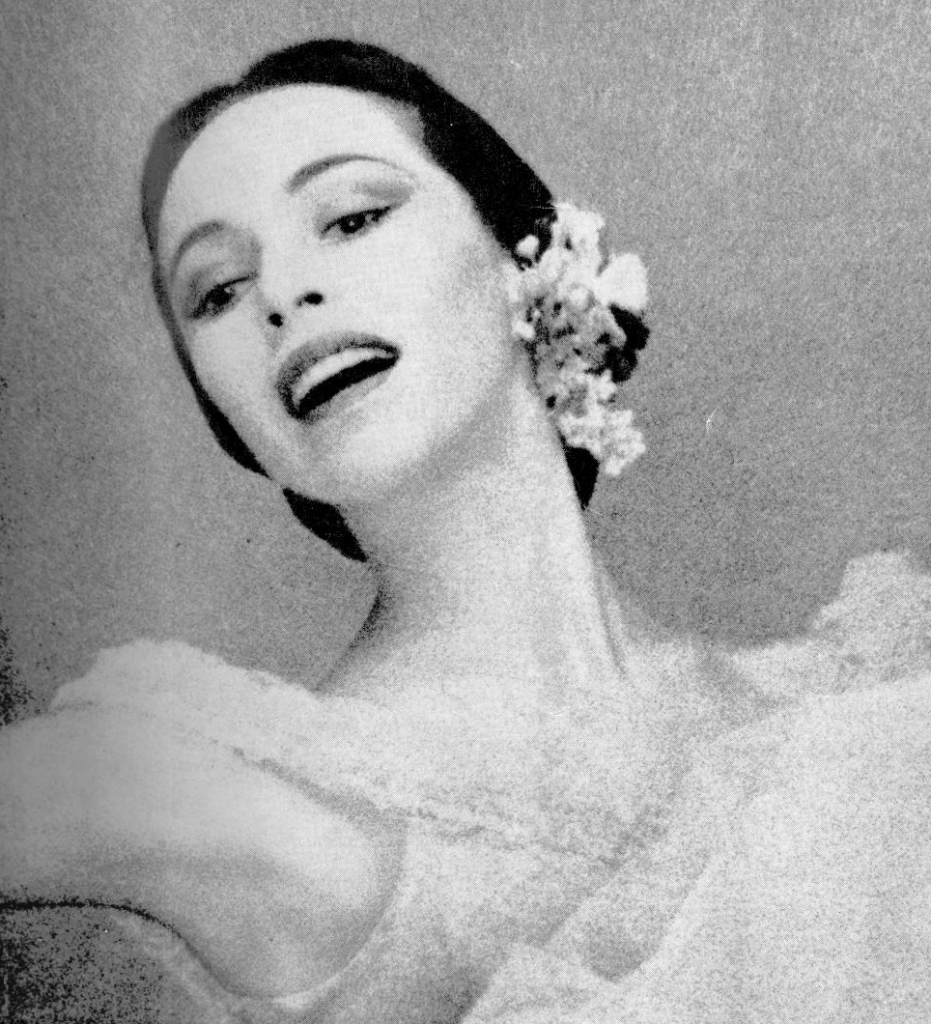
Maria Tallchief was America’s first major prima ballerina and broke racial barriers in the world of classical ballet. Born in Oklahoma, she trained extensively and eventually became the star of the New York City Ballet. She redefined what it meant to be a Native American woman in the arts. Tallchief’s grace, talent, and pride in her heritage made her a cultural icon. She remains a role model for Indigenous youth in the performing arts.
Vine Deloria Jr. (Standing Rock Sioux)
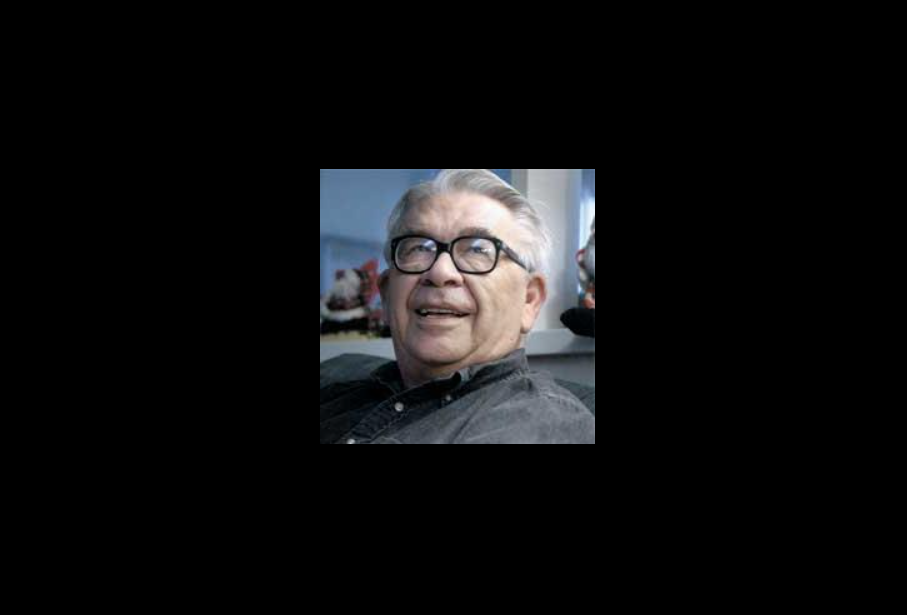
Vine Deloria Jr. was a writer, theologian, and activist who transformed how Americans understood Native rights. His book Custer Died for Your Sins became a defining work of Indigenous literature and advocacy. Deloria challenged stereotypes and demanded that Native voices be included in legal, academic, and spiritual discussions. He helped shape federal Indian policy and inspired a new generation of Indigenous scholars. His intellectual legacy continues to empower Native communities today.