Across the United States many thrift stores are tightening donation rules which leaves families surprised when everyday household items get turned away. These stores face stricter safety standards limited storage and changing consumer demand which means some once common donations no longer make the cut. Instead of letting these items gather dust or throwing them out families can repurpose them in creative practical ways that save money and reduce waste. These eight examples highlight what most thrift stores will not accept today along with smart easy alternatives that give each item a second life.
1. Old Tube Televisions
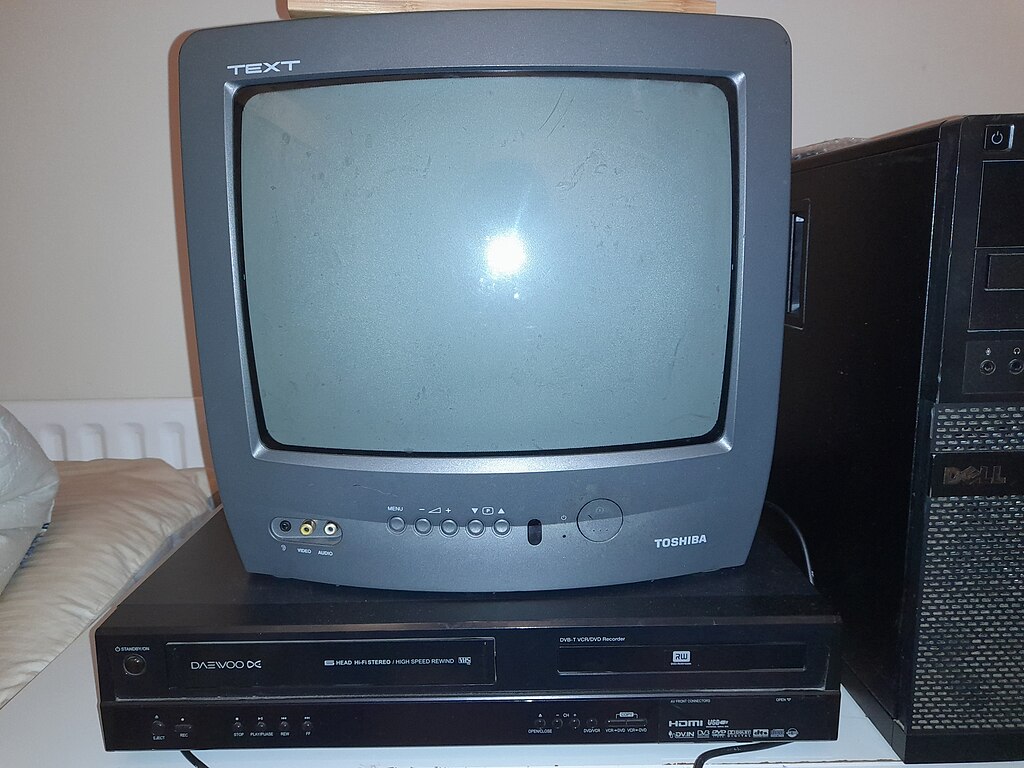
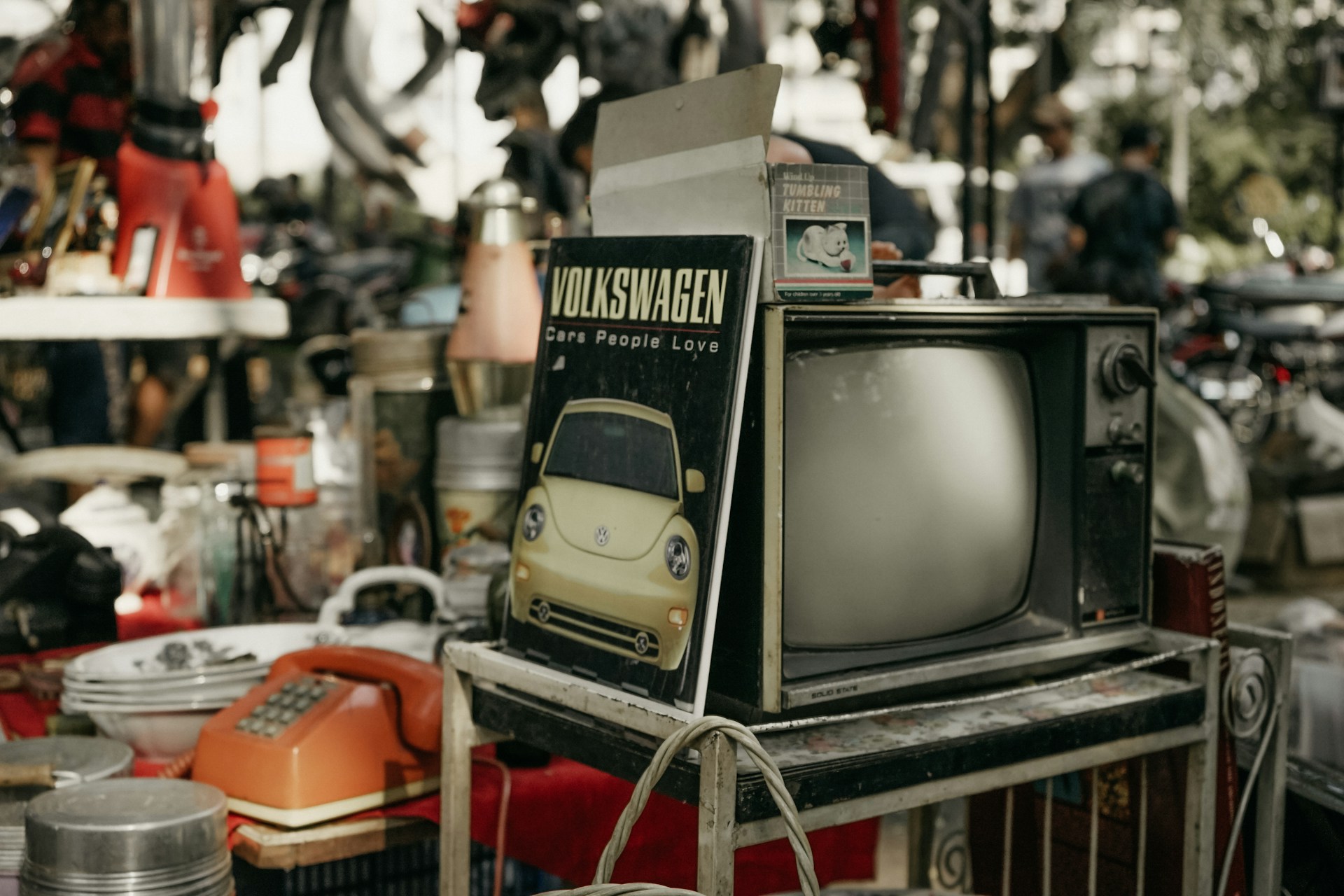
Most thrift stores refuse tube style televisions because they are bulky heavy and nearly impossible to resell. Families who still have these tucked into basements can turn them into retro display pieces by hollowing out the interior and using the shell as a quirky bookshelf or pet nook. Some creative homeowners convert them into decorative ambient lighting using simple LED strips. Local electronic recycling centers also accept them for safe disposal which keeps harmful materials out of landfills. These old TVs can still serve a fun purpose with a little imagination.
2. Used Mattresses And Box Springs
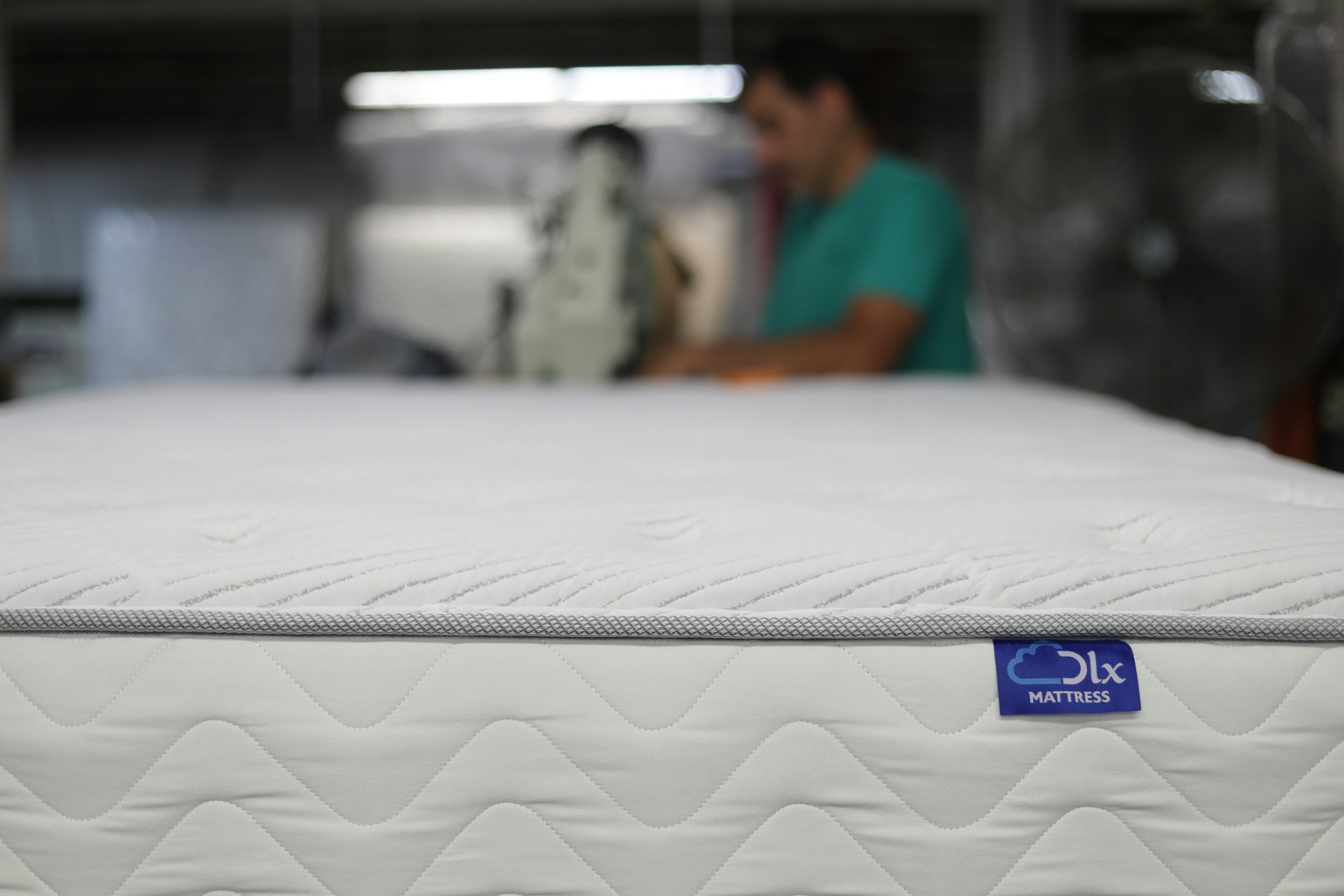
Mattresses rarely pass thrift store guidelines due to hygiene laws and bedbug concerns. Instead of discarding them families can repurpose clean mattresses by cutting the foam into smaller pads for camping pet beds or knee cushions for gardening. Some communities accept sanitized foam for upholstery projects. Box springs can be turned into backyard trellises for climbing plants which makes them useful during gardening seasons. These simple alternatives keep large items out of landfills and give them practical new life.
3. Cribs That Do Not Meet Modern Safety Rules
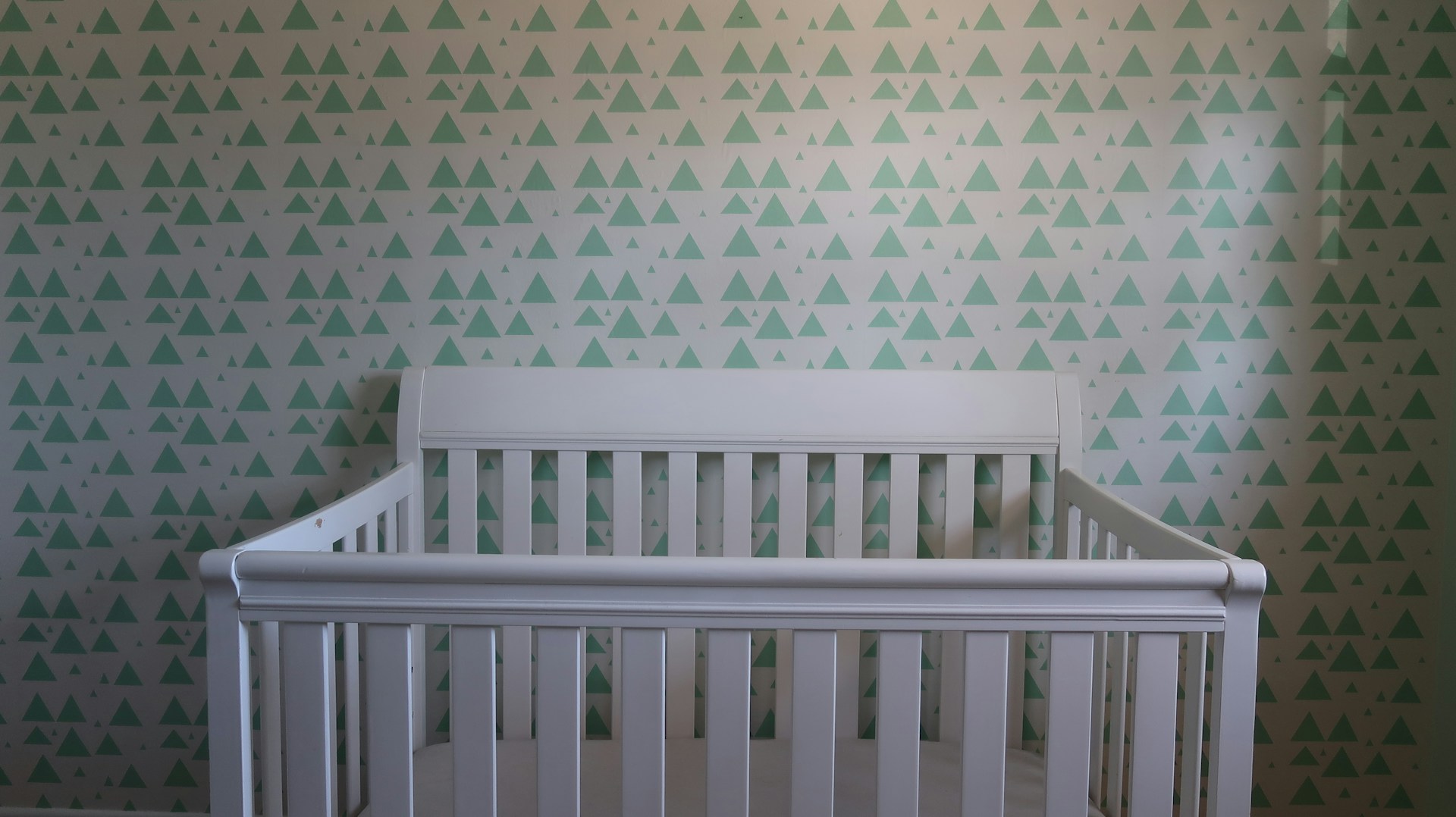
Thrift stores cannot accept older cribs because safety standards changed dramatically in recent decades. Families with outdated models can repurpose the wooden slats into wall racks for blankets books or towels which brings farmhouse style charm into the home. The crib frame can become a child’s craft station or indoor play nook. Some DIY enthusiasts turn crib sides into pet gates or decorative headboards. These creative uses transform an unsafe crib into a practical functional piece that still carries family memories.
4. Large Entertainment Centers
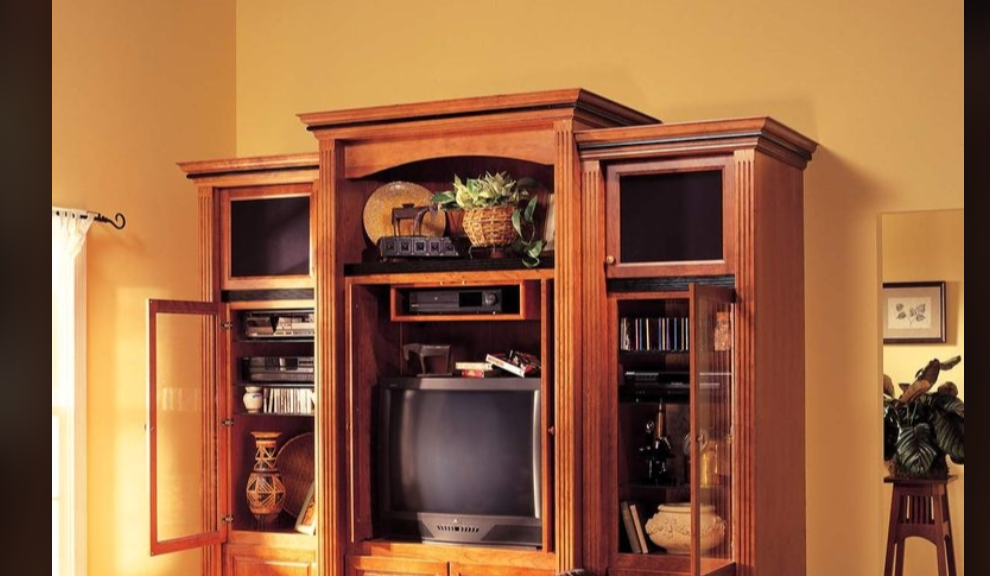
Heavy wood entertainment centers from the early 2000s and before rarely sell today so thrift stores avoid accepting them. Instead families can convert these pieces into play kitchens craft stations or compact office nooks by adding shelves and lighting. The deep compartments work well for toy storage or pet supplies making them useful for reorganizing busy households. A fresh coat of paint quickly modernizes their look and extends their lifespan. With a little creativity these bulky units can become standout furniture pieces once again.
5. VCRs And Old DVD Players
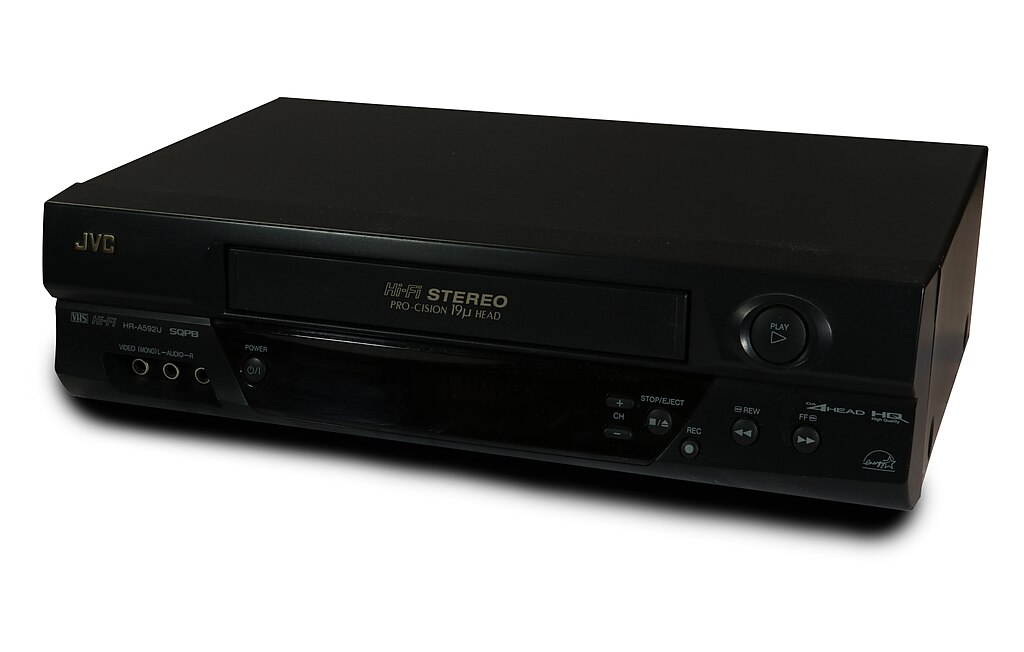
Thrift stores often turn away VCRs and older DVD players because demand has almost completely disappeared. Families can still put them to use by digitizing old tapes at home if the equipment still works. Schools and community theaters sometimes accept functioning devices for archive projects. Non working units can be taken to electronic recycling centers for safe handling. Before discarding them families may also harvest small parts for DIY crafts and repair hobbies. These overlooked machines still offer value beyond resale.
6. Opened Beauty And Personal Care Products
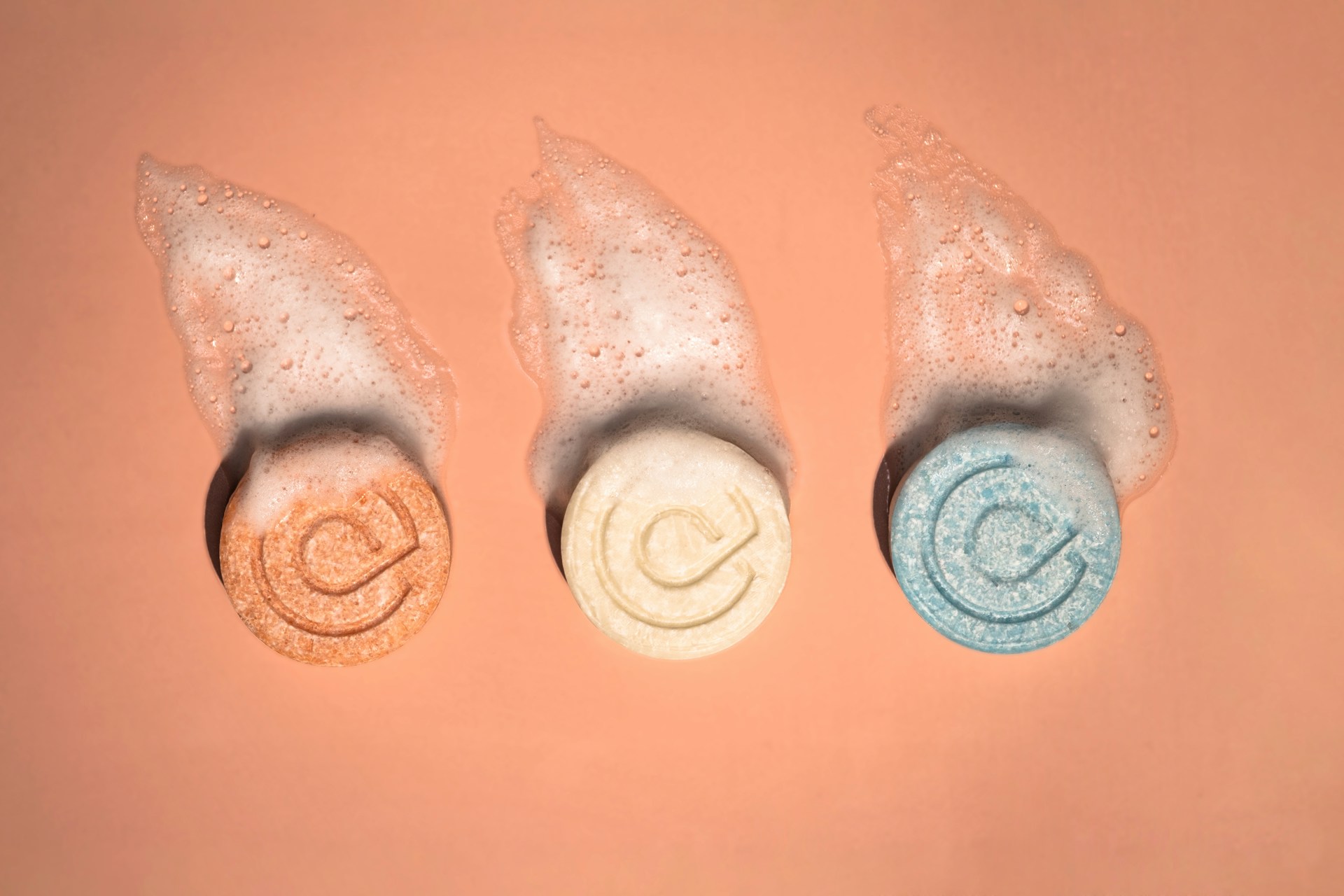
Most thrift stores refuse any opened lotions shampoos or makeup for sanitary and safety reasons. Families can use leftover lotions as shaving cream substitutes or soften old products by mixing them into homemade sugar scrubs. Unwanted shampoo works well as a gentle cleaner for makeup brushes and bathroom surfaces. Some shelters accept unopened hotel sized bottles for donation. These small repurposing tricks help reduce waste while keeping thrift store donation bins clean and organized.
7. Old Vacuum Cleaners And Small Appliances
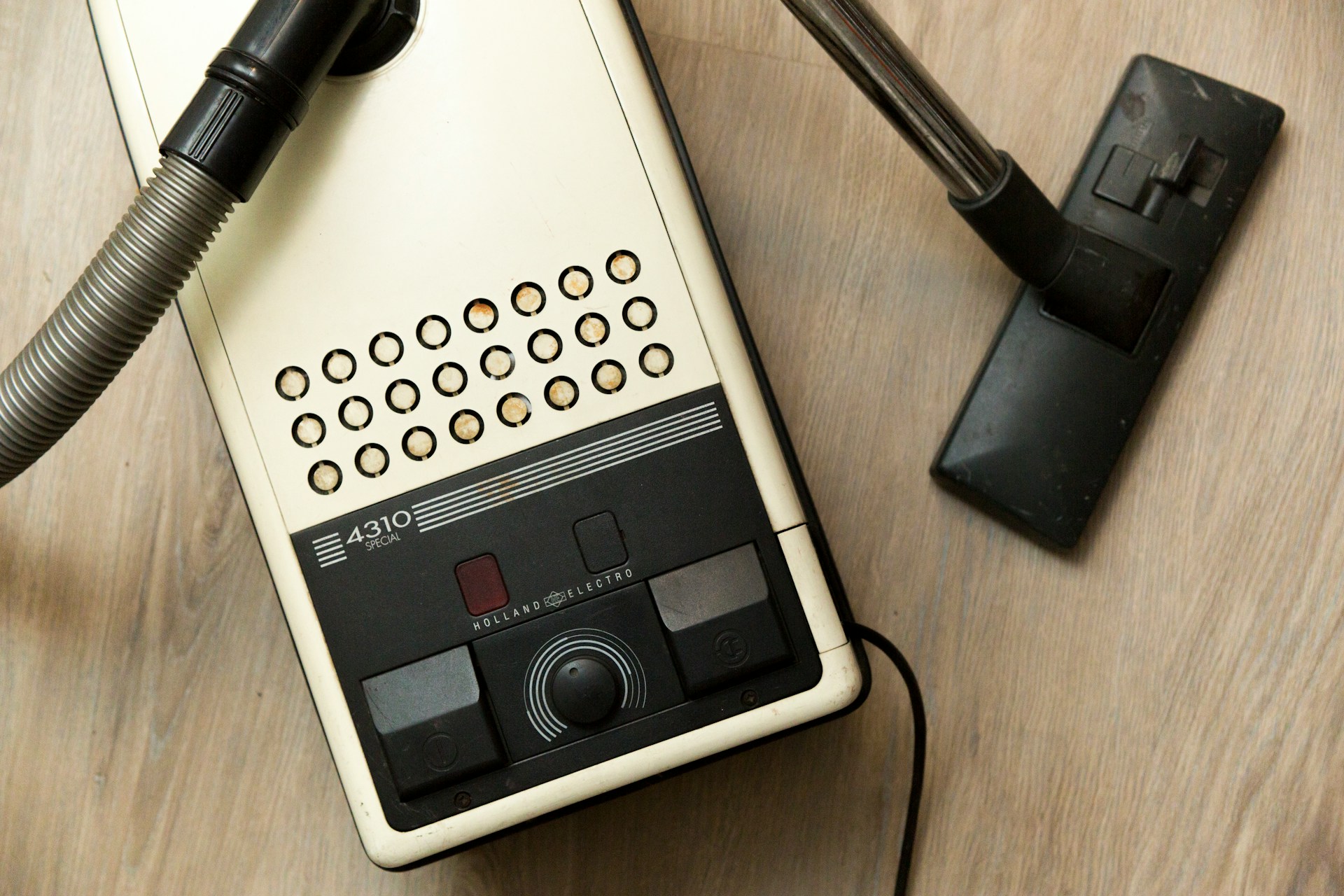
Thrift stores often decline older vacuums and appliances because repairs cost more than resale value. Families can salvage working parts such as hoses attachments or canisters for home use or pet cleanup. Local repair cafes and tool libraries sometimes accept them for parts harvesting. Non functioning pieces can be dropped at appliance recycling events. With a bit of creativity families can also convert canisters into storage bins or pet food containers. Repurposing these items keeps useful components out of the trash.
8. Bulky Office Printers
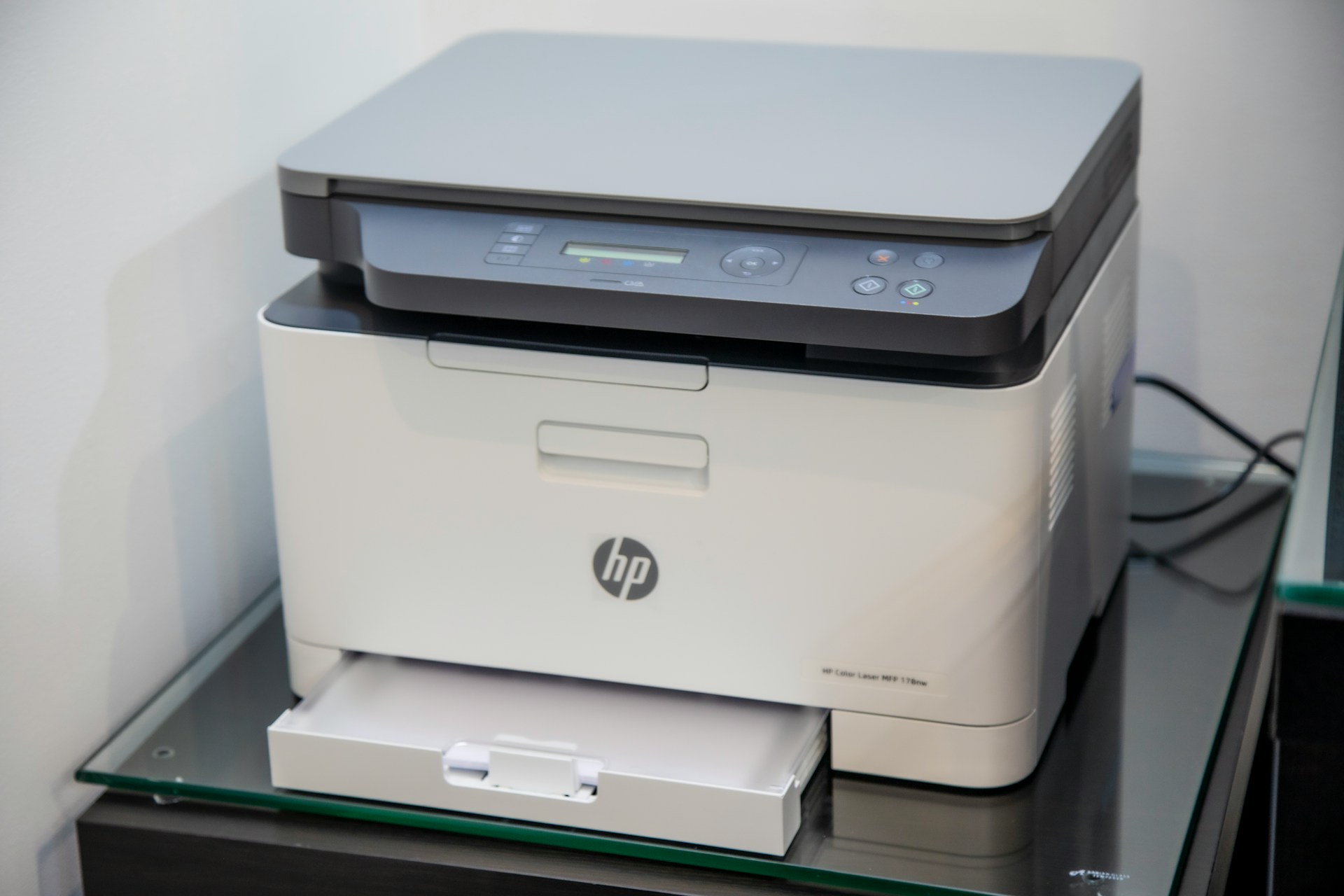
Printers often contain outdated software or clogged parts which makes them difficult to resell. Families can reuse working scanners for digitizing old photos and documents which preserves memories without keeping piles of paper. Many communities host electronic recycling drives that accept printers free of charge. Some DIY enthusiasts convert empty printer shells into hidden cable boxes or charging stations. Recycling or reusing components gives the equipment a second purpose while keeping harmful materials safely managed.
Understanding why thrift stores refuse certain items helps families make smarter choices about donations and repurposing. Each of these once common household pieces still offers new possibilities when given a little creativity and care. Instead of sending them straight to the curb families can turn outdated goods into functional projects that reduce waste and bring renewed value into everyday life.