
Many everyday habits that once seemed harmless are now gaining legal attention as cities rethink safety, privacy and environmental impact. The push for cleaner neighborhoods, reduced emissions and smarter public behavior means actions Americans have done for decades may suddenly come with penalties. New rules are forming faster than people realize, and enforcement is getting easier thanks to cameras, sensors and local ordinances. What feels like normal behavior today may cost real money tomorrow, especially as states tighten standards and redefine responsible citizenship for modern life.
Idling Your Car In Driveways Or Outside Schools

Letting your engine run while waiting in a driveway or school pickup line may feel routine, but anti idling laws are spreading. States see unnecessary idling as a source of air pollution, wasted fuel and noise. Many schools and neighborhoods are adopting stricter rules, and drivers may face fines if they keep cars running longer than a few minutes. Engine idling now signals carelessness rather than convenience. As emissions become a focus, this once normal habit is turning into a costly oversight for people who are not paying attention.
Using Single Use Plastic Bags At Stores
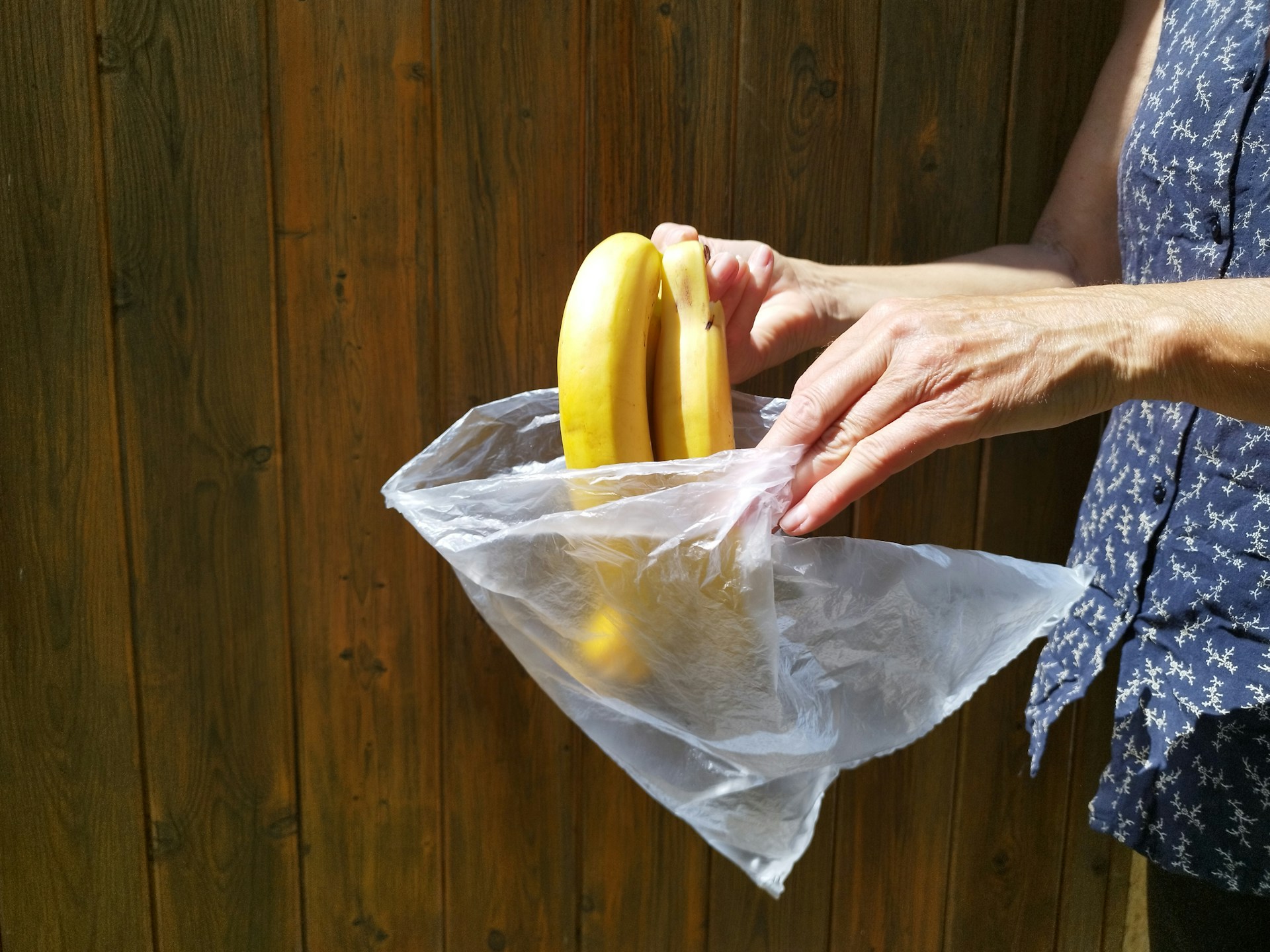
Grabbing a plastic bag at checkout used to be automatic, but environmental concerns have flipped the script. More states and cities are banning or charging fees for single use plastic bags to push reusable options. Shoppers who forget their tote bags may face fines or unexpected charges, creating a new routine that feels like a penalty for habit. The convenience of plastic has turned into a liability as communities crack down on waste. What was once a throwaway item could now cost money simply because of changing expectations.
Texting While Crossing The Street
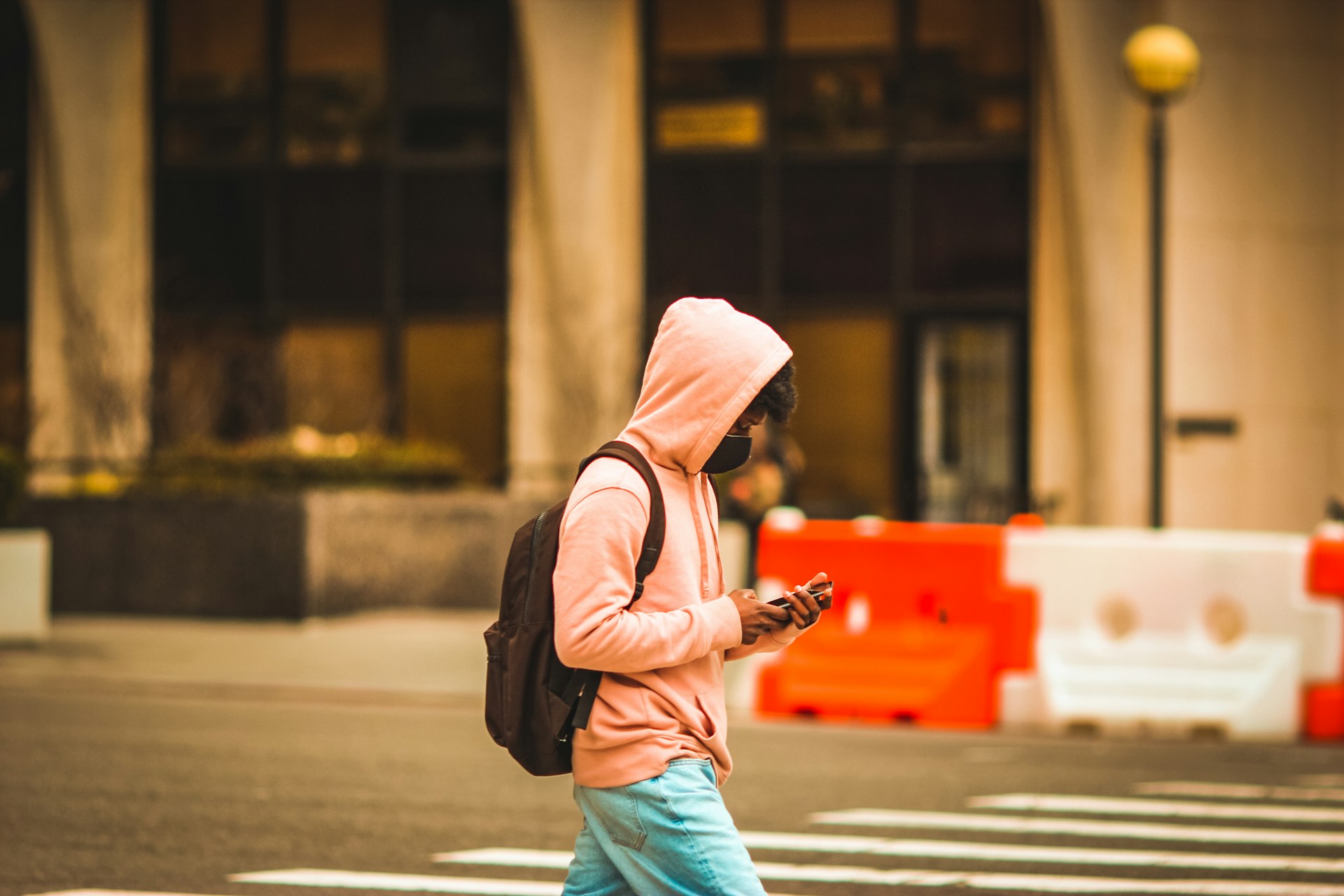
Phones follow Americans everywhere, but distracted walking is becoming a regulated hazard. Some cities now treat texting while crossing streets as a public safety risk. Pedestrians glued to screens can disrupt traffic and cause accidents, leading officials to create fines for those who do not look up when crossing. This habit feels innocent, but enforcement is growing as accidents involving distracted walkers rise. The holiday rush and busy downtowns make this habit particularly visible. In 2026, walking safely may require the same awareness once reserved only for drivers.
Throwing Food Waste In Regular Trash Bins
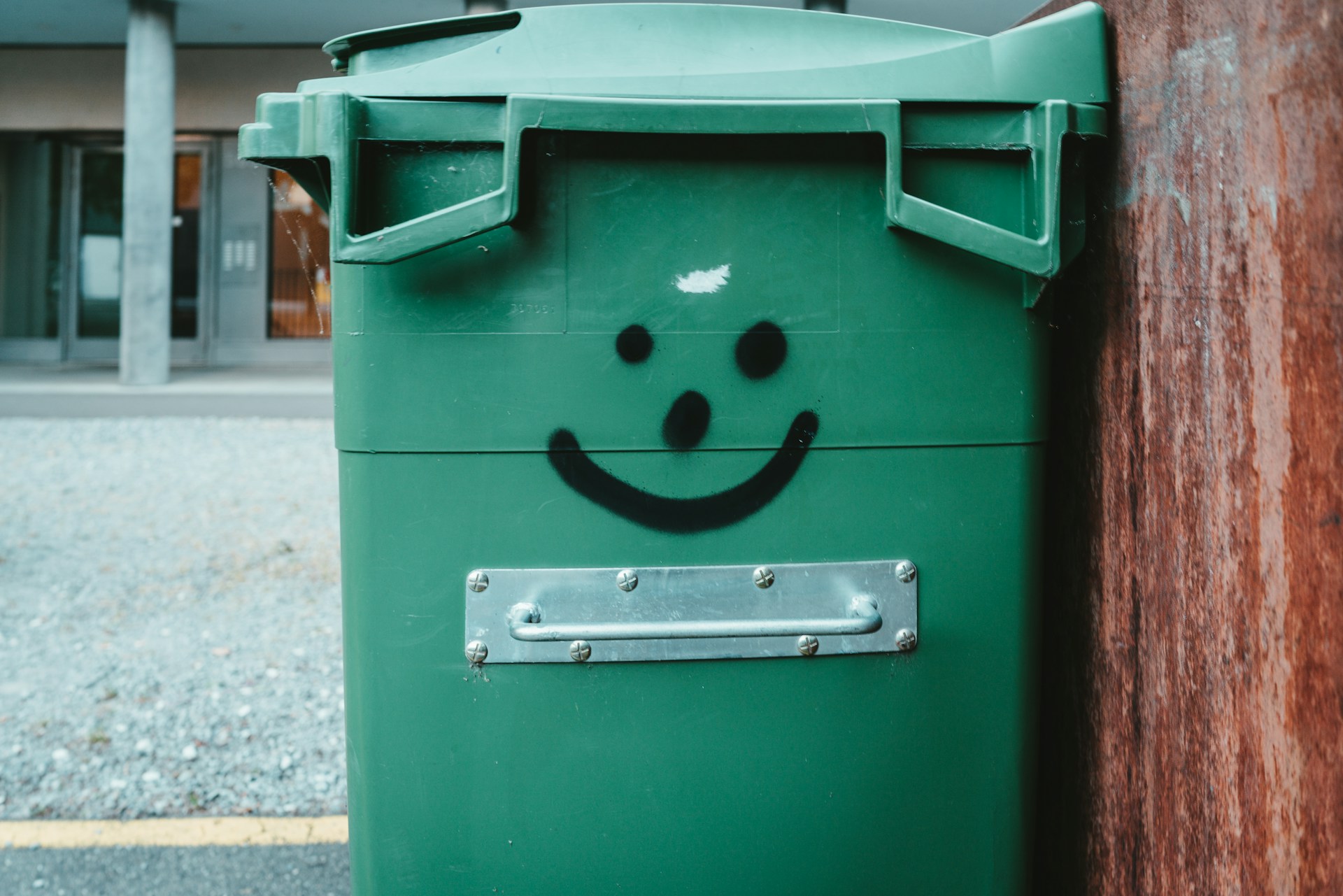
The trash can no longer be a catchall. As composting systems expand, throwing food scraps into the normal garbage can trigger fines in certain states. Local agencies now separate compostable material from landfill waste and expect households to follow suit. What once felt like an efficient single trip is becoming a ticket trigger. Families who do not learn the new rules could pay for old habits. Composting is moving from eco friendly suggestion to civic requirement, turning banana peels and leftovers into surprising financial liabilities.
Recording People In Public Without Consent
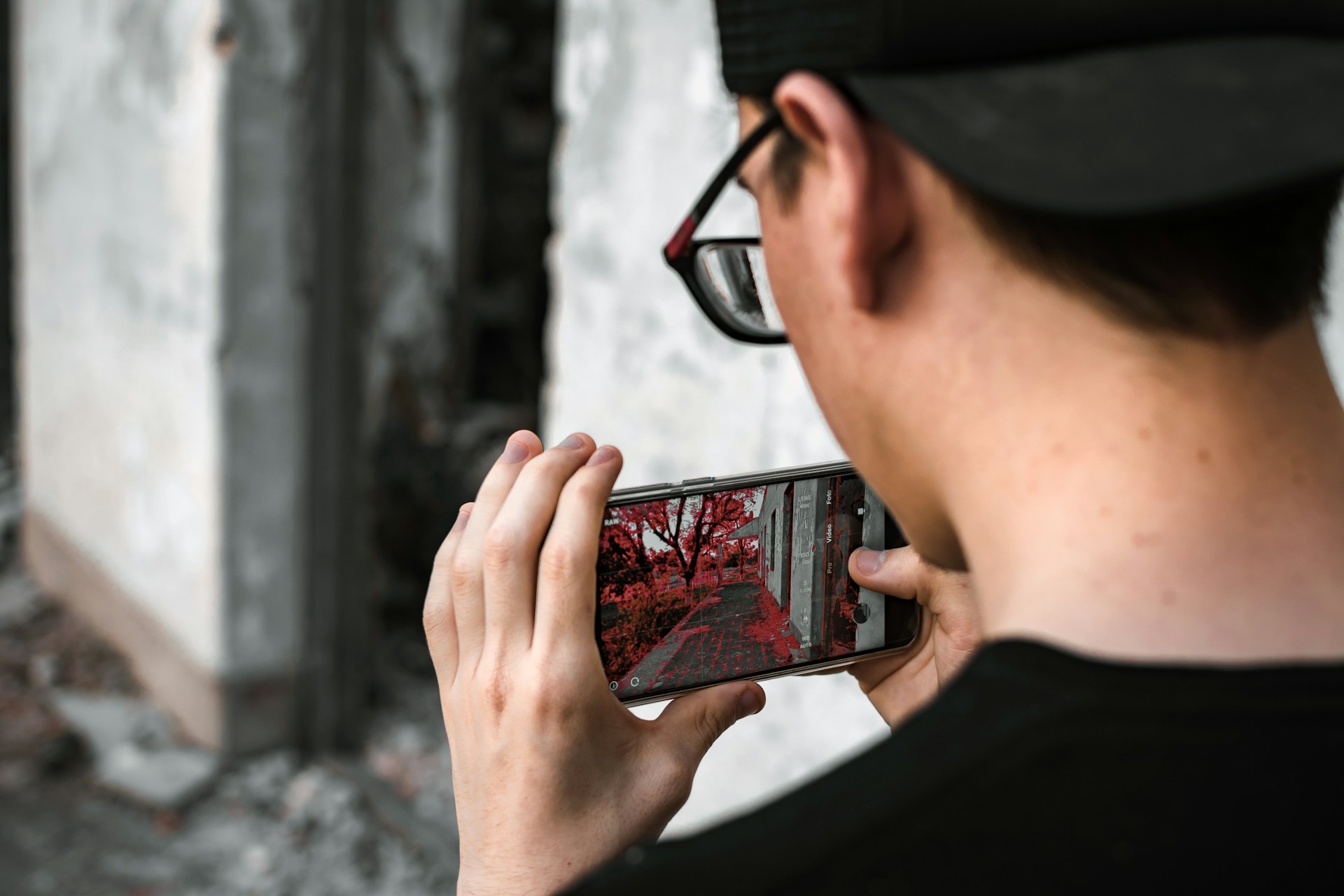
Phones now serve as cameras and microphones, but privacy laws are catching up. Recording strangers without permission, especially where there is an expectation of privacy, is becoming fine worthy. What once felt like harmless documentation can now be treated as surveillance. Cities and states are expanding personal privacy protections, meaning that filming someone’s reaction, argument or mishap may cost money. The ease of capturing moments has outpaced regulations, and authorities are closing the gap. In 2026, respect for boundaries is not just polite. It may be legally required.
Driving Too Slowly In The Passing Lane
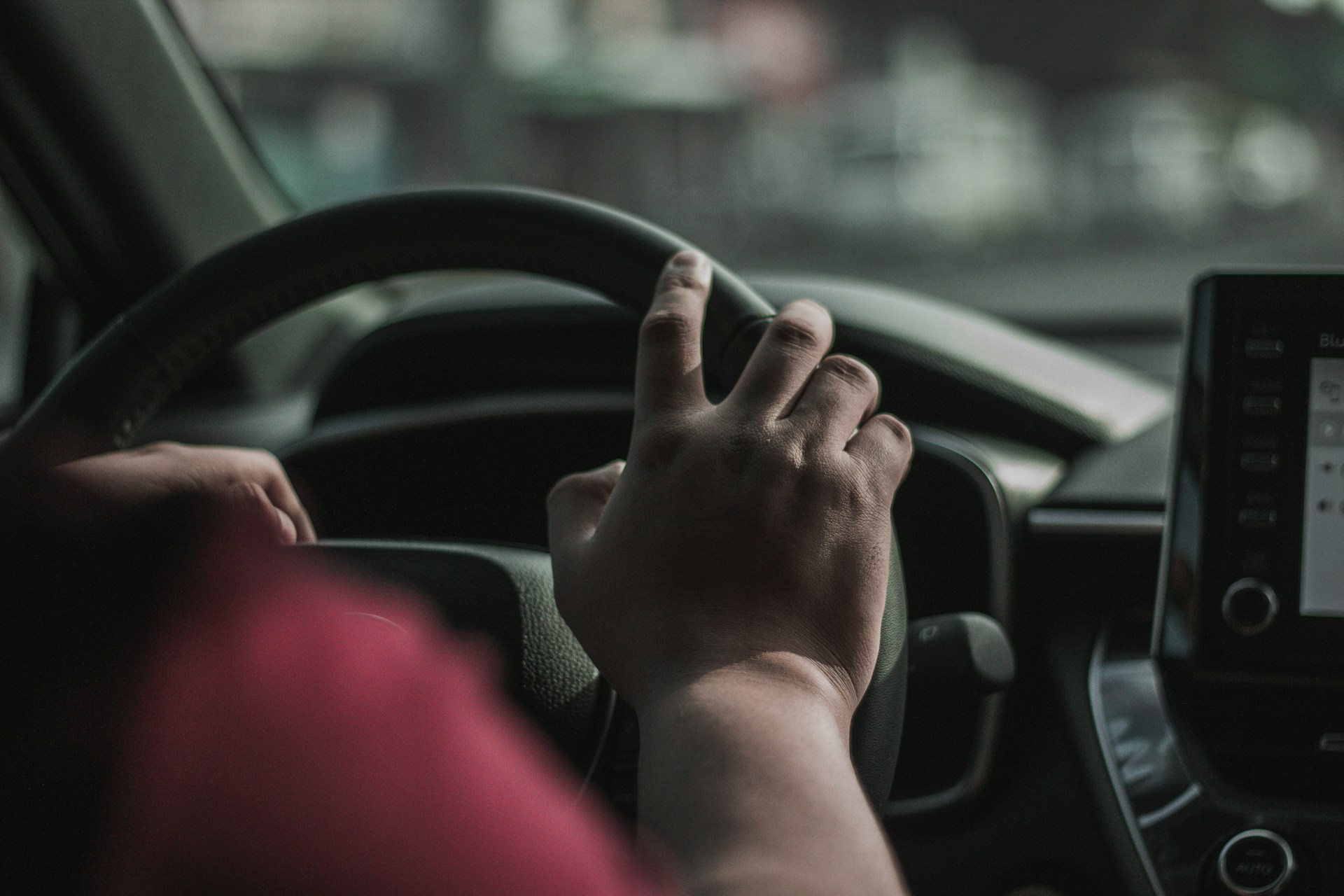
Staying in the left lane without passing is no longer just annoying. States are enforcing left lane rules with fines for slow drivers who block traffic flow. Highway patrols treat this as a safety issue because hesitation can cause sudden braking and impaired visibility. The left lane is meant for overtaking, not cruising. Drivers who ignore this design may pay for their misunderstanding. It is a cultural shift where courtesy and efficiency meet legal enforcement. Slower drivers must relearn lane etiquette or risk turning road habits into expensive mistakes.
Using Fireworks Without Local Permits
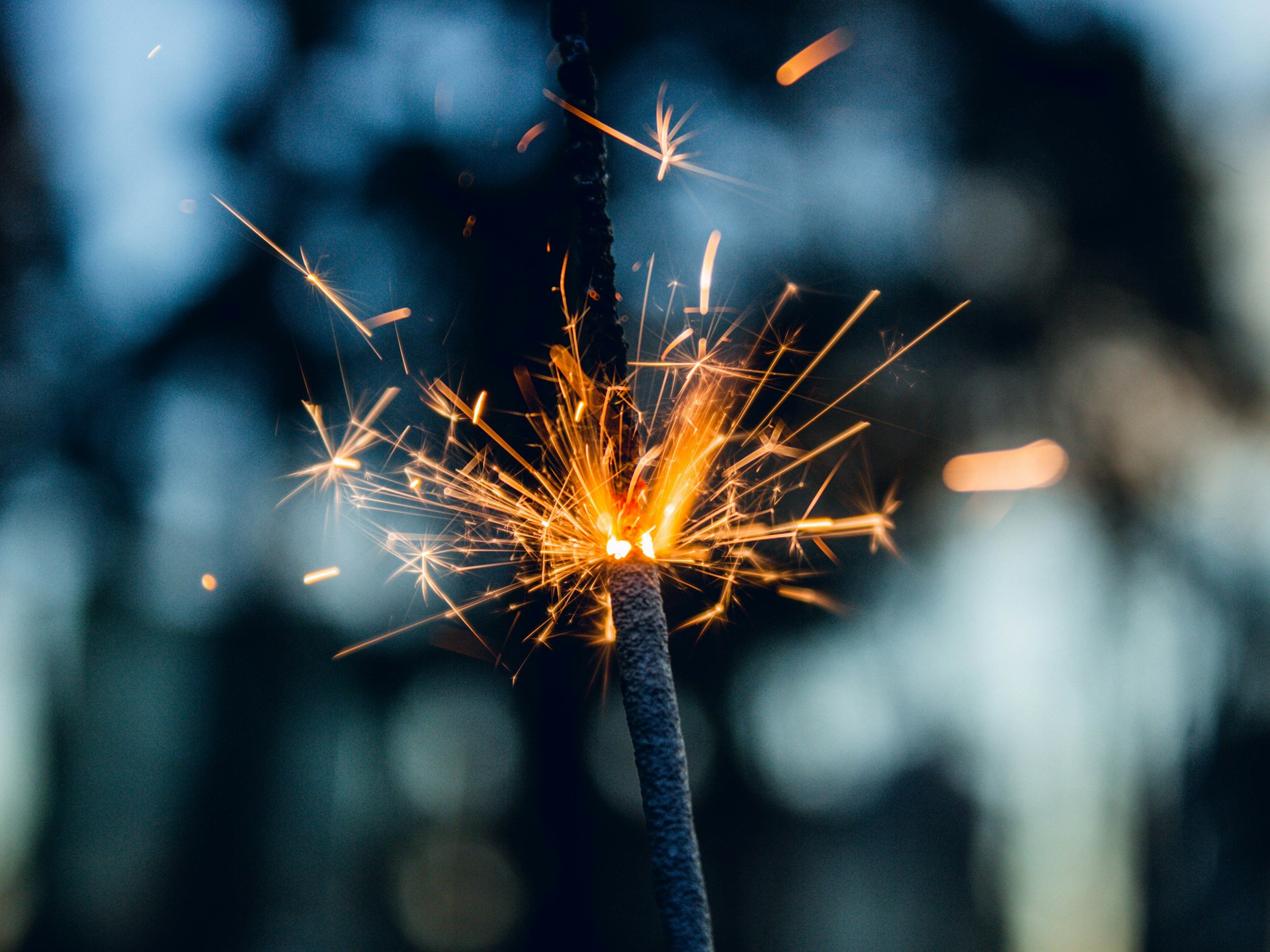
Fireworks once symbolized celebration, but they also raise concerns about injuries, fires and noise. Many states now require permits or restrict usage to specific days. Lighting fireworks casually in neighborhoods could lead to fines for people who assume the rules are unchanged. This habit grew out of tradition, yet modern communities demand safer celebrations. Even small backyard fireworks may be considered violations if schedules or permissions are ignored. What was once a festive impulse is becoming a regulated act that requires planning instead of spontaneity.
Feeding Wildlife In Parks And Neighborhoods

Feeding ducks, squirrels or deer used to feel kind and harmless, but wildlife officials see it differently. Food meant for animals creates dependency, disrupts natural behavior and attracts pests. Many areas now fine people who leave snacks for wildlife, even if the intention is pure. Urban parks and suburban neighborhoods are tightening enforcement to protect ecosystems. The habit of tossing bread or leftovers outdoors could cost money in 2026, turning nostalgia into a violation. Nature is being managed differently, and kindness without rules can become an offense.
Daily habits are changing faster than most people notice. What felt harmless a few years ago may now reflect environmental, safety or privacy concerns. Americans who ignore shifting norms will find their routines scrutinized and monetized as local governments adapt laws to modern problems. Fines are becoming tools that teach new behaviors. This transition reveals a country redefining responsibility, moving from individual convenience to collective accountability. Staying aware of these shifts could save money and prevent headaches as 2026 reshapes ordinary habits into regulated actions.