Parenting comes with endless advice, some helpful, some outdated, and some that can inadvertently put children at risk. Even the most careful parents sometimes follow popular safety tips without questioning their real-world effects. What seems logical or convenient can backfire, turning everyday routines into hidden hazards. Understanding these myths, why they persist, and how to replace them with evidence-based strategies is crucial for keeping kids genuinely safe. These situations aren’t about blame—they highlight how good intentions can have unintended consequences. Each myth is paired with a practical solution and ways to involve children in understanding safety. When parents approach these topics thoughtfully, they not only reduce risks but also instill critical thinking and awareness in their children. The goal is to turn common misconceptions into teaching opportunities. In doing so, parents can feel more confident, and children can learn lifelong safety habits. Paying attention to hidden risks strengthens both parenting skills and family safety culture.
1. Car seats are only for long trips
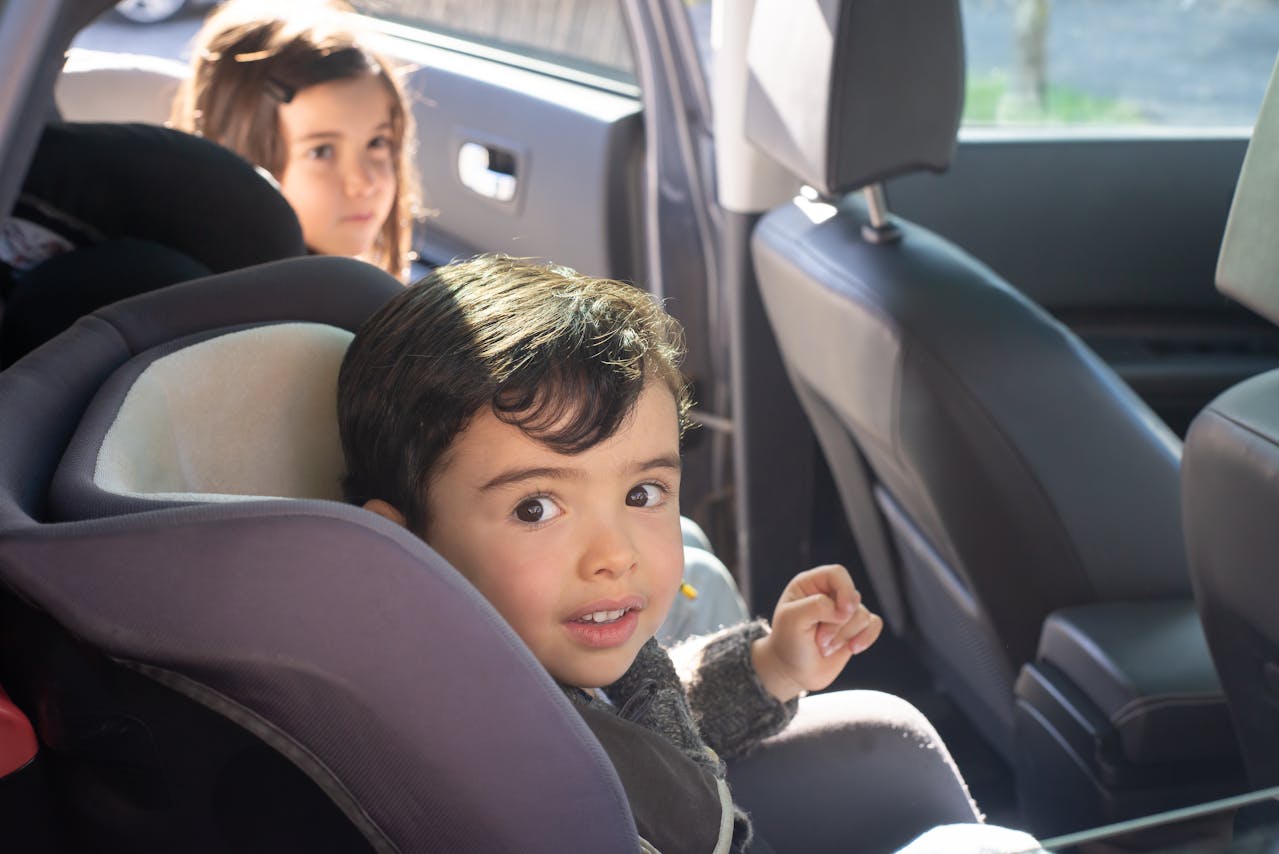
Many parents assume car seats are necessary only on highways or extended journeys, believing short errands pose minimal risk. The hidden danger is that most child injuries happen close to home, in driveways, parking lots, or streets only a few blocks away. Accidents can occur in seconds, and even slow-moving vehicles can cause serious harm. The practical solution is to use a properly installed car seat for every ride, no matter how brief. Parents can check harness straps and positioning each trip, reinforcing a culture of safety. Children notice these routines and learn that rules apply consistently, not selectively. Modeling this behavior sets a standard for responsible habits as they grow. Even a quick visit to a neighbor’s house becomes a teaching opportunity about consistent protection. Using the car seat every time ensures that what feels safe actually is safe. Over time, this consistency helps children understand that safety isn’t optional, but a daily practice.
2. Letting kids walk alone in familiar neighborhoods is safe
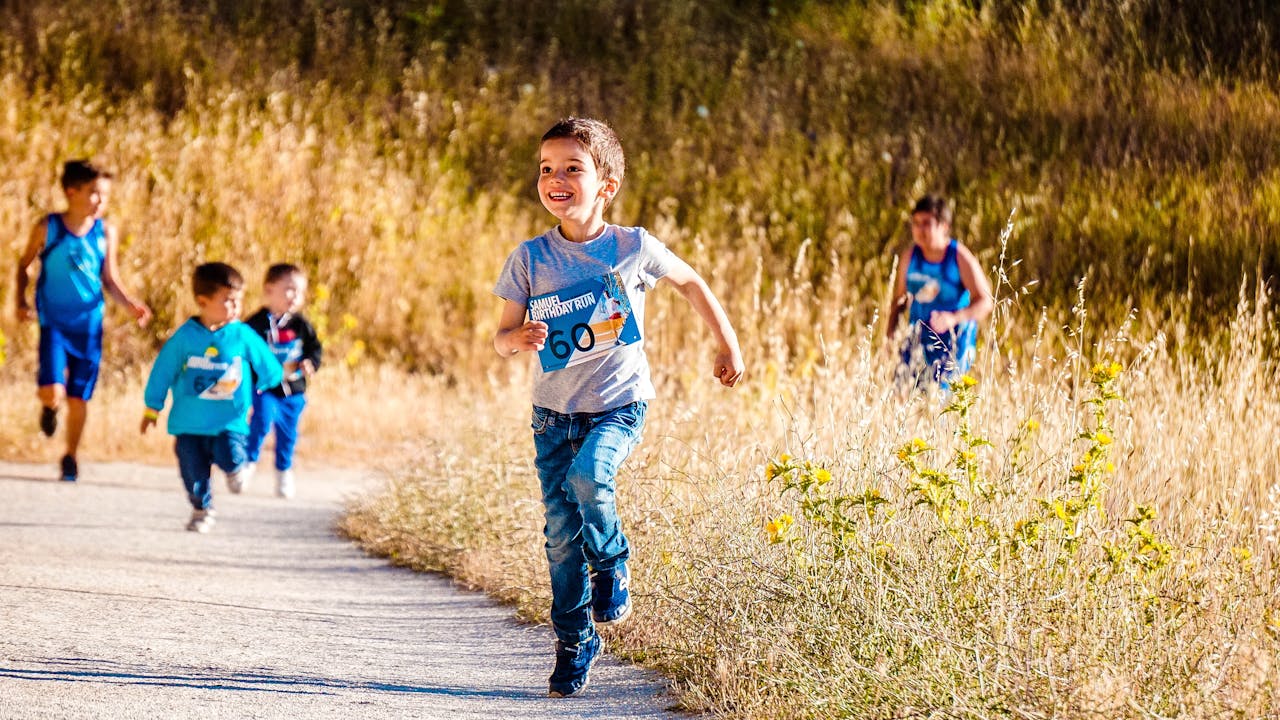
Parents often overestimate safety in neighborhoods they know well, allowing children to walk or bike unsupervised at a younger age than appropriate. Familiarity can give a false sense of security, but unexpected traffic, strangers, or construction hazards still pose risks. Gradually building independence with supervised practice is safer. Walking together, discussing traffic rules, and practicing crossing streets can help children develop judgment and confidence. By slowly extending distance and responsibility, kids learn to make decisions in real-world situations. Parents can also explain why rules exist even on streets they “know,” fostering awareness without fear. This approach balances freedom and caution, showing that independence grows alongside preparation. It transforms a daily walk into a learning experience about situational awareness and self-reliance. Children gradually gain confidence while understanding boundaries. Teaching kids to observe, evaluate, and anticipate potential risks helps them develop lifelong safety awareness.
3. Kids don’t need sunscreen on cloudy days
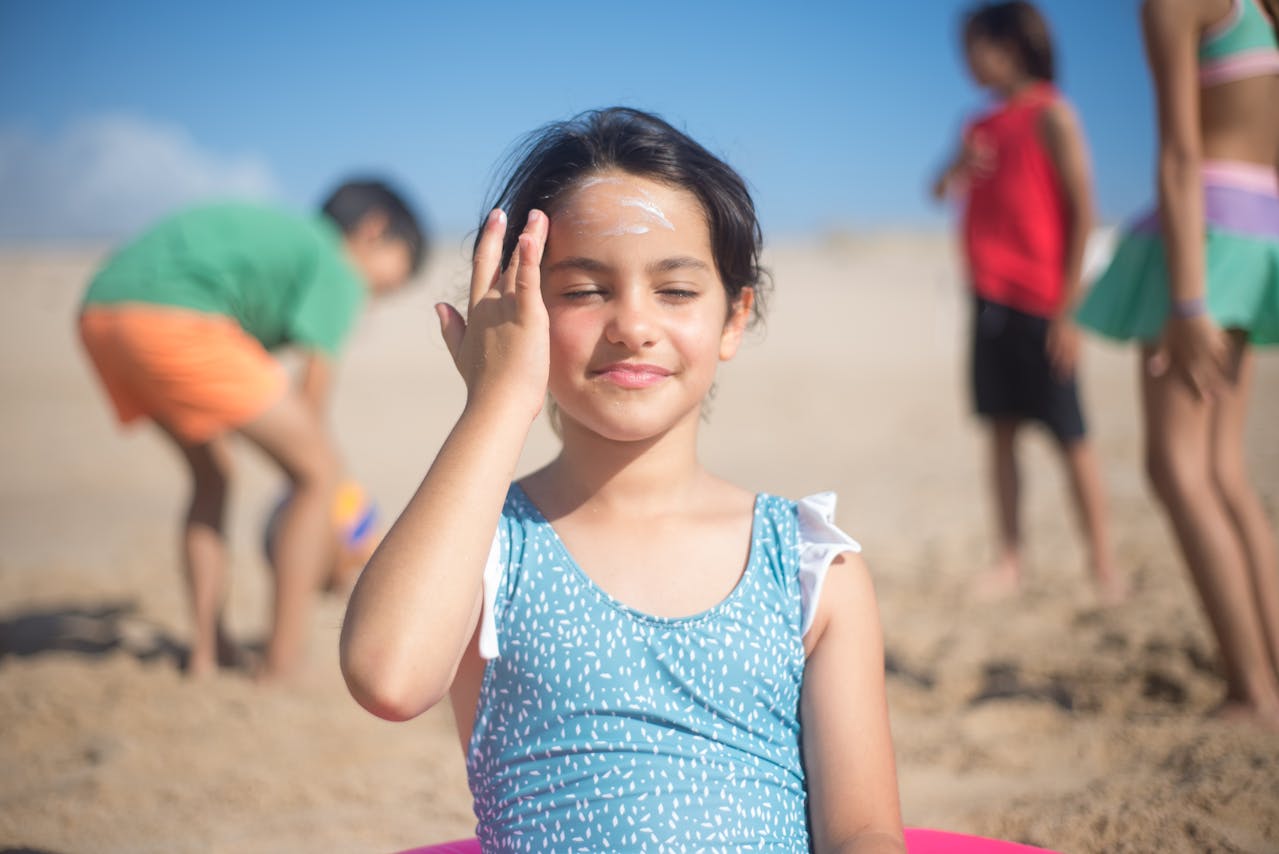
Many parents skip sunscreen when skies are overcast, believing UV rays are blocked by clouds. In reality, harmful rays can penetrate clouds and still cause skin damage, sunburn, and long-term risks like skin cancer. Applying broad-spectrum SPF daily, even when it seems unnecessary, ensures continuous protection. Making sunscreen application part of the morning routine helps children see that safety is habitual, not optional. Parents can use colorful bottles, playful application, or involve children in applying it themselves to make the process engaging. Teaching children about UV exposure instills understanding that safety is about foresight, not reaction. They learn that preventive measures are small but powerful. Habits like these reinforce that even seemingly harmless days carry hidden risks. Children internalize that protection is consistent, not situational. Learning to prioritize sun safety early equips children with habits that protect them for a lifetime.
4. Older siblings can always supervise younger kids
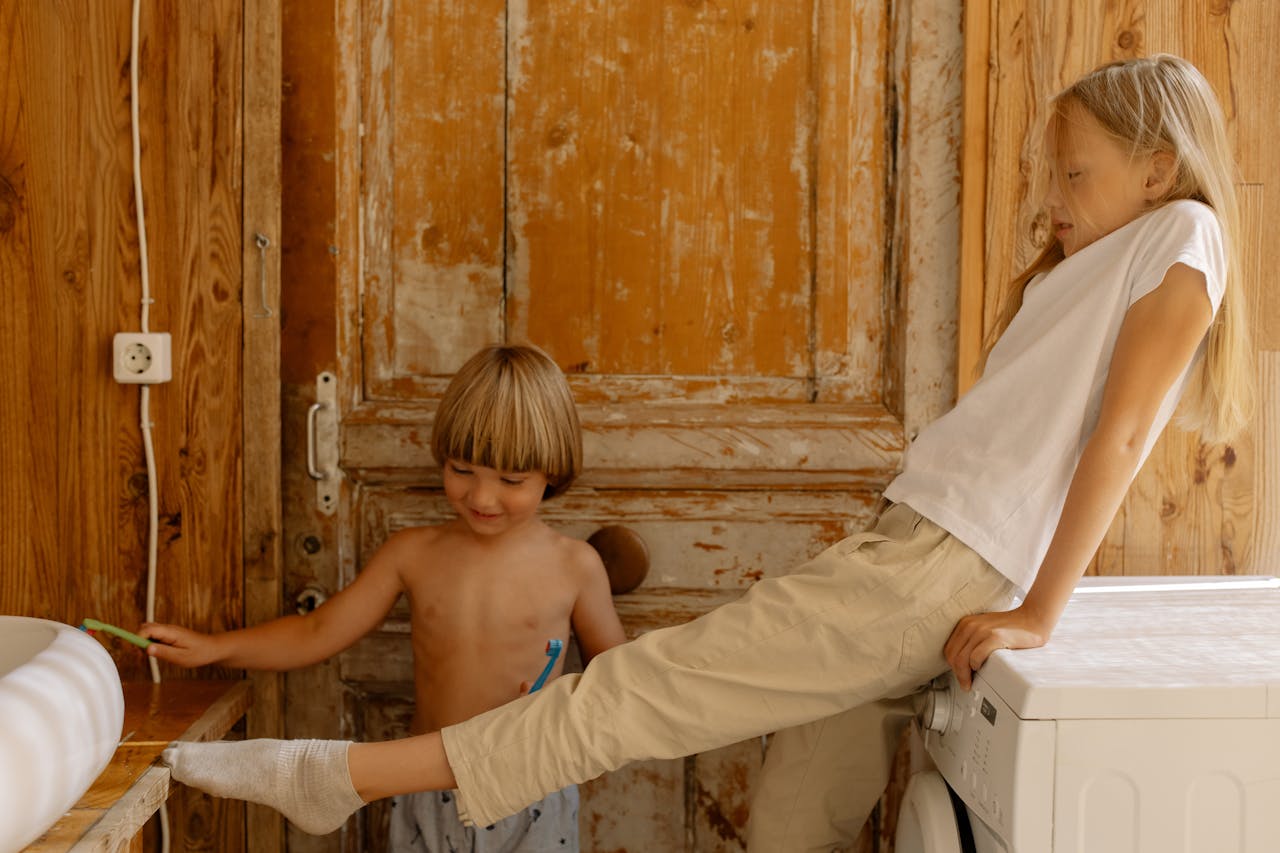
Many parents rely on older siblings to watch younger children, assuming their size, maturity, or helpfulness makes them safe caretakers. It feels logical: after all, the older child is attentive, knows the house rules, and has helped out before. The shocking reality is that even responsible siblings can’t react as quickly as an adult in emergencies. Accidents happen in seconds, a fall from a chair, a sudden spill, or a small object in the wrong place can turn into a real danger before anyone can intervene. Parents can involve older siblings in supervision, but it’s essential to pair their help with adult oversight. Teaching them safety skills, like checking on the younger child and alerting an adult immediately, balances responsibility with protection. This approach reduces risk without discouraging helpfulness. It also gives older kids a chance to practice care without bearing full responsibility for safety. Recognizing the limits of sibling supervision is key to preventing accidents and easing parental worry.
5. Baby walkers help kids learn to walk faster
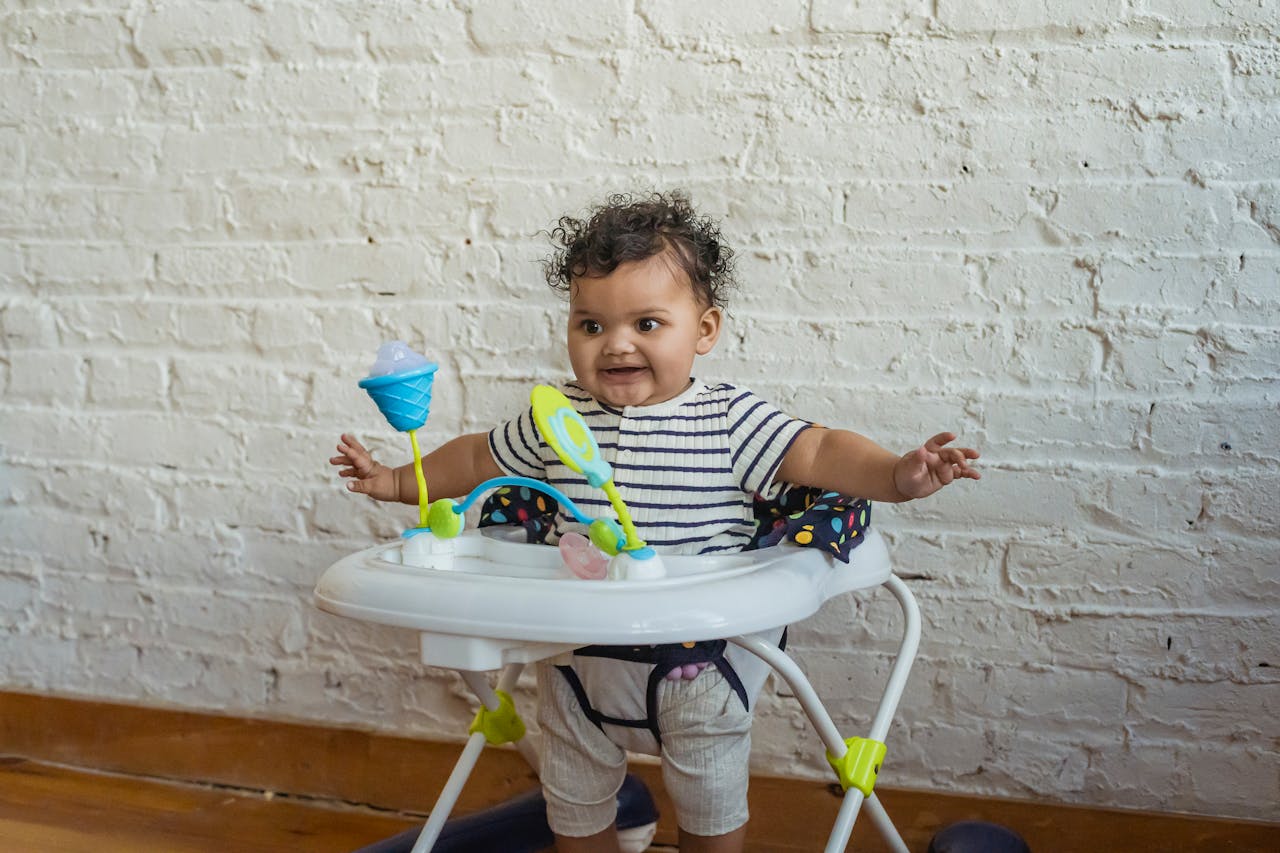
Baby walkers are marketed as fun tools that encourage mobility, leading many parents to believe they accelerate walking and support motor development. They’re colorful, engaging, and seem harmless, so it’s easy to assume they’re safe for little ones. The reality is far less benign: walkers actually increase the risk of falls, tip-overs, and access to dangerous objects. Babies can move faster than they can control, and injuries from stairs, furniture, or tipping are common. Experts strongly advise avoiding walkers entirely. Instead, parents can encourage walking through floor play, pushing toys, or guided practice while holding hands. These methods are safer and foster strength, balance, and confidence naturally. Understanding that convenience doesn’t equal safety helps parents make choices that protect rather than endanger. Walkers may look like progress, but they often introduce hidden hazards that outweigh any perceived benefit.
6. Crib bumpers or soft bedding are safe if they feel cushioned

Soft crib bumpers, blankets, or plush bedding feel protective, cozy, and comforting, leading parents to think they reduce the risk of bumps or bruises. It seems intuitive, soft materials equal safe sleep. However, the reality is alarming: these items increase the risk of suffocation, strangulation, and Sudden Infant Death Syndrome (SIDS). Even when used carefully, bumpers and extra bedding create hazards that babies cannot avoid. Pediatric guidelines now recommend bare cribs with a fitted sheet and nothing else. Parents can still make the crib feel welcoming with sleep sacks, well-secured swaddles, or safe tactile toys outside the crib. Learning to prioritize safe sleep over aesthetic comfort is challenging but lifesaving. By following evidence-based practices, parents not only reduce risk but also set a foundation for safe sleep habits as the child grows. Realizing that softness can be dangerous is a critical, sometimes surprising lesson in infant safety.
7. Kids are safe in shallow water or with floaties
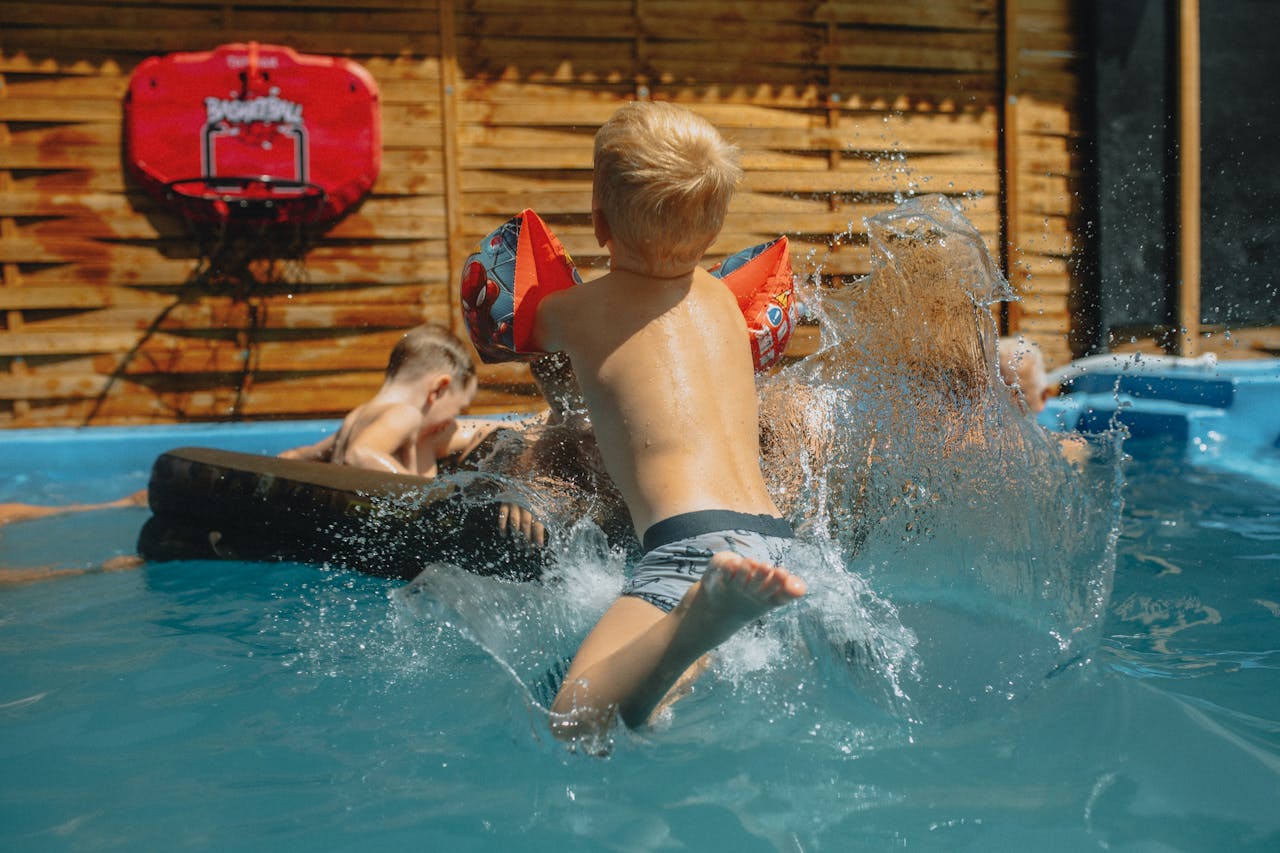
Many parents assume that standing water in a pool, bathtub, or lake is harmless, especially if their child wears floaties or armbands. The illusion of safety is strong: the water is shallow, and the child looks secure. The reality is much more dangerous, drowning can happen silently in just a few inches of water, in seconds. Floatation devices give a false sense of security and do not replace active adult supervision. Accidents often happen faster than anyone expects, and a momentary distraction can have tragic consequences. Parents should maintain close, hands-on supervision for every water interaction, no matter how shallow it seems. Teaching children water awareness and establishing clear rules around bathing and swimming also helps prevent risk. Understanding that shallow water is never “risk-free” is crucial for avoiding hidden hazards. Vigilance, not just devices or proximity, is what truly keeps kids safe near water.