When we imagine the Wild West, iconic images of cowboys, lawmen, and frontier towns often come to mind, but the stories we’ve been told have left out so much of the real history. In reality, Black men and women played vital roles in shaping the American West, contributing as pioneers, soldiers, ranchers, law enforcers, and community builders. These figures didn’t just survive the frontier, they helped define it, often without receiving the recognition they deserved.
Learning about these influential Black pioneers helps correct longstanding gaps in our collective memory. Their courage, resilience, and ingenuity helped define an era that shaped the modern United States. These figures may not always receive the credit they deserve, but their contributions continue to echo through history and deserve to be remembered, taught, and celebrated.
Here are eight Black individuals whose contributions were essential to the development of the Wild West, even if their names don’t always make it into the history books.
1. Bass Reeves – Legendary Deputy U.S. Marshal
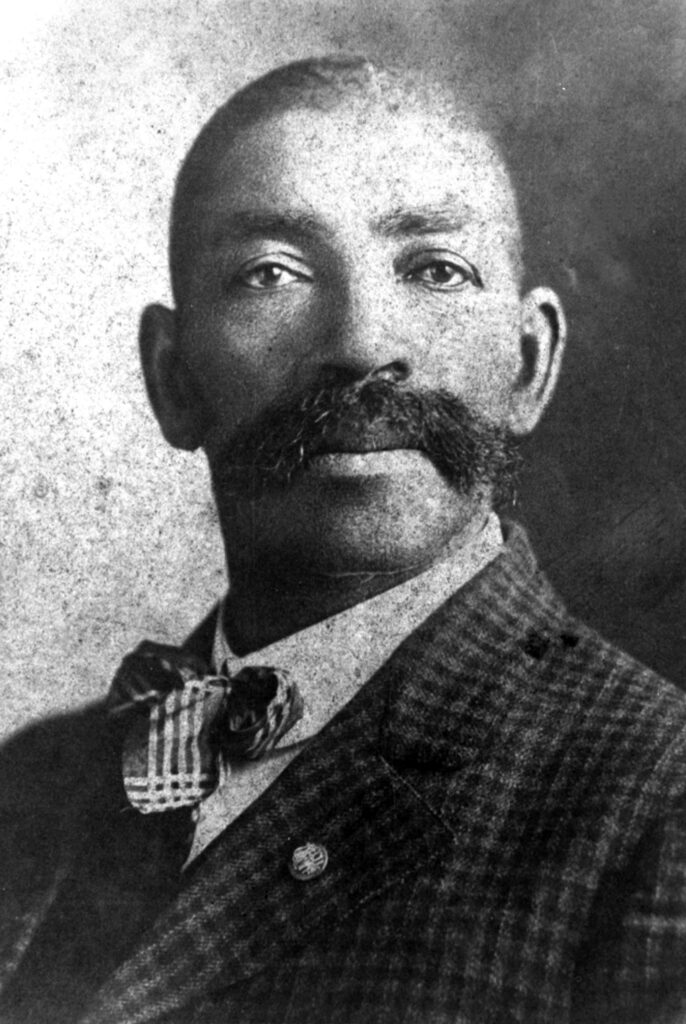
Bass Reeves was one of the first Black deputy U.S. marshals west of the Mississippi and one of the most successful lawmen in American history. Born into slavery, Reeves escaped during the Civil War and built a life of courage and resilience. Over decades of service in Indian Territory (present‑day Oklahoma), he arrested thousands of outlaws, often going undercover and tracking fugitives through tough, unforgiving terrain.
Reeves was known for his sharp intellect, tracking skills, and mastery of multiple languages spoken by Native tribes. Many historians believe his life even inspired fictional lawmen like “The Lone Ranger.” Yet, despite his legendary career, his story remains relatively unknown outside history circles.
2. Mary Fields – “Stagecoach Mary,” Frontier Icon
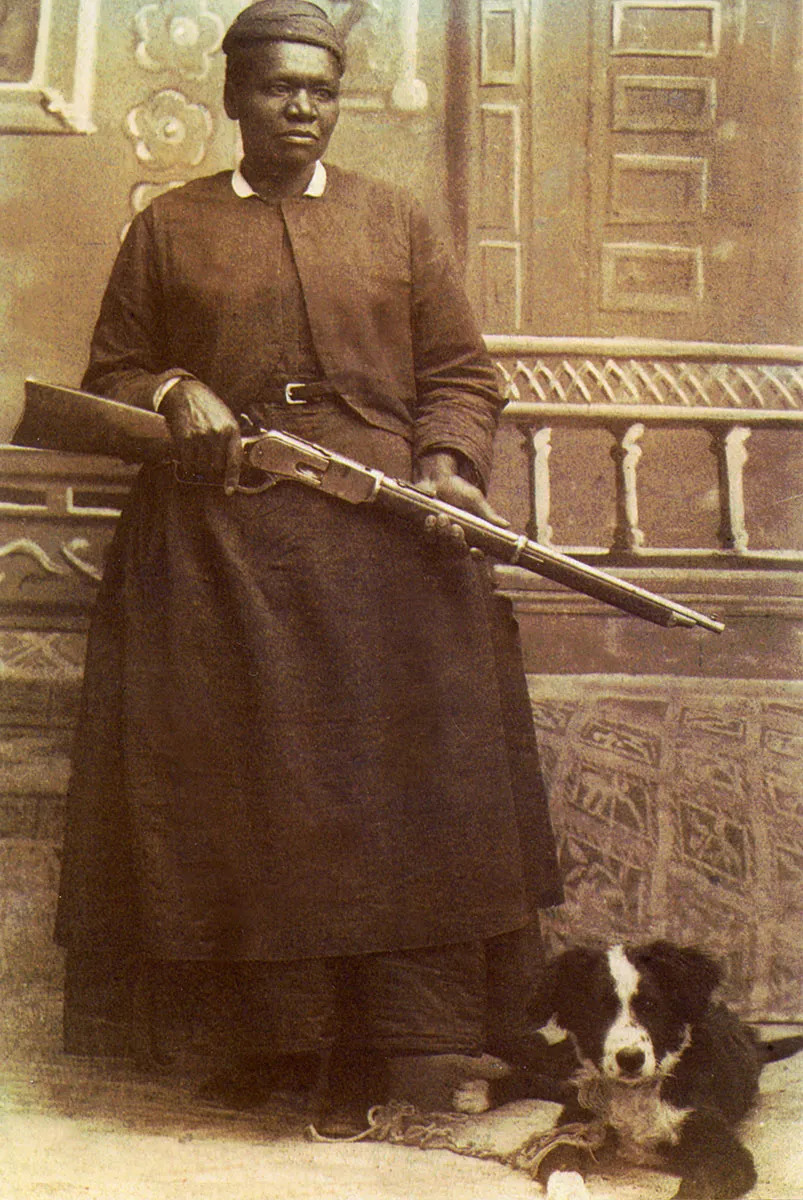
Mary Fields, nicknamed “Stagecoach Mary,” was a tough, fearless woman whose life defied stereotypes of her time. Born into slavery, she moved west and worked for the Catholic Church before becoming one of the first female star route carriers, meaning she delivered mail by stagecoach in Montana’s rugged terrain.
Mary was known for her sharp shooting, iron will, and loyalty to her community. She fearlessly endured harsh weather, difficult terrain, and outlaws, earning respect from her peers and rivals alike. Her bold spirit and independence made her a frontier legend.
3. James Beckwourth – Mountain Man and Explorer
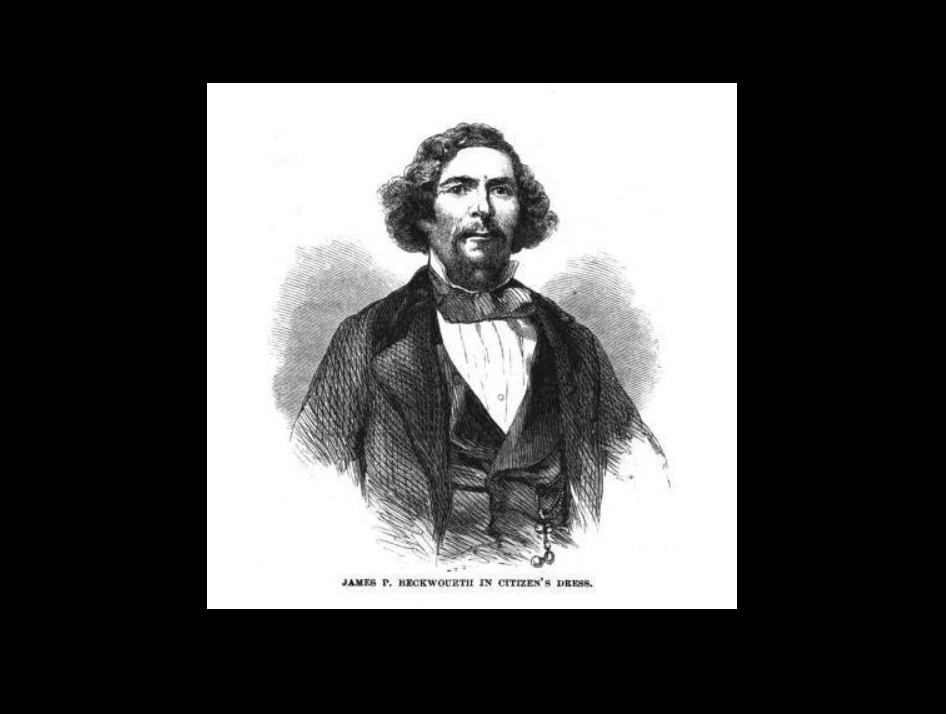
James Beckwourth was a mountain man, explorer, and fur trader whose adventures crossed the Rocky Mountains, Great Plains, and beyond. Of mixed African and Native American heritage, he lived with the Crow Nation for years and became a respected warrior and leader.
Beckwourth discovered what became known as the Beckwourth Pass, the lowest pass through the Sierra Nevada mountains, which later became an important route for settlers during westward expansion. His life blended cultures, skills, and landscapes in ways that symbolized the complexity of frontier life.
4. Oliver “Ol” Harrington – Cowboy and Rancher
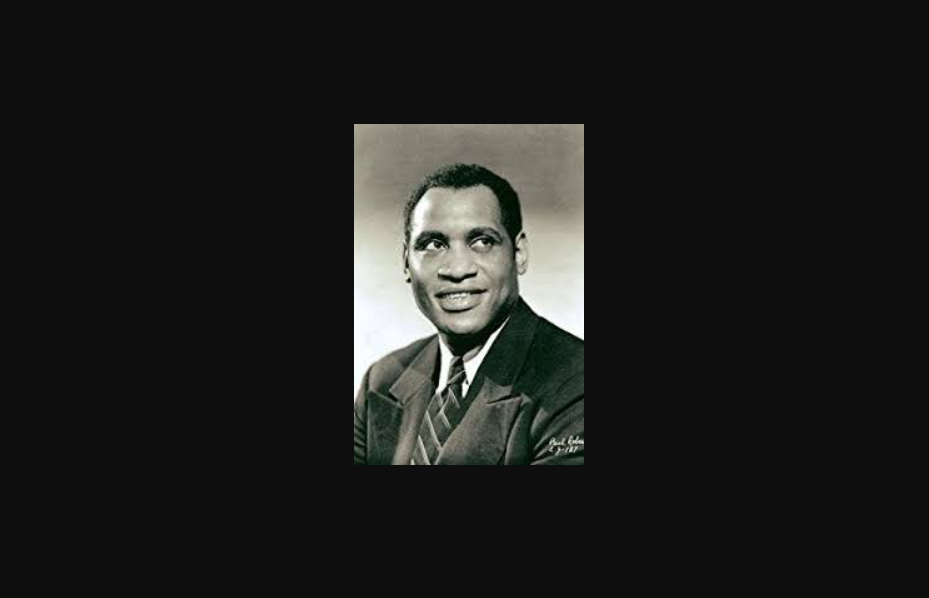
The contributions of Black cowboys are often overlooked, but they were a significant part of ranch work in the Wild West. Oliver “Ol” Harrington was among the thousands of Black cowboys who became expert horsemen and cattle drivers.
After the Civil War, many Black men found work on ranches where their skills became essential to managing large herds and long cattle drives. These cowboys shaped the work routines, culture, and lore of the American West, even as history often ignored their presence.
5. Bob Lemmons – Buffalo Soldier and Frontier Soldier
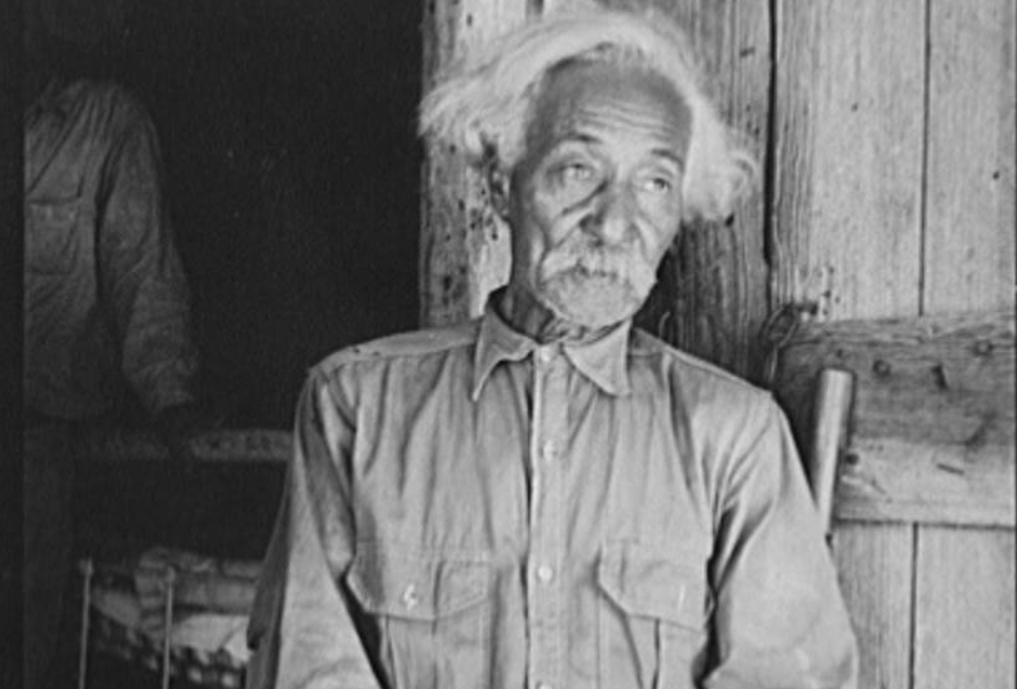
The Buffalo Soldiers were Black cavalry and infantry regiments formed after the Civil War, and Bob Lemmons was one of the soldiers who served with distinction on the frontier. These units played critical roles in protecting settlers, building infrastructure, and maintaining peace in the rapidly changing territories of the West.
They endured harsh conditions, discrimination, and danger, yet their service contributed to the security and expansion of frontier communities. Without their presence, the dynamics of the Western frontier would have looked very different.
6. Maria (Red) Martinez – Trader and Community Builder
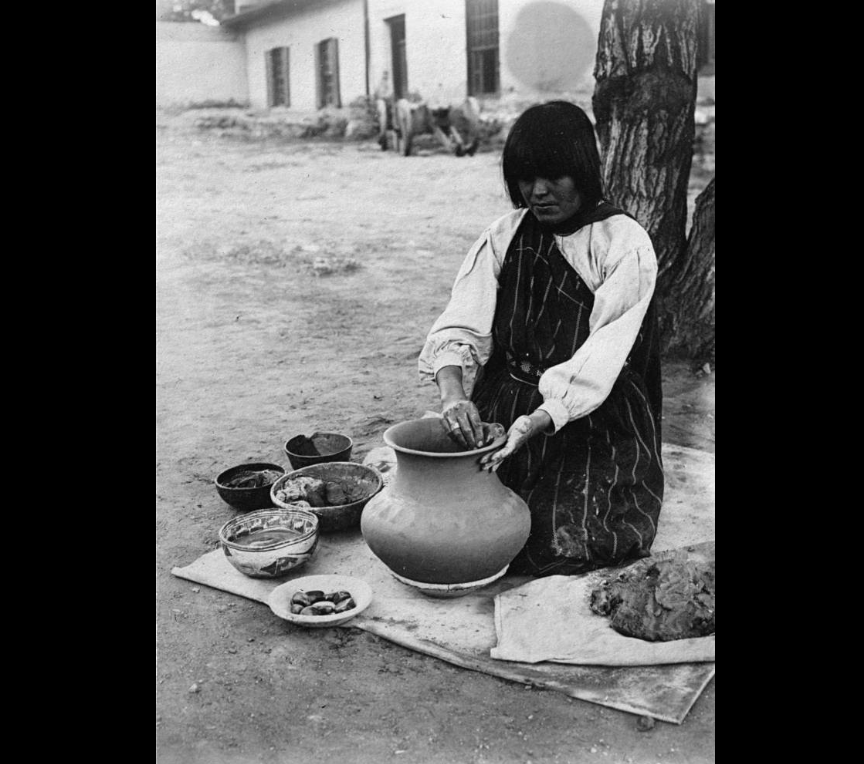
While many frontier stories focus on cowboys and soldiers, Black women also shaped Western life. Maria Martinez, known as “Red” Martinez, was a trader and entrepreneur in borderlands communities.
She ran trade posts, negotiated with travelers and settlers, and built networks of commerce that helped frontier towns thrive. Her work supported diverse communities and helped bridge cultural divides during a time of rapid expansion and change.
7. Nat Love – “Deadwood Dick,” Cowboy and Author
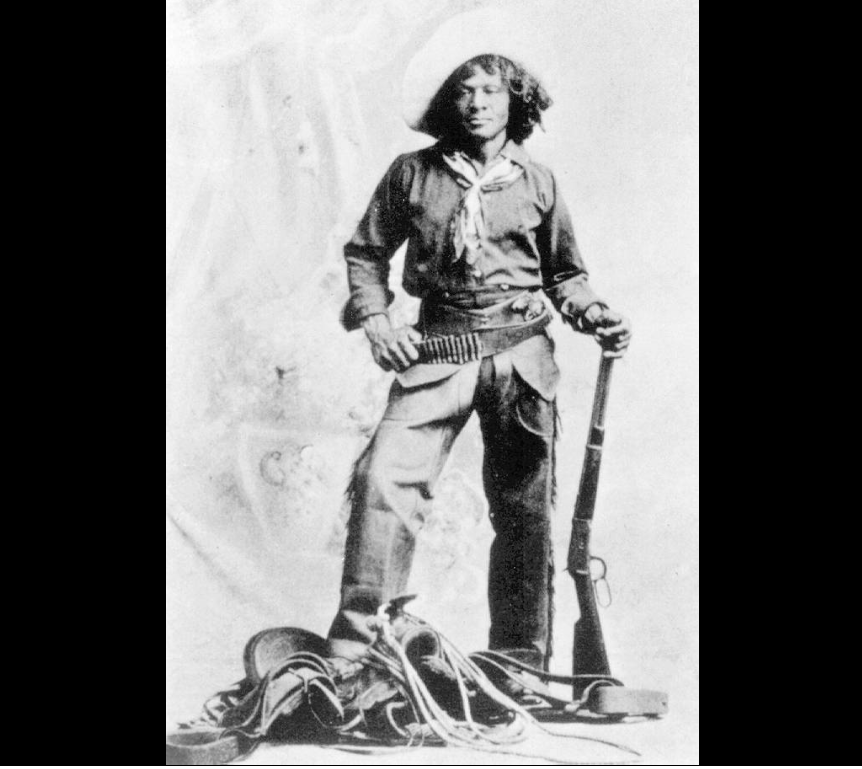
Nat Love, known as “Deadwood Dick,” was a celebrated cowboy, ranch hand, and later an author who chronicled his experiences in the West. Born into a family of formerly enslaved parents, Love became a skilled rider and roper who worked cattle drives from Texas to Kansas.
He later earned fame for his storytelling, recounting his life on the frontier in his autobiography. Love’s vivid memories preserved an important perspective on cowboy life that history often overlooks.
8. William “Brushy Bill” Roberts – Controversial Frontier Figure
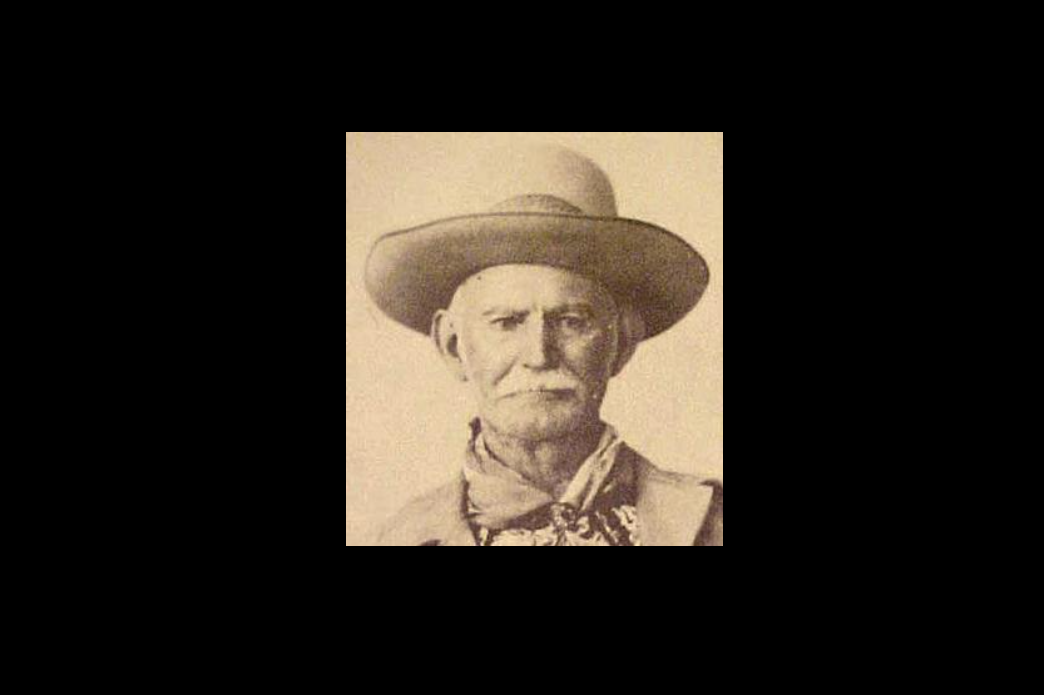
William “Brushy Bill” Roberts is best known for his claim that he was the infamous outlaw Billy the Kid. Whether or not his story was true, Roberts embodied the mystery, myth, and complexity of the Wild West. A Black frontier figure whose narrative blurred legend and identity, he reminded later generations that history isn’t always straightforward. His presence challenges us to ask why some stories are remembered while others fade into obscurity.
These eight Black figures played major roles in shaping the Wild West, not just as participants, but as leaders, innovators, and cultural builders. Their lives remind us that history is richer, more diverse, and more complex than often portrayed. By sharing their stories with younger generations, we not only honor their legacy but also expand our understanding of American history.