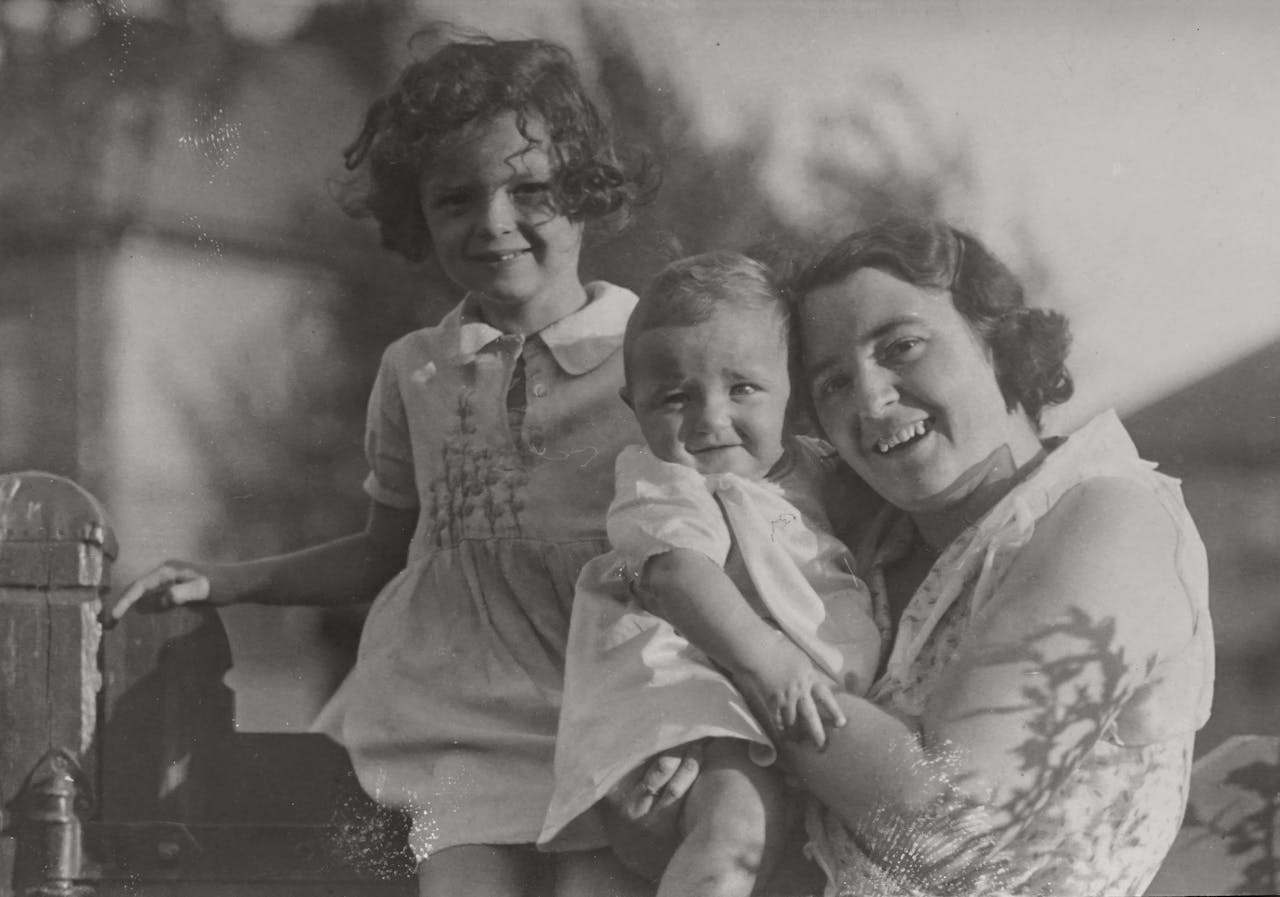
The 1920s were a period of rapid change in American life, marked by new technology, shifting morals, and a sense that modern living had arrived almost overnight. Families adapted quickly, often adopting habits that felt progressive and normal at the time but now seem startling. Safety standards were looser, social expectations were different, and many daily routines reflected a trust in systems that had not yet been fully tested. These habits were rarely questioned because they fit the pace and mindset of the era. Looking back at them today reveals how dramatically ideas about health, parenting, and responsibility have evolved. What once felt ordinary now feels unsettling, offering a quiet reminder of how much family life has changed over the last century.
1. Letting Babies Sleep Outside in All Weather
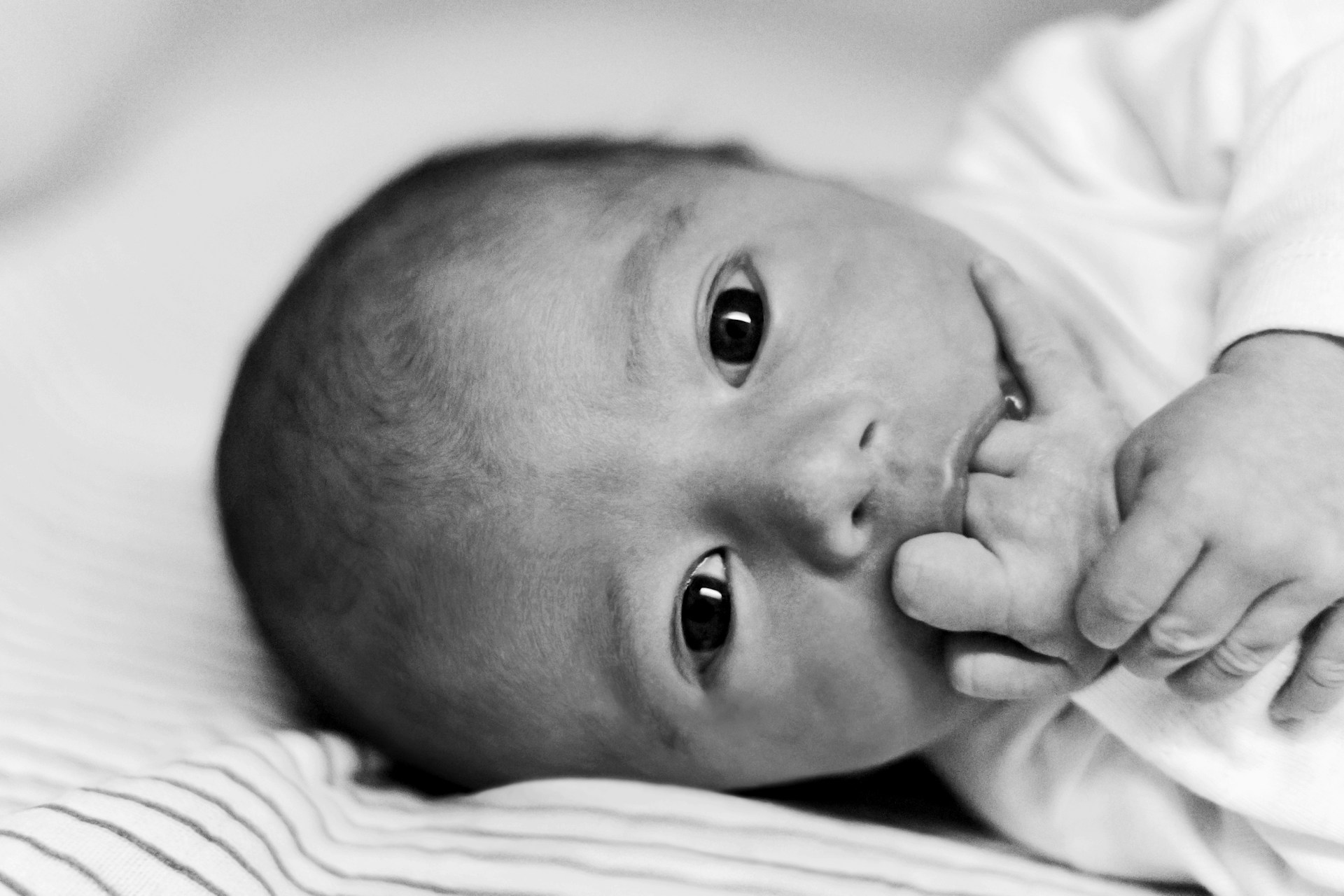
In the 1920s, many American families believed that fresh air was essential for infant health, even in cold or unpredictable weather. Babies were often placed outside in prams or on enclosed balconies for extended naps, sometimes bundled lightly and left unattended. This practice was encouraged by medical advice of the time, which emphasized air circulation over warmth. Parents viewed it as responsible and modern. Today, the idea of leaving a baby outside unsupervised would alarm most families, highlighting how dramatically standards around safety and childcare have shifted.
2. Sending Children to Run Errands Alone in Busy Cities
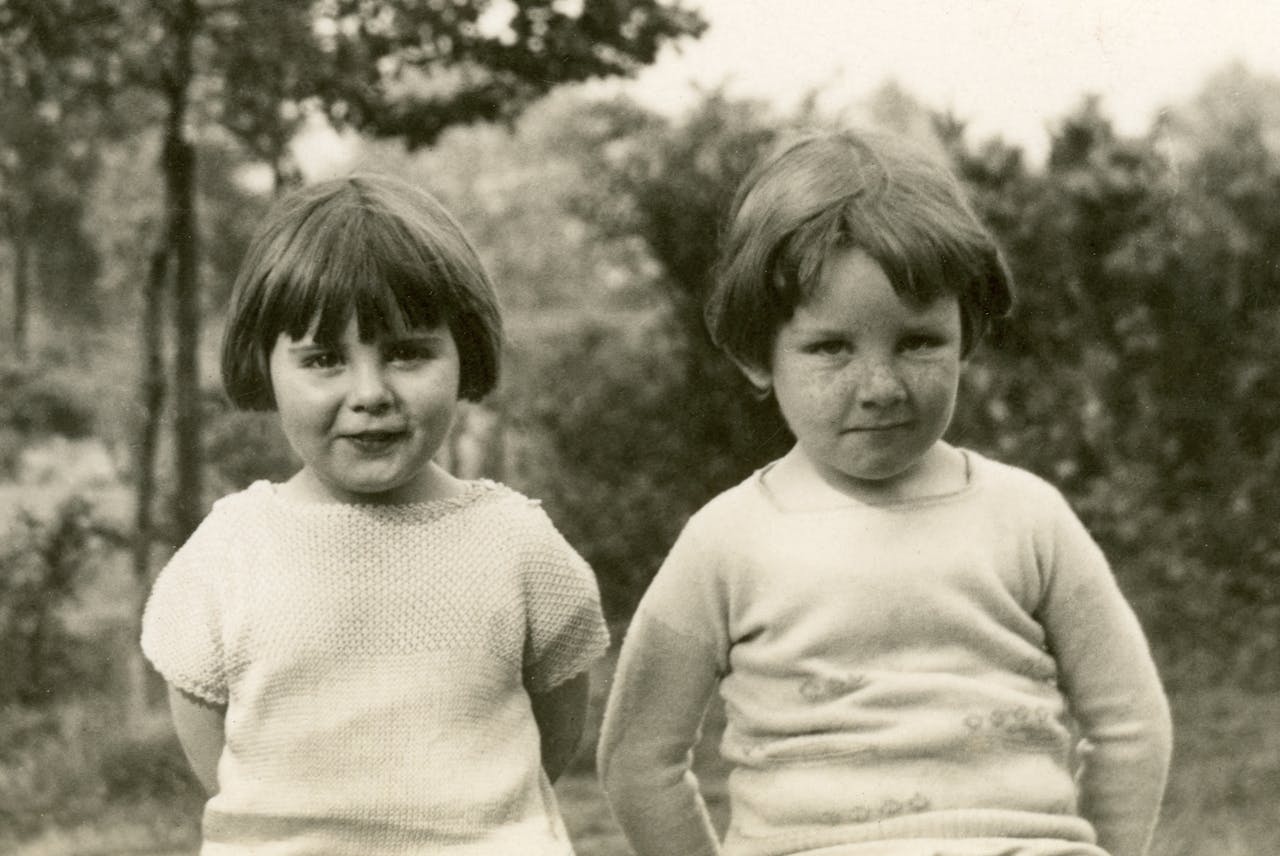
Urban children in the 1920s were commonly sent alone to buy groceries, deliver messages, or pick up household items, even in crowded city streets. Parents trusted children to navigate traffic, interact with adults, and manage money without supervision. This independence was seen as character building rather than risky. Families relied on community familiarity and informal oversight. In contrast, modern parents view busy streets as hazardous environments, making this level of independence feel shocking by today’s standards.
3. Smoking Freely Around Children and at Family Gatherings
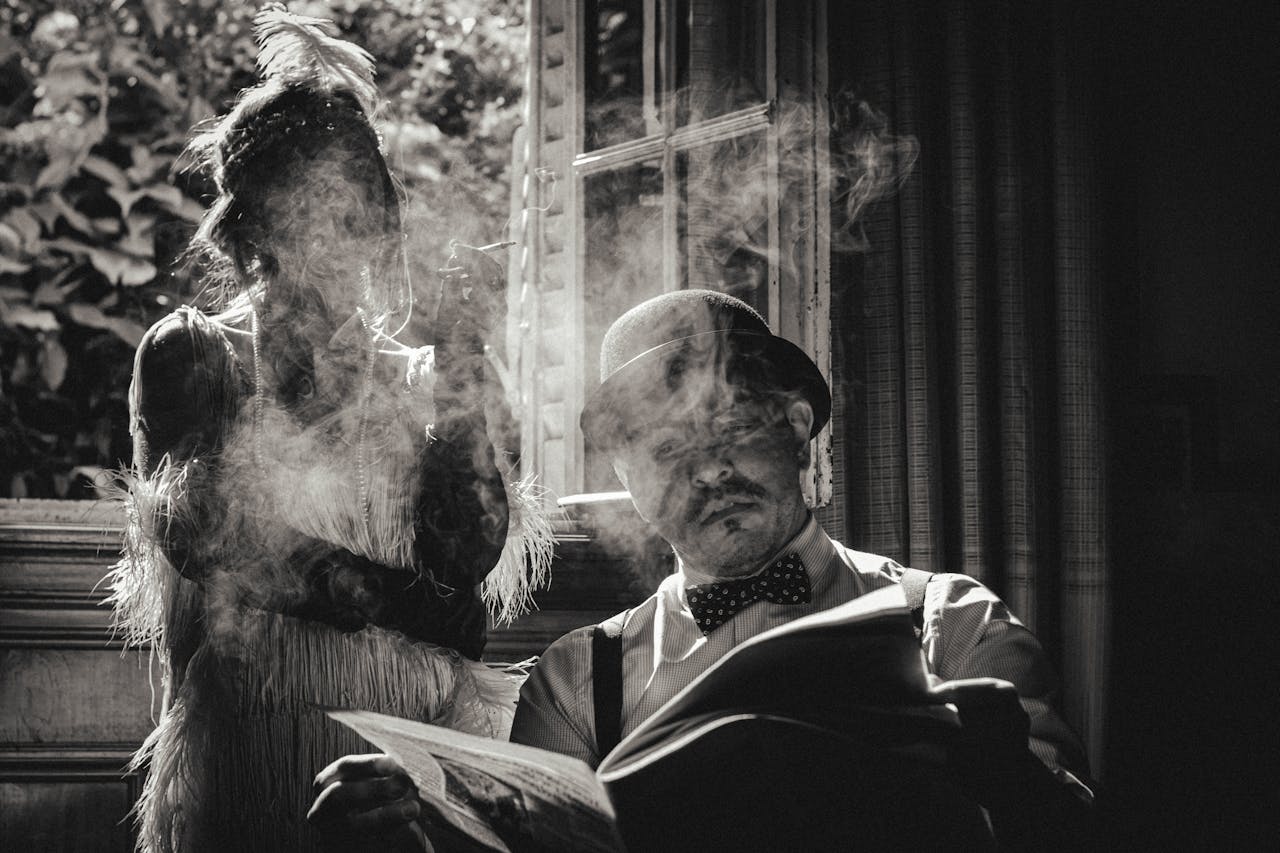
Smoking was deeply woven into daily life during the 1920s, including inside homes and around children. Cigarettes were associated with sophistication and relaxation, not health risk. Family gatherings often included adults smoking openly while children played nearby. The absence of warning labels or public health awareness meant few questioned the habit. Today, with widespread knowledge of secondhand smoke risks, this casual exposure feels disturbing. The shift reflects how medical understanding has transformed family norms.
4. Trusting Household Products Containing Dangerous Chemicals
Many household products used by families in the 1920s contained substances now known to be hazardous. Cleaning supplies, cosmetics, and even toys sometimes included toxic ingredients without warning. Families trusted manufacturers and assumed products sold openly were safe. Regulation was minimal, and consumer protection was limited. Modern families expect rigorous testing and labeling, making this blind trust seem reckless. The habit reflects an era when innovation outpaced safety awareness.
5. Treating Serious Illnesses at Home Without Professional Care
Families in the 1920s often managed serious illnesses at home using remedies passed down through generations or advice from neighbors. Professional medical care was not always accessible or affordable, and home treatment was considered practical. Children frequently witnessed illness and recovery firsthand. Today, families rely heavily on professional healthcare and emergency services. The idea of managing serious conditions without medical oversight feels risky, underscoring how access to care has reshaped family expectations.
6. Allowing Teenagers to Leave School for Full-Time Work
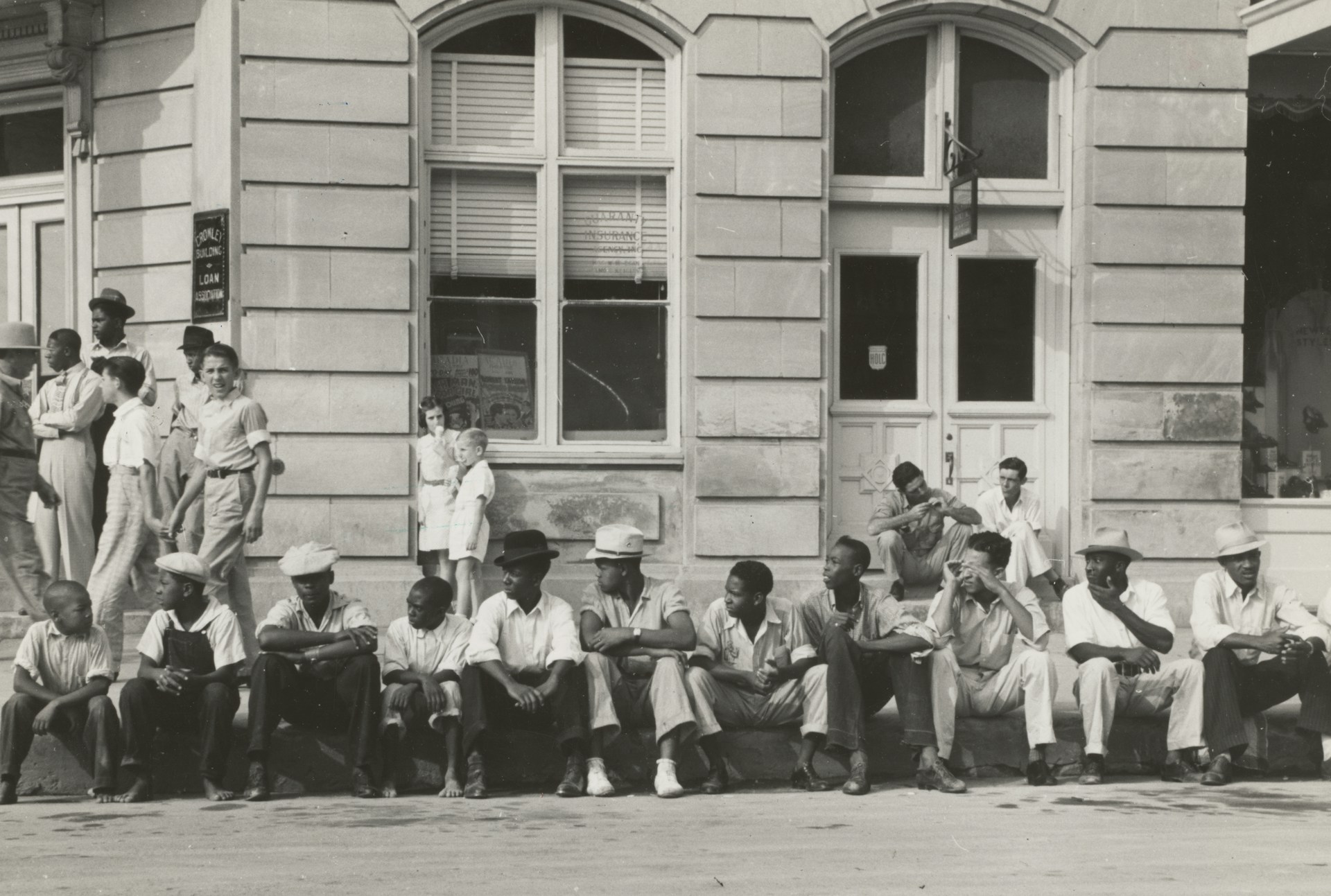
It was common for teenagers in the 1920s to leave school early to support their families financially. Education was valued, but economic contribution often took priority. Families expected young people to step into adult responsibilities quickly. This was seen as maturity rather than sacrifice. In contrast, modern families emphasize extended education and delayed entry into full-time work. The shift highlights changing views on childhood, opportunity, and long-term development.
7. Sharing Public Drinking Cups and Utensils

Public spaces in the 1920s often provided shared drinking cups or utensils, which families used without concern. Germ theory was still gaining acceptance, and hygiene standards were evolving. Parents did not view these shared items as dangerous. Today, awareness of disease transmission makes this habit unsettling. Families now prioritize personal hygiene and individual use, reflecting how public health knowledge has reshaped everyday behavior.
8. Accepting Risk as a Normal Part of Family Life
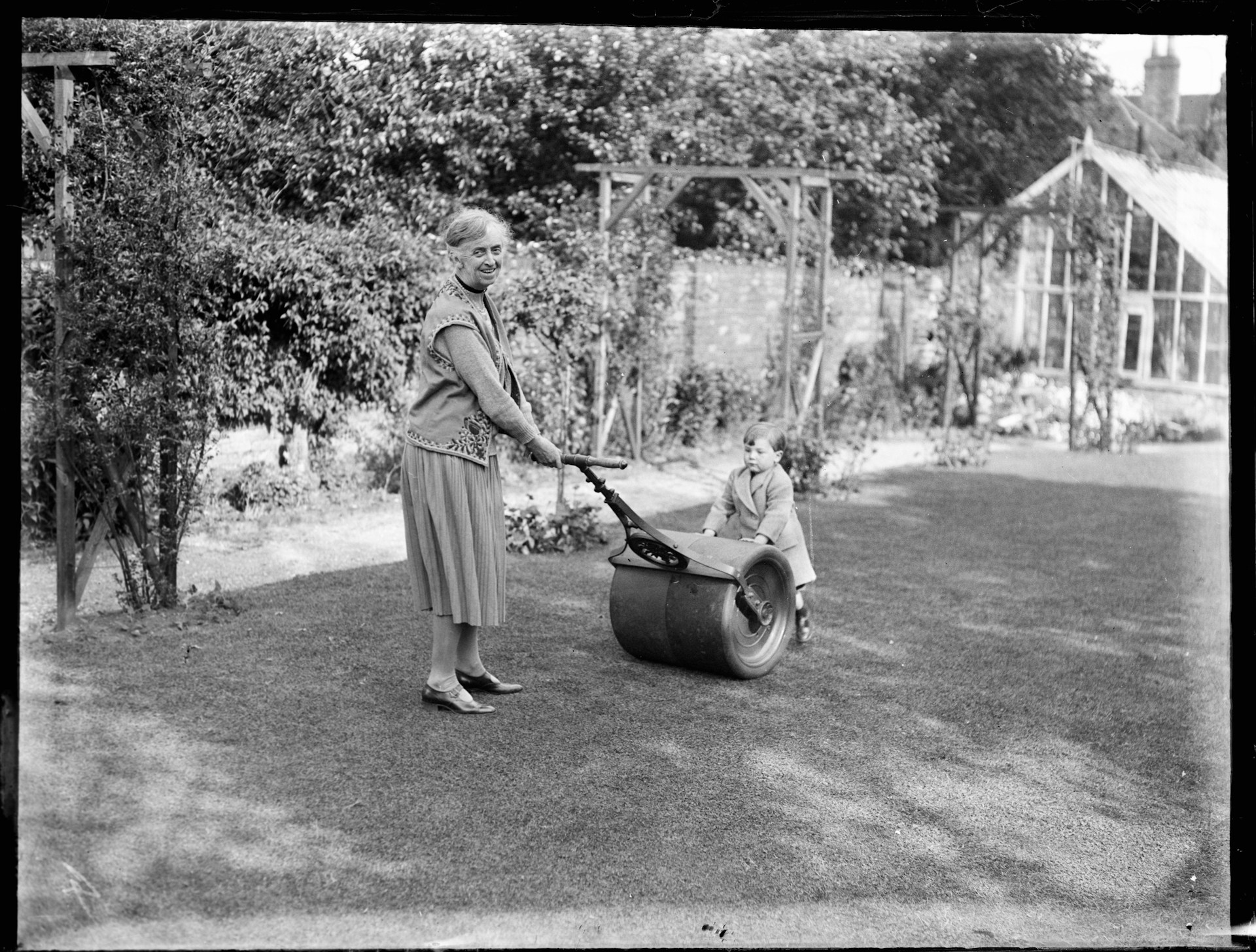
Looking across these habits reveals a broader pattern of acceptance toward everyday risk. Families in the 1920s trusted emerging systems, followed prevailing advice, and adapted quickly to change without full understanding of consequences. Safety was relative, and responsibility often meant resilience rather than prevention. These habits would shock families today not because past parents were careless, but because knowledge and expectations have changed. The contrast shows how modern family life is shaped less by endurance and more by caution, awareness, and the desire to reduce risk wherever possible.