America’s built environment bears the marks of many creative minds whose designs transcended aesthetics to influence culture, urban life, and national identity. From grand public parks to iconic skyscrapers, these architects not only built structures but also shaped how people live, how cities function, and how nature and society interact.
Frank Lloyd Wright
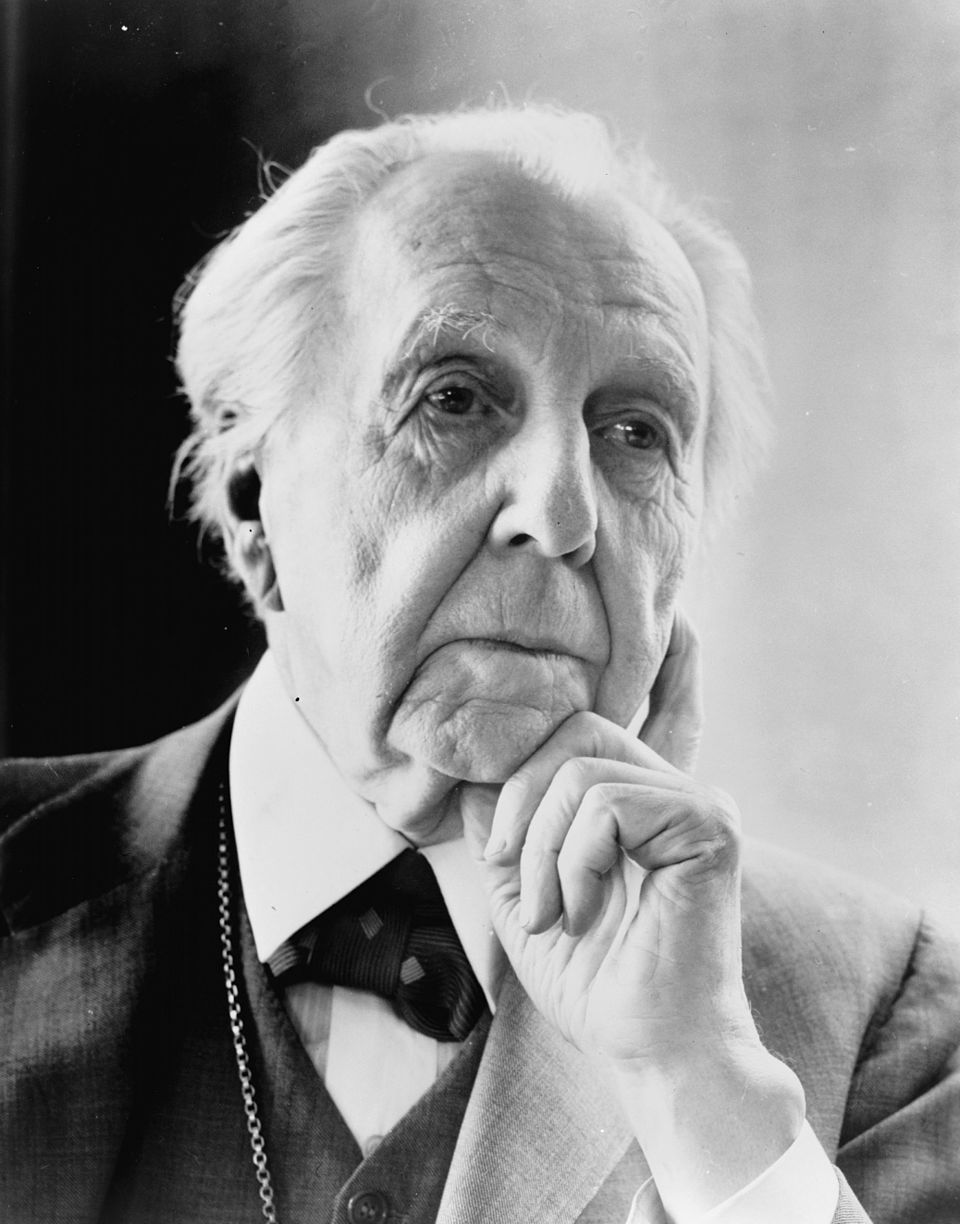
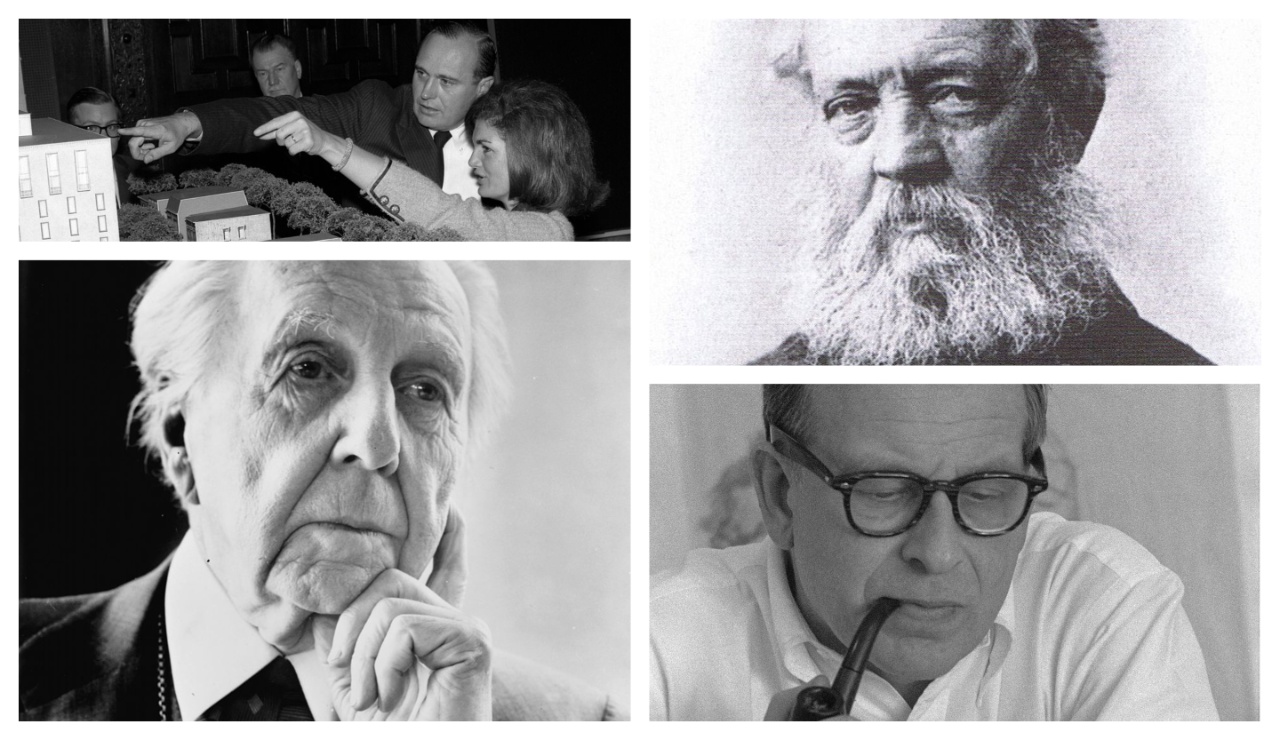
Frank Lloyd Wright’s work redefined what American domestic architecture could be. Under his “Prairie School” movement, he emphasized horizontal lines, open floor plans, integration with landscape, and natural materials, producing homes that felt at once modern and organic. His masterpiece Fallingwater is often cited as a peak example of architecture harmonizing with nature rather than dominating it. Wright also created the Guggenheim Museum in New York, whose spiral form challenged traditional museum layouts. His philosophy of “form and function” being in service to human life continues to influence architects, urban planners, and homeowners.
Louis Sullivan
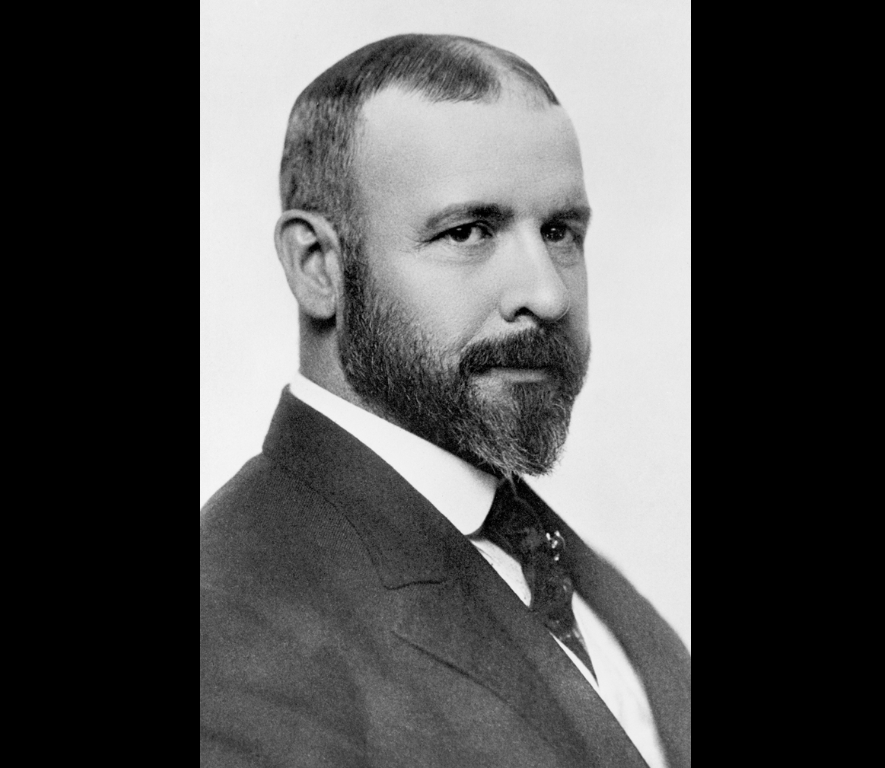
Louis Henry Sullivan is known as the “father of skyscrapers.” He helped pioneer tall buildings that were not just practical but expressive, giving vertical architecture its own visual language. Perhaps his best known maxim, “form follows function,” was a radical shift away from ornament-for-ornament’s sake to design that grew from purpose. Many of his designs in Chicago and elsewhere introduced new engineering, new materials, and new ways of thinking about city skylines. His students and those he inf luenced, among them Wright, carried forward his ideas, anchoring modern architecture in utility, honesty, and elegance.
Frederick Law Olmsted
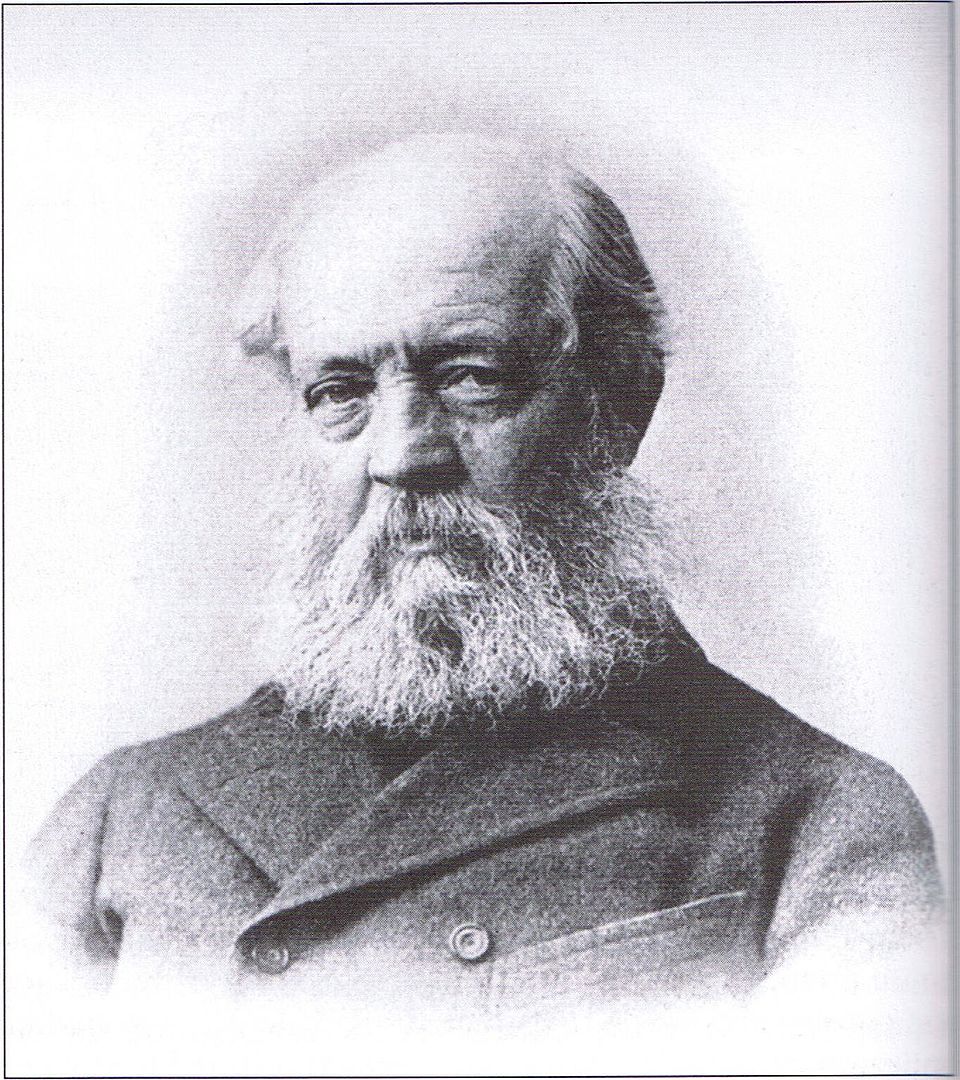
Olmsted shaped America less with buildings than with landscapes, and yet his impact is everywhere. He is best known for creating Central Park in New York City and Prospect Park in Brooklyn, places which became models for democratic open space in dense urban areas. Beyond that, he designed park systems, public gardens, college campuses, even entire planned communities, always with an eye to nature, public health, and community benefit. His belief was that parks are vital to democracy; open to all, offering respite, improving social equality, and improving the environment. His work laid the foundation for landscape architecture as a profession in the U.S. and inspired many of the public space, greenbelt, and suburban design practices of the 20th century.
Eero Saarinen
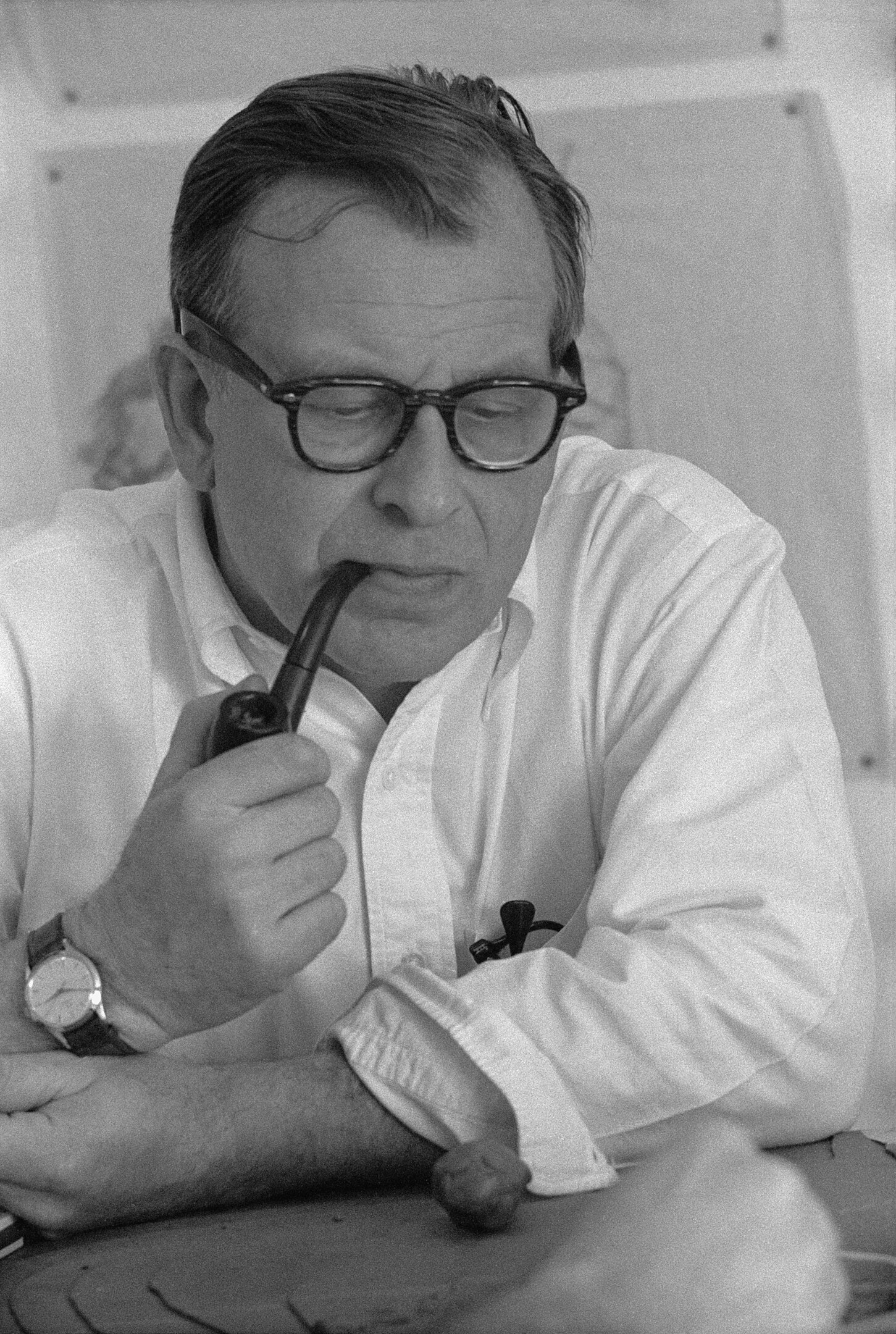
Eero Saarinen blended sculptural forms, modern engineering, and expressive materials to create landmarks. Think of the Gateway Arch in St. Louis, sweeping terminals like TWA at JFK, and bold designs for corporate headquarters. Saarinen’s work often seems like sculpture you can inhabit, commanding attention yet offering both function and innovation. He pushed the envelope of what was possible structurally, using new technologies in concrete, steel, and glass to create spaces that felt optimistic, forward-looking. His designs helped define mid-20th-century American optimism and international style.
I. M. Pei
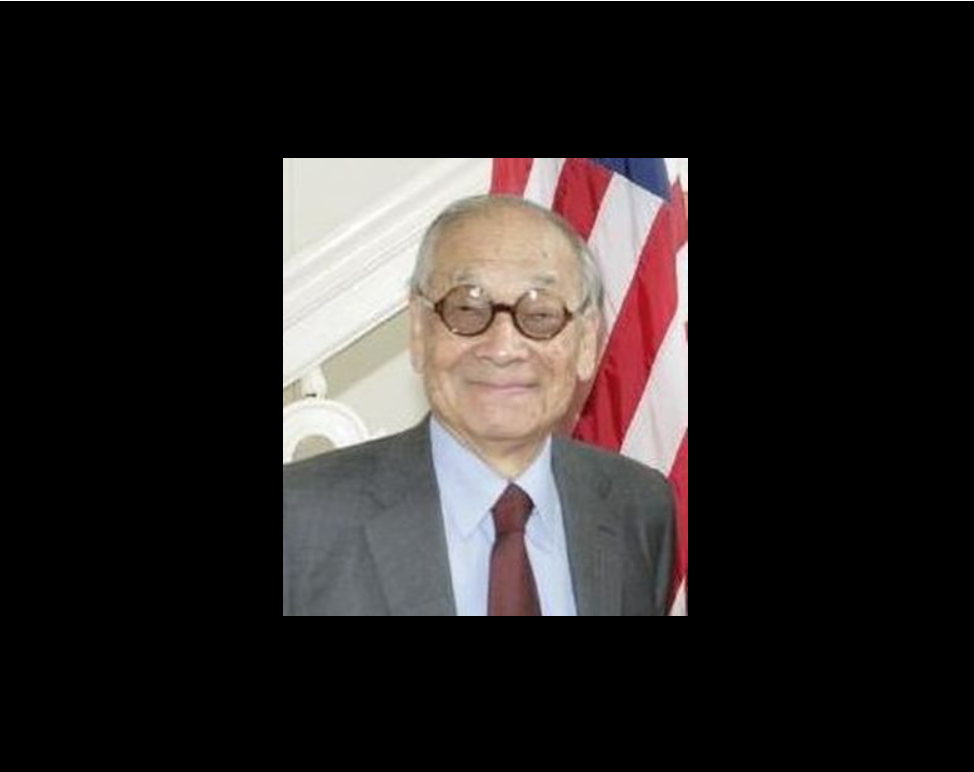
I. M. Pei forged an international modernist path with elegant geometry and careful site sensitivity. His pyramid at the Louvre in Paris is famous, but in the U.S. he created important public and civic spaces that combined modern form with cultural resonance. His work often uses light, scale, and context to bridge the old and the new, showing respect for history while advancing design. His buildings, like those for museums, cultural centers, and public institutions, tend to balance monumentality with human scale. Pei’s influence lies in proving that modernist architecture could both stand out and fit in, enhancing rather than overpowering its setting.
Norman Foster & Paul Rudolph
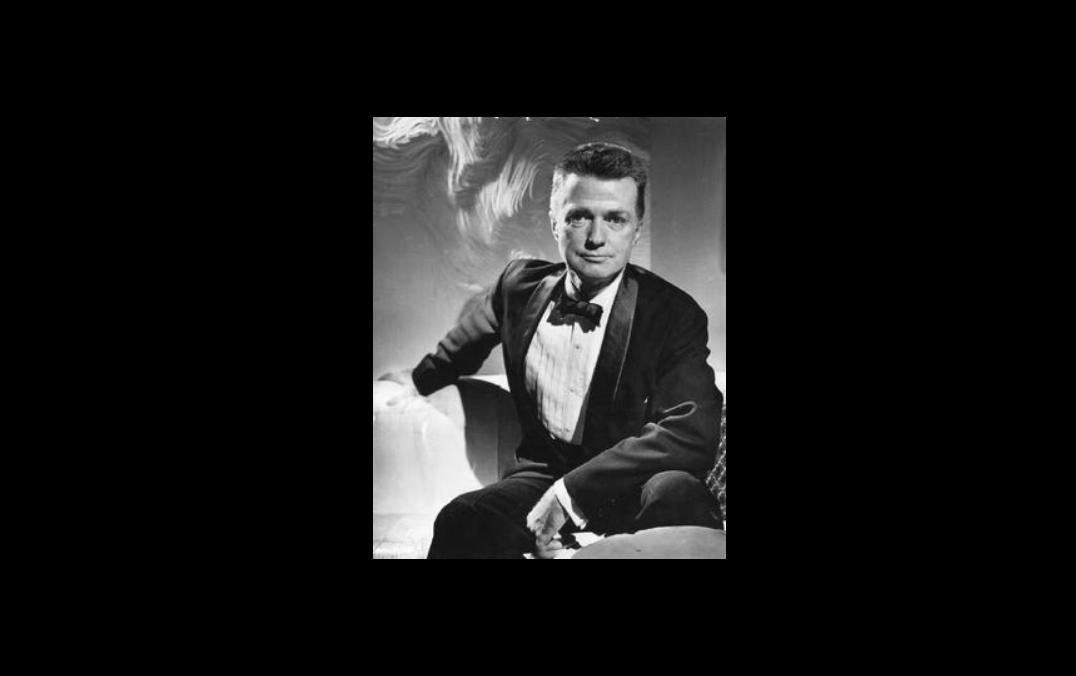
While Norman Foster is British by birth, his influence permeates America (especially through transatlantic architectural practice), but let’s focus on Paul Rudolph, an American whose work impacted universities, public buildings, and the brutalist aesthetic. Rudolph’s daring use of concrete, expressive façades and interior spatial drama shaped many academic buildings in the U.S. in the 1960s and 70s. His work challenged softer modernism with boldness, pushing how texture, heavy materials, and light could work together. Though opinions about brutalism are mixed, Rudolph’s contributions to architectural expression and experimentation were significant in defining that era.
Maya Lin
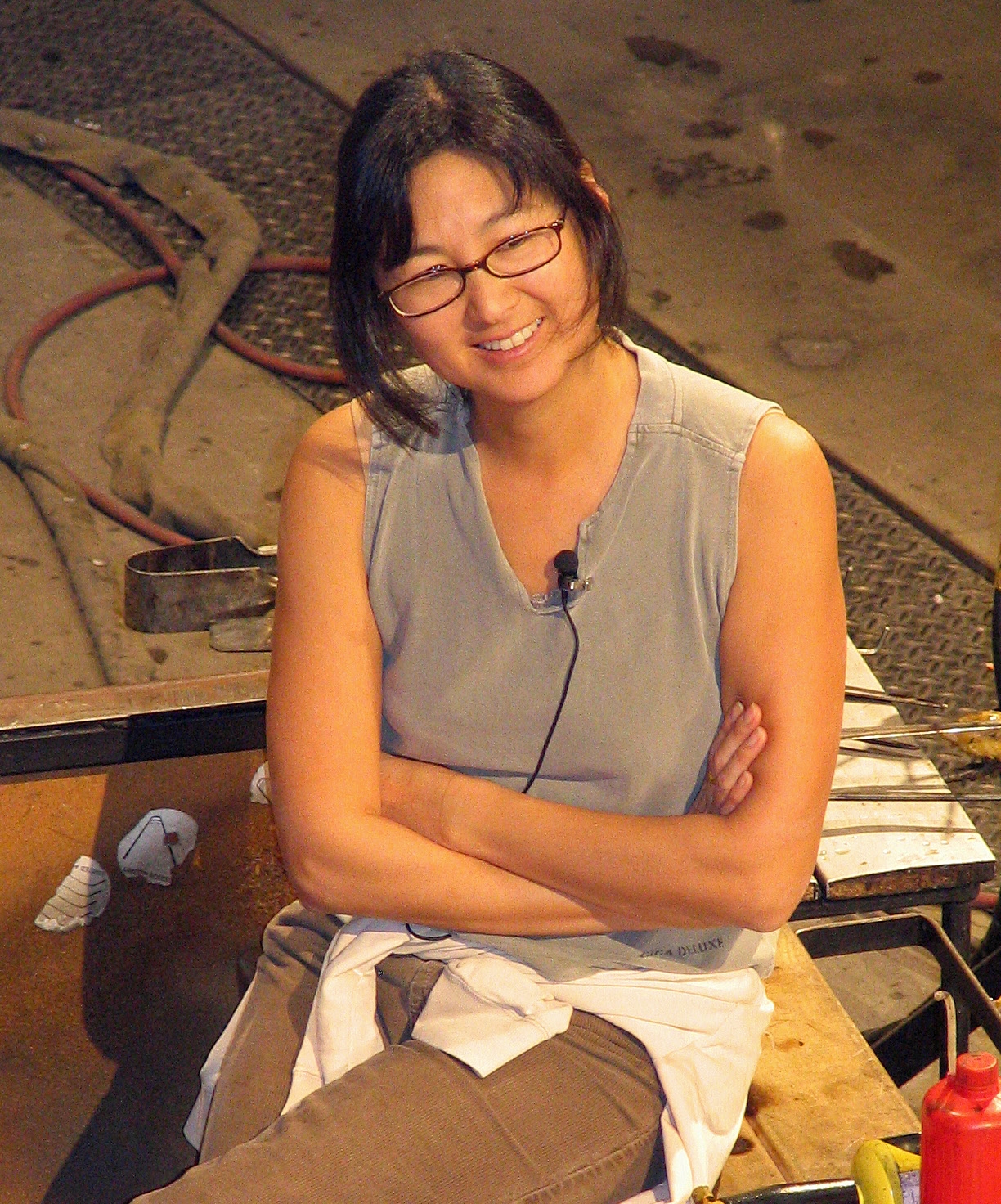
Maya Lin introduced a more contemplative, minimalist, and landscape-driven approach, especially through memorial architecture. Her design for the Vietnam Veterans Memorial in Washington, D.C. was controversial at first but eventually became a deeply emotional and spatially powerful public site. It demonstrated how architecture and landscape could combine to evoke memory and inclusion rather than monumentality alone. Her later works, including those that address environmental themes, show how architecture can respond to ecological concerns and issues of identity and healing. Lin’s voice reshaped what a memorial or civic site could be in America.
John Carl Warnecke
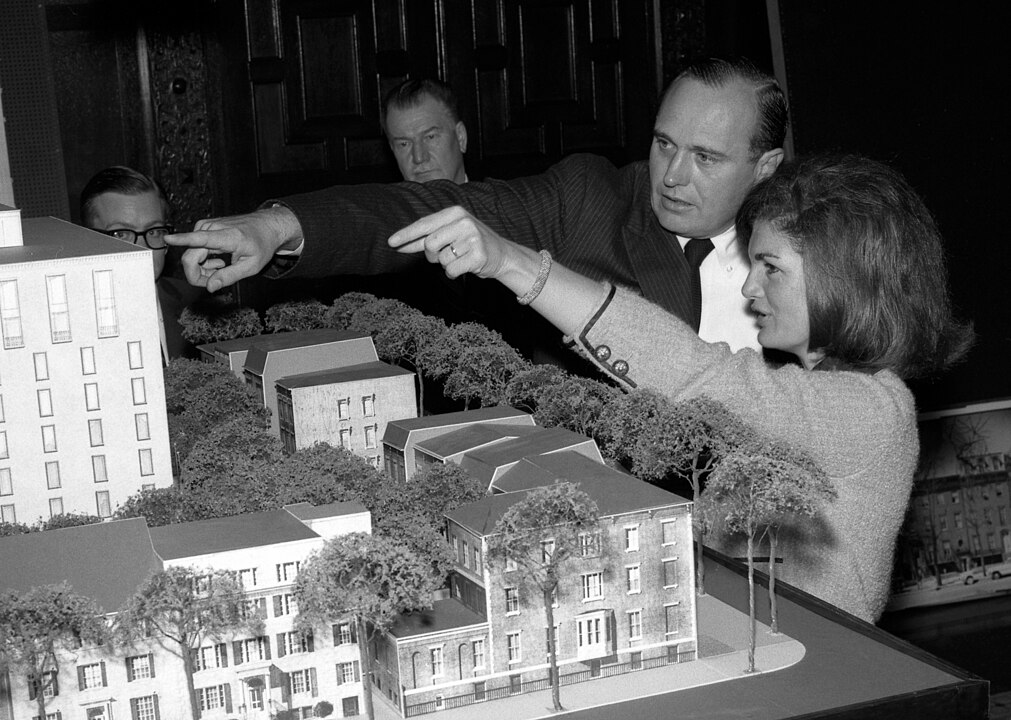
John Carl Warnecke was a master of contextualism and public architecture, which means designing buildings that respond to their surroundings, historical, cultural, geographic, or political. He designed the Hawaii State Capitol, an example of how civic architecture can integrate climate, symbolic imagery, and place. He also planned Lafayette Square in Washington, D.C., sensitive to its proximity to the White House and its role as political space. By insisting that even modern buildings respect context, Warnecke helped steer American architecture away from generic modernism toward a more anchored, locally aware practice.