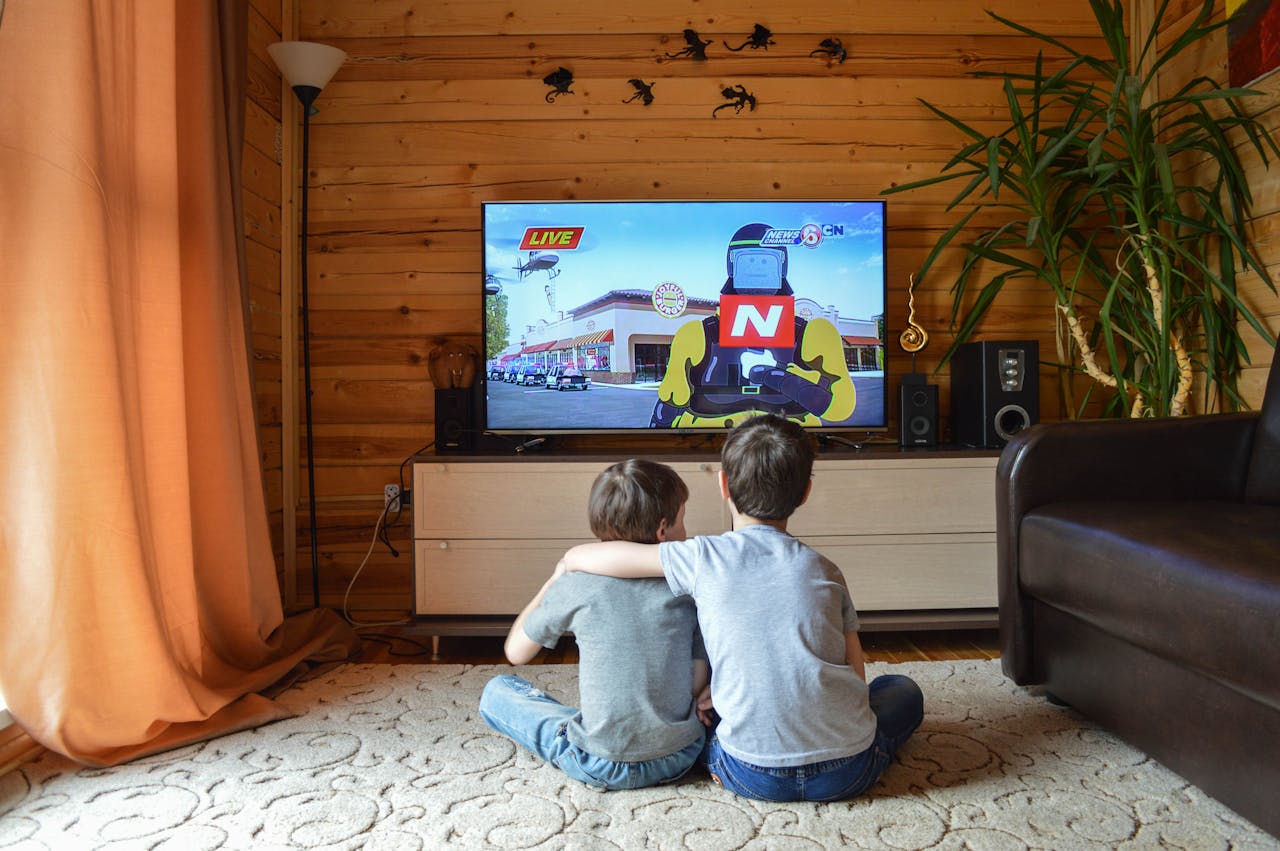
In today’s world, screen time is nearly unavoidable for children, but it doesn’t have to be wasted time. With the right guidance, screens can become powerful tools for learning, creativity, and skill-building. Parents often worry about excessive use, yet structured and intentional screen time can actually support education. The key is finding balance, choosing quality content, and staying actively involved. By shifting the focus from passive consumption to interactive engagement, screen time can enrich a child’s growth rather than hinder it.
Educational Apps and Games Build Core Skills
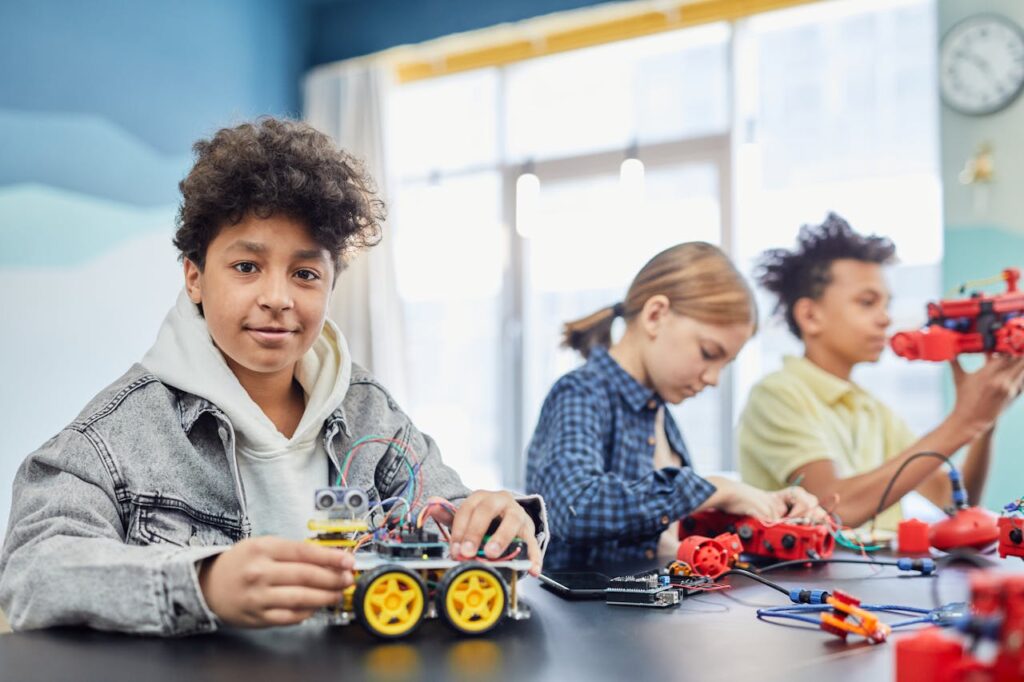
There is a wide variety of educational apps designed to teach math, science, reading, and even coding. Unlike passive videos, these games encourage children to solve problems, practice skills, and think critically. Many apps are structured like puzzles or quests, keeping children engaged while strengthening their knowledge base. Parents can curate age-appropriate apps that align with school subjects or introduce new concepts. By turning game time into learning time, kids associate fun with intellectual growth.
Interactive Viewing Encourages Conversation

Watching shows or documentaries together can be a shared learning experience when parents take the time to pause and discuss. Asking children questions about what they see helps them develop comprehension and analytical thinking. Instead of letting shows run in the background, parents can use episodes to spark conversations about science, history, or character choices. This interactive approach turns passive viewing into active learning. It also builds stronger connections between parents and children through discussion.
Creative Projects Spark Imagination
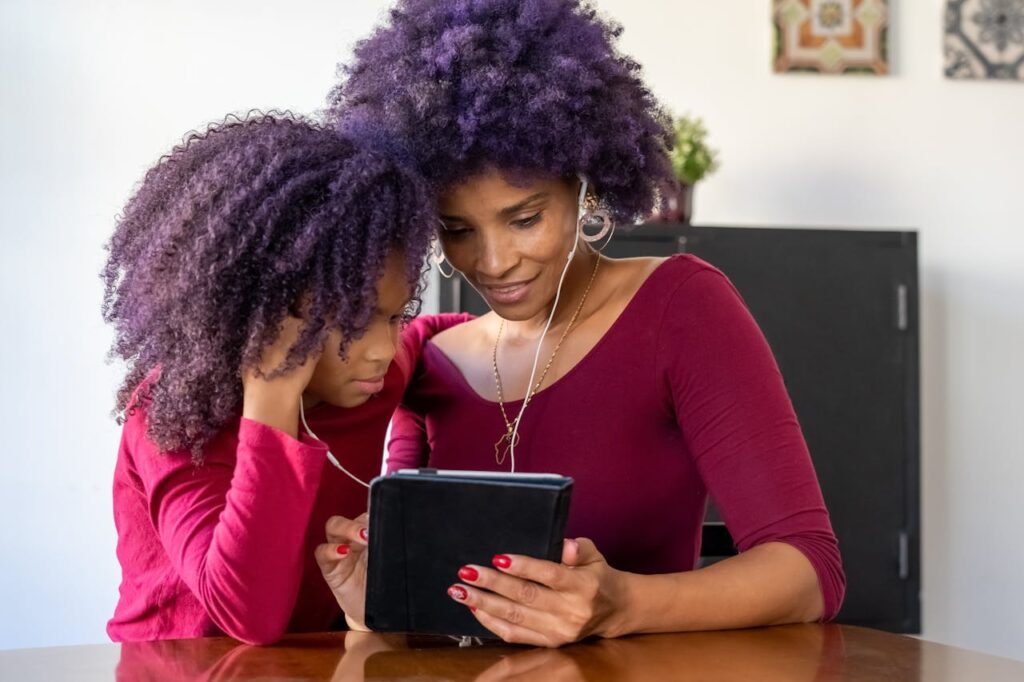
Screens can be gateways to creativity rather than just entertainment. Children can use tablets or laptops for digital drawing, music creation, or exploring DIY projects through tutorials. These activities encourage problem-solving, experimentation, and innovation while allowing kids to express themselves. Parents can support this by providing apps or platforms that inspire creativity instead of passive scrolling. When children see screens as tools for making rather than consuming, their imagination flourishes.
Virtual Field Trips Expand Horizons

Many museums, zoos, and historical sites now offer virtual tours that transport children to places they might never visit in person. Exploring the Louvre, NASA space centers, or wildlife sanctuaries online helps broaden cultural and scientific knowledge. These digital trips are especially valuable for families who cannot travel often but still want to spark curiosity. Parents can guide kids through these experiences and connect them to real-world lessons. Virtual field trips show that screen time can open doors to global exploration.
Online Learning Platforms Teach New Skills

Websites and platforms like Khan Academy, Duolingo, or kid-friendly coding courses provide structured learning experiences. These programs often adapt to a child’s pace, allowing for personalized progress. Kids can explore subjects that go beyond the classroom, from languages to programming. Parents can set small, consistent goals to make learning enjoyable and rewarding. When used thoughtfully, these platforms transform screen time into opportunities for long-term skill development.
Family Participation Strengthens Learning

Children learn best when parents take part in the process rather than simply monitoring. Co-playing a game, exploring an app, or collaborating on a creative project demonstrates that screen time can be social and meaningful. This shared involvement allows parents to guide, encourage, and ensure balance. It also turns technology into a bonding opportunity instead of a point of conflict. By engaging together, families can make screen time a positive and interactive experience.
Setting Boundaries Encourages Balance

Even when screens are used for learning, boundaries are essential for healthy development. Setting clear limits on time and purpose helps children value quality over quantity. Parents can create routines where educational activities come first, followed by entertainment if time allows. This structure prevents overuse while ensuring that screen time contributes to growth. Teaching kids to self-regulate builds lifelong habits of responsible technology use.