

Raising kids in today’s fast-paced, digital world can sometimes feel overwhelming. With screens, social media, and constant connectivity, it’s easy to lose sight of simpler times. That’s why I try to raise my kids with some of the values and habits from the ’90s—a decade filled with outdoor play, face-to-face friendships, and unplugged fun. Here are seven ways I bring a bit of the ’90s spirit into parenting today.
Encouraging Outdoor Play Over Screen Time
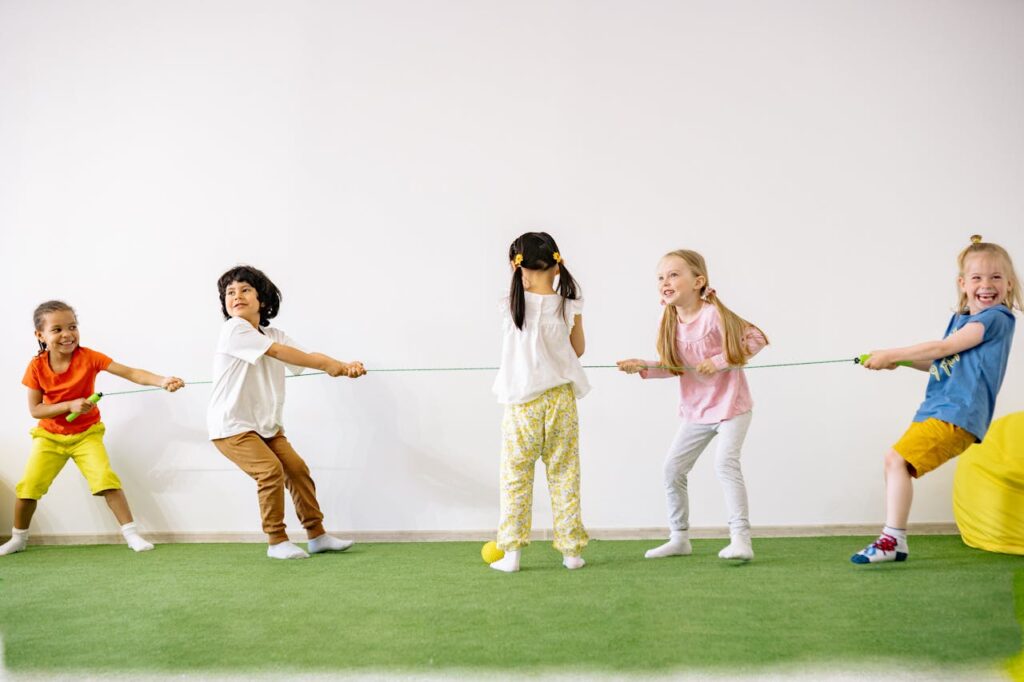
In the ’90s, kids spent hours outside riding bikes, playing tag, or exploring their neighborhoods. I try to encourage my kids to get fresh air and move their bodies instead of defaulting to screens. We make time for bike rides, park visits, and backyard games that spark creativity and physical activity. I want them to experience the freedom and imagination that comes with outdoor play, just like I did growing up.
Limiting Screen Use and Embracing Analog Fun

While technology is unavoidable now, I still set firm limits on screen time, just like the ’90s had natural breaks between TV shows and video games. We balance screen time with board games, puzzles, and arts and crafts—activities that engage their minds in different ways. I also encourage reading physical books, which helps build focus and imagination without the distractions of a device. These analog activities create lasting memories and quality family moments.
Teaching Patience and Delayed Gratification
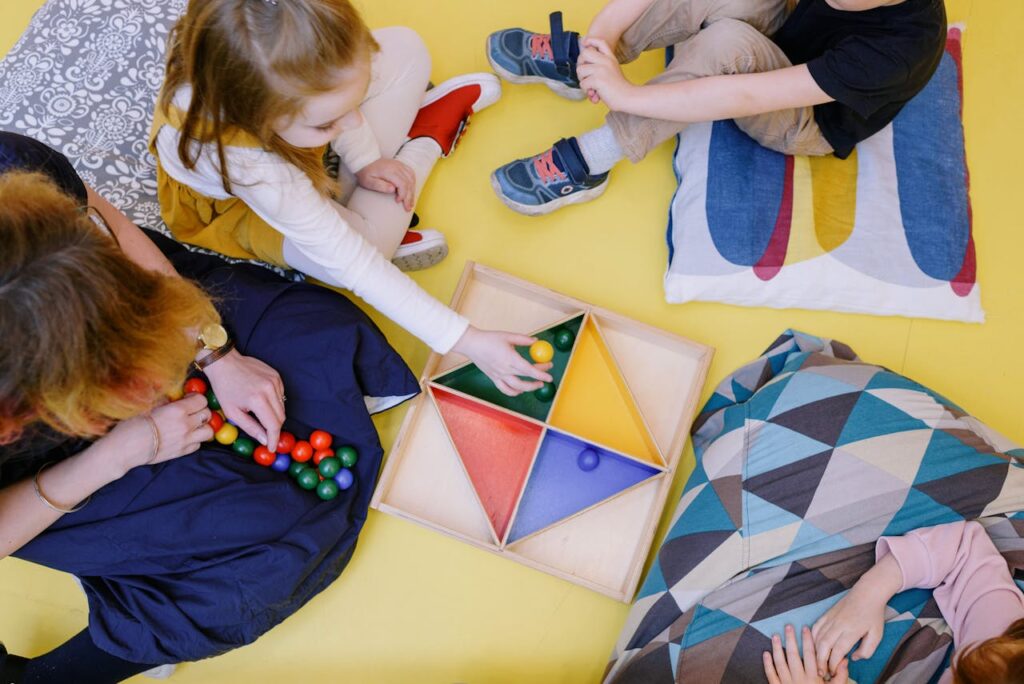
The ’90s didn’t have instant streaming or online shopping with next-day delivery, so patience was part of everyday life. I try to instill that same value in my kids by encouraging them to wait for special treats or toys and to work toward goals. Whether it’s saving allowance for a desired item or waiting for a birthday gift, these lessons teach them the importance of effort and delayed gratification. It helps them appreciate what they have and understand that good things often take time.
Emphasizing Face-to-Face Social Skills

Before texting and social media, friendships were built on in-person conversations, eye contact, and genuine connection. I make sure my kids spend plenty of time with friends in real life, whether it’s playdates, team sports, or family gatherings. These face-to-face interactions help develop empathy, communication skills, and emotional intelligence—qualities that are harder to nurture through digital communication alone. I want them to understand the value of personal connection.
Encouraging Creativity Without Screens

The ’90s were full of creative outlets—making friendship bracelets, drawing with markers, or putting on backyard plays. I encourage my kids to explore their creativity through hands-on projects and imaginative play, rather than turning to digital devices for entertainment. This helps them develop problem-solving skills and self-expression. I find that unplugged creativity fosters confidence and a sense of accomplishment.
Keeping Family Time Tech-Free

Family dinners and car rides were simpler times without phones buzzing every minute. We keep our family time tech-free, especially during meals, to focus on conversation and connection. This ’90s-style approach strengthens our bonds and creates a safe space for sharing stories, laughter, and support. It’s a small but powerful way to keep the family close amid today’s distractions.
Valuing Simple Joys and Traditions

Growing up in the ’90s meant enjoying simple pleasures—riding bikes with friends, Saturday morning cartoons, or homemade meals. I try to create similar traditions and moments of joy for my kids without overcomplicating life. Whether it’s baking cookies together, watching a movie as a family, or playing classic board games, these moments build lasting memories. It reminds us all that happiness doesn’t need to be flashy or high-tech—it’s found in the everyday.