Therapists are trained to pay attention to details that many people overlook. When they enter a client’s home for the first time, they are not judging décor or cleanliness. Instead, they are quietly observing patterns that reveal how someone lives day to day. Small details in a home can reflect emotional habits, stress levels, relationships, and how comfortable people feel in their own space. These observations do not provide a full picture of someone’s life, but they often offer subtle clues about what may be happening beneath the surface.
1. How People Greet You
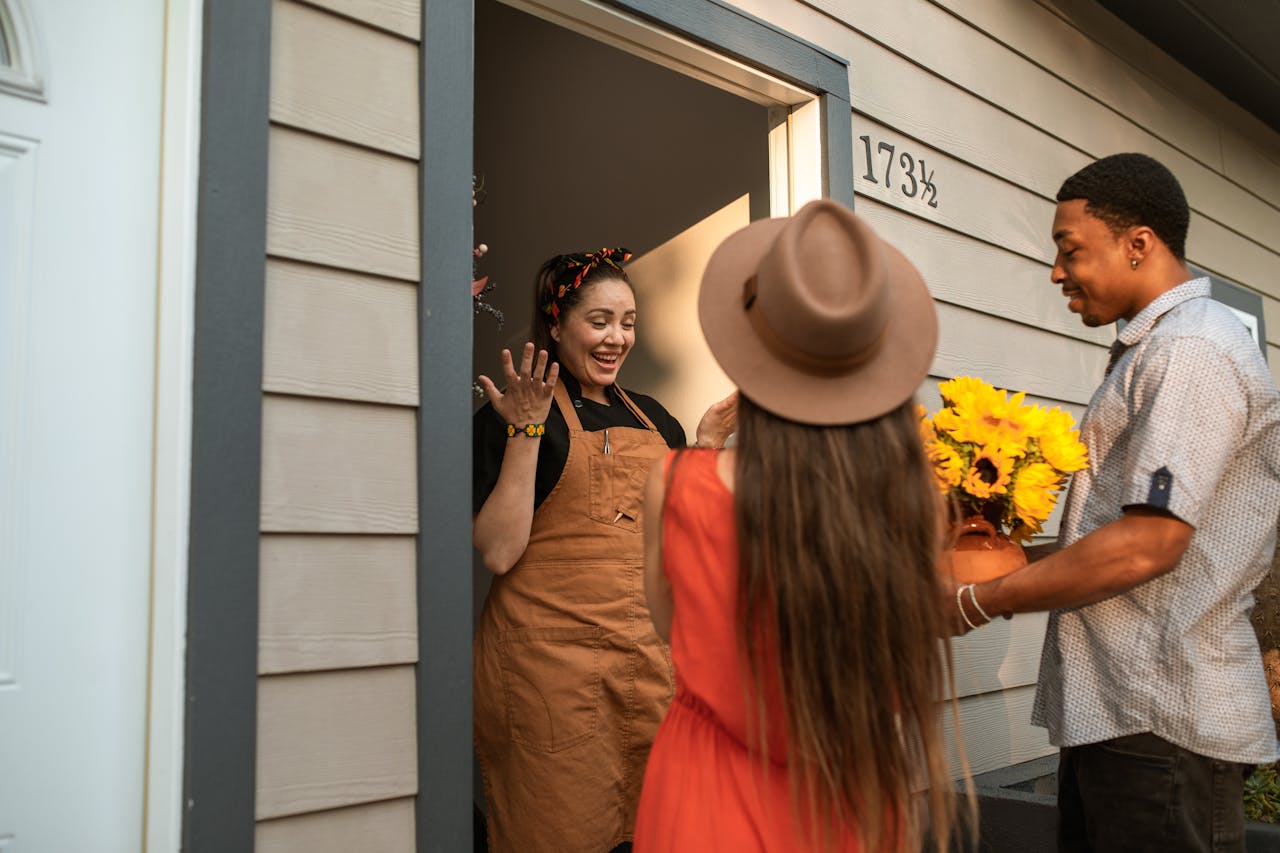
The first few seconds of an interaction can reveal a lot. Therapists often notice how someone opens the door and welcomes a visitor into the home. A relaxed greeting can signal comfort and openness, while hesitation or visible tension may suggest anxiety or uncertainty. Some people appear rushed or distracted, as if their mind is already somewhere else. Others pause and connect before inviting someone inside. These small moments often reflect how people handle social interaction and how comfortable they feel sharing their space with others.
2. The Emotional Tone of the Home Within the First Few Minutes

Just like people, homes have a certain emotional atmosphere. Within the first few minutes of entering, therapists often sense whether a space feels calm, tense, chaotic, or peaceful. This feeling does not come from a single object but from the overall environment. Lighting, sound, and the way spaces are arranged can all contribute to how a home feels emotionally. A quiet and comfortable space may help people relax, while a rushed or cluttered environment can sometimes reflect the pressure someone is experiencing in daily life.
3. Piles of Unfinished Tasks or Neglected Spaces

Every home has some level of mess or unfinished chores. What therapists sometimes notice, however, are signs that tasks have been piling up for a long time. Unopened mail, laundry that never seems to get folded, or rooms that appear unused can sometimes reflect overwhelm. These details do not mean someone is careless. Often they suggest that a person may be juggling too many responsibilities or feeling mentally drained. The environment can quietly mirror how much someone has been carrying emotionally.
4. Subtle Clues About Power Dynamics in the Household

Shared spaces in a home can sometimes reveal how relationships function. Therapists may notice who seems comfortable speaking first, who looks to another person before answering, or whose belongings dominate shared areas. Even seating arrangements can offer hints about how people interact with each other. These observations are never taken as final conclusions, but they can provide small clues about how decisions are made and how people relate to one another within the household.
5. Whether There Are Clear Personal Boundaries

Homes often reveal how personal space is respected. Therapists may notice whether individuals have areas that feel like their own or whether everything blends together without clear boundaries. For example, personal belongings may be spread across shared areas, or one person’s space may feel carefully separated from the rest of the home. Healthy boundaries in a household often appear in small ways, such as having designated places for work, rest, and personal activities.
6. Signs the Home Supports Rest and Emotional Recovery
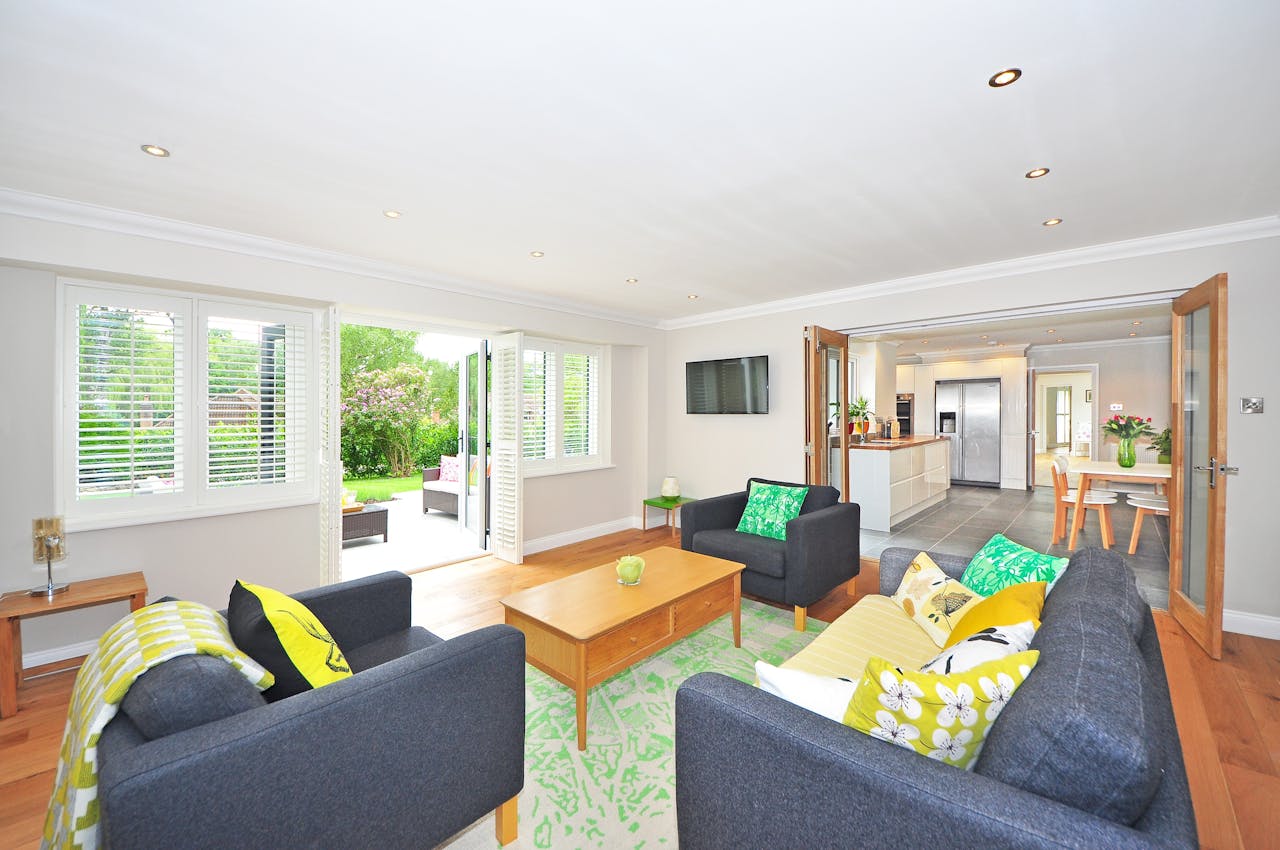
Another detail therapists often notice is whether the home seems to encourage rest. Comfortable seating, soft lighting, and quiet corners can suggest that someone has created space to unwind. On the other hand, homes that feel overly crowded or constantly busy may make it harder for people to relax. The presence of spaces where someone can read, reflect, or simply sit quietly can signal that the home supports emotional recovery after long or stressful days.
7. The Level of Everyday Organization or Clutter
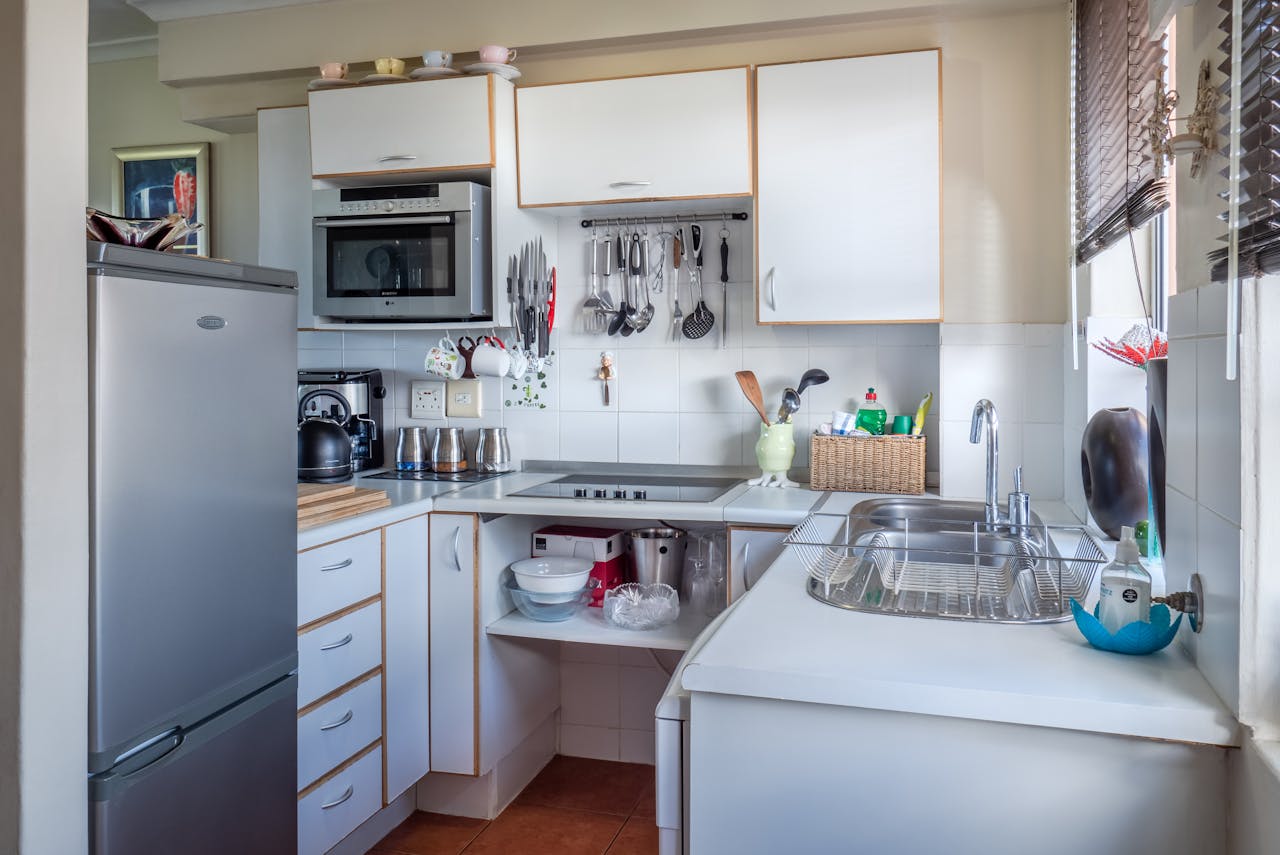
Clutter alone does not tell the full story of someone’s life, but it can sometimes reflect how manageable daily routines feel. A well organized home may show that someone has systems that help them stay on top of responsibilities. A cluttered space may suggest a busy life where priorities constantly shift. Therapists understand that organization varies widely from person to person. What matters most is whether the home environment seems to help or hinder the person living in it.